Data Center (Co-Location) Development Model Pro-forma - 20 Year Model
Originally published: 04/08/2025 13:28
Publication number: ELQ-63275-1
View all versions & Certificate
certified

Data Center (Co-Location) Development Model Pro-forma - 20 Year Model

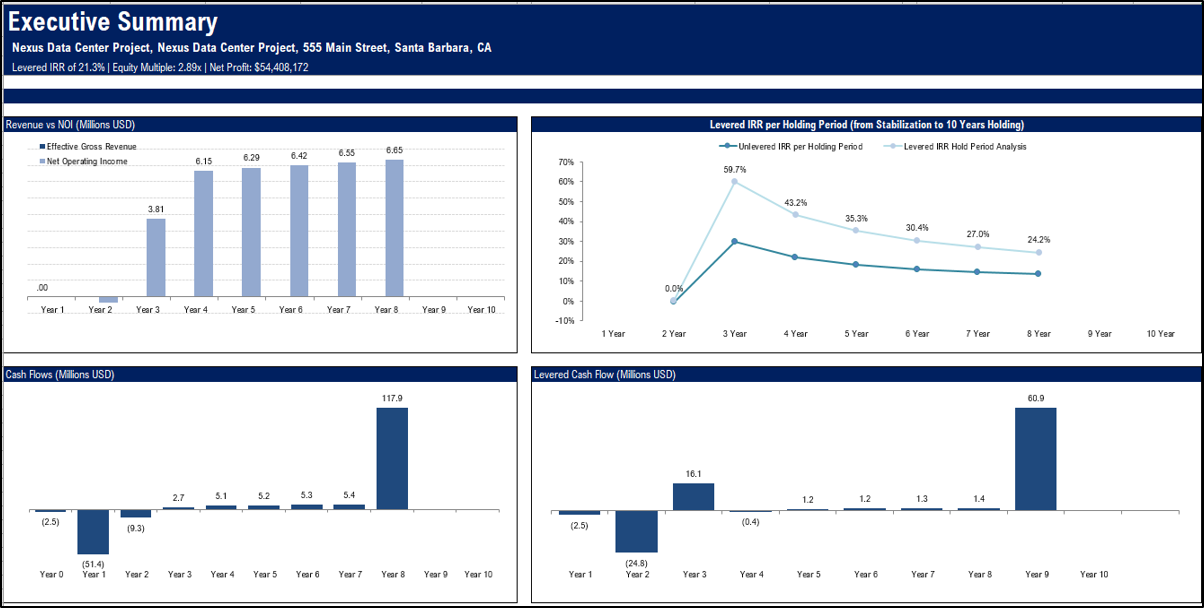
This detailed and user-friendly Excel spreadsheet template provides a comprehensive and dynamic real estate financial model for the development of data centers

Description
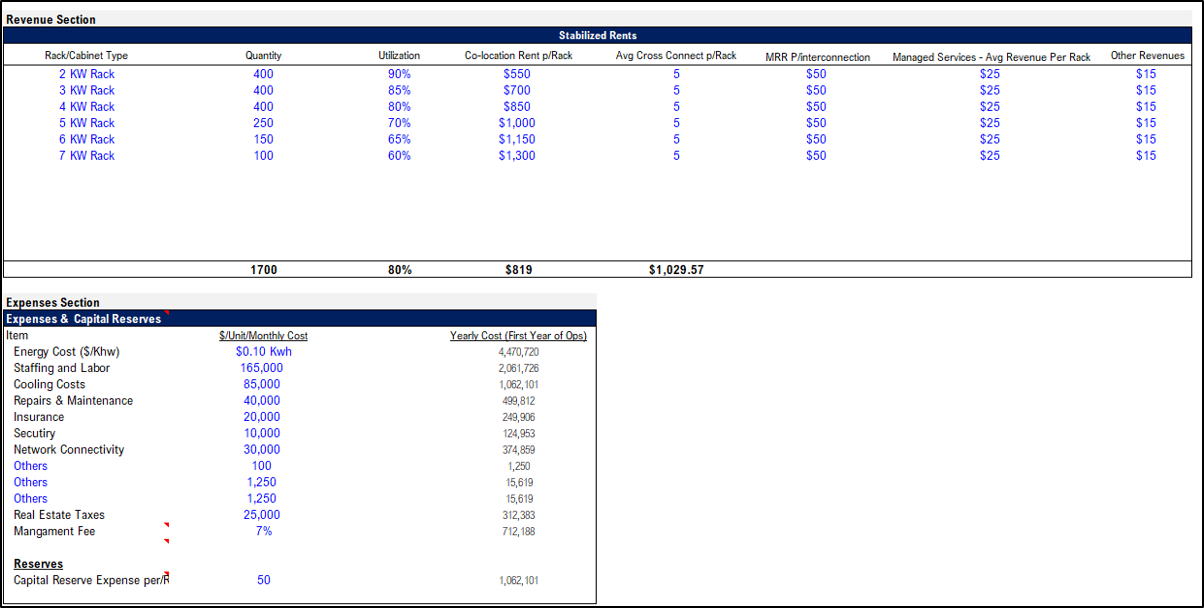
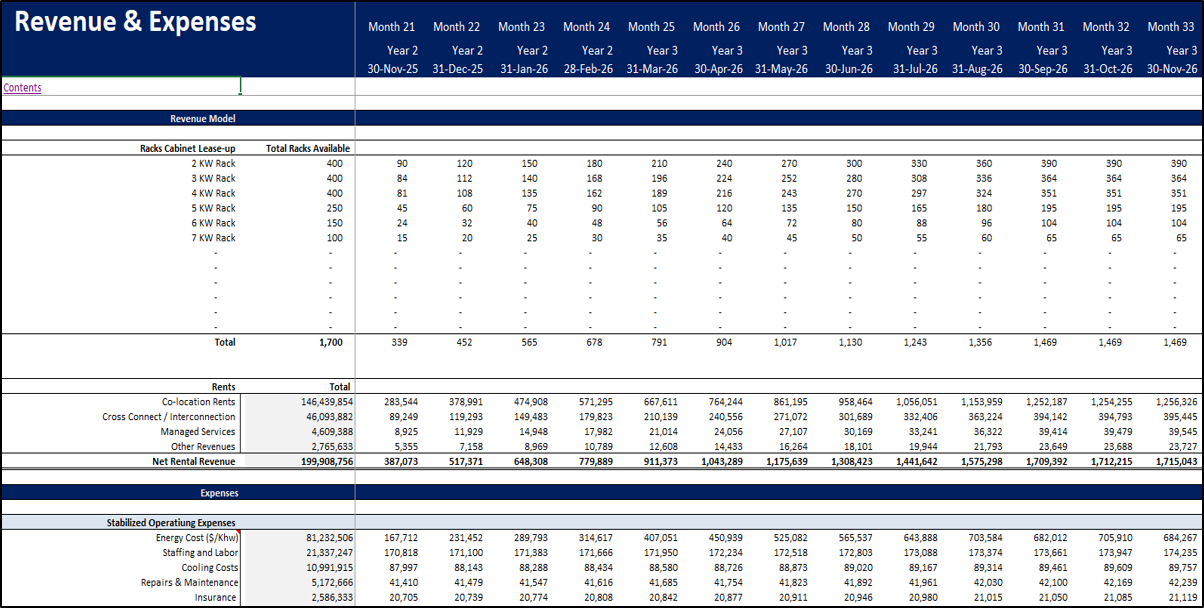
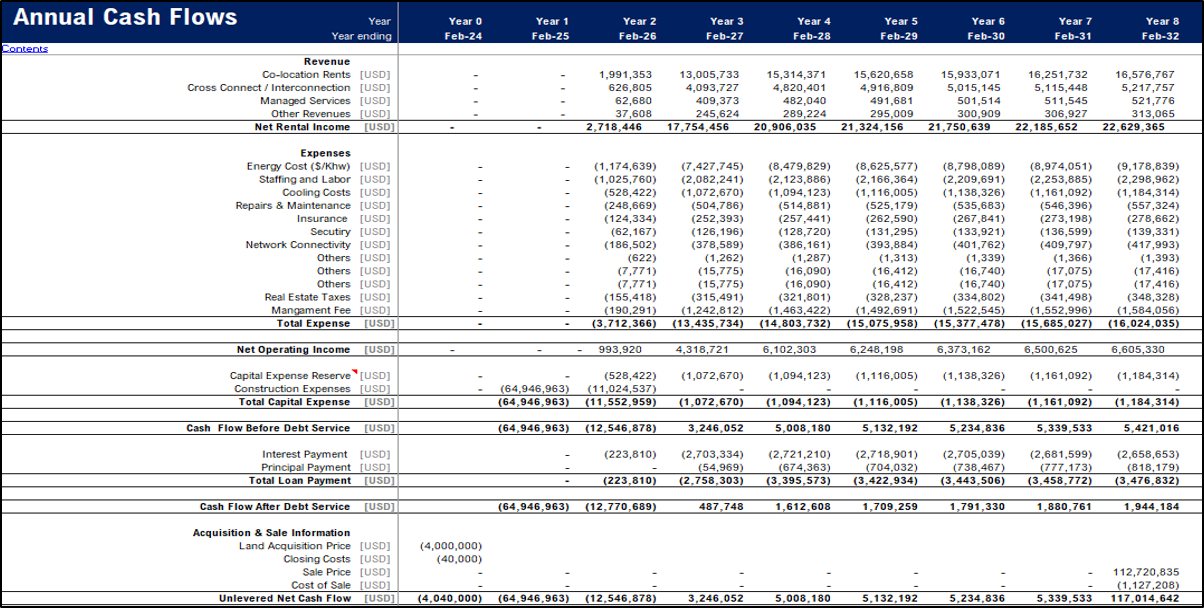
This detailed and user-friendly Excel spreadsheet template provides a comprehensive and dynamic real estate financial model for the development of data centers whose primary revenue streams revolve around the lease of racks. The model is designed to evaluate the investment viability of data center properties based on cash flow projections, covering the full project lifecycle from initial development and ramp-up period to eventual property sale, now extended to a twenty (20) year horizon.
Model Features:
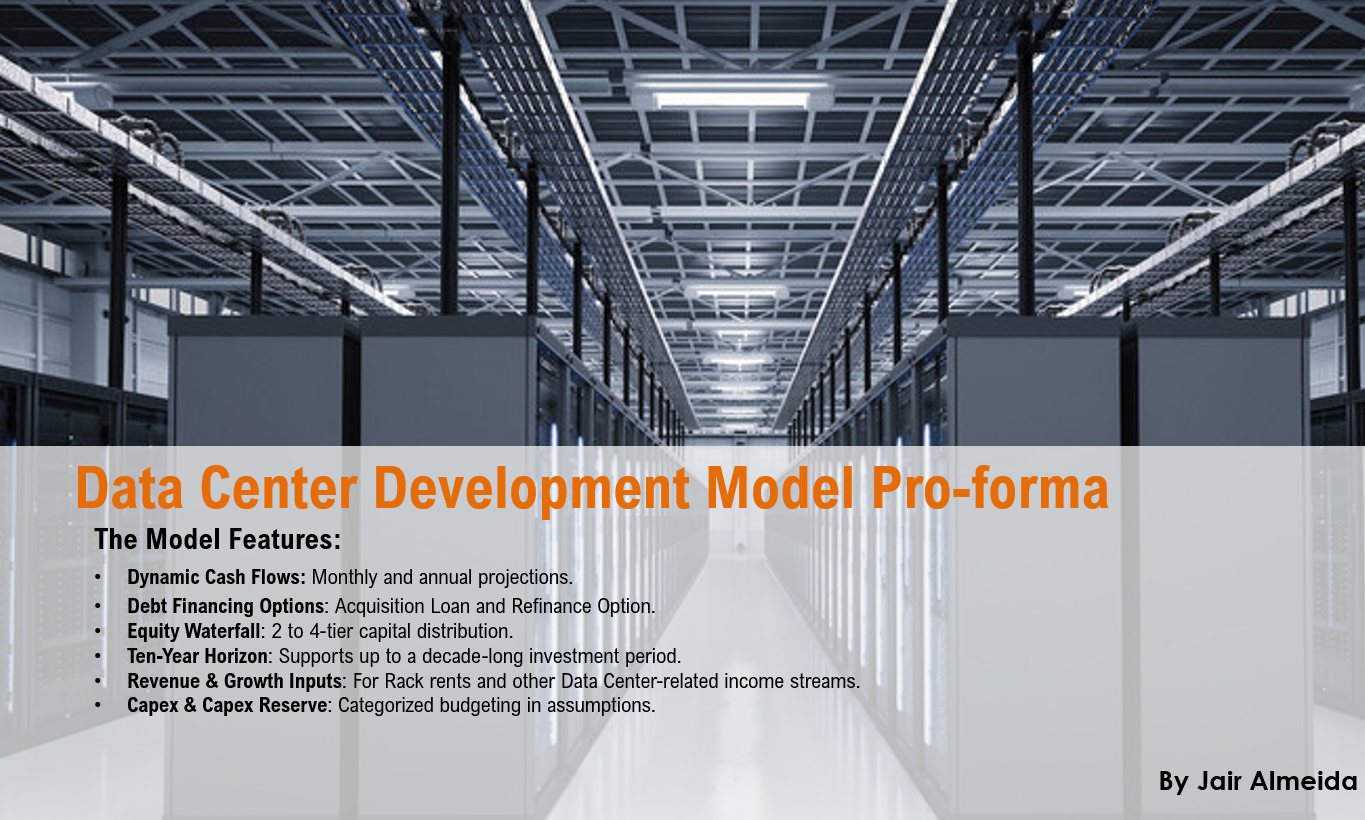
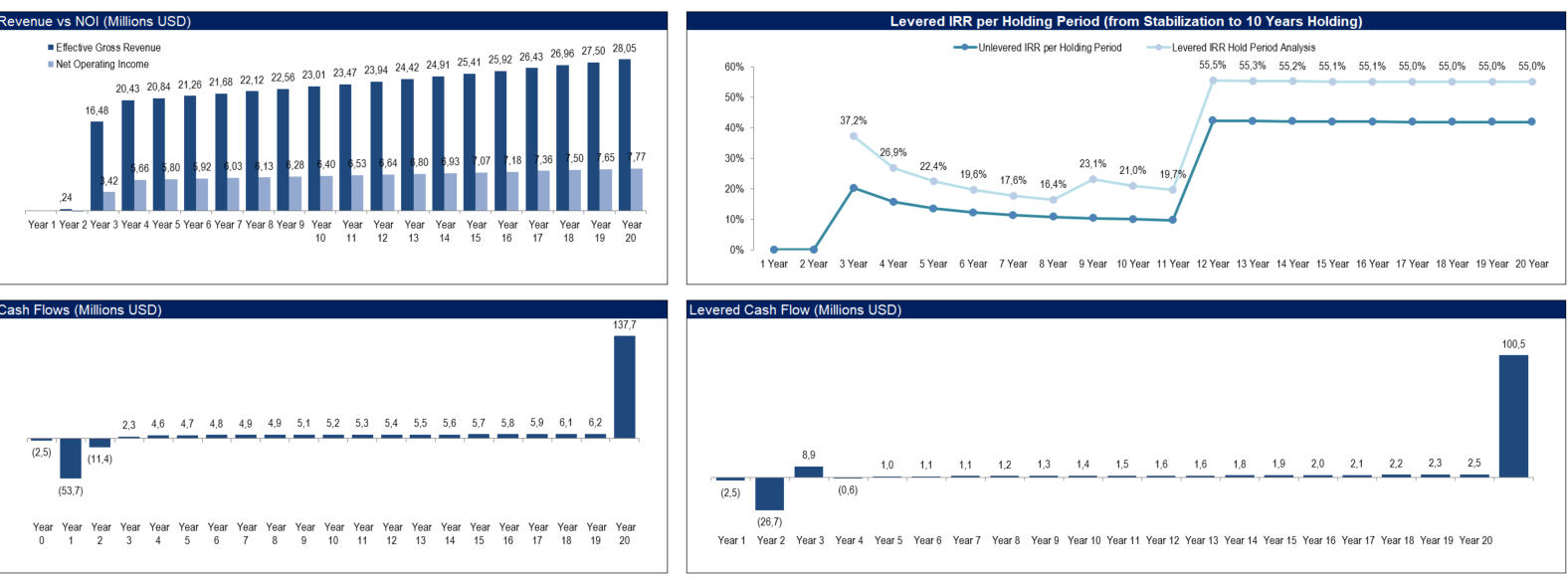
  • Dynamic Cash Flow Analysis: With detailed monthly and annual projections, this model computes essential investment metrics to gauge the project’s feasibility and potential resale value over a 20-year period.
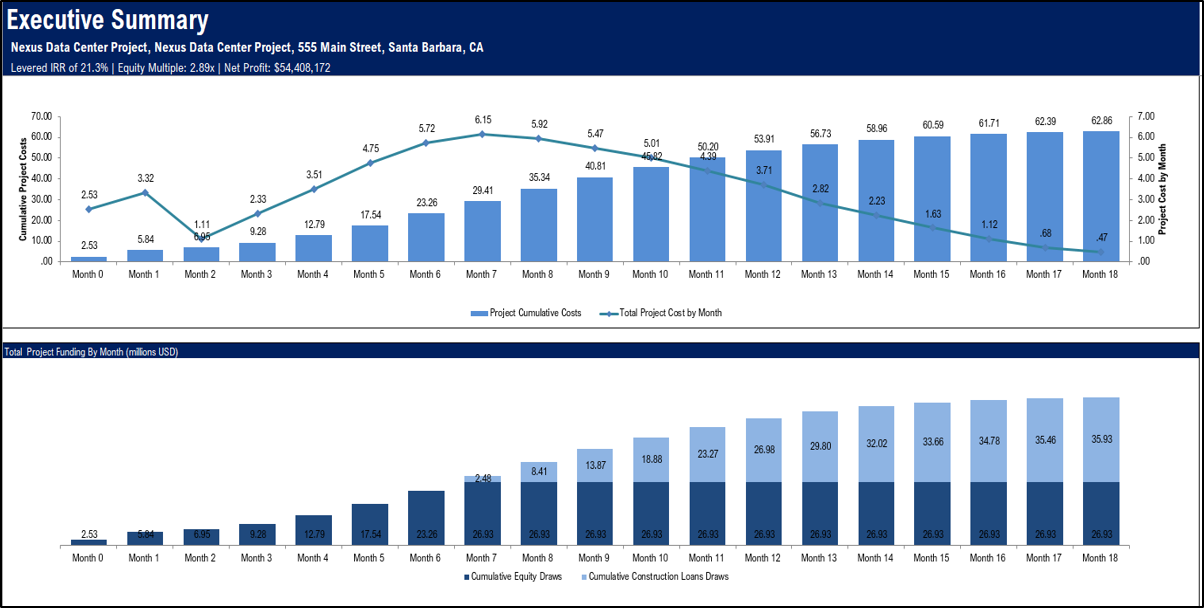
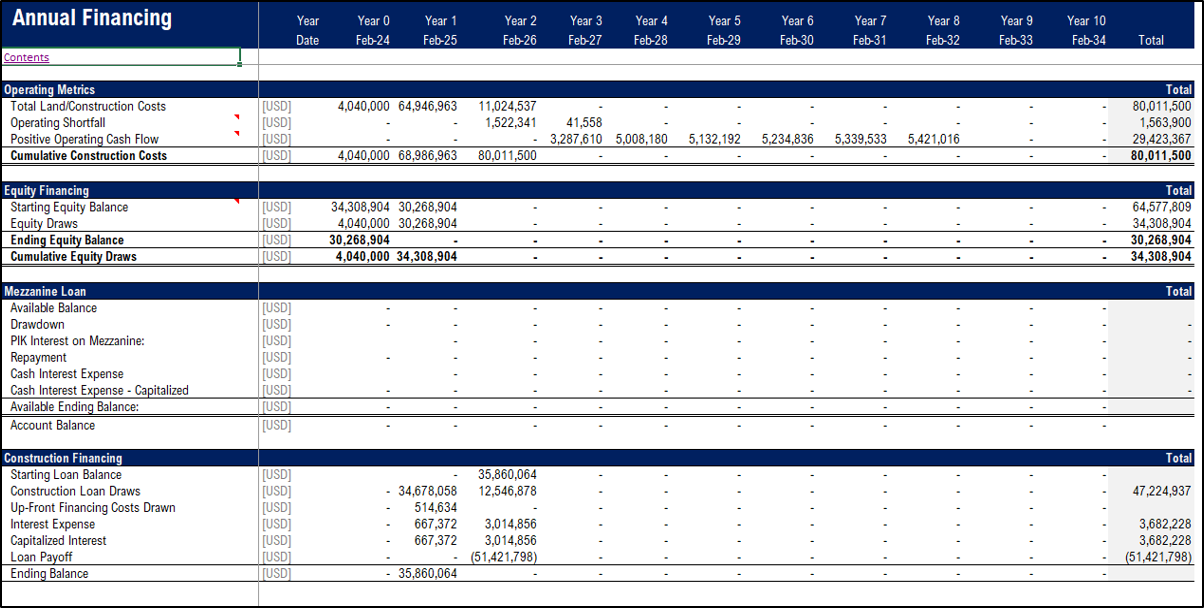
  • Development-Phase Forecasting: Acknowledging revenue constraints during construction, the model integrates a lease-up forecast that capitalizes construction loan interest, reflecting realistic financial conditions.
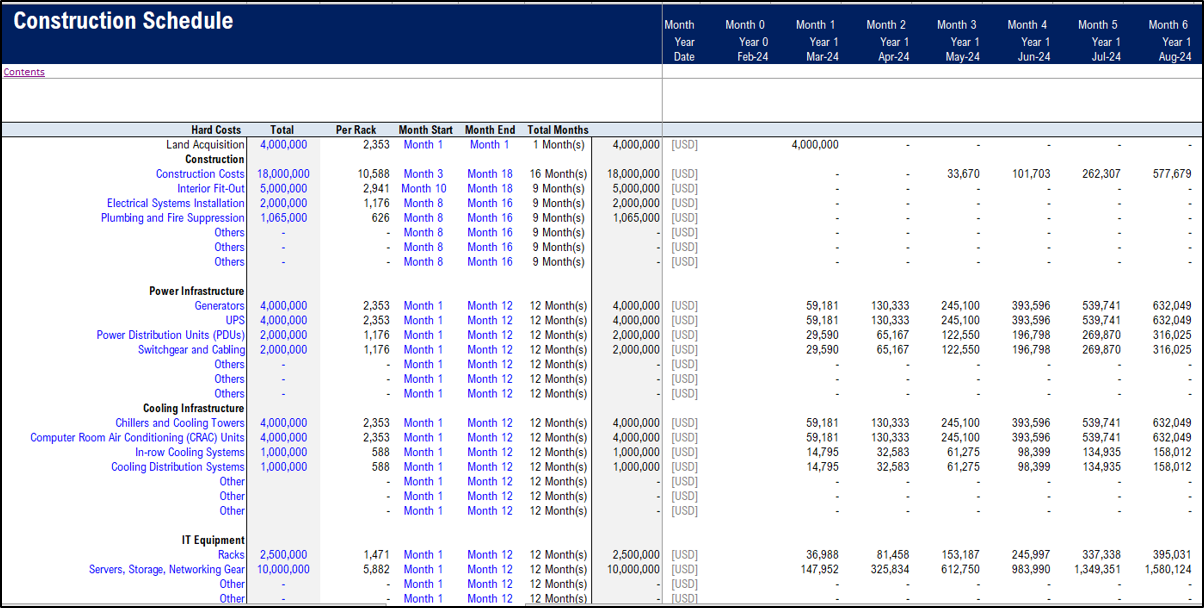
  • S-Curve Construction Budgeting: The model adopts an ‘s-curve’ distribution to simulate construction expenses, allowing for an accurate representation of the initial slow spending, accelerating to peak expenditure as the project progresses.
Debt Options:
The model is designed with four customizable debt financing options to suit various project requirements:
  • Construction Loan: Primary loan used during the construction phase.
  • Mezzanine Loan: Optional subordinate loan for additional financing.
  • Permanent Debt: Long-term financing utilized post-construction.
  • Refinancing Option: Allows for restructuring permanent debt to potentially secure more favorable terms.
Capital Stack Framework:
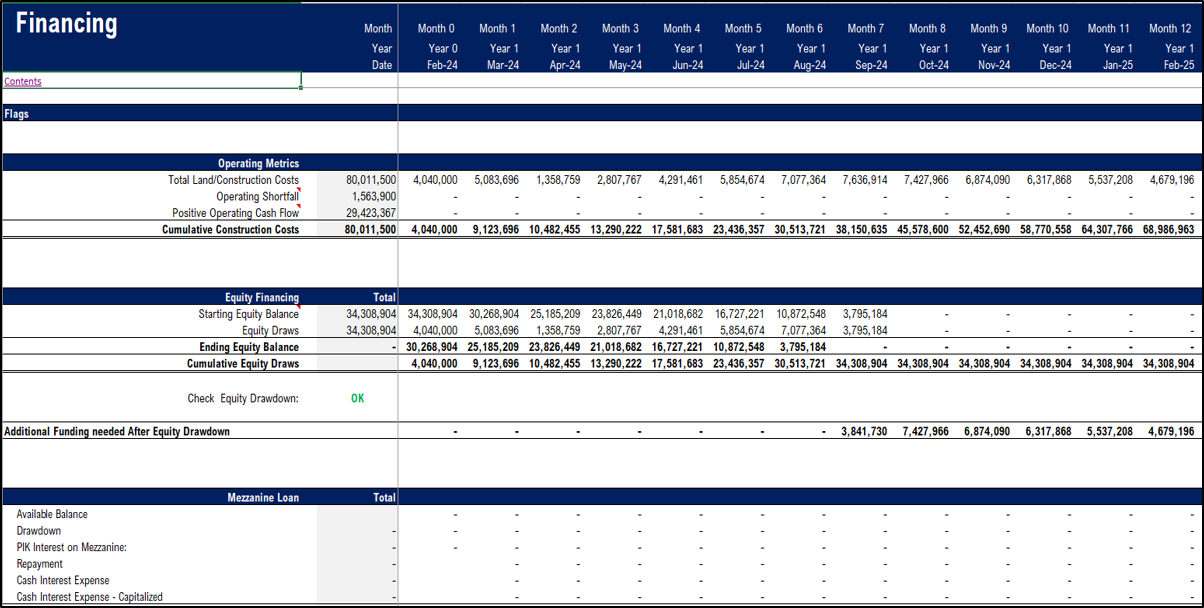
  • Sequential Funding Strategy: Funding draws occur in a tiered approach—equity first, followed by mezzanine debt (if any), and finally, the construction loan, mirroring industry-standard financing structures.
  • Mezzanine Loan Structure: Designed to fill funding gaps, with flexible interest payment options linked to operational cash flow and provisions for capitalization of unpaid interest.
  • Construction Loan Dynamics: Activates upon exhaustion of prior funding layers with interest treatment options aligned with cash flow realities, ensuring a practical financial plan.
  • Permanent Loan Conversion: Upon transitioning to permanent financing, outstanding construction and mezzanine debts are settled, with visual alerts for any funding deficits, ensuring immediate awareness and action.
Equity Waterfall Analysis:
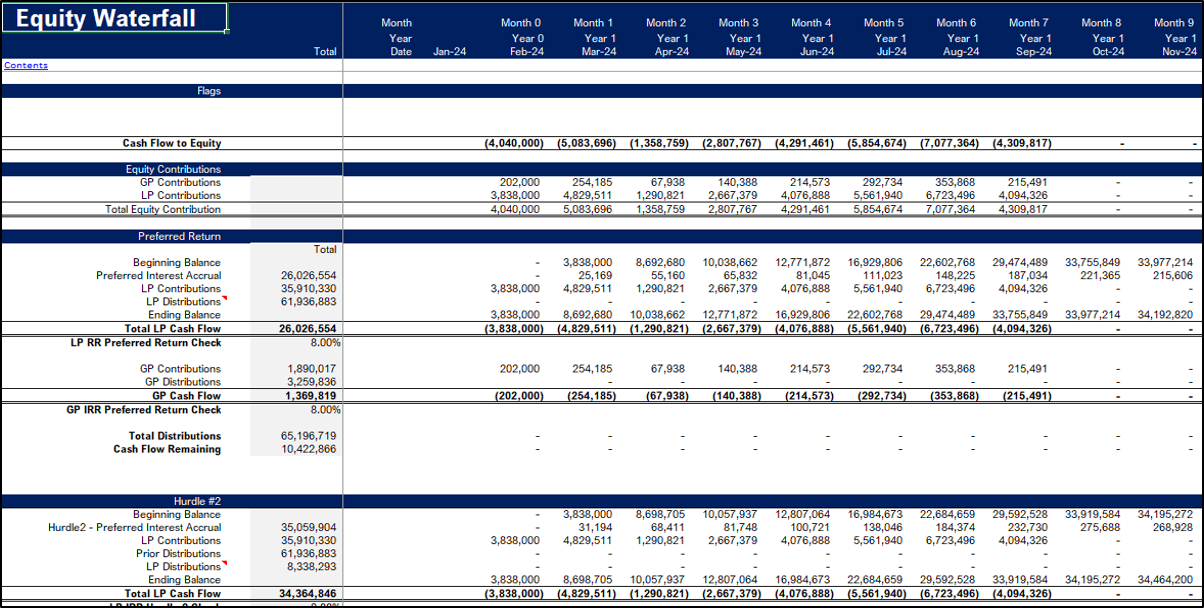
The waterfall distribution function offers users the flexibility to select between two to four tiers for the allocation of capital among limited and general partners. This feature enhances clarity in articulating investment returns and equitably distributing partnership equity stakes.
Instructions:
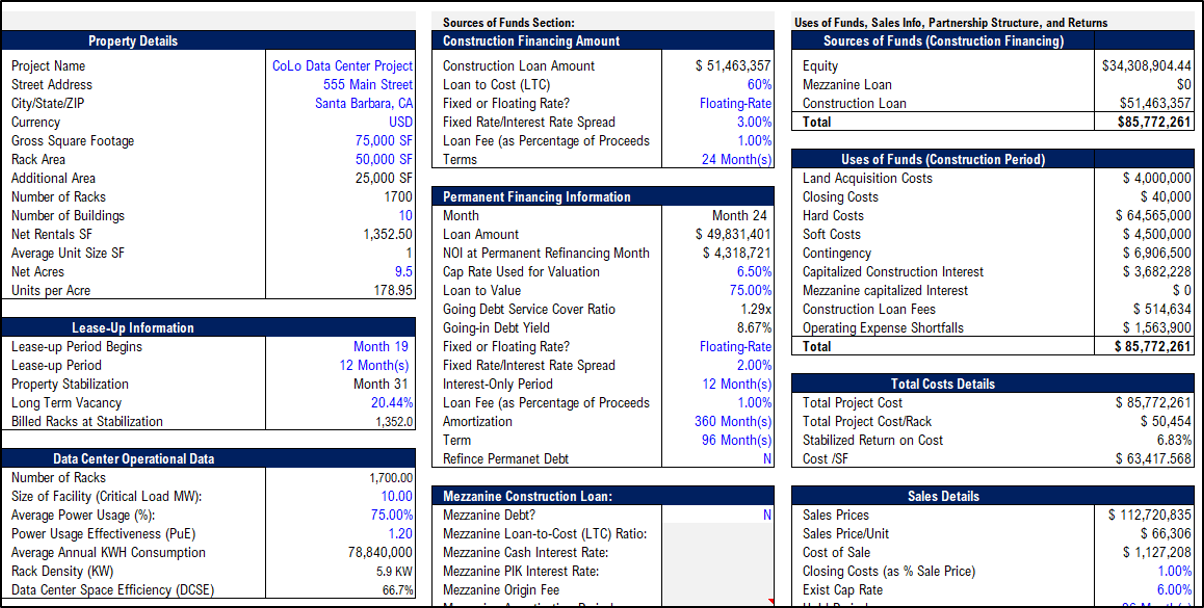
  • Input information only into cells formatted with dark blue font on the ‘Investment Summary’ and ‘Assumptions’ sheets. Cells with black text contain formulas.
  • The template includes data from a hypothetical property for demonstration purposes, which should be removed when evaluating an actual property.
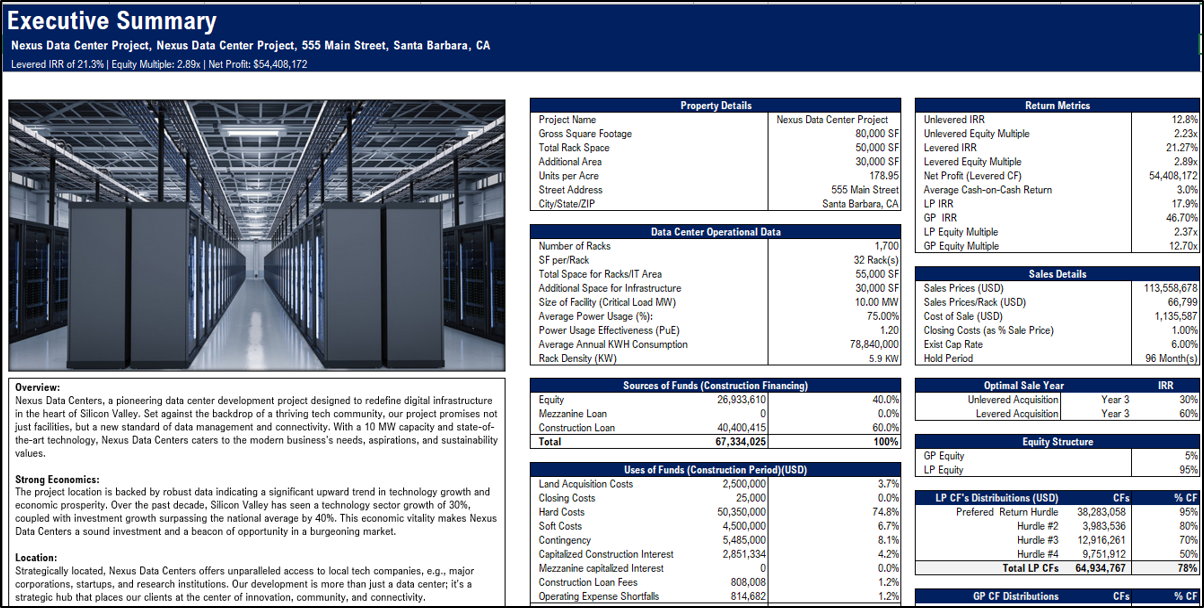
  • The ‘Investment Summary’ sheet provides a snapshot of the property, incorporating various essential metrics and assumptions.
  • Additional parameters can be set in the ‘Assumptions’ sheet.
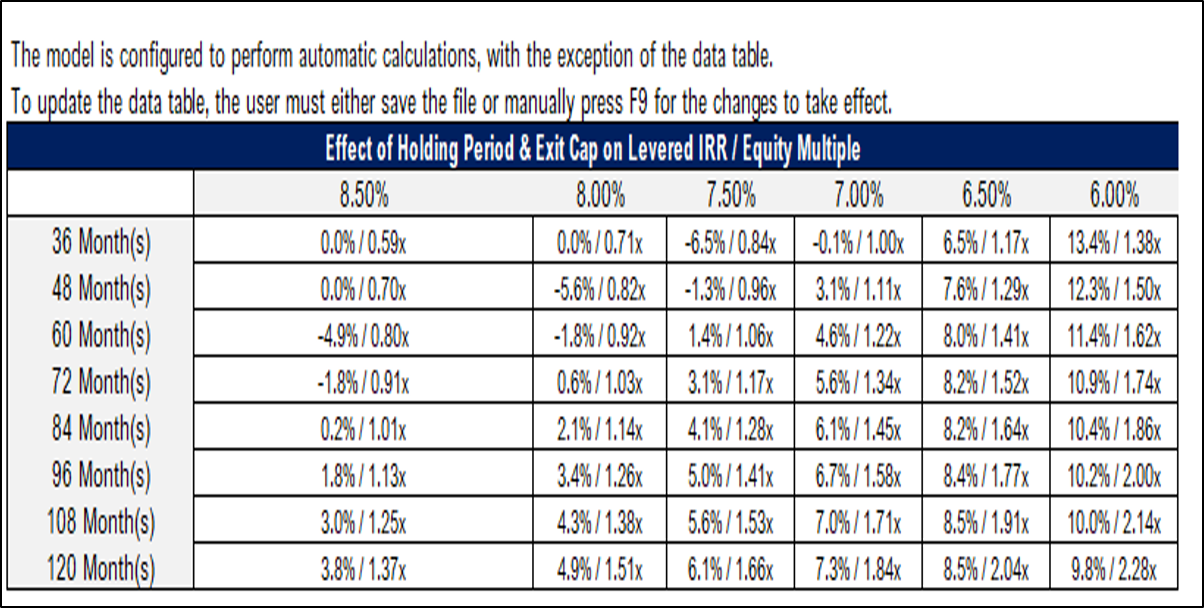
  • The model capitalizes the Net Operating Income (NOI) of the 12 months following disposition and divides it by the exit cap rate to determine the sale value.
  • The maximum time frame this model accommodates is twenty (20) years.
  • For the ‘Construction Budget,’ allocate the budget across the various categories listed in the ‘Assumptions’ sheet.

This Best Practice includes
1 Excel File Template

Acquire business license for $120.00

Add to cart

Add to bookmarks

Discuss

Further information

Evaluate the feasibility of a Data Center property development project (with Rack Space lease-up and selling options) from an investment/investor point of view, taking into account various parameters such as operational, leverage capital expenditures, equity structure, etc..

Real Estate Development of a Data Center project, with some slight adaptation, can also be applied to other real estate investments.

Does not work well for non-real estate businesses.


0.0 / 5 (0 votes)

please wait...