Publication number: ELQ-87123-1
View all versions & Certificate

Trade Business Dashboard
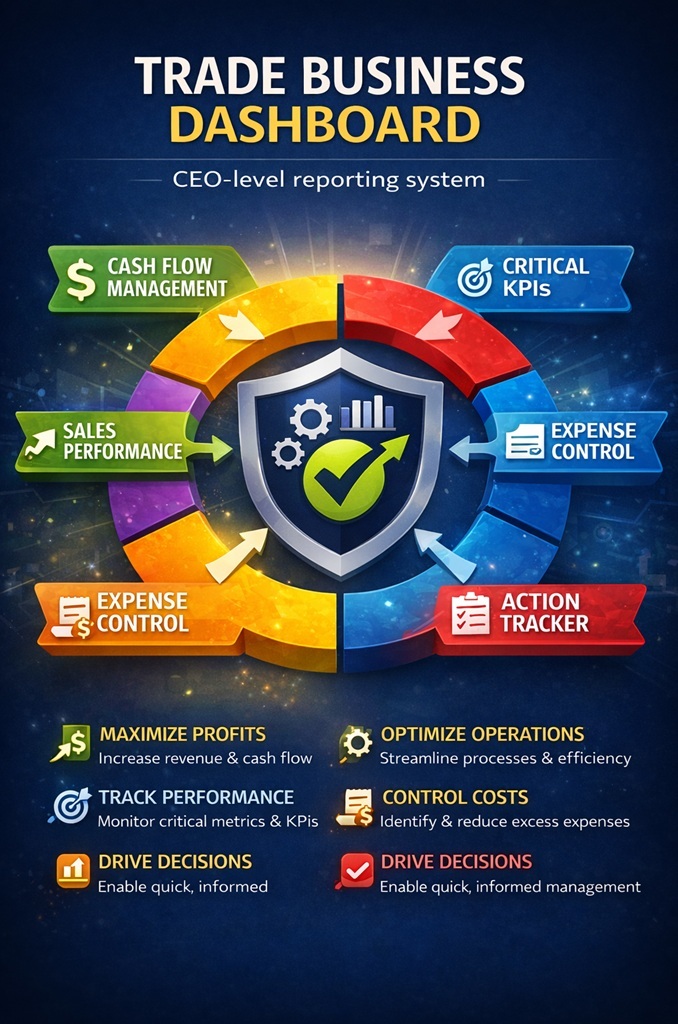
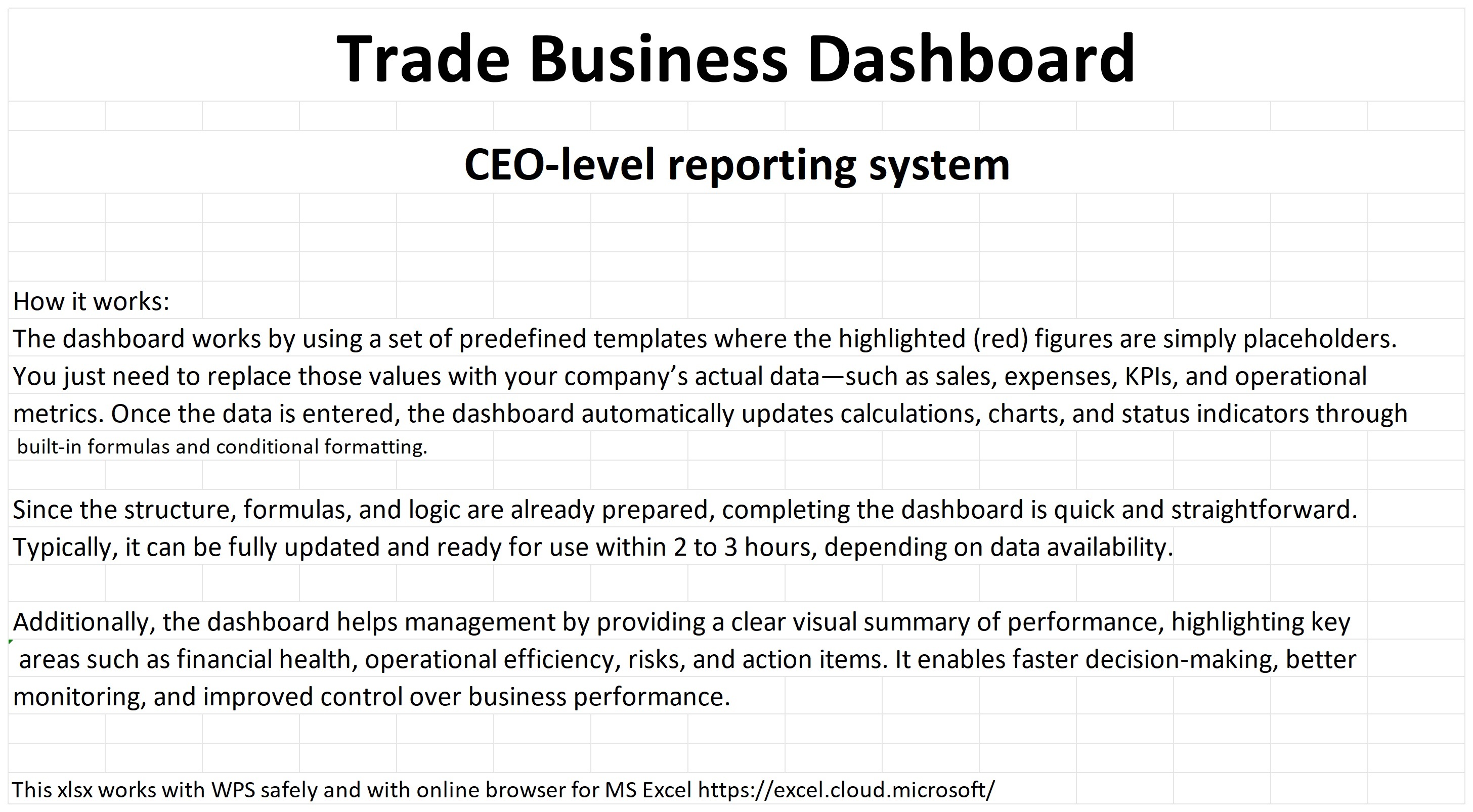
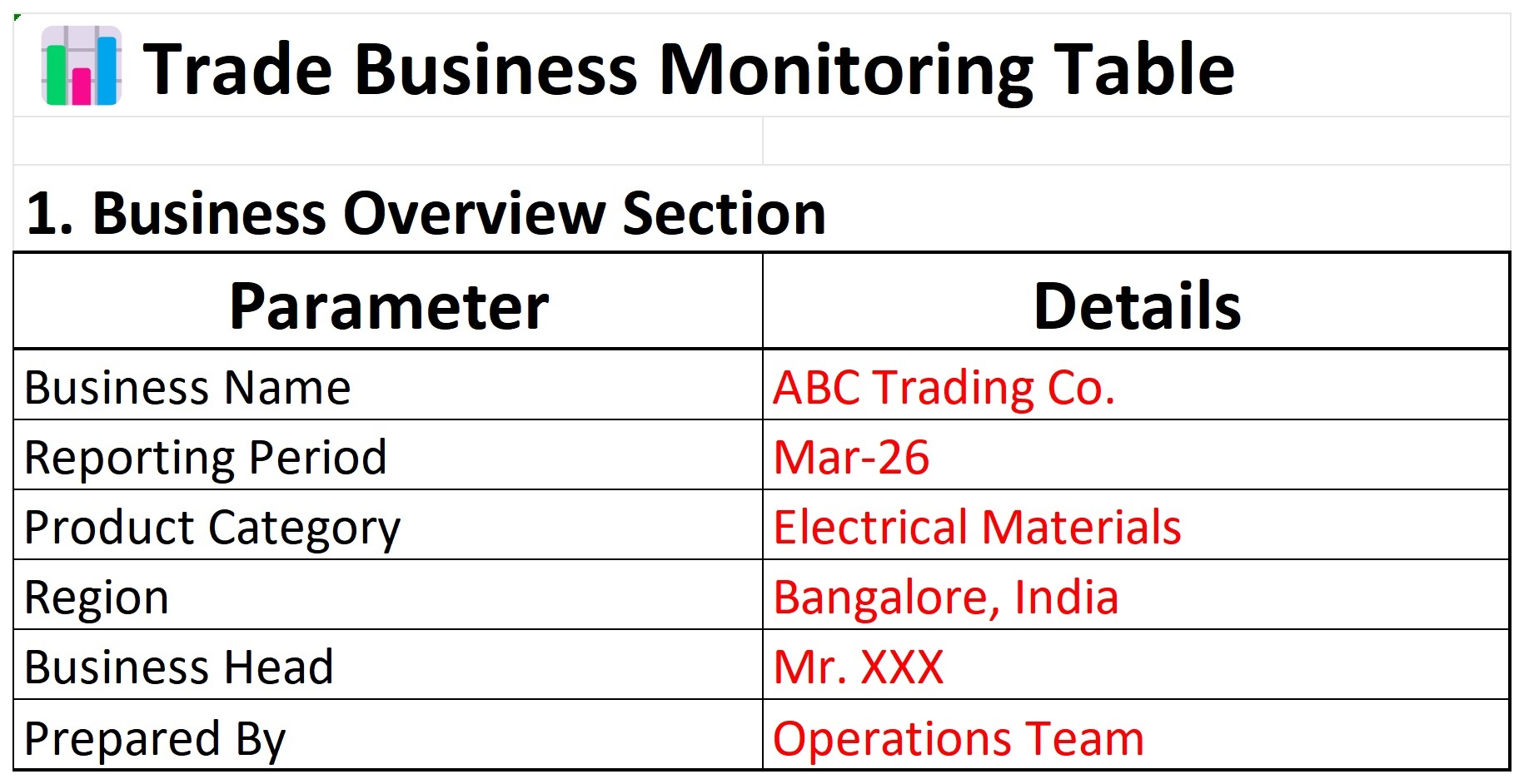
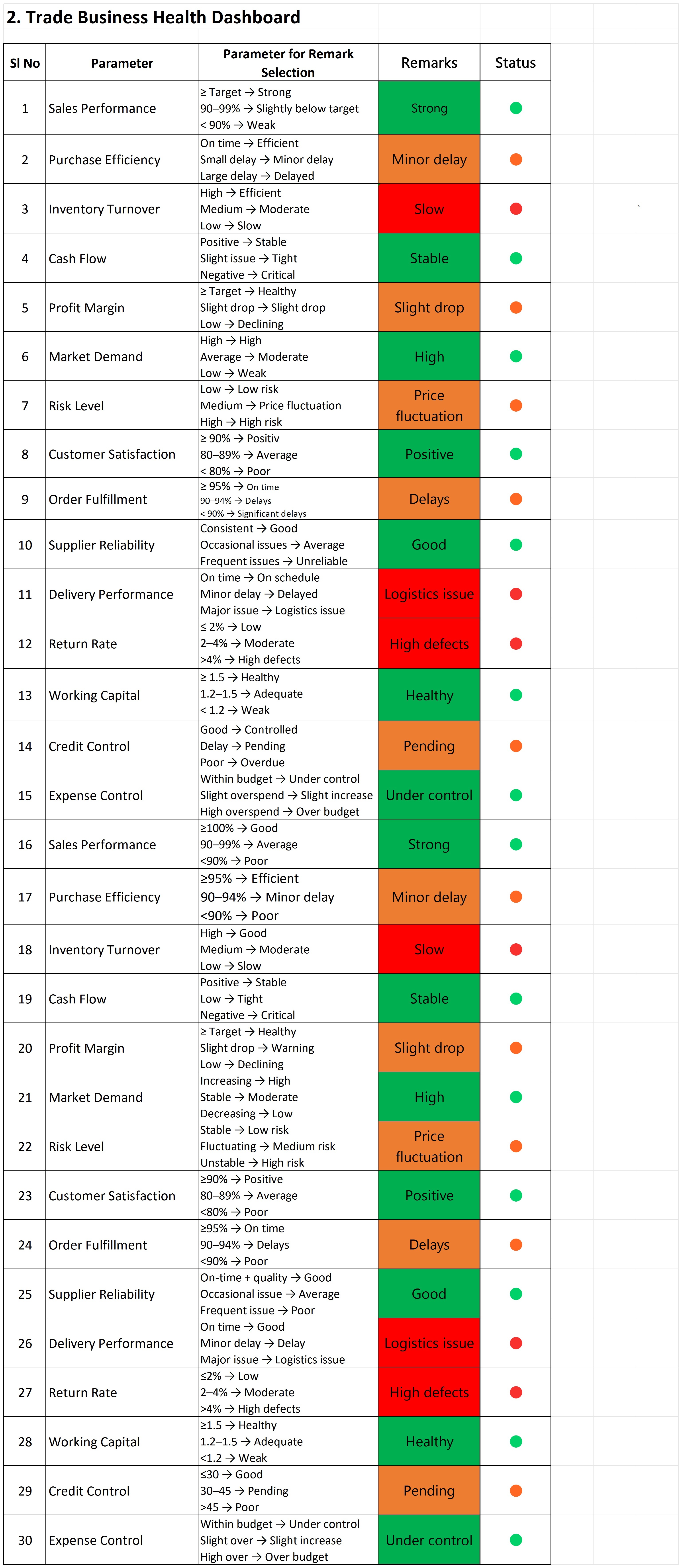
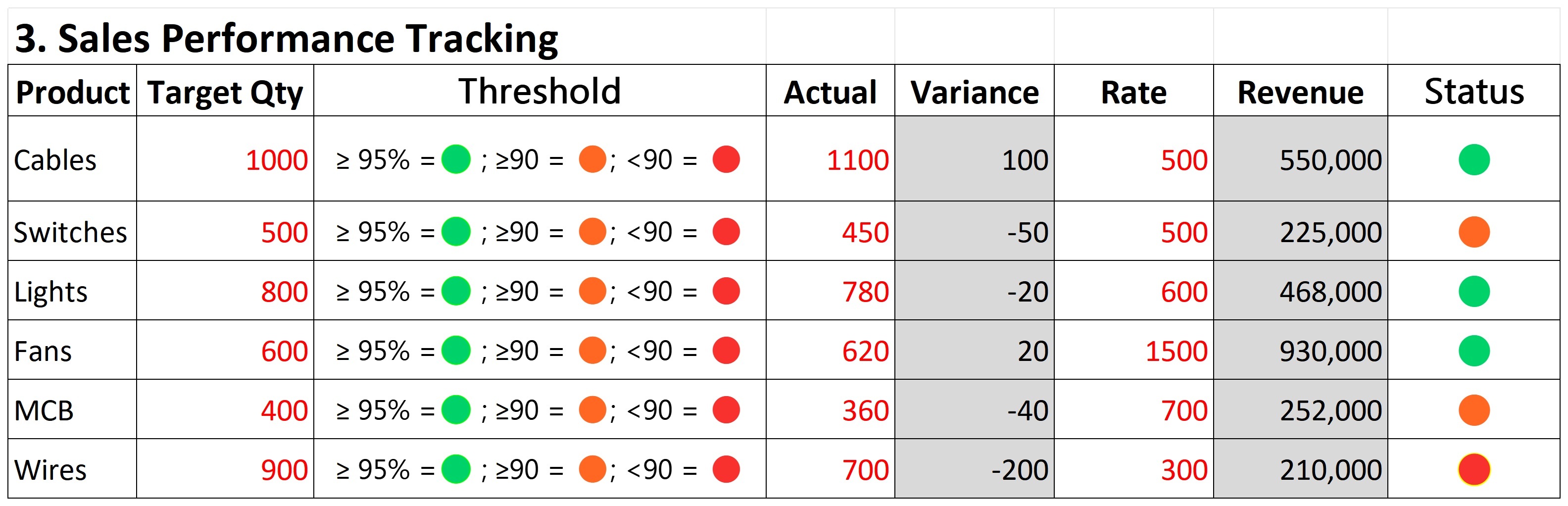
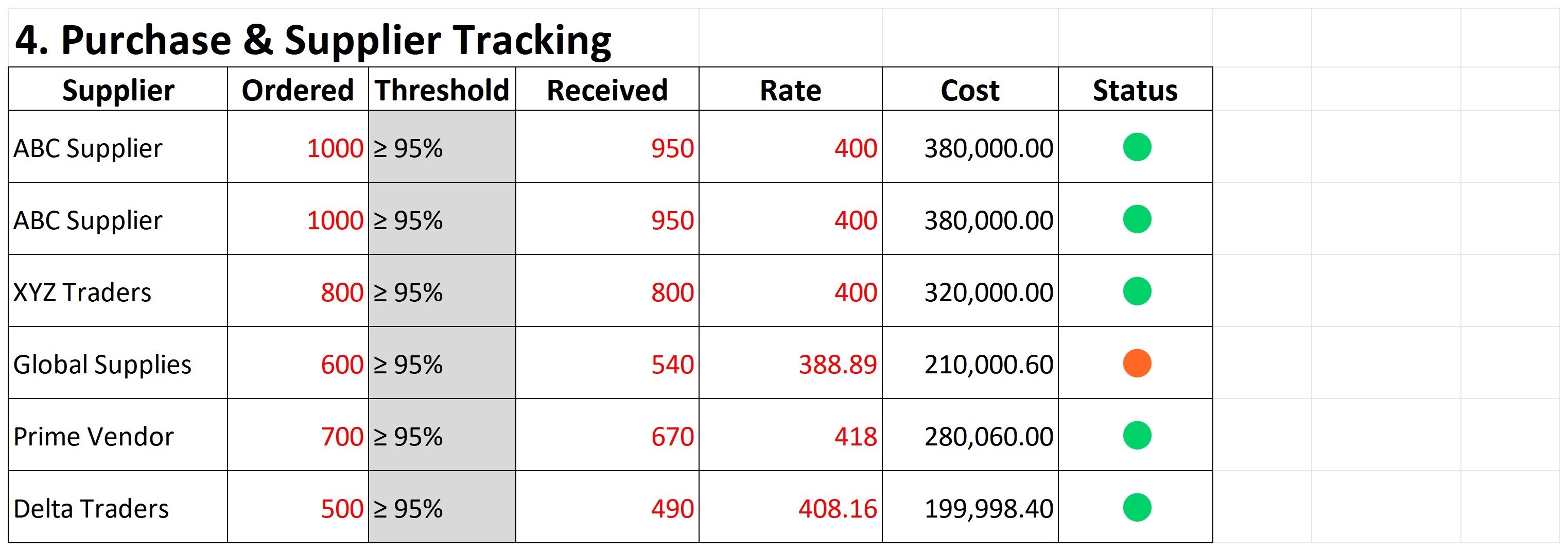
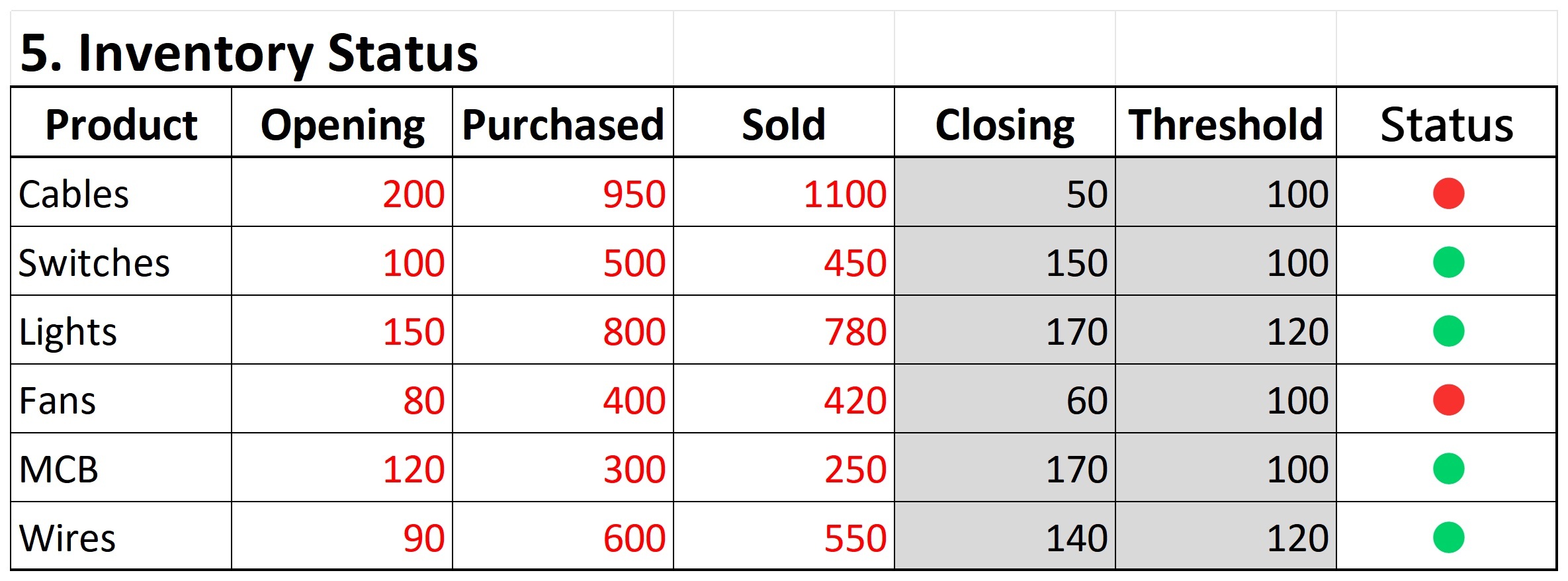
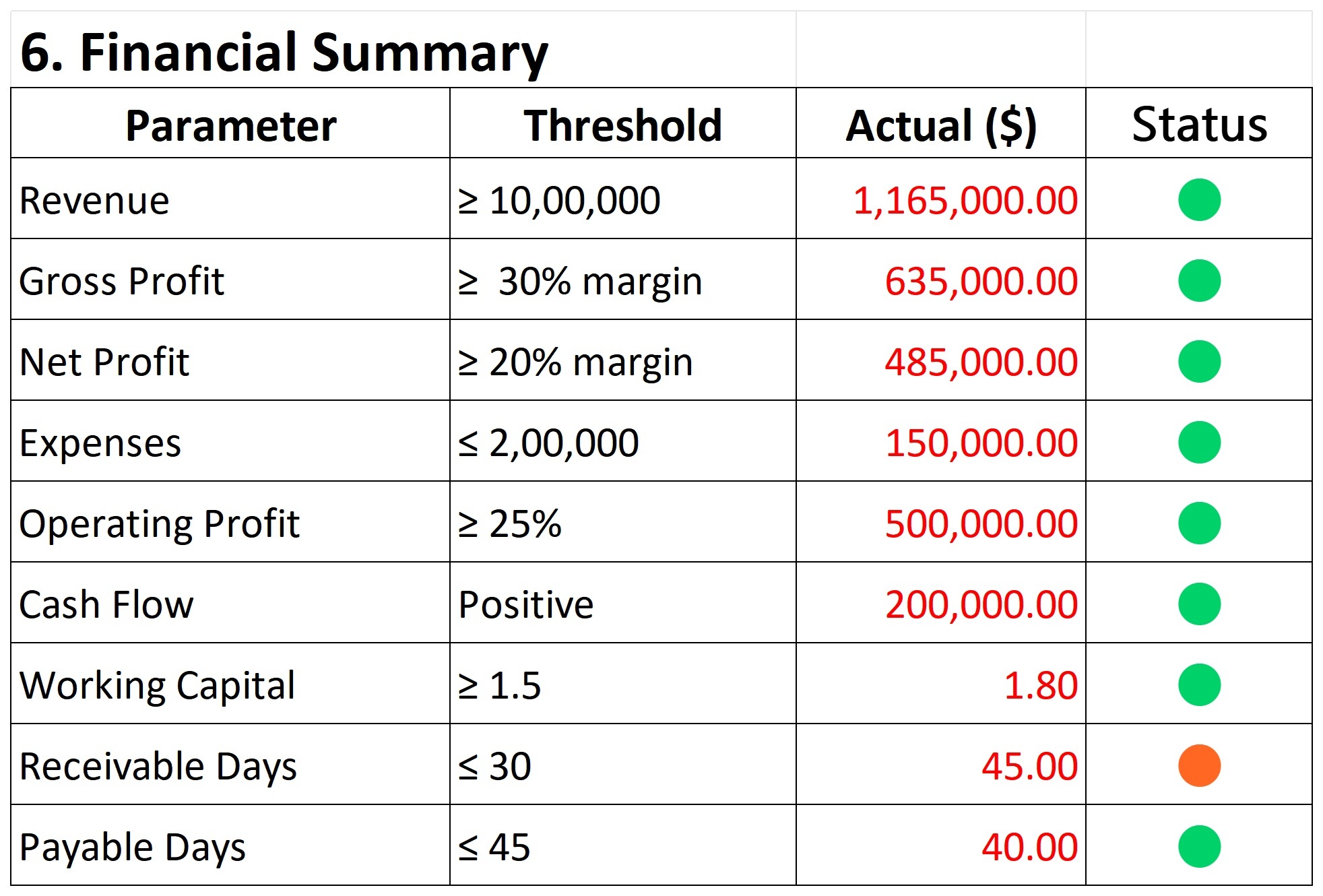
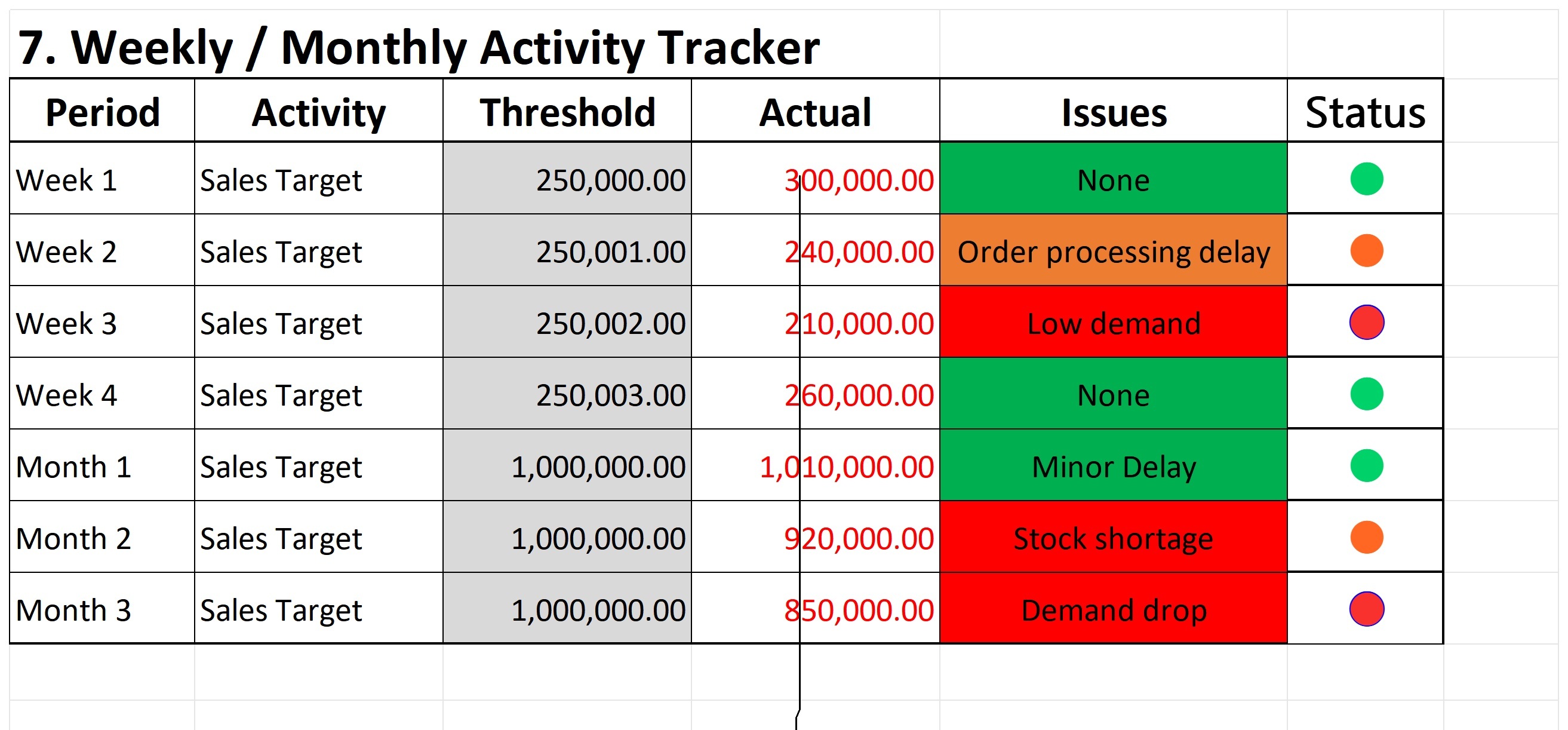
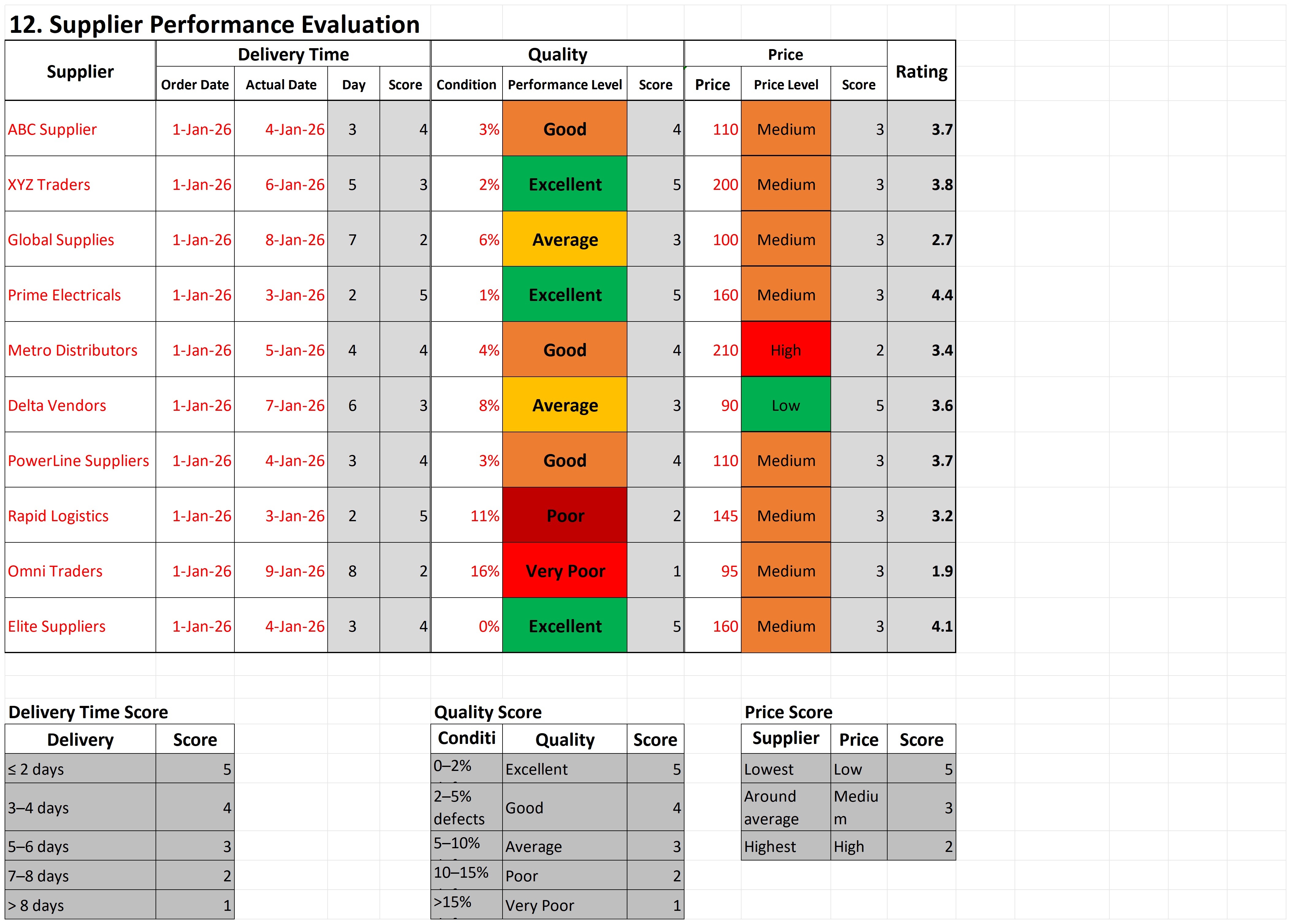
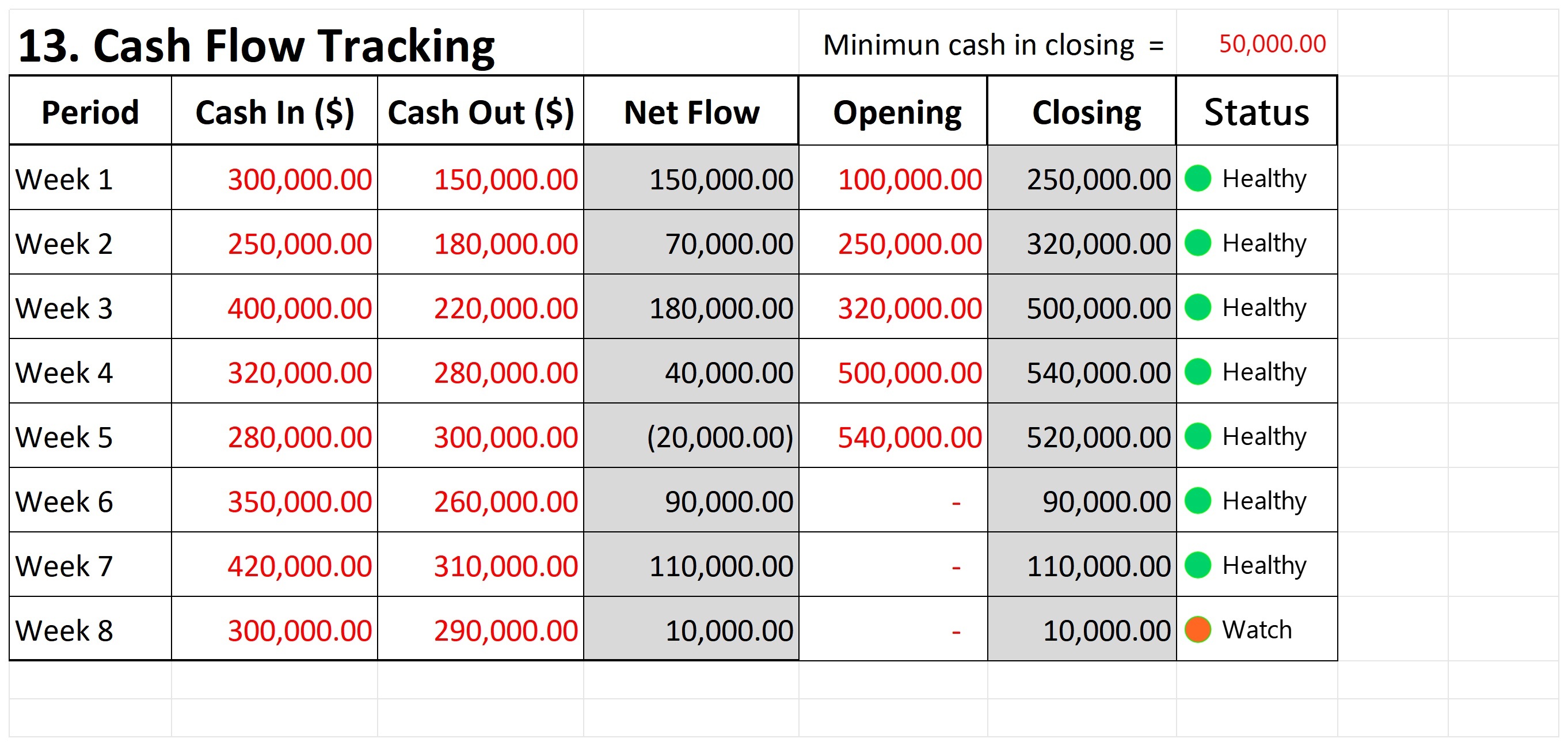
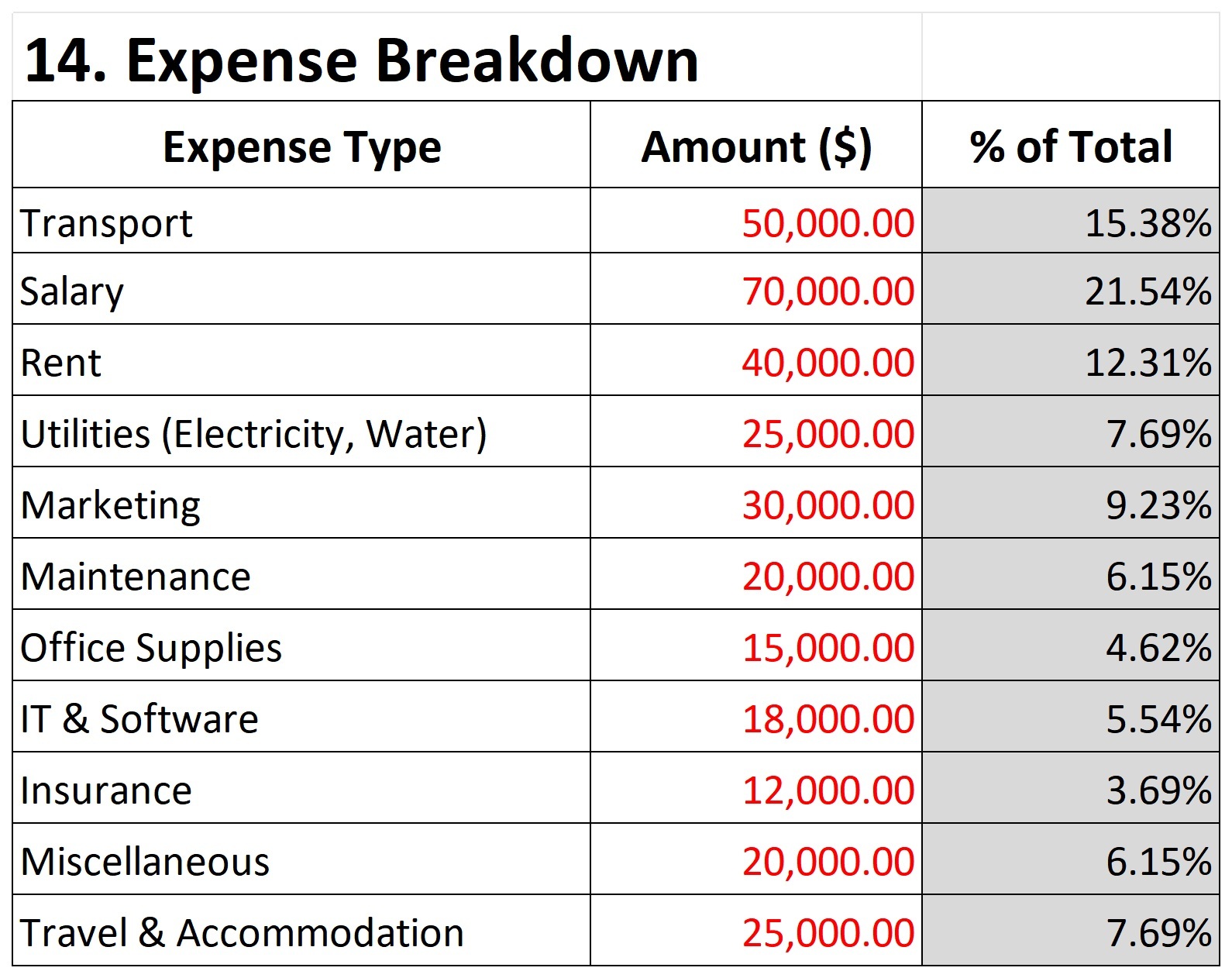
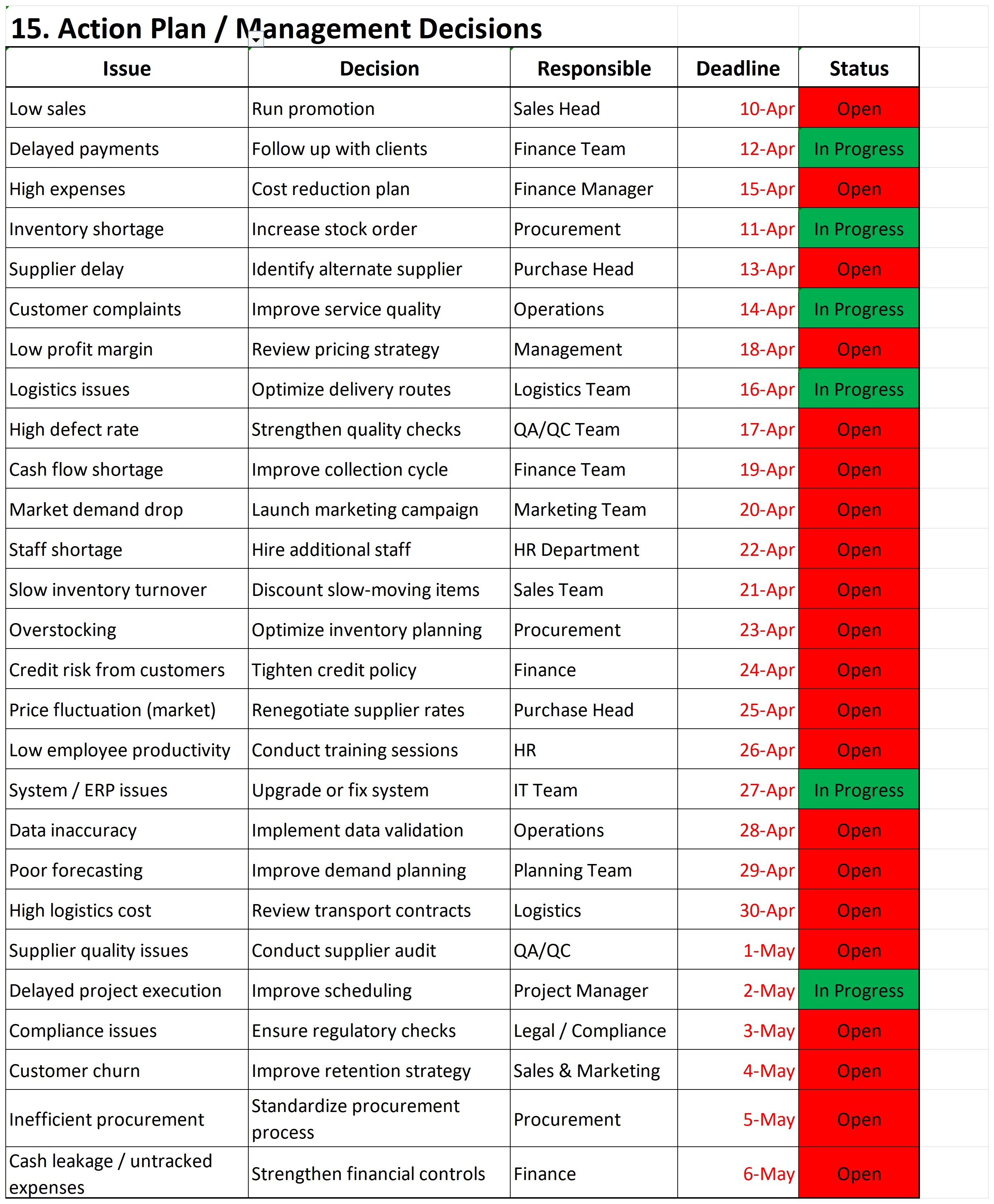
A Trade Business Dashboard is a centralized, real-time visual tool that provides key insights into trading operations, including sales performance, procurement
 by Abdul Ghafur BE MD CCM PMP PBA
Project Management Professional | Board-Level Dashboard Expert Project Dashboard ExpertFollow
Further information
To establish a standardized and structured approach for managing trade operations efficiently and consistently across the organization.
To provide clear guidance on governance, roles, responsibilities, and approval hierarchies for improved accountability and control.
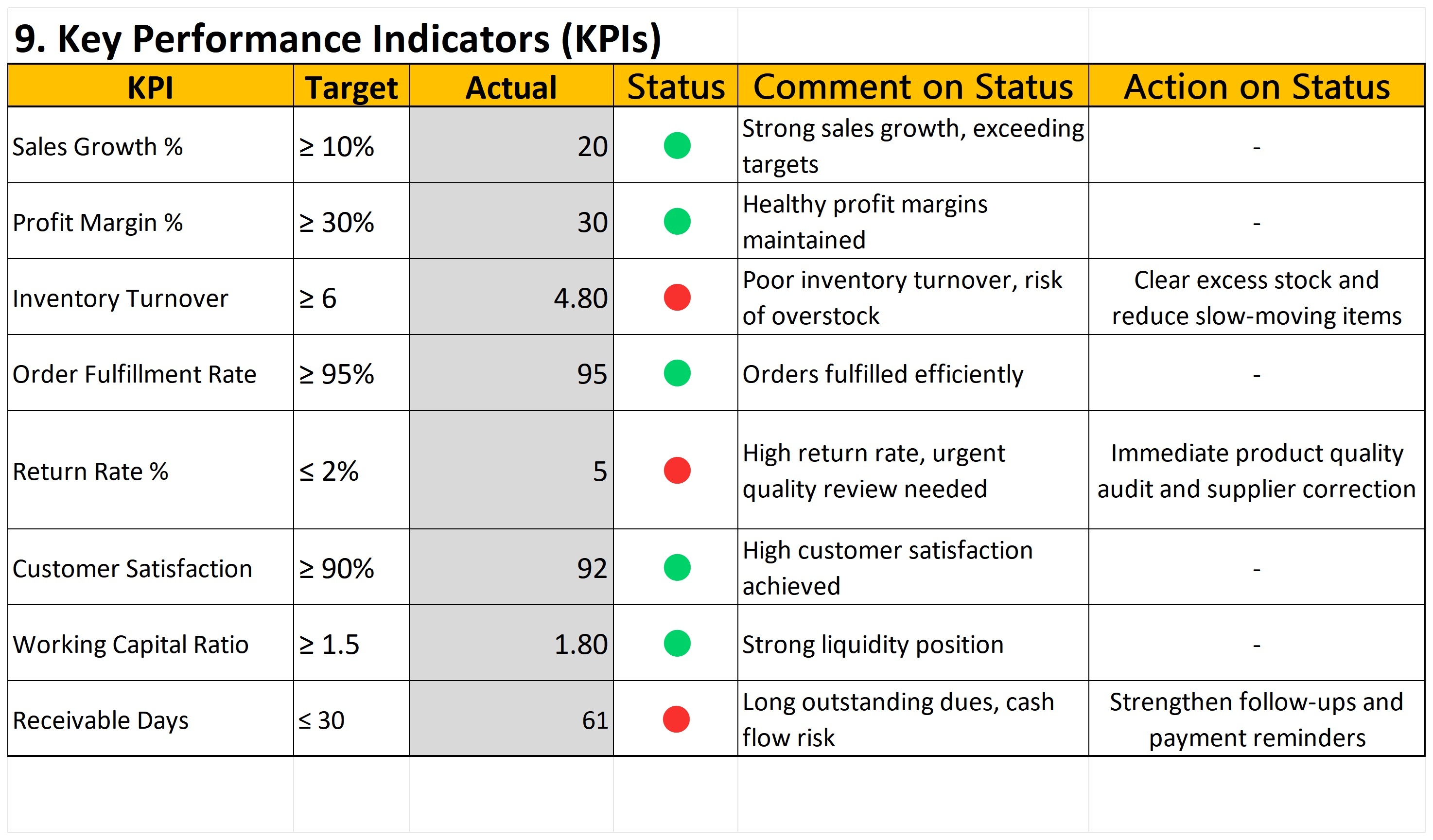
To enhance visibility of key performance indicators (KPIs) through effective use of dashboards and reporting tools.
To support data-driven decision-making by integrating real-time insights from sales, procurement, finance, and market trends.
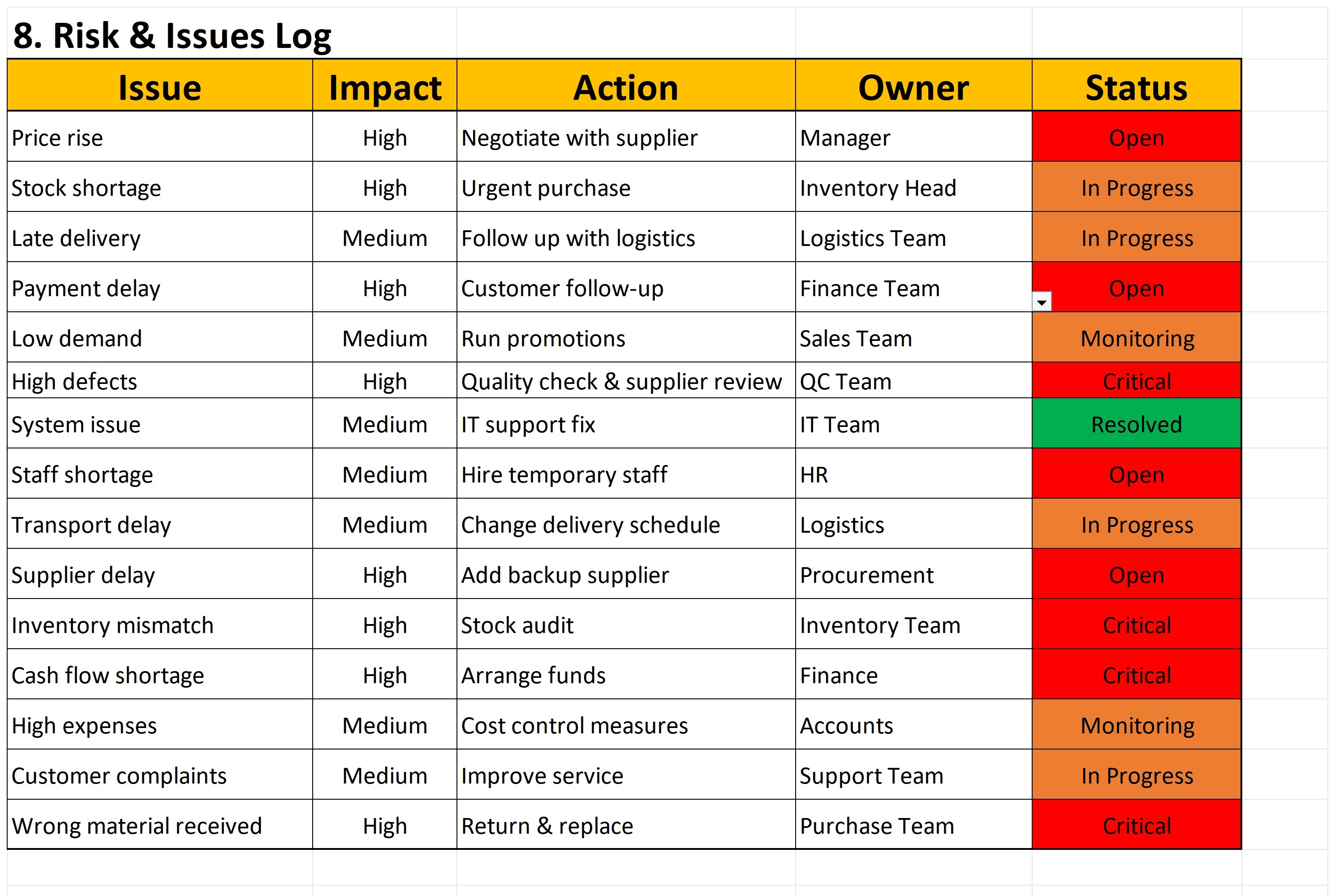
To identify, assess, and mitigate risks proactively within the trade lifecycle.
To optimize resource utilization, cost efficiency, and profitability through best-in-class practices.
To strengthen supplier and stakeholder collaboration by defining transparent processes and expectations.
To ensure compliance with internal policies, contractual obligations, and regulatory requirements.
To drive continuous improvement by incorporating feedback, performance analysis, and benchmarking.
To enable scalability and adaptability of trade operations in a dynamic and competitive business environment.
When the organization operates in a complex trade environment involving multiple suppliers, customers, and geographies.
When there is a need for standardization of processes across procurement, sales, logistics, and finance functions.
In businesses with high transaction volumes, where real-time monitoring and control are critical.
When data-driven decision-making is a priority, supported by integrated systems and dashboards.
In environments requiring strong governance, risk management, and compliance with contractual and regulatory frameworks.
When organizations are aiming to improve transparency and accountability across departments and stakeholders.
In situations where cost optimization, margin improvement, and working capital management are key business drivers.
When there is a need to enhance supplier performance and collaboration within a structured ecosystem.
For organizations undergoing digital transformation or process automation initiatives.
When leadership requires timely, accurate, and actionable insights to respond to market dynamics and competitive pressures.
In small-scale or low-volume trade operations where simple, informal processes are sufficient and a structured dashboard would add unnecessary complexity.
When the organization lacks reliable or integrated data systems, making real-time reporting and analytics ineffective.
In environments with highly unstable or unstructured processes, where standardization is not yet feasible.
When there is limited digital maturity or resistance to adopting technology-driven tools and dashboards.
In businesses with minimal governance requirements, where formal risk management and approval hierarchies are not critical.
When decision-making is largely ad-hoc or relationship-driven, rather than based on data and defined processes.
In cases where cost of implementation outweighs the benefits, particularly for short-term or one-off trading activities.
When there is insufficient skilled personnel to manage, interpret, and maintain dashboard systems effectively.
In organizations with very narrow or single-product focus, where complex performance tracking is unnecessary.
During early-stage operations where the priority is market entry and survival, rather than optimization and structured governance.