






Originally published: 22/04/2025 08:43
Publication number: ELQ-24214-1
View all versions & Certificate
Publication number: ELQ-24214-1
View all versions & Certificate

QHSE Handbook
"Standardized handbook for QHSE policies, procedures, compliance, and improvement."
Description
Objective:
Establish a comprehensive and standardized approach to Quality, Health, Safety, and Environment (QHSE) management within your organization with our QHSE Handbook. This essential resource provides guidelines, procedures, and best practices to ensure consistent compliance with regulatory requirements, promote a safe and healthy work environment, and minimize environmental impact.
About the QHSE Handbook:
Our QHSE Handbook serves as a central repository of policies, procedures, and guidelines related to QHSE management. It is designed to provide employees, contractors, and stakeholders with clear expectations and guidance on QHSE practices, fostering a culture of accountability, responsibility, and continuous improvement.
Key Components:
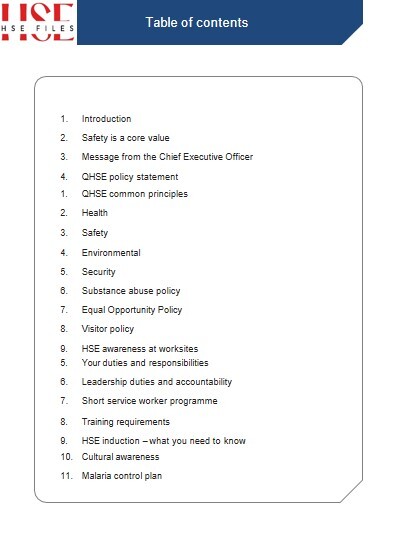
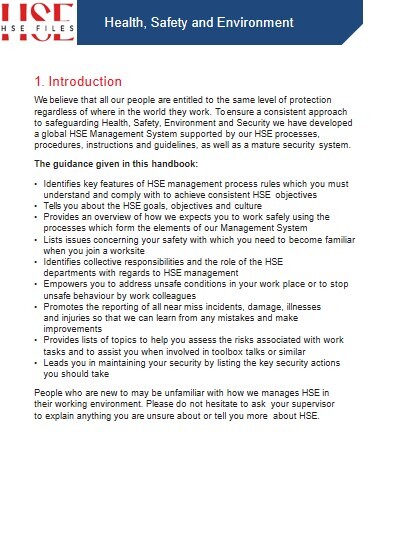
Introduction: Provides an overview of the purpose, scope, and objectives of the QHSE Handbook, emphasizing the organization's commitment to QHSE excellence.
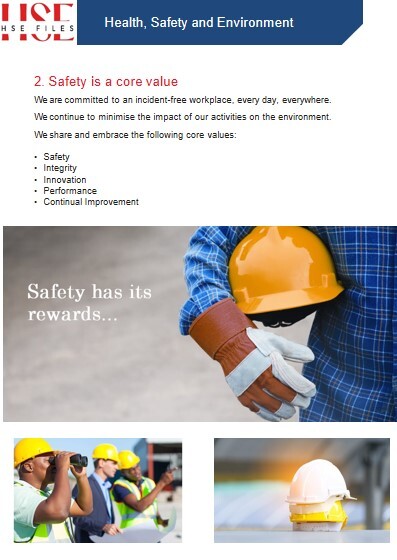
Policy Statements: Articulates the organization's commitment to QHSE management, outlining principles, values, and objectives related to quality, health, safety, and environmental protection.
Roles and Responsibilities: Defines the roles and responsibilities of employees, supervisors, managers, and other stakeholders in implementing and maintaining QHSE practices.
QHSE Management System: Describes the organization's QHSE management system, including its structure, processes, and procedures for identifying, assessing, and managing QHSE risks.
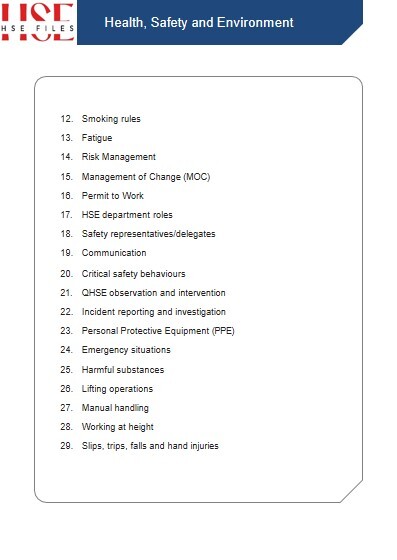
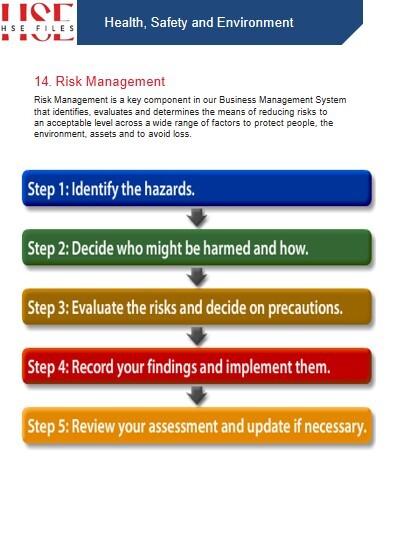
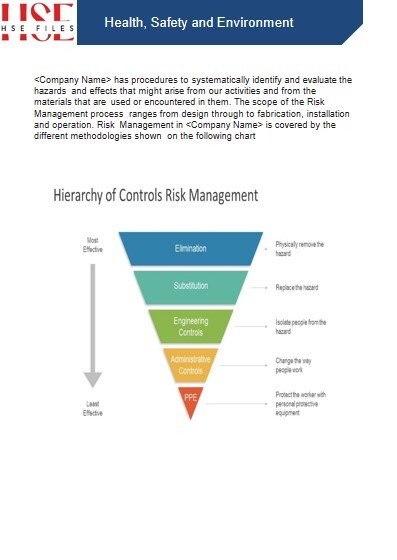
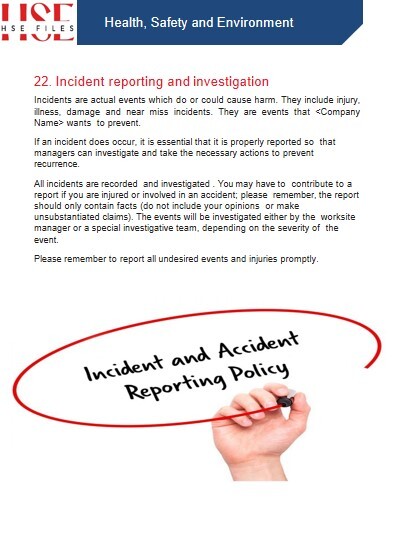
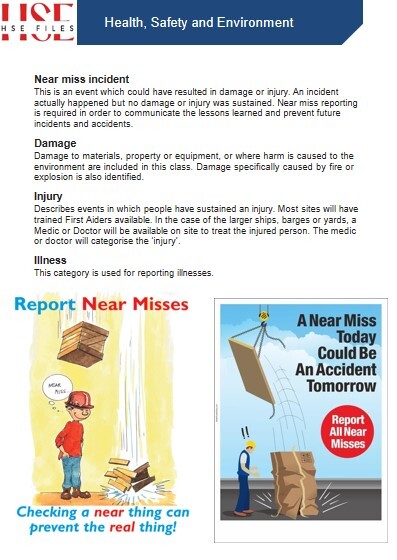
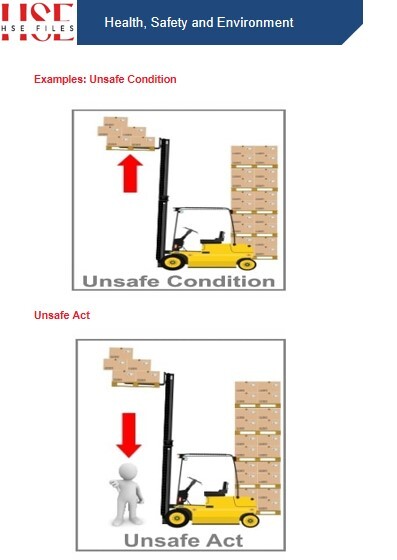
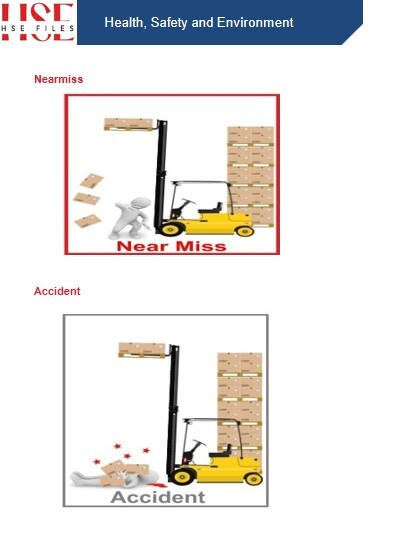
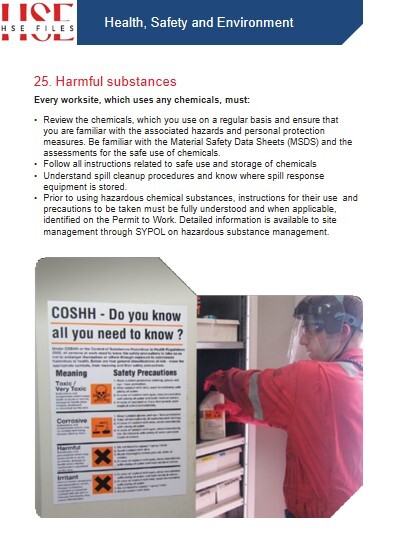
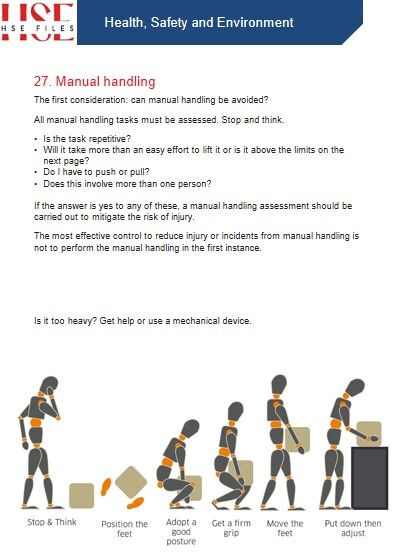
Risk Management: Provides guidance on risk assessment methodologies, hazard identification, risk mitigation strategies, and incident reporting and investigation procedures.
Compliance Requirements: Summarizes relevant laws, regulations, standards, and industry best practices governing QHSE management, ensuring organizational compliance.
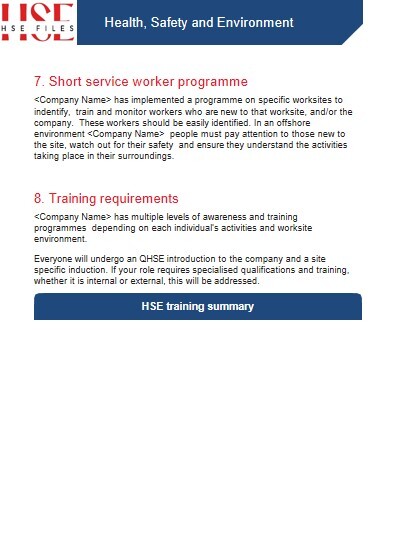
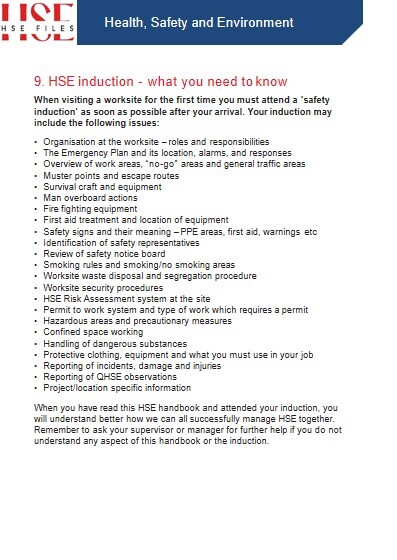
Training and Awareness: Outlines training programs, competency requirements, and awareness initiatives to ensure that employees understand their QHSE responsibilities and obligations.
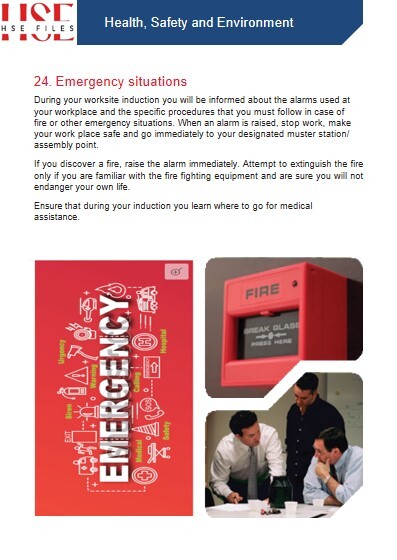
Emergency Preparedness and Response: Provides procedures for responding to emergencies, including evacuation plans, emergency contact information, and communication protocols.
Monitoring and Measurement: Defines key performance indicators (KPIs), metrics, and monitoring procedures to track QHSE performance and identify areas for improvement.
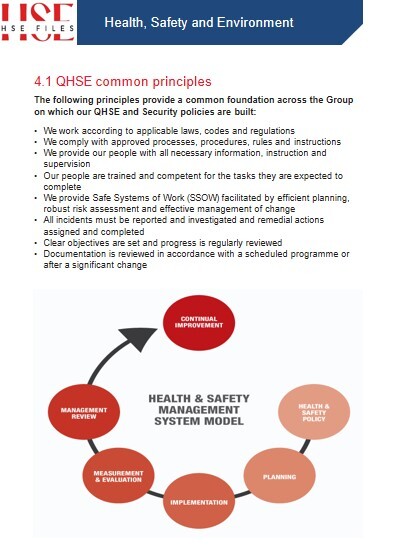
Continuous Improvement: Promotes a culture of continuous improvement by encouraging feedback, conducting audits and inspections, and implementing corrective and preventive actions.
Benefits:
Establishes clear expectations and guidelines for QHSE management, promoting consistency and standardization across the organization.
Enhances compliance with regulatory requirements and industry standards, reducing the risk of fines, penalties, and legal liabilities.
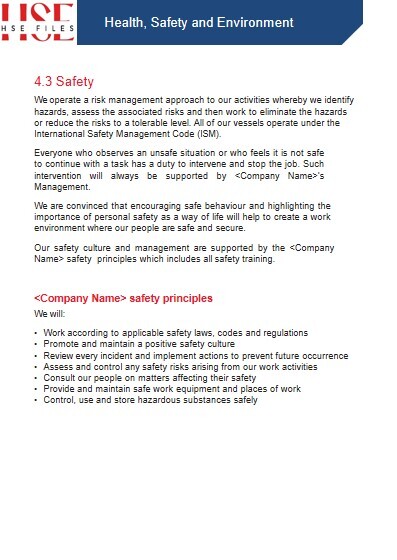
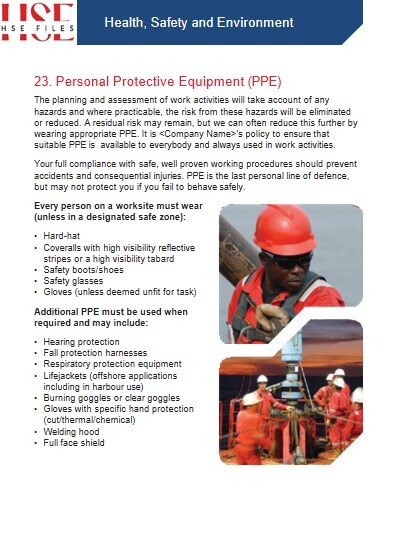
Fosters a safe and healthy work environment, minimizing the risk of accidents, injuries, and occupational illnesses.
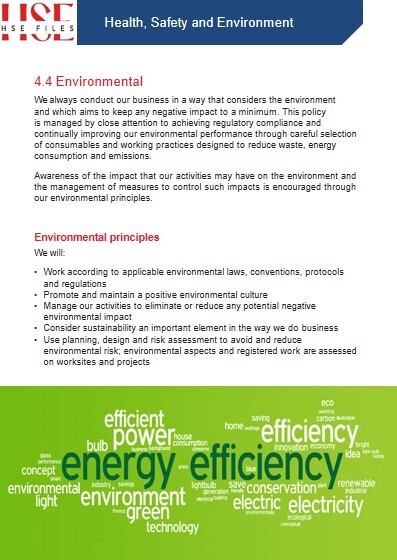
Improves environmental stewardship by minimizing the organization's environmental footprint and promoting sustainable practices.
Enhances stakeholder confidence and trust by demonstrating a commitment to QHSE excellence and responsible business practices.
Stakeholder Feedback:
Explore testimonials from organizations that have implemented our QHSE Handbook and witnessed improvements in QHSE performance, compliance, and organizational culture.
Objective:
Establish a comprehensive and standardized approach to Quality, Health, Safety, and Environment (QHSE) management within your organization with our QHSE Handbook. This essential resource provides guidelines, procedures, and best practices to ensure consistent compliance with regulatory requirements, promote a safe and healthy work environment, and minimize environmental impact.
About the QHSE Handbook:
Our QHSE Handbook serves as a central repository of policies, procedures, and guidelines related to QHSE management. It is designed to provide employees, contractors, and stakeholders with clear expectations and guidance on QHSE practices, fostering a culture of accountability, responsibility, and continuous improvement.
Key Components:
Introduction: Provides an overview of the purpose, scope, and objectives of the QHSE Handbook, emphasizing the organization's commitment to QHSE excellence.
Policy Statements: Articulates the organization's commitment to QHSE management, outlining principles, values, and objectives related to quality, health, safety, and environmental protection.
Roles and Responsibilities: Defines the roles and responsibilities of employees, supervisors, managers, and other stakeholders in implementing and maintaining QHSE practices.
QHSE Management System: Describes the organization's QHSE management system, including its structure, processes, and procedures for identifying, assessing, and managing QHSE risks.
Risk Management: Provides guidance on risk assessment methodologies, hazard identification, risk mitigation strategies, and incident reporting and investigation procedures.
Compliance Requirements: Summarizes relevant laws, regulations, standards, and industry best practices governing QHSE management, ensuring organizational compliance.
Training and Awareness: Outlines training programs, competency requirements, and awareness initiatives to ensure that employees understand their QHSE responsibilities and obligations.
Emergency Preparedness and Response: Provides procedures for responding to emergencies, including evacuation plans, emergency contact information, and communication protocols.
Monitoring and Measurement: Defines key performance indicators (KPIs), metrics, and monitoring procedures to track QHSE performance and identify areas for improvement.
Continuous Improvement: Promotes a culture of continuous improvement by encouraging feedback, conducting audits and inspections, and implementing corrective and preventive actions.
Benefits:
Establishes clear expectations and guidelines for QHSE management, promoting consistency and standardization across the organization.
Enhances compliance with regulatory requirements and industry standards, reducing the risk of fines, penalties, and legal liabilities.
Fosters a safe and healthy work environment, minimizing the risk of accidents, injuries, and occupational illnesses.
Improves environmental stewardship by minimizing the organization's environmental footprint and promoting sustainable practices.
Enhances stakeholder confidence and trust by demonstrating a commitment to QHSE excellence and responsible business practices.
Stakeholder Feedback:
Explore testimonials from organizations that have implemented our QHSE Handbook and witnessed improvements in QHSE performance, compliance, and organizational culture.
This Best Practice includes
1 Power Point Slide