


Originally published: 22/04/2025 08:49
Publication number: ELQ-58935-1
View all versions & Certificate
Publication number: ELQ-58935-1
View all versions & Certificate

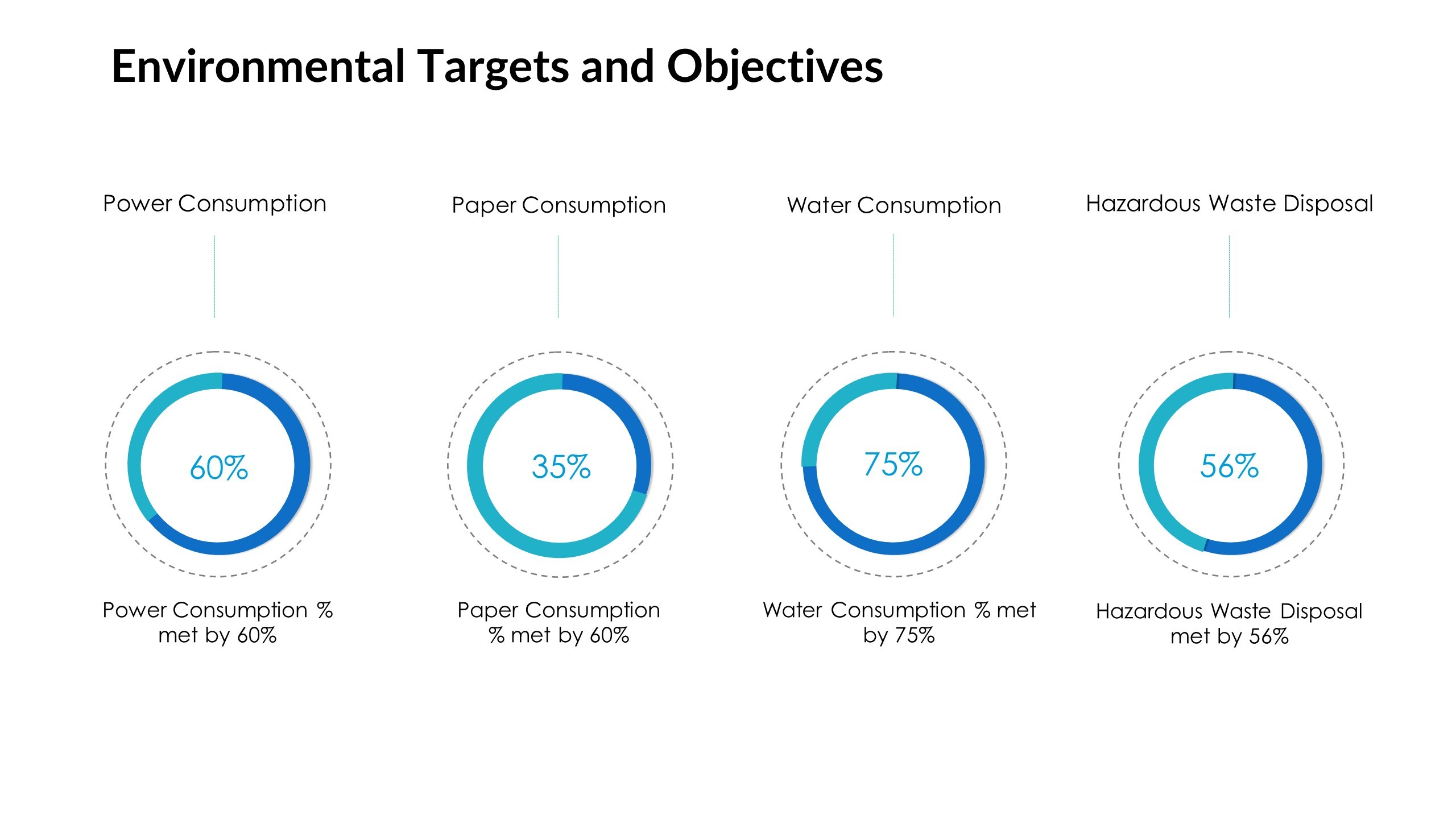
QHSE Targets and Objectives
"Defines clear QHSE goals, driving performance, compliance, and continuous improvement."
Description
Objective:
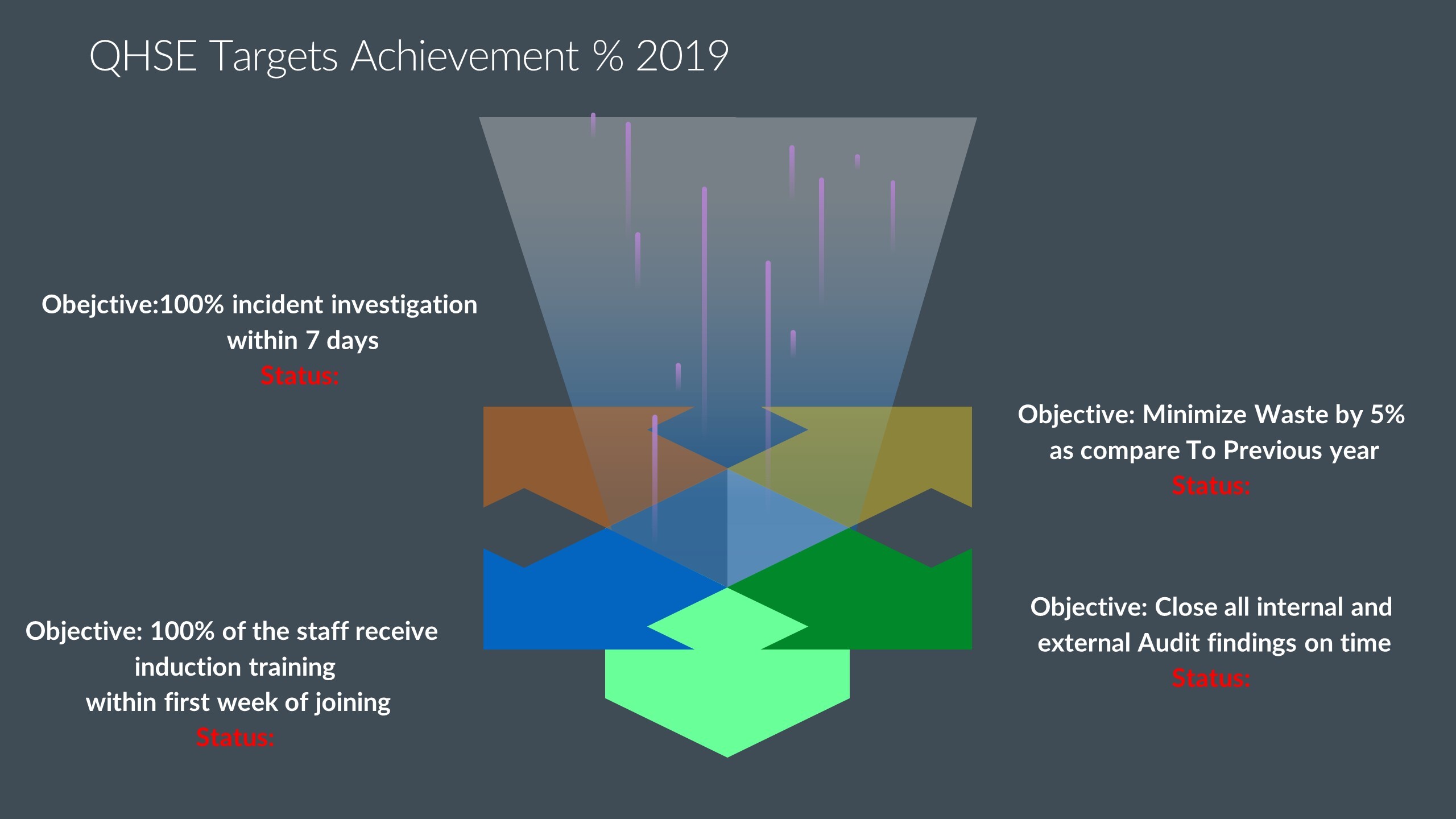
Illuminate your organization's path towards Quality, Health, Safety, and Environment (QHSE) excellence with our QHSE Targets and Objectives framework. This comprehensive strategy outlines clear and measurable targets and objectives across all QHSE domains, guiding your organization towards continuous improvement and sustainable performance.
About QHSE Targets and Objectives:
Our QHSE Targets and Objectives framework provides a roadmap for setting, monitoring, and achieving key performance indicators (KPIs) related to quality, health, safety, and environmental stewardship. By aligning goals with organizational priorities and industry standards, this framework empowers your organization to enhance QHSE practices, mitigate risks, and maximize operational efficiency.
Key Components:
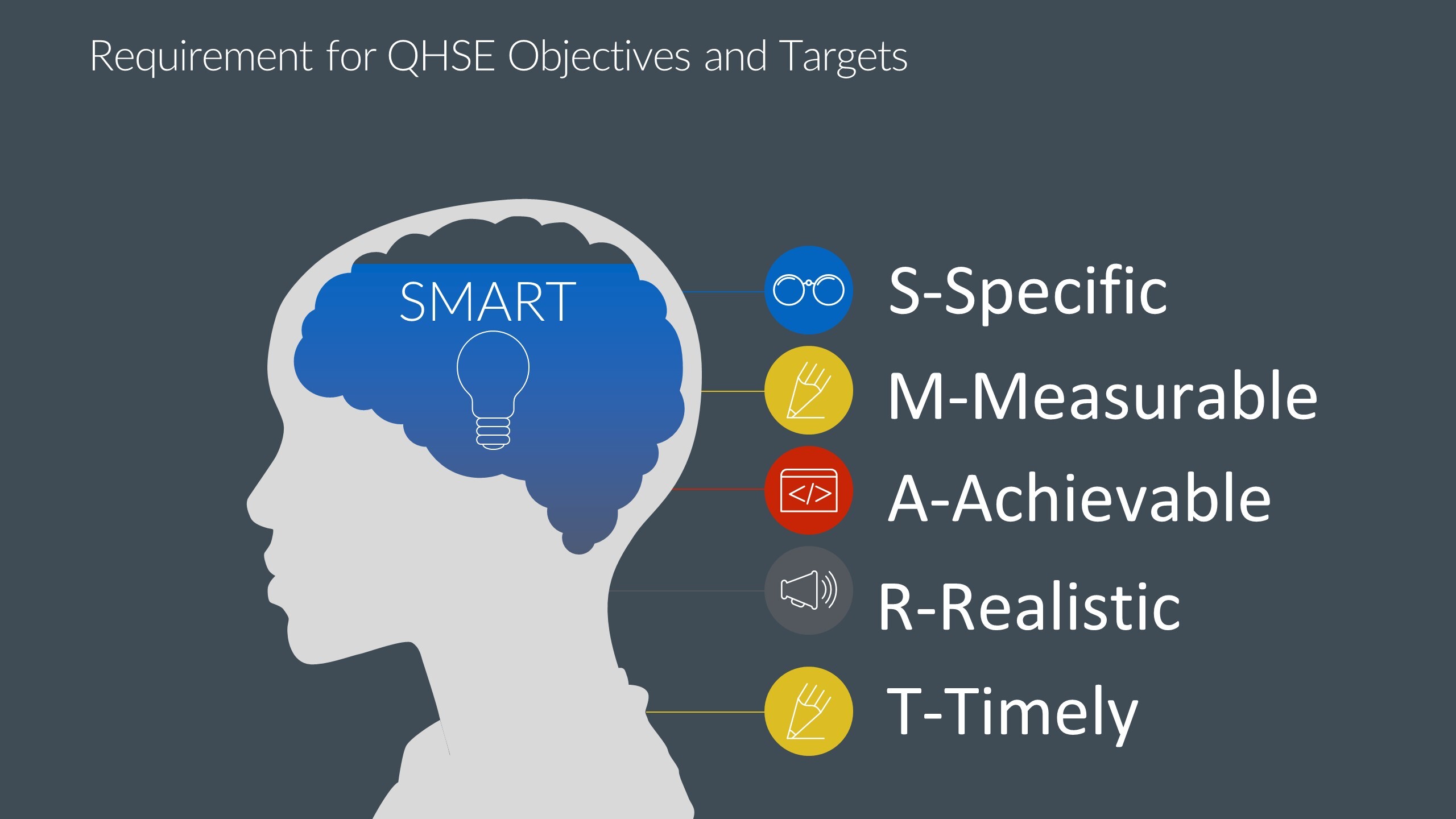
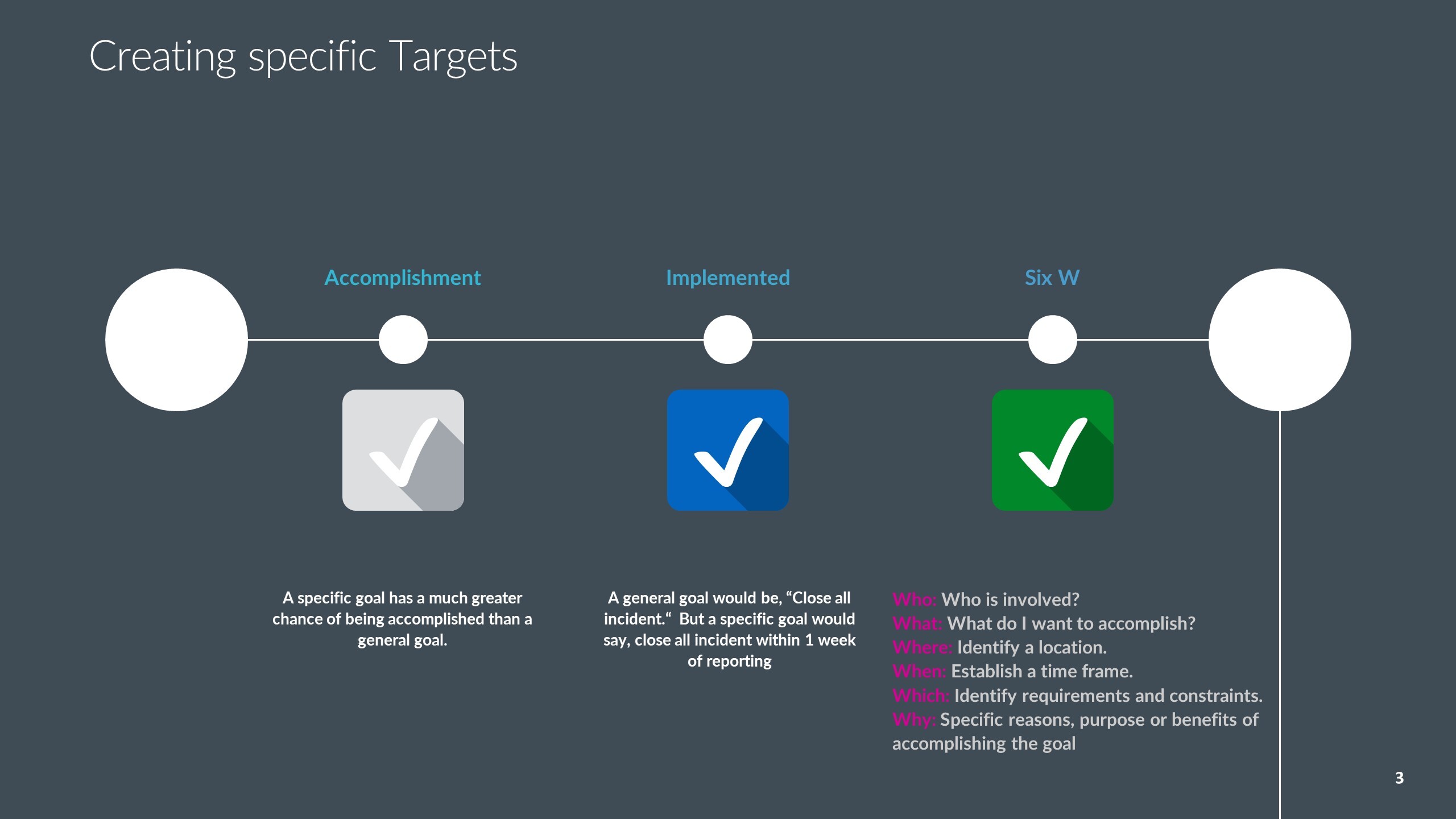
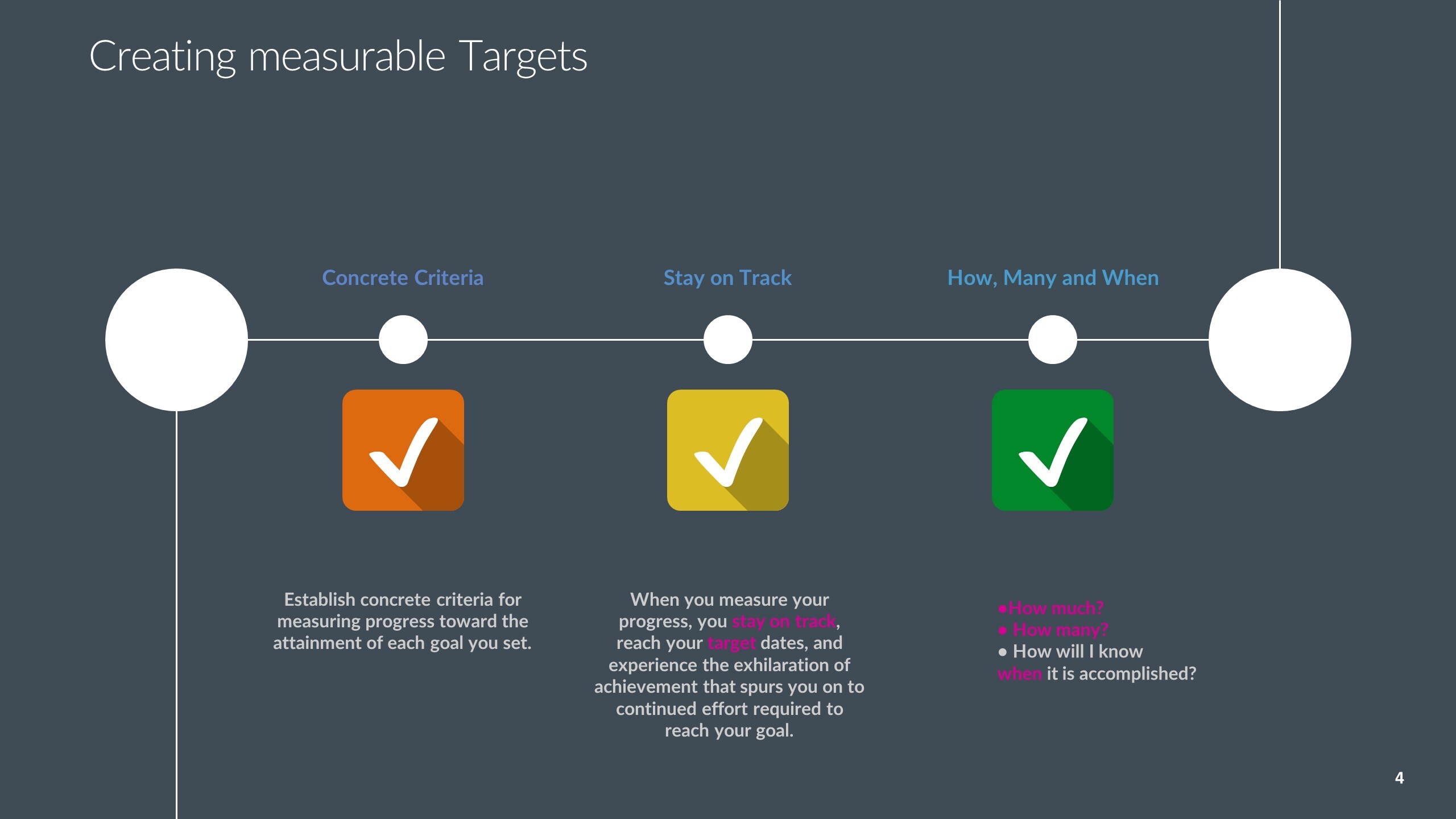
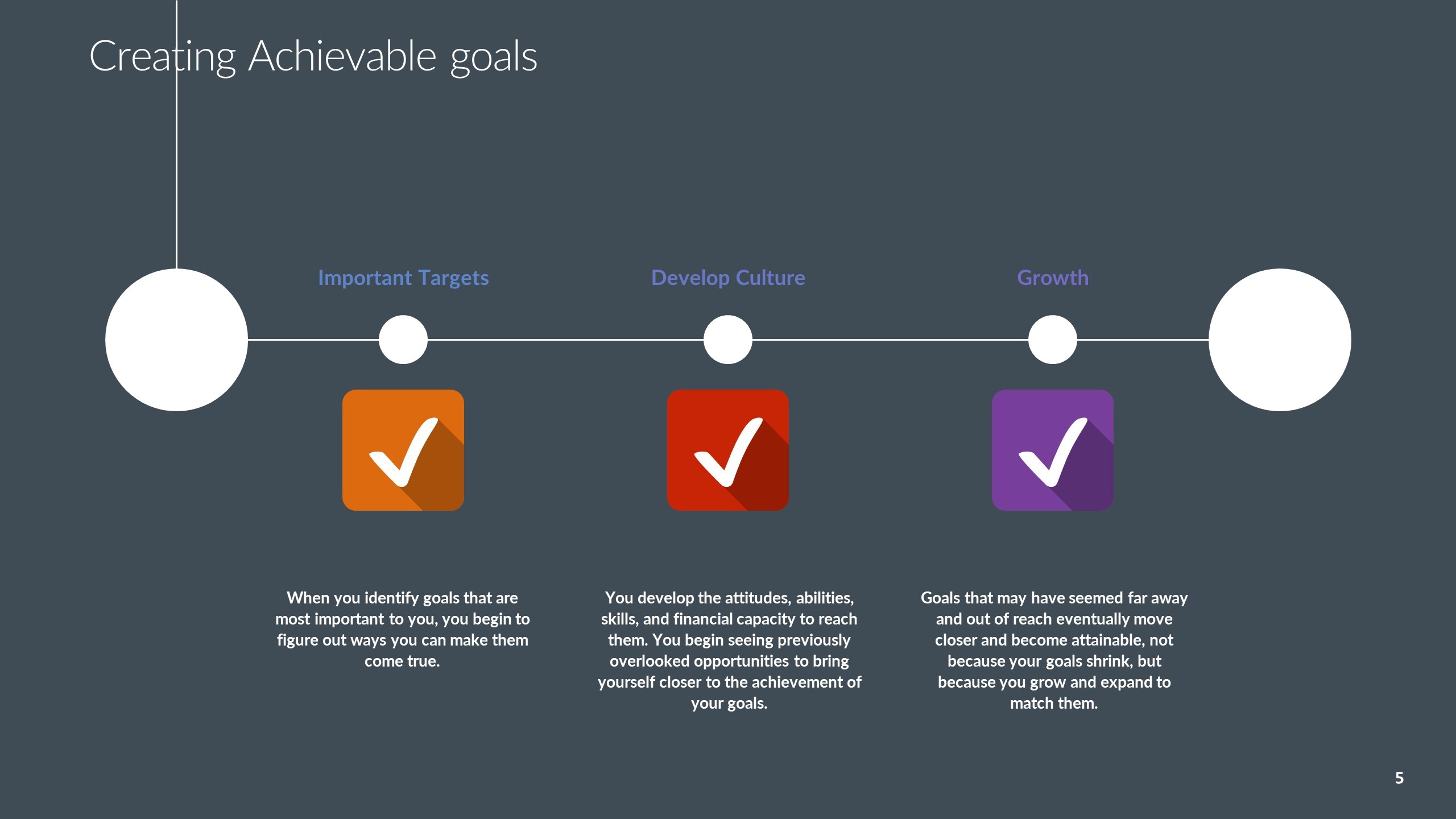
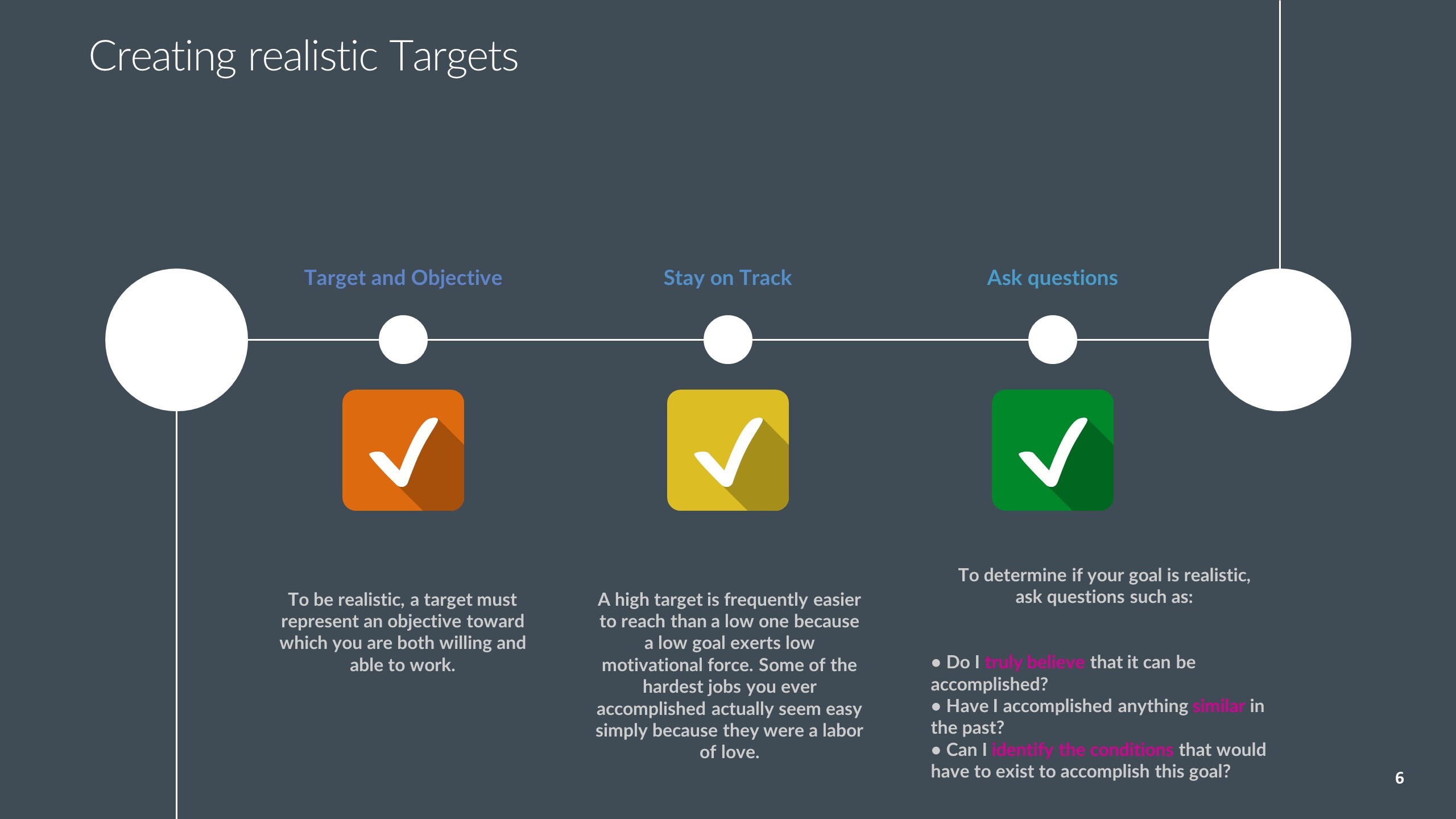
Setting Targets: Establish specific, measurable, achievable, relevant, and time-bound (SMART) targets for quality, health, safety, and environmental performance.
Objective Alignment: Ensure alignment of QHSE targets with organizational goals, mission, and values to drive strategic alignment and focus.
Continuous Improvement: Foster a culture of continuous improvement by regularly reviewing and updating QHSE targets and objectives based on changing business needs and emerging risks.
Stakeholder Engagement: Engage stakeholders at all levels of the organization in the development, implementation, and monitoring of QHSE targets and objectives to promote ownership and accountability.
Performance Measurement: Implement robust measurement and reporting mechanisms to track progress towards QHSE targets and identify areas for improvement.
Risk Management: Integrate risk management principles into QHSE target-setting processes to proactively identify and mitigate risks to organizational performance and reputation.
Benefits:
Strategic Focus: Provides clarity and direction for QHSE efforts by defining clear objectives and priorities aligned with organizational goals.
Performance Improvement: Facilitates targeted interventions and resource allocation to address identified gaps and opportunities for improvement in QHSE performance.
Stakeholder Confidence: Demonstrates organizational commitment to QHSE excellence, fostering trust and confidence among stakeholders, customers, and partners.
Regulatory Compliance: Helps ensure compliance with relevant QHSE regulations, standards, and best practices, minimizing legal and reputational risks.
Competitive Advantage: Enhances organizational resilience and competitiveness by promoting a culture of excellence, innovation, and sustainability.
Employee Engagement: Engages employees in QHSE goal-setting and decision-making, empowering them to contribute to a safer, healthier, and more sustainable work environment.
Stakeholder Feedback:
Discover testimonials from organizations that have leveraged our QHSE Targets and Objectives framework to enhance performance, mitigate risks, and achieve sustainable business success.
Objective:
Illuminate your organization's path towards Quality, Health, Safety, and Environment (QHSE) excellence with our QHSE Targets and Objectives framework. This comprehensive strategy outlines clear and measurable targets and objectives across all QHSE domains, guiding your organization towards continuous improvement and sustainable performance.
About QHSE Targets and Objectives:
Our QHSE Targets and Objectives framework provides a roadmap for setting, monitoring, and achieving key performance indicators (KPIs) related to quality, health, safety, and environmental stewardship. By aligning goals with organizational priorities and industry standards, this framework empowers your organization to enhance QHSE practices, mitigate risks, and maximize operational efficiency.
Key Components:
Setting Targets: Establish specific, measurable, achievable, relevant, and time-bound (SMART) targets for quality, health, safety, and environmental performance.
Objective Alignment: Ensure alignment of QHSE targets with organizational goals, mission, and values to drive strategic alignment and focus.
Continuous Improvement: Foster a culture of continuous improvement by regularly reviewing and updating QHSE targets and objectives based on changing business needs and emerging risks.
Stakeholder Engagement: Engage stakeholders at all levels of the organization in the development, implementation, and monitoring of QHSE targets and objectives to promote ownership and accountability.
Performance Measurement: Implement robust measurement and reporting mechanisms to track progress towards QHSE targets and identify areas for improvement.
Risk Management: Integrate risk management principles into QHSE target-setting processes to proactively identify and mitigate risks to organizational performance and reputation.
Benefits:
Strategic Focus: Provides clarity and direction for QHSE efforts by defining clear objectives and priorities aligned with organizational goals.
Performance Improvement: Facilitates targeted interventions and resource allocation to address identified gaps and opportunities for improvement in QHSE performance.
Stakeholder Confidence: Demonstrates organizational commitment to QHSE excellence, fostering trust and confidence among stakeholders, customers, and partners.
Regulatory Compliance: Helps ensure compliance with relevant QHSE regulations, standards, and best practices, minimizing legal and reputational risks.
Competitive Advantage: Enhances organizational resilience and competitiveness by promoting a culture of excellence, innovation, and sustainability.
Employee Engagement: Engages employees in QHSE goal-setting and decision-making, empowering them to contribute to a safer, healthier, and more sustainable work environment.
Stakeholder Feedback:
Discover testimonials from organizations that have leveraged our QHSE Targets and Objectives framework to enhance performance, mitigate risks, and achieve sustainable business success.
This Best Practice includes
1 Power Point Slides