Originally published: 22/04/2025 08:51
Publication number: ELQ-73531-1
View all versions & Certificate
Publication number: ELQ-73531-1
View all versions & Certificate

Quarterly QHSE Report Presentation
"Showcases QHSE performance insights, trends, root causes, and actionable improvements."
Description
Objective:
Illuminate key insights and findings from your organization's Quality, Health, Safety, and Environment (QHSE) performance with our Quarterly QHSE Report Presentation. This comprehensive presentation encapsulates performance metrics, trends, and actionable recommendations to drive continuous improvement and foster a culture of QHSE excellence within your organization.
About the Quarterly QHSE Report Presentation:
Our Quarterly QHSE Report Presentation provides a detailed analysis of QHSE performance metrics, highlighting achievements, areas for improvement, and emerging trends. With a focus on data-driven decision-making and stakeholder engagement, this presentation serves as a valuable tool for leadership, management, and frontline employees to collaborate on QHSE improvement initiatives.
SWOT Analysis Template
Performance Overview: Introduce the purpose, scope, and methodology of the QHSE report, providing context for the findings presented.
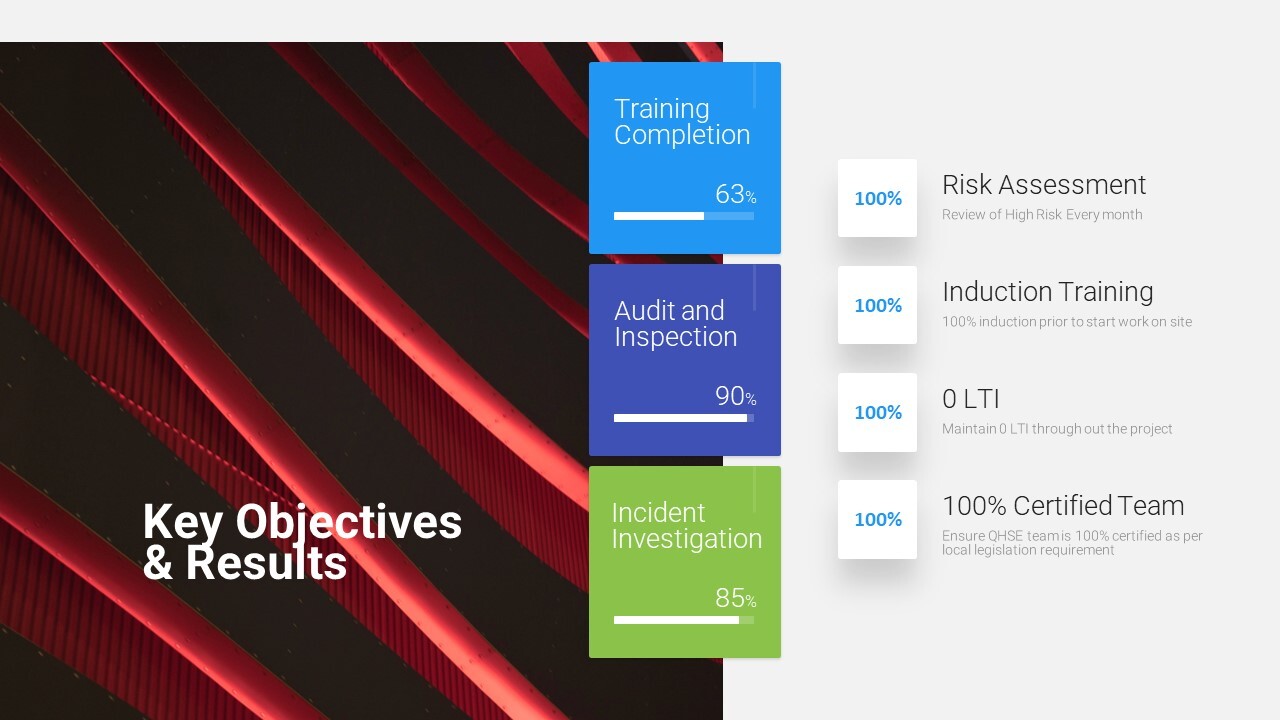
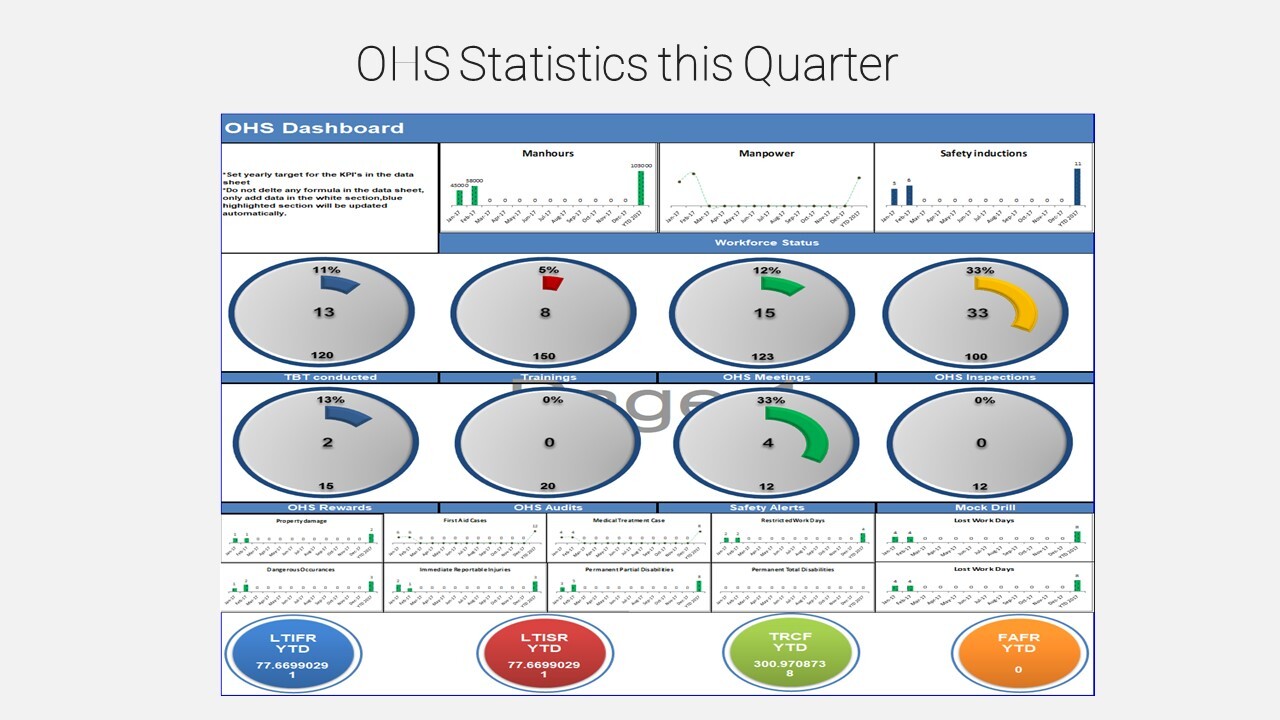
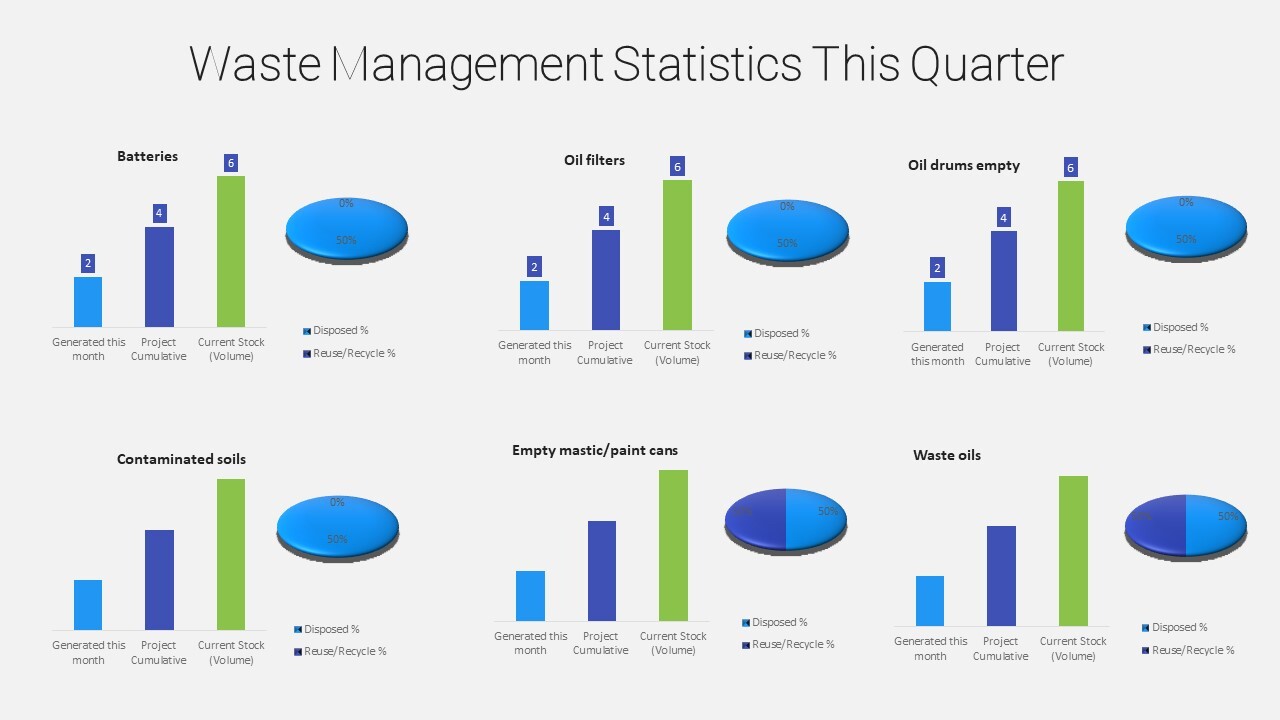
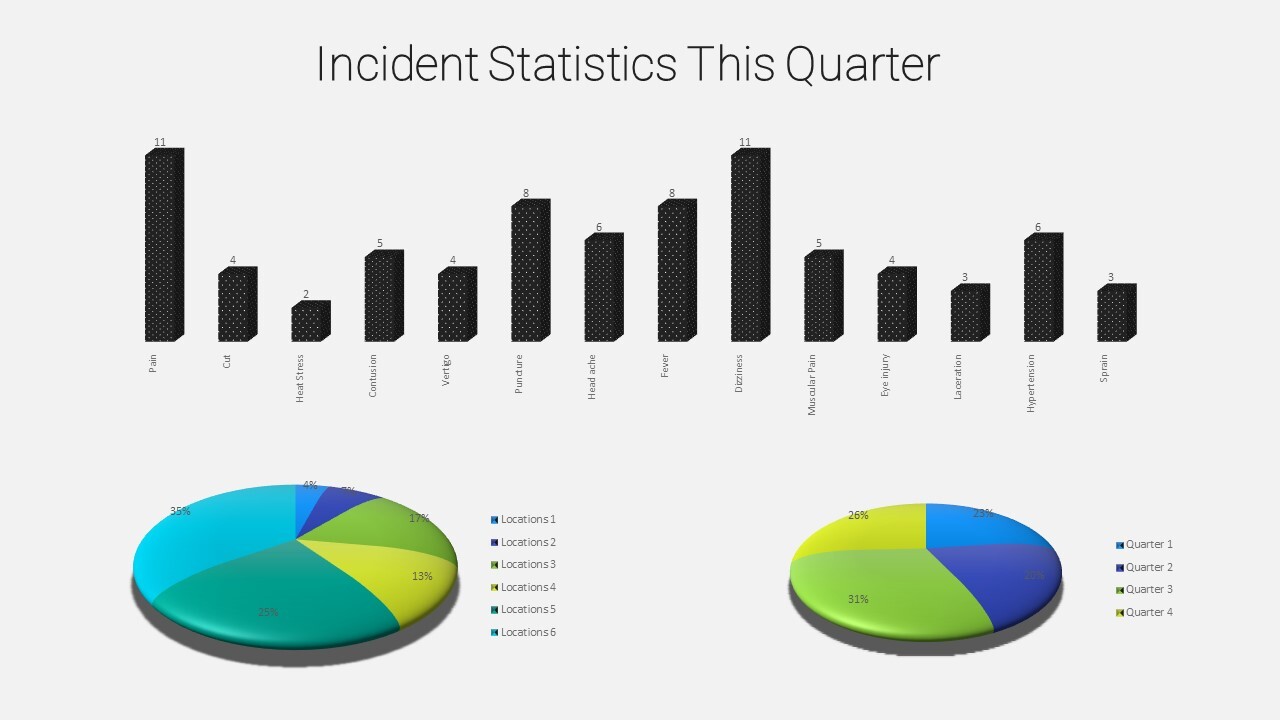
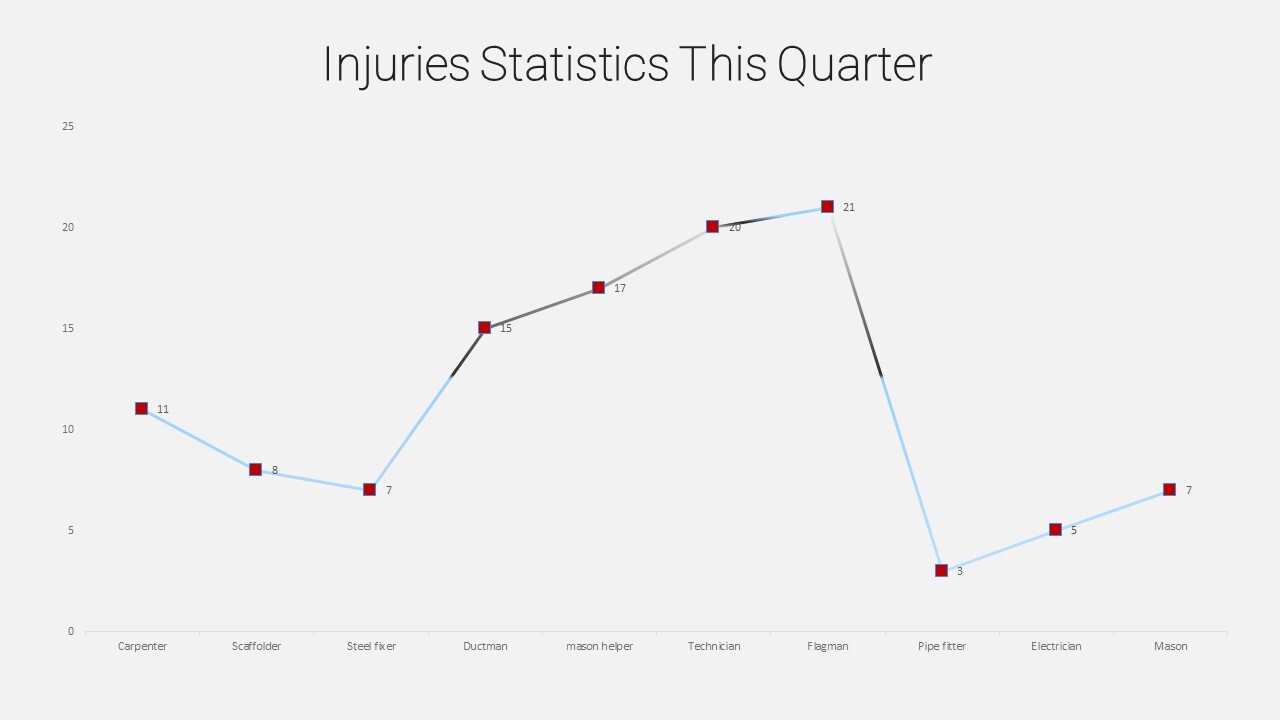
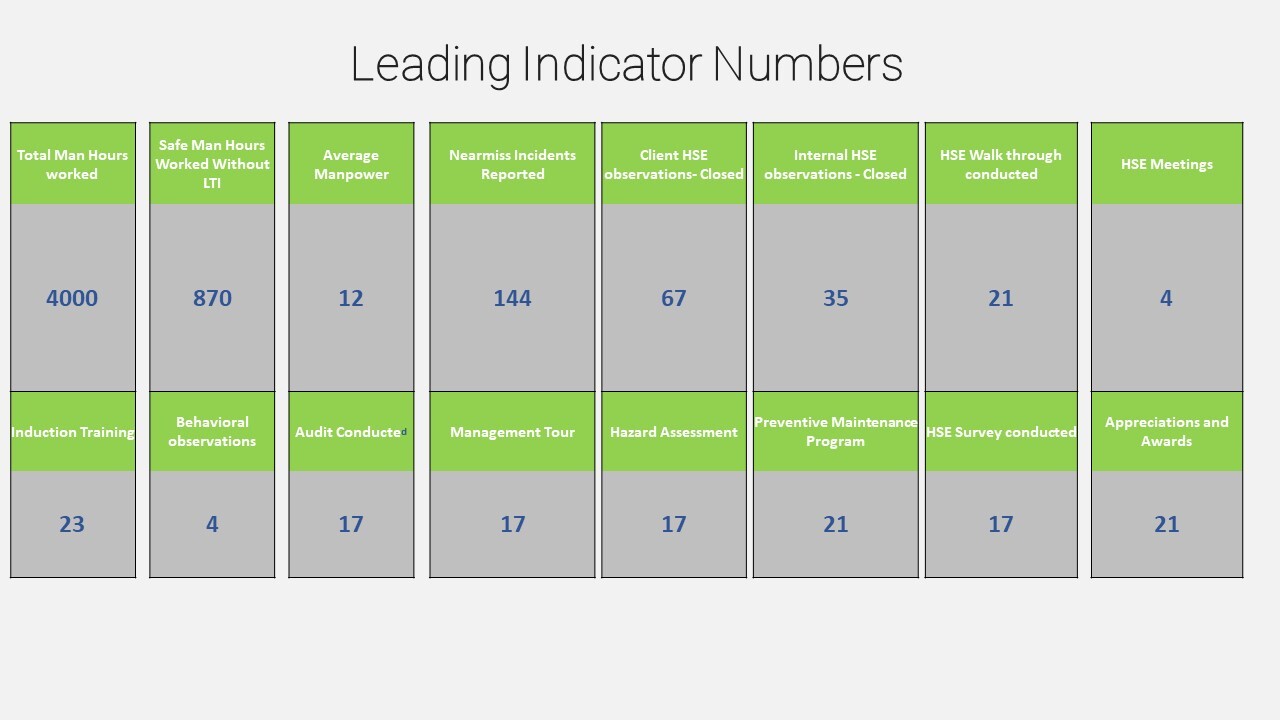
Key Performance Indicators (KPIs): Present quantitative data analysis of QHSE performance metrics, including charts, graphs, and tables to visualize key metrics and trends.
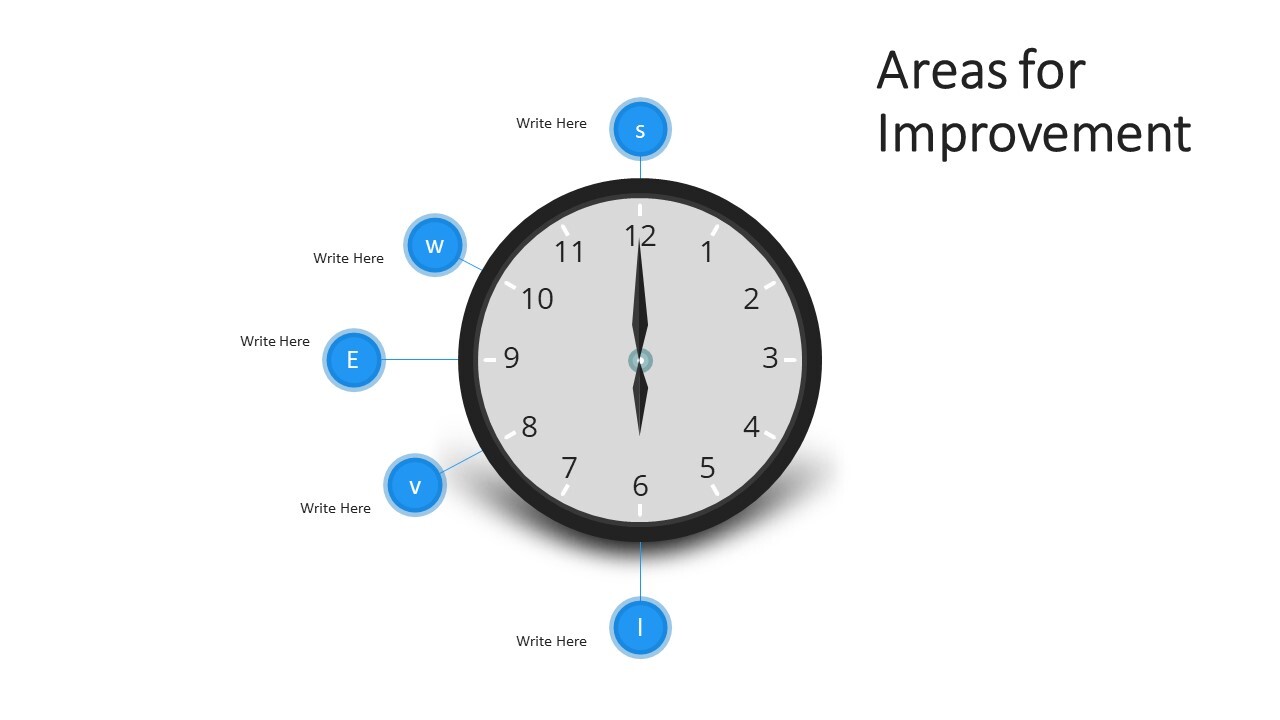
Trend Analysis: Interpret performance trends, identifying areas of strength, weaknesses, and opportunities for improvement across QHSE domains.
Root Cause Analysis: Conduct a root cause analysis of QHSE issues and incidents, identifying underlying factors and contributing causes.
Actionable Recommendations: Offer actionable recommendations and strategies for addressing identified gaps and enhancing QHSE practices.
Implementation Plan: Outline a roadmap for implementing recommended actions, specifying tasks, timelines, and responsible parties.
Stakeholder Engagement: Highlight the importance of stakeholder involvement in driving QHSE improvement efforts and fostering a culture of accountability and ownership.
Continuous Improvement: Emphasize the need for ongoing monitoring, evaluation, and review of QHSE performance to sustain improvements over time.
Benefits:
Informed Decision-Making: Provides a comprehensive overview of QHSE performance, enabling informed decision-making and prioritization of improvement initiatives.
Identifies Trends and Patterns: Identifies trends, patterns, and root causes of QHSE issues, facilitating targeted interventions and resource allocation.
Engages Stakeholders: Engages stakeholders at all levels of the organization in the QHSE improvement process, fostering collaboration and shared ownership.
Drives Accountability: Drives accountability and transparency by clearly communicating performance findings, recommendations, and action plans.
Supports Continuous Improvement: Supports a culture of continuous improvement by promoting data-driven analysis, feedback loops, and iterative refinement of QHSE practices.
SWOT Analysis Template
Discover testimonials from stakeholders who have leveraged our Quarterly QHSE Report Presentation to gain valuable insights, drive meaningful change, and enhance QHSE performance within their organizations.
Objective:
Illuminate key insights and findings from your organization's Quality, Health, Safety, and Environment (QHSE) performance with our Quarterly QHSE Report Presentation. This comprehensive presentation encapsulates performance metrics, trends, and actionable recommendations to drive continuous improvement and foster a culture of QHSE excellence within your organization.
About the Quarterly QHSE Report Presentation:
Our Quarterly QHSE Report Presentation provides a detailed analysis of QHSE performance metrics, highlighting achievements, areas for improvement, and emerging trends. With a focus on data-driven decision-making and stakeholder engagement, this presentation serves as a valuable tool for leadership, management, and frontline employees to collaborate on QHSE improvement initiatives.
SWOT Analysis Template
Performance Overview: Introduce the purpose, scope, and methodology of the QHSE report, providing context for the findings presented.
Key Performance Indicators (KPIs): Present quantitative data analysis of QHSE performance metrics, including charts, graphs, and tables to visualize key metrics and trends.
Trend Analysis: Interpret performance trends, identifying areas of strength, weaknesses, and opportunities for improvement across QHSE domains.
Root Cause Analysis: Conduct a root cause analysis of QHSE issues and incidents, identifying underlying factors and contributing causes.
Actionable Recommendations: Offer actionable recommendations and strategies for addressing identified gaps and enhancing QHSE practices.
Implementation Plan: Outline a roadmap for implementing recommended actions, specifying tasks, timelines, and responsible parties.
Stakeholder Engagement: Highlight the importance of stakeholder involvement in driving QHSE improvement efforts and fostering a culture of accountability and ownership.
Continuous Improvement: Emphasize the need for ongoing monitoring, evaluation, and review of QHSE performance to sustain improvements over time.
Benefits:
Informed Decision-Making: Provides a comprehensive overview of QHSE performance, enabling informed decision-making and prioritization of improvement initiatives.
Identifies Trends and Patterns: Identifies trends, patterns, and root causes of QHSE issues, facilitating targeted interventions and resource allocation.
Engages Stakeholders: Engages stakeholders at all levels of the organization in the QHSE improvement process, fostering collaboration and shared ownership.
Drives Accountability: Drives accountability and transparency by clearly communicating performance findings, recommendations, and action plans.
Supports Continuous Improvement: Supports a culture of continuous improvement by promoting data-driven analysis, feedback loops, and iterative refinement of QHSE practices.
SWOT Analysis Template
Discover testimonials from stakeholders who have leveraged our Quarterly QHSE Report Presentation to gain valuable insights, drive meaningful change, and enhance QHSE performance within their organizations.
This Best Practice includes
1 Power Point Slide