


Originally published: 22/04/2025 08:39
Publication number: ELQ-86421-1
View all versions & Certificate
Publication number: ELQ-86421-1
View all versions & Certificate

QHSE First 90 Days Plan
"Structured 90-day plan for effective QHSE implementation and compliance."
Description
Objective:
Lay the foundation for a successful Quality, Health, Safety, and Environment (QHSE) program within your organization with our QHSE First 90 Days Plan. This comprehensive plan is meticulously designed to guide the initial phase of QHSE implementation, ensuring a smooth transition and setting the stage for long-term QHSE excellence.
About the QHSE First 90 Days Plan:
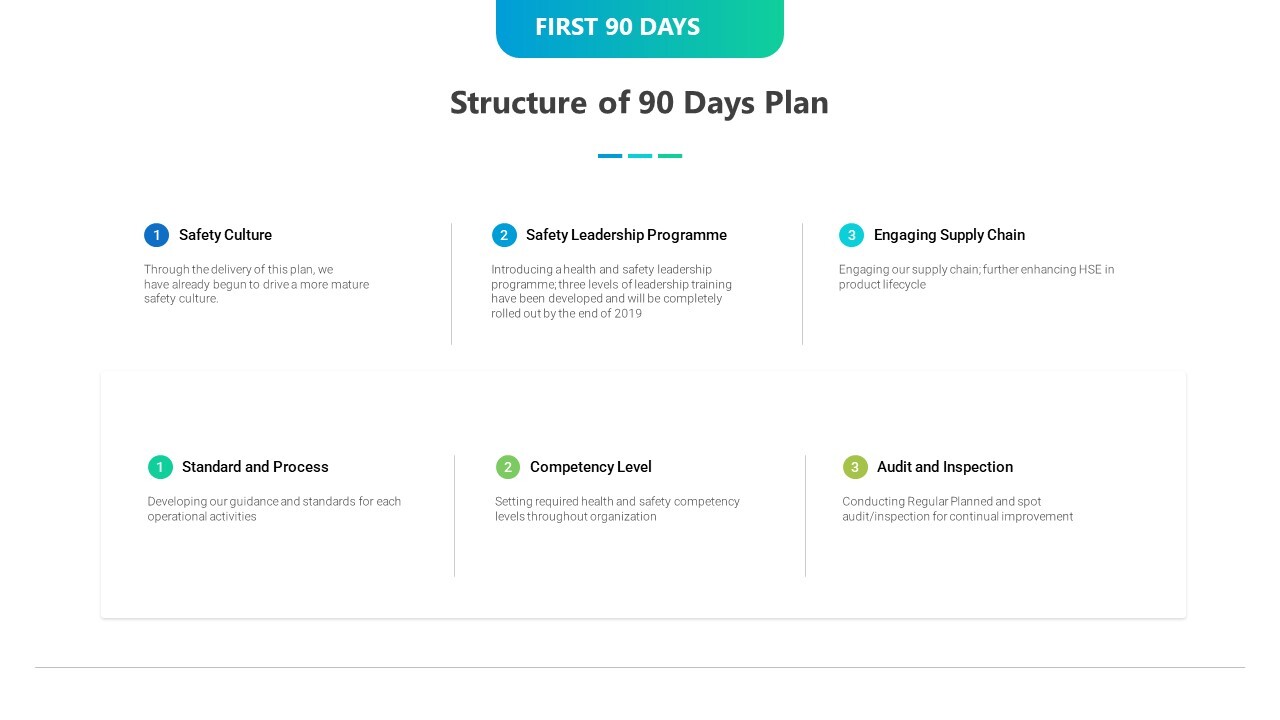
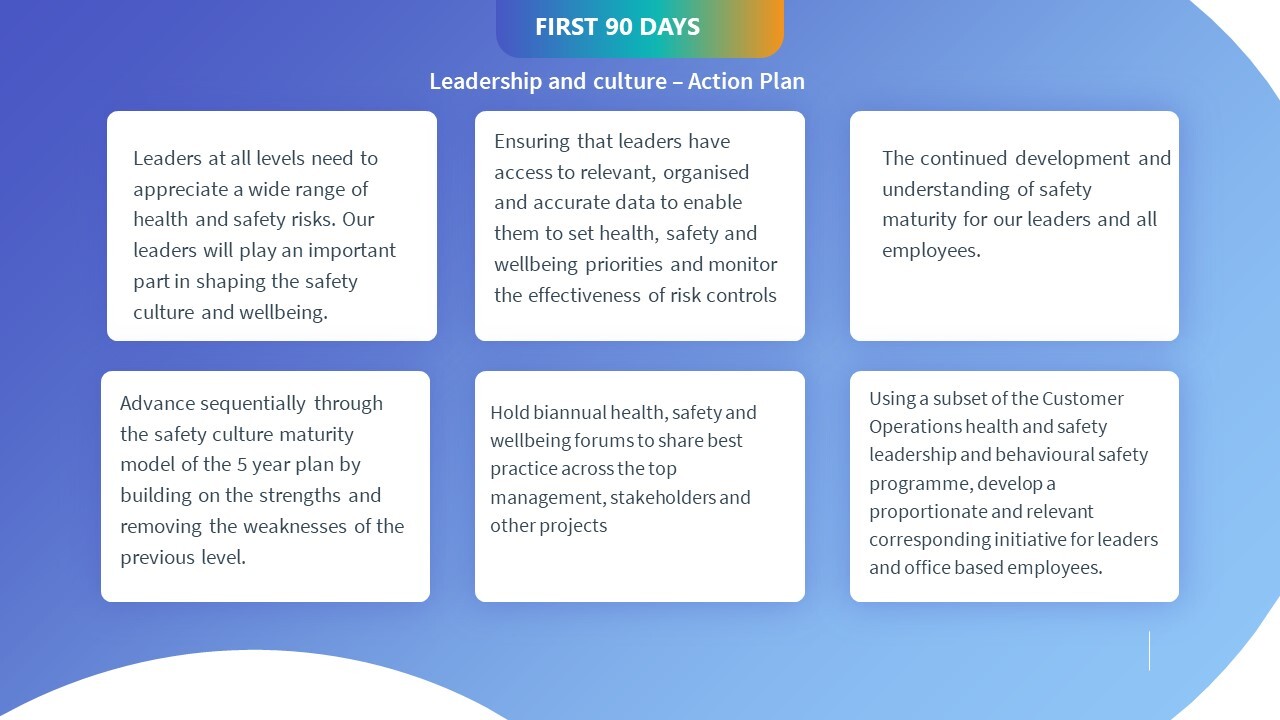
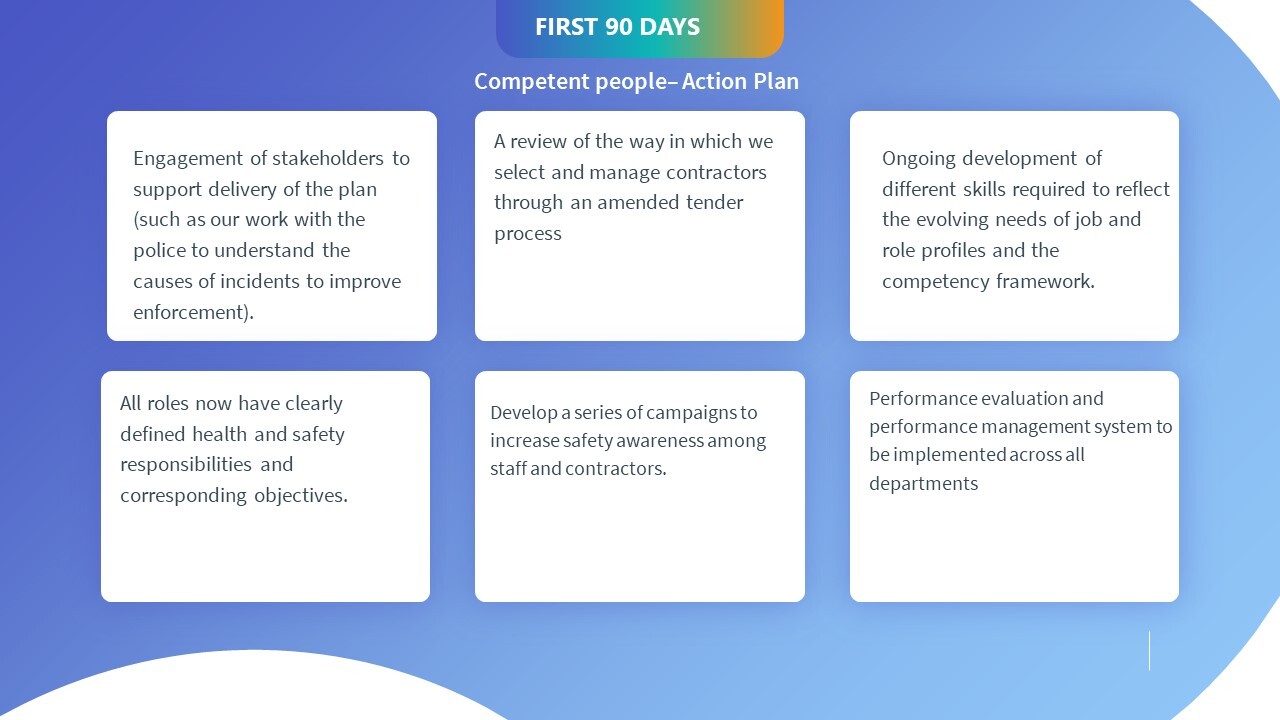
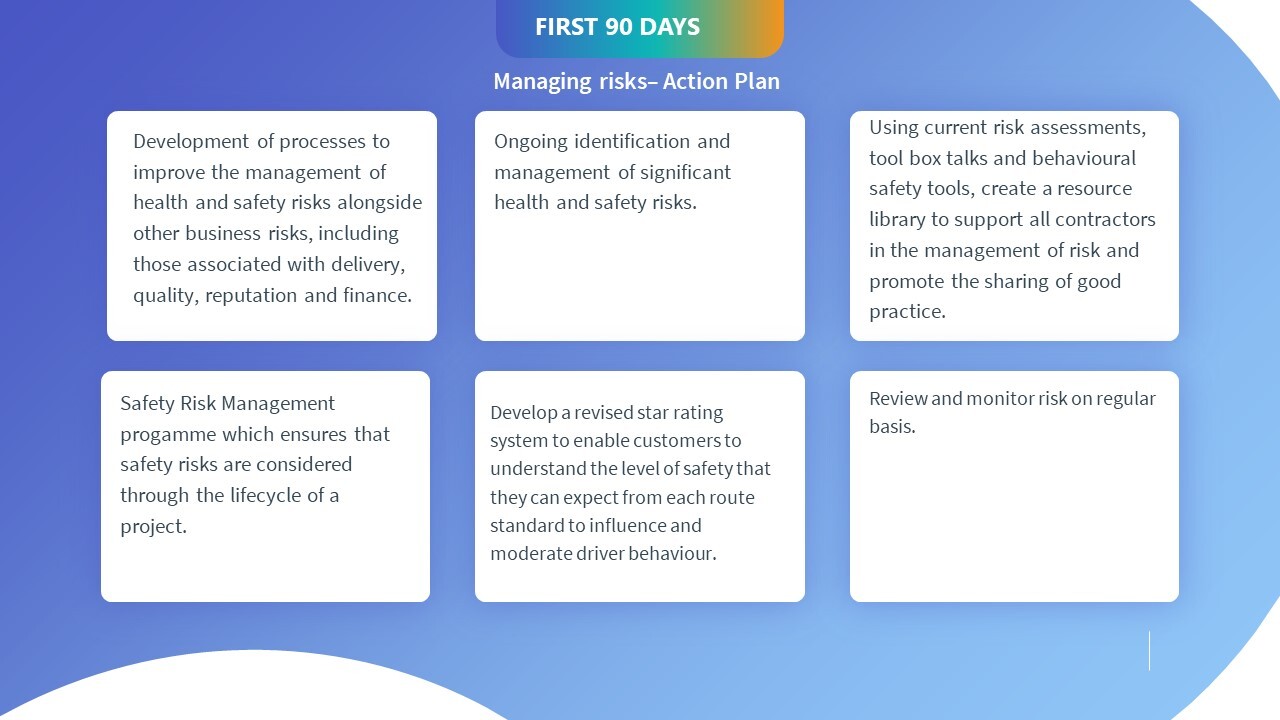
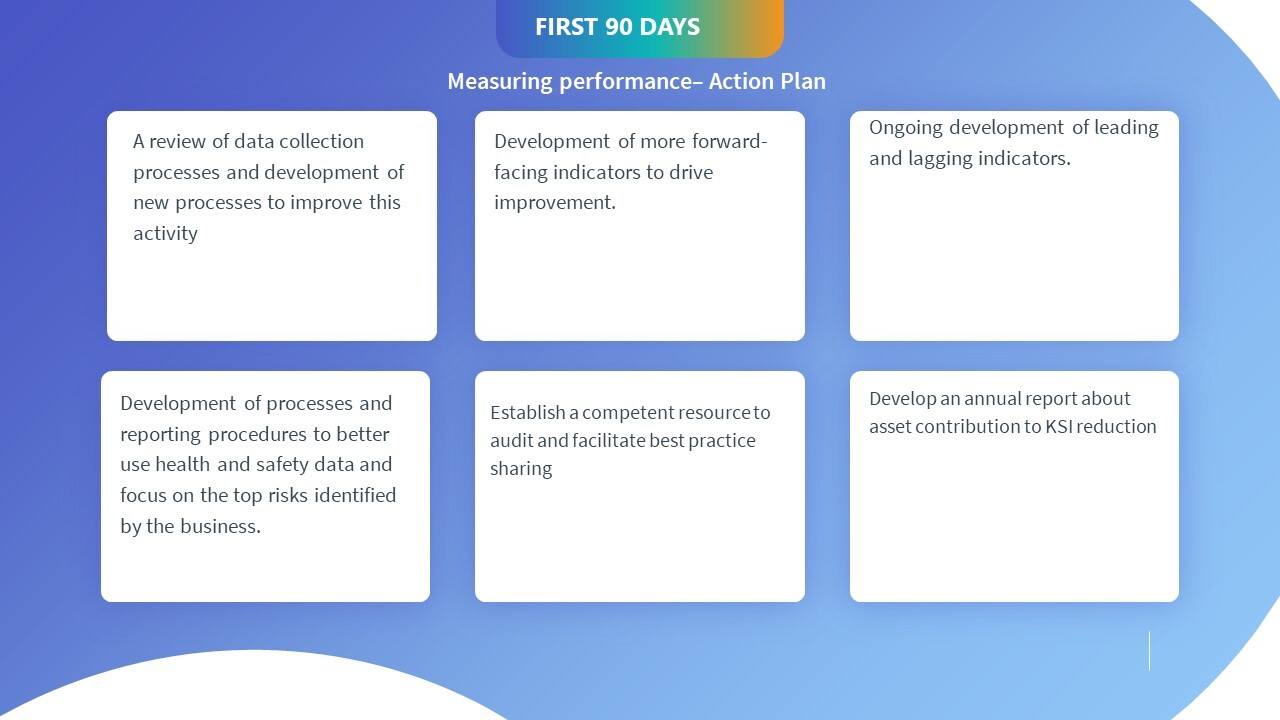
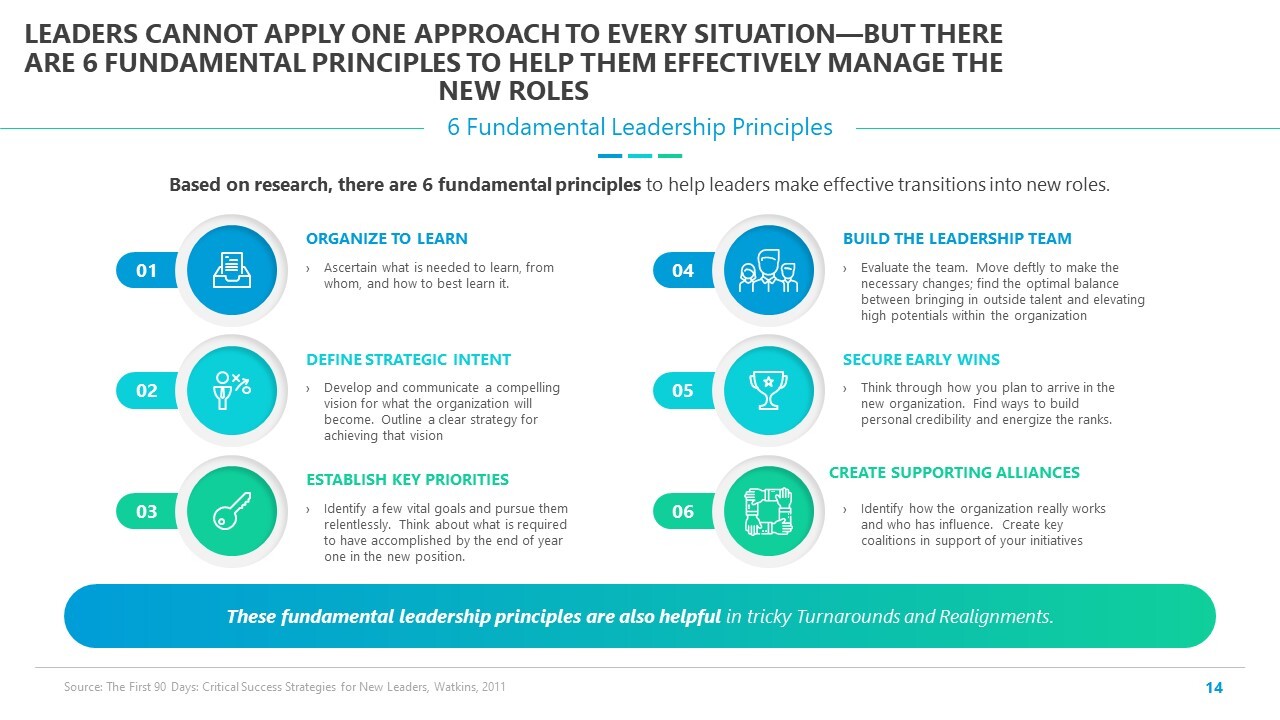
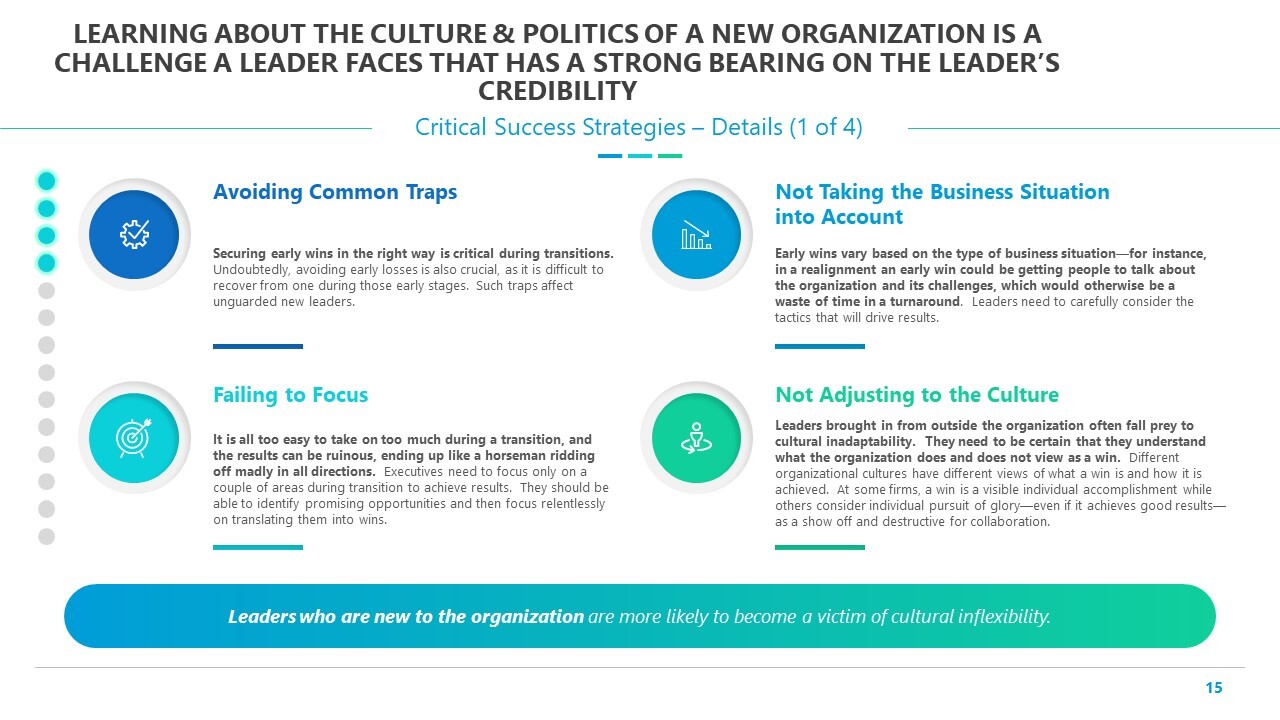
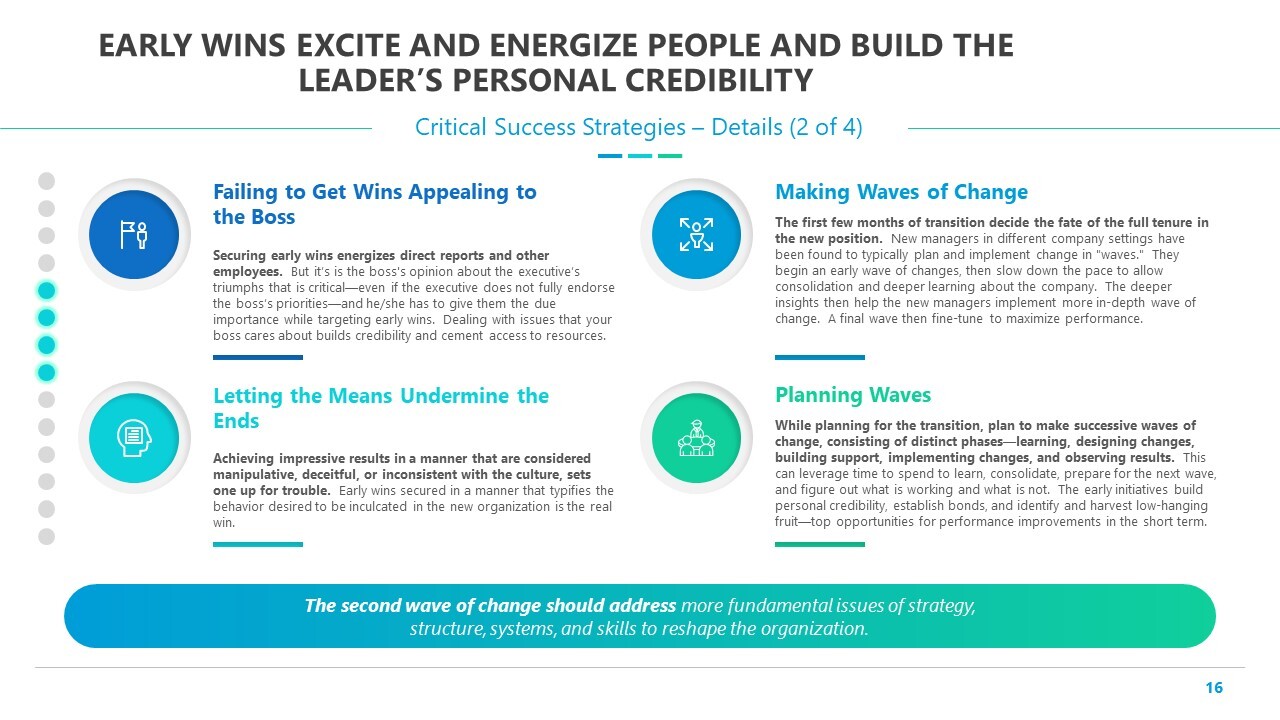
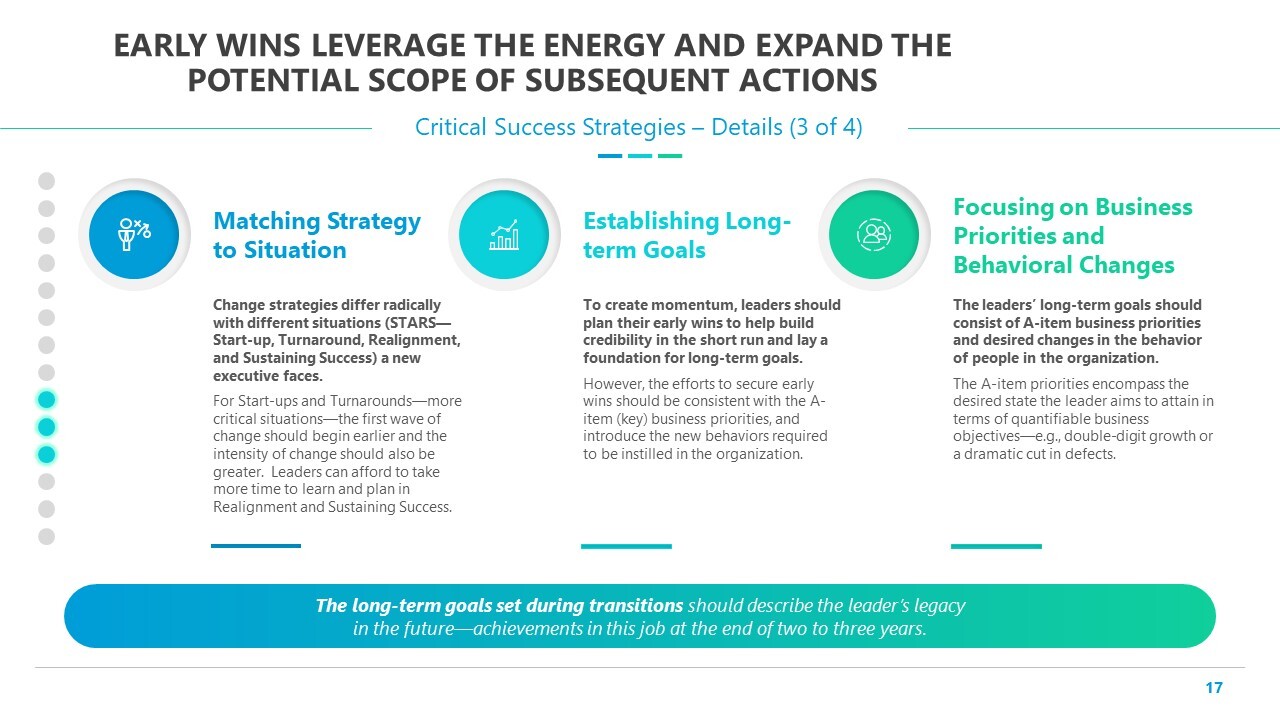
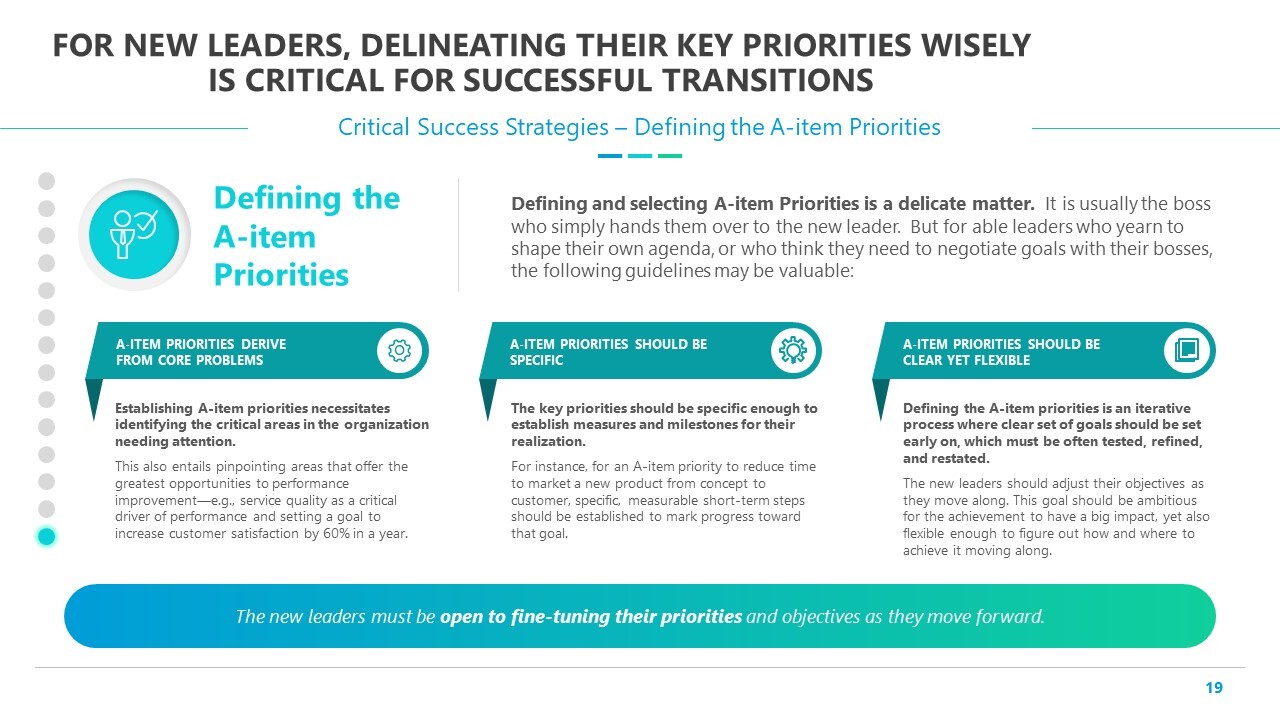
Our QHSE First 90 Days Plan provides a structured roadmap for initiating and establishing QHSE practices within your organization. By outlining key activities, milestones, and deliverables for the first three months, this plan facilitates effective planning, implementation, and monitoring of QHSE initiatives.
Key Components:
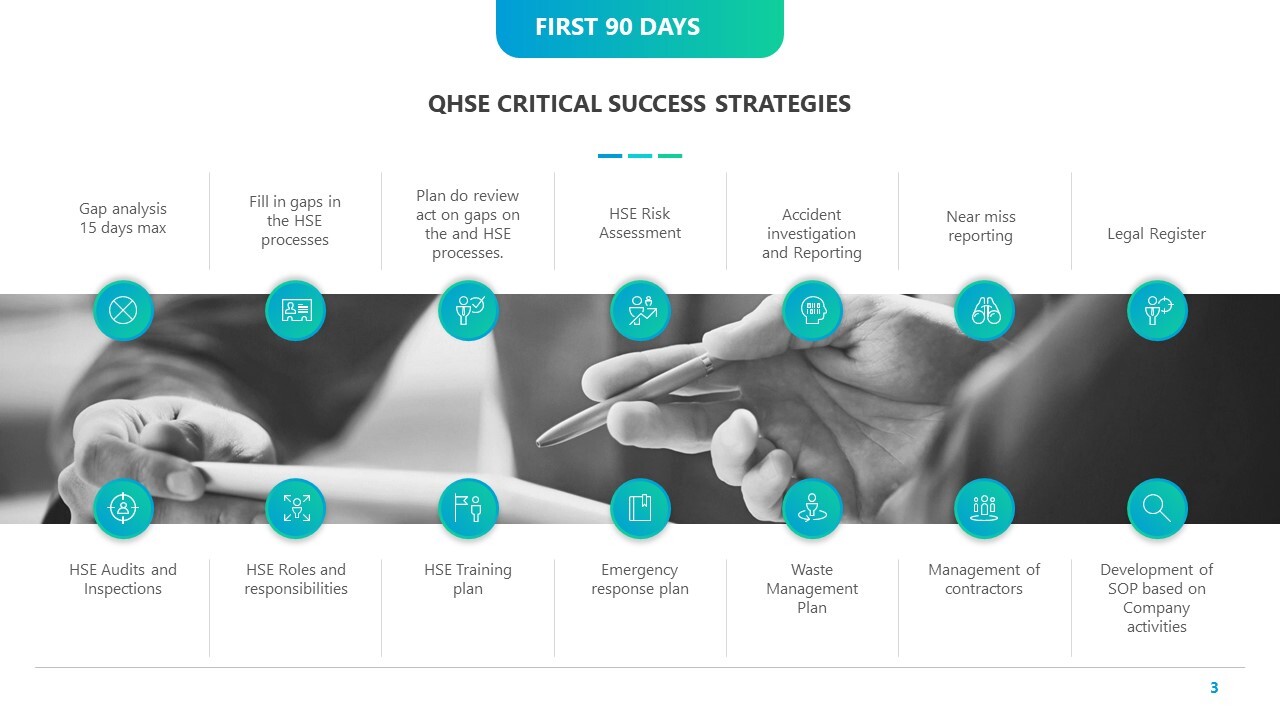
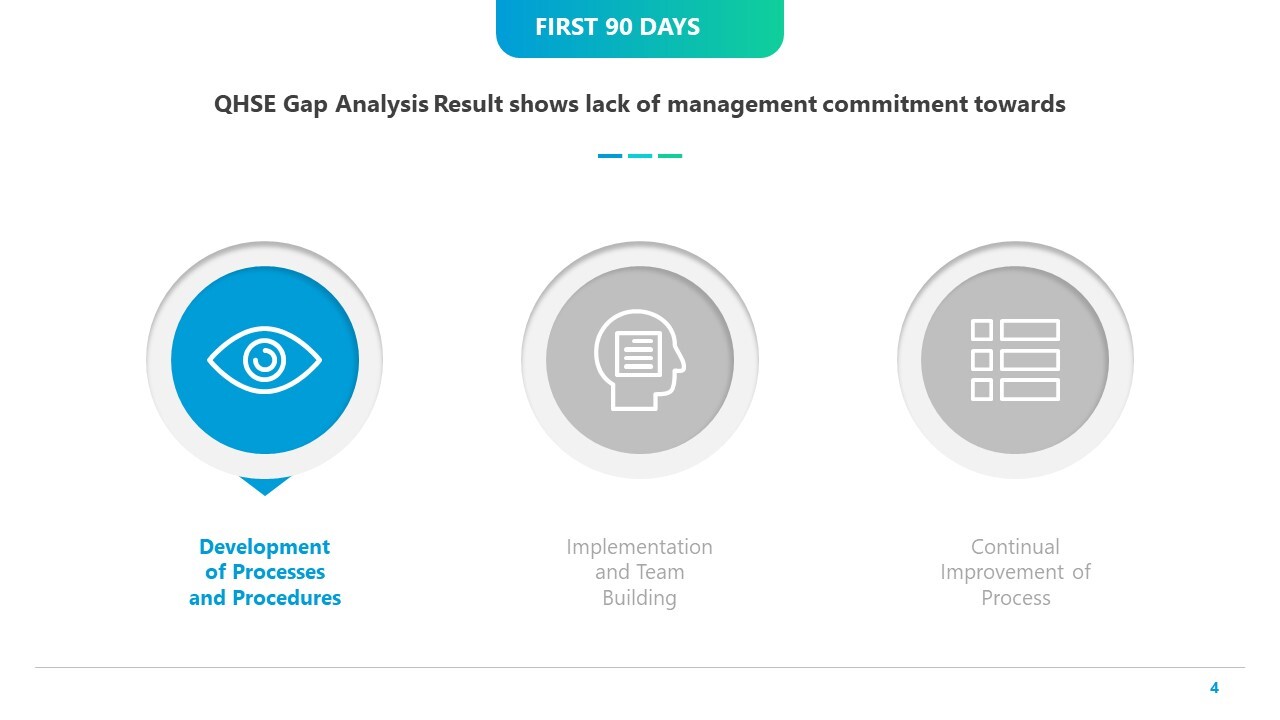
Assessment and Gap Analysis: Conduct a thorough assessment of existing QHSE practices, policies, and procedures to identify gaps and areas for improvement.
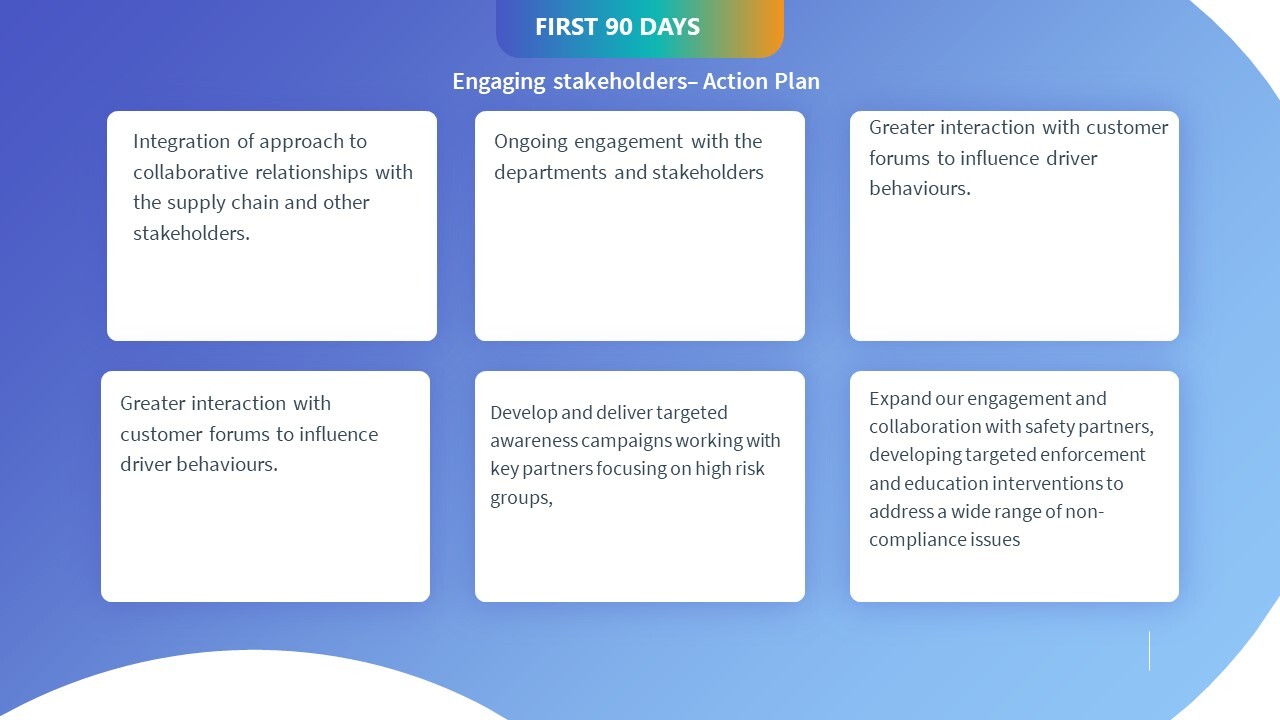
Stakeholder Engagement: Engage key stakeholders across the organization to gain buy-in, support, and commitment for QHSE initiatives.
Policy Development: Develop and communicate QHSE policies and objectives aligned with organizational goals, regulatory requirements, and industry best practices.
Training and Awareness: Provide comprehensive training and awareness programs to ensure that employees understand their roles, responsibilities, and the importance of QHSE.
Risk Identification and Mitigation: Identify and prioritize QHSE risks, hazards, and opportunities for improvement, and develop mitigation strategies and action plans.
Implementation of QHSE Systems: Implement QHSE management systems, tools, and processes to support compliance, monitoring, and continuous improvement.
Benefits:
Structured Approach: Provide a clear and structured roadmap for initiating and establishing QHSE practices within the organization.
Alignment with Objectives: Ensure that QHSE initiatives are aligned with organizational goals, objectives, and values.
Risk Reduction: Identify and mitigate QHSE risks early on, minimizing potential incidents, accidents, and liabilities.
Employee Engagement: Engage employees in the QHSE implementation process, fostering a culture of ownership, accountability, and continuous improvement.
Compliance and Assurance: Establish robust QHSE systems and processes to ensure compliance with regulatory requirements and industry standards.
Stakeholder Feedback:
Discover testimonials from organizations that have successfully implemented our QHSE First 90 Days Plan and have witnessed significant improvements in QHSE performance, culture, and outcomes.
Objective:
Lay the foundation for a successful Quality, Health, Safety, and Environment (QHSE) program within your organization with our QHSE First 90 Days Plan. This comprehensive plan is meticulously designed to guide the initial phase of QHSE implementation, ensuring a smooth transition and setting the stage for long-term QHSE excellence.
About the QHSE First 90 Days Plan:
Our QHSE First 90 Days Plan provides a structured roadmap for initiating and establishing QHSE practices within your organization. By outlining key activities, milestones, and deliverables for the first three months, this plan facilitates effective planning, implementation, and monitoring of QHSE initiatives.
Key Components:
Assessment and Gap Analysis: Conduct a thorough assessment of existing QHSE practices, policies, and procedures to identify gaps and areas for improvement.
Stakeholder Engagement: Engage key stakeholders across the organization to gain buy-in, support, and commitment for QHSE initiatives.
Policy Development: Develop and communicate QHSE policies and objectives aligned with organizational goals, regulatory requirements, and industry best practices.
Training and Awareness: Provide comprehensive training and awareness programs to ensure that employees understand their roles, responsibilities, and the importance of QHSE.
Risk Identification and Mitigation: Identify and prioritize QHSE risks, hazards, and opportunities for improvement, and develop mitigation strategies and action plans.
Implementation of QHSE Systems: Implement QHSE management systems, tools, and processes to support compliance, monitoring, and continuous improvement.
Benefits:
Structured Approach: Provide a clear and structured roadmap for initiating and establishing QHSE practices within the organization.
Alignment with Objectives: Ensure that QHSE initiatives are aligned with organizational goals, objectives, and values.
Risk Reduction: Identify and mitigate QHSE risks early on, minimizing potential incidents, accidents, and liabilities.
Employee Engagement: Engage employees in the QHSE implementation process, fostering a culture of ownership, accountability, and continuous improvement.
Compliance and Assurance: Establish robust QHSE systems and processes to ensure compliance with regulatory requirements and industry standards.
Stakeholder Feedback:
Discover testimonials from organizations that have successfully implemented our QHSE First 90 Days Plan and have witnessed significant improvements in QHSE performance, culture, and outcomes.
This Best Practice includes
1 Power Point Slide