Nuclear Power Plant Financial Model Suite – Forecast, Valuation & Feasibility
Originally published: 03/04/2026 08:23
Publication number: ELQ-11838-1
View all versions & Certificate
certified

Nuclear Power Plant Financial Model Suite – Forecast, Valuation & Feasibility

Excel nuclear power plant financial model suite for construction, operations, debt, valuation and dashboards, with Standard & Advanced versions.

Description

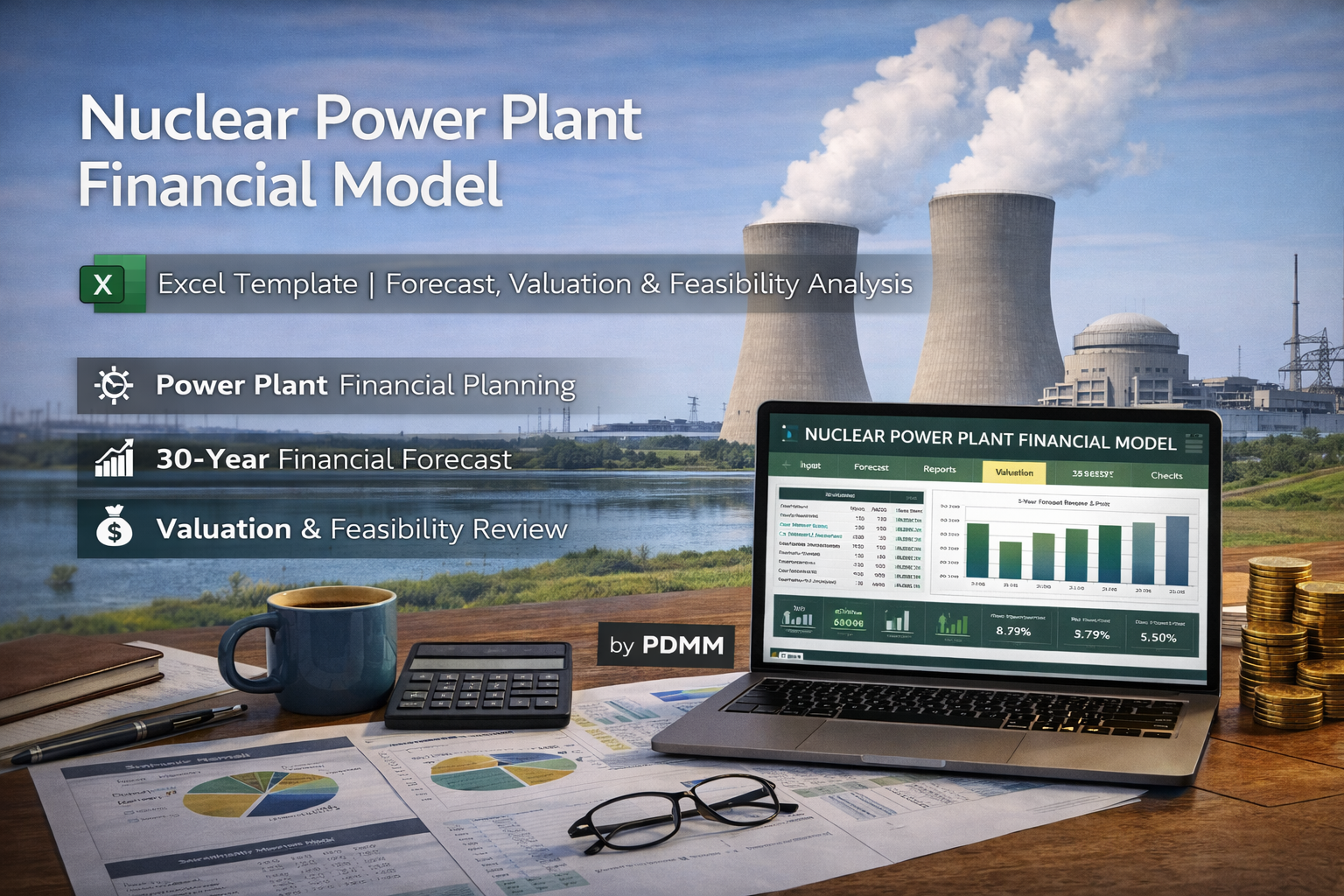
The Nuclear Power Plant Financial Model Suite is a professional Excel-based template designed to evaluate the financial feasibility, long-term performance, and valuation of a nuclear power plant project. It is built for project developers, infrastructure investors, energy analysts, consultants, lenders, and project finance professionals who need a structured and practical framework for large-scale power generation analysis.

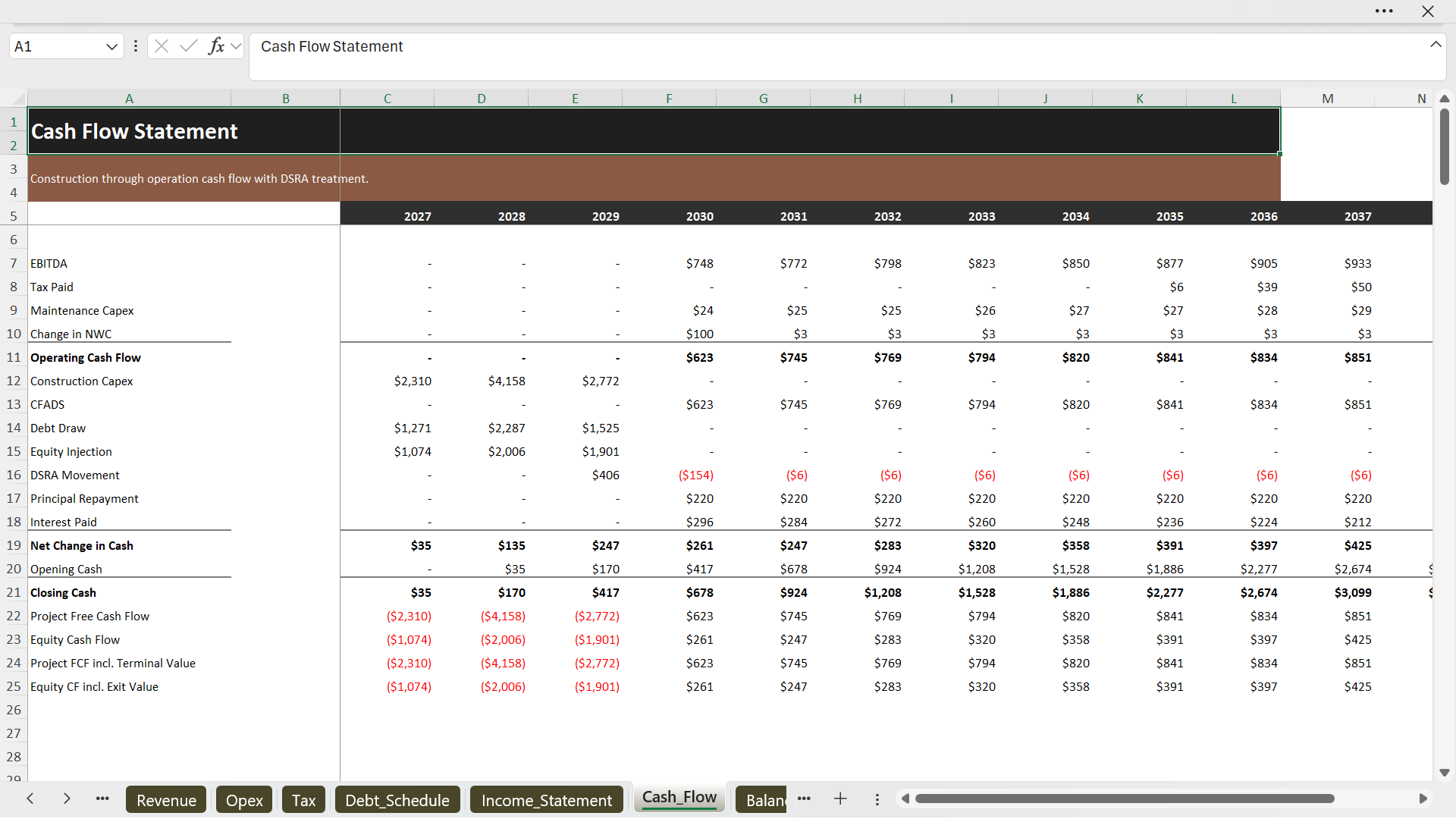
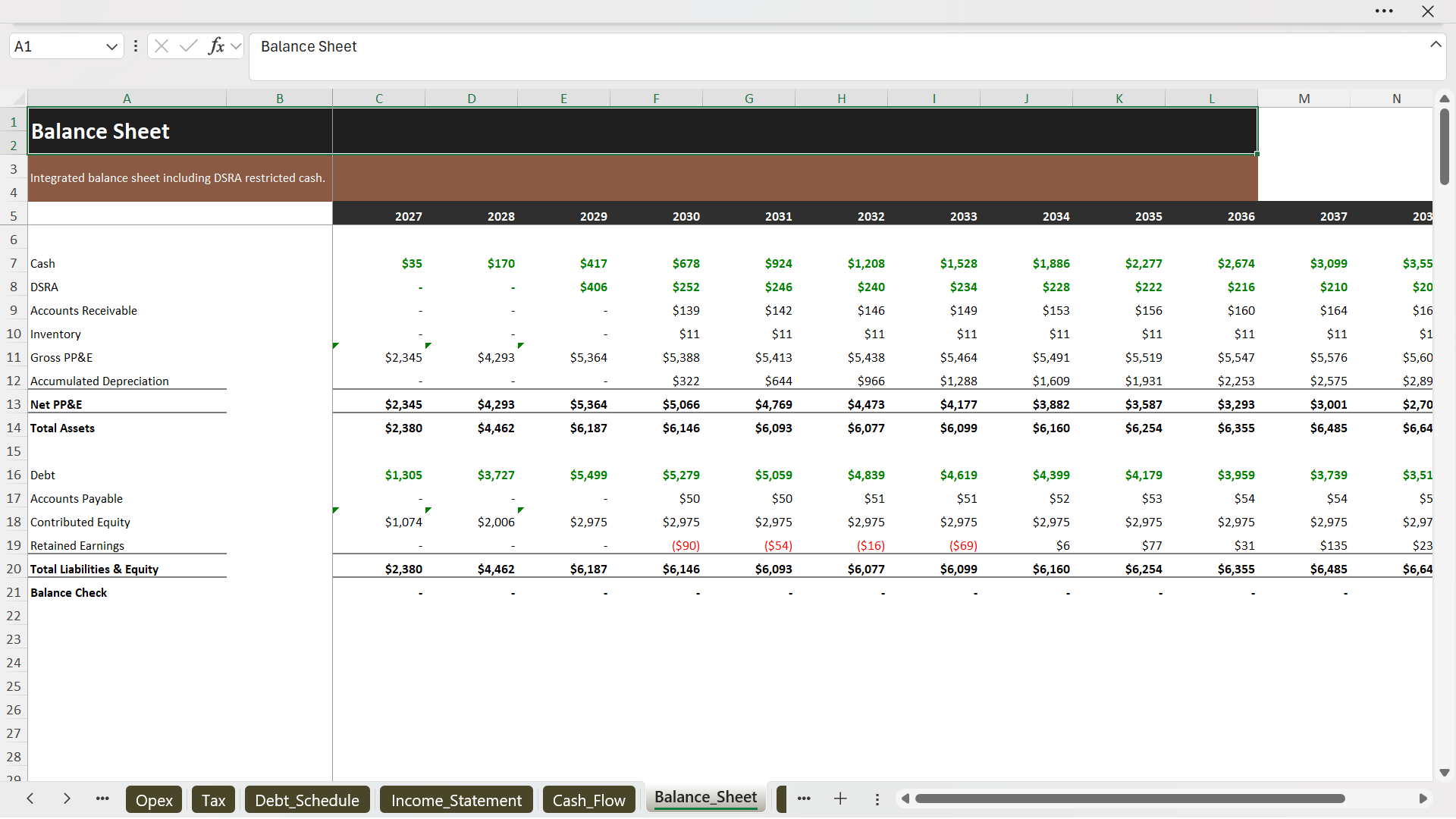
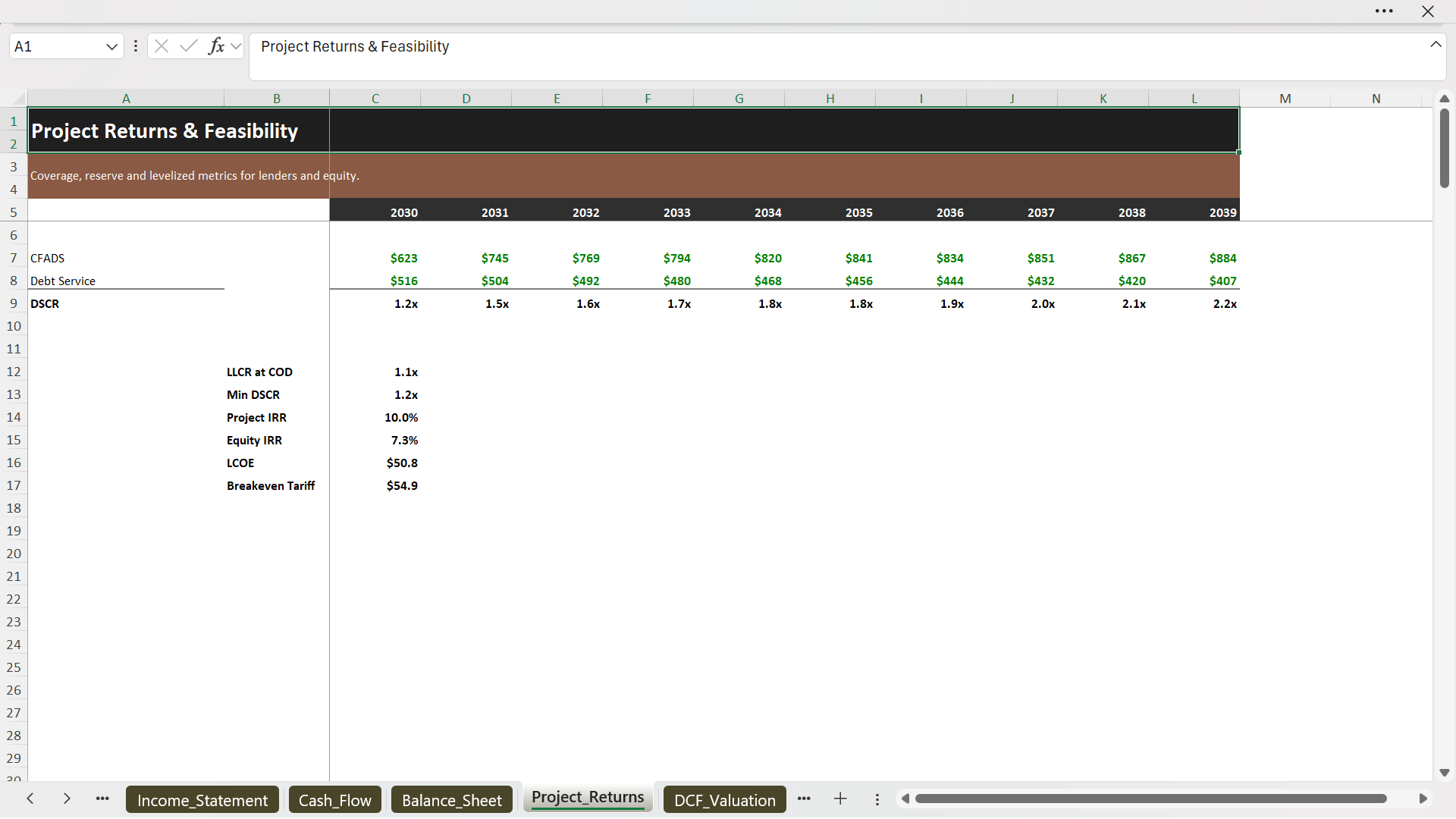
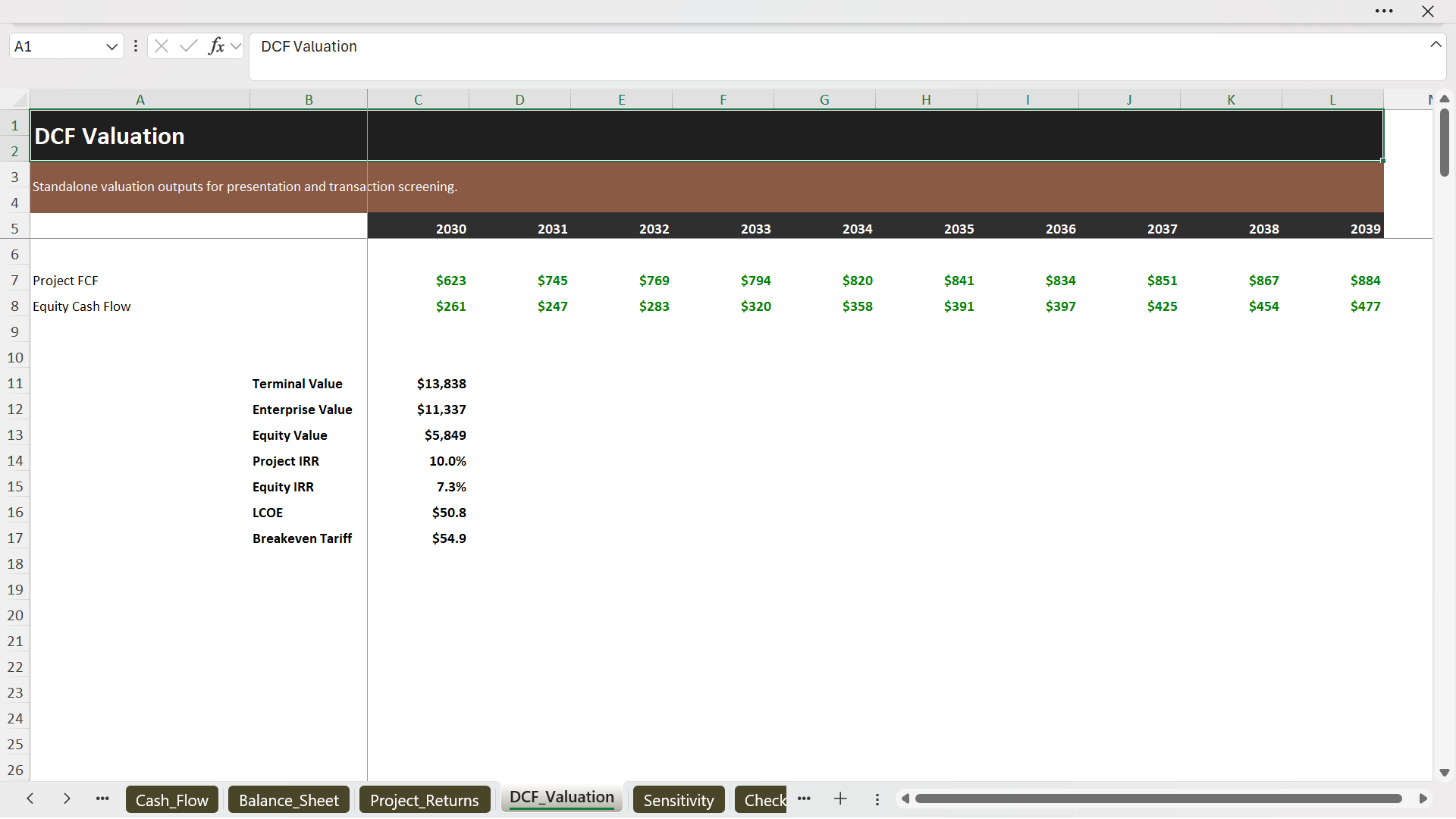
This model suite helps users assess whether a nuclear power project is financially attractive by combining the major project drivers into one integrated workbook. It covers construction planning, plant operations, working capital, debt, tax and depreciation, three financial statements, project returns, DCF valuation, sensitivity analysis, dashboard reporting, and model checks.

What is this model used for?

  • Nuclear power plant feasibility analysis

  • Construction and operations forecasting

  • Long-term financial planning

  • Debt and funding analysis

  • Tax and depreciation modeling

  • Project return and DCF valuation review

  • Sensitivity, checks, and dashboard reporting

What’s included?

  • Standard version for structured project analysis

  • Advanced version for deeper and more detailed review

  • Construction and operating model structure

  • Debt, tax, and depreciation schedules

  • Integrated income statement, cash flow, and balance sheet

  • Project returns and valuation outputs

  • Sensitivity and scenario support

  • Dashboard and built-in checks

Standard + Advanced structure
The Standard version is ideal for users who want a practical and organized model for core project review. It includes sheets for:

  • Cover

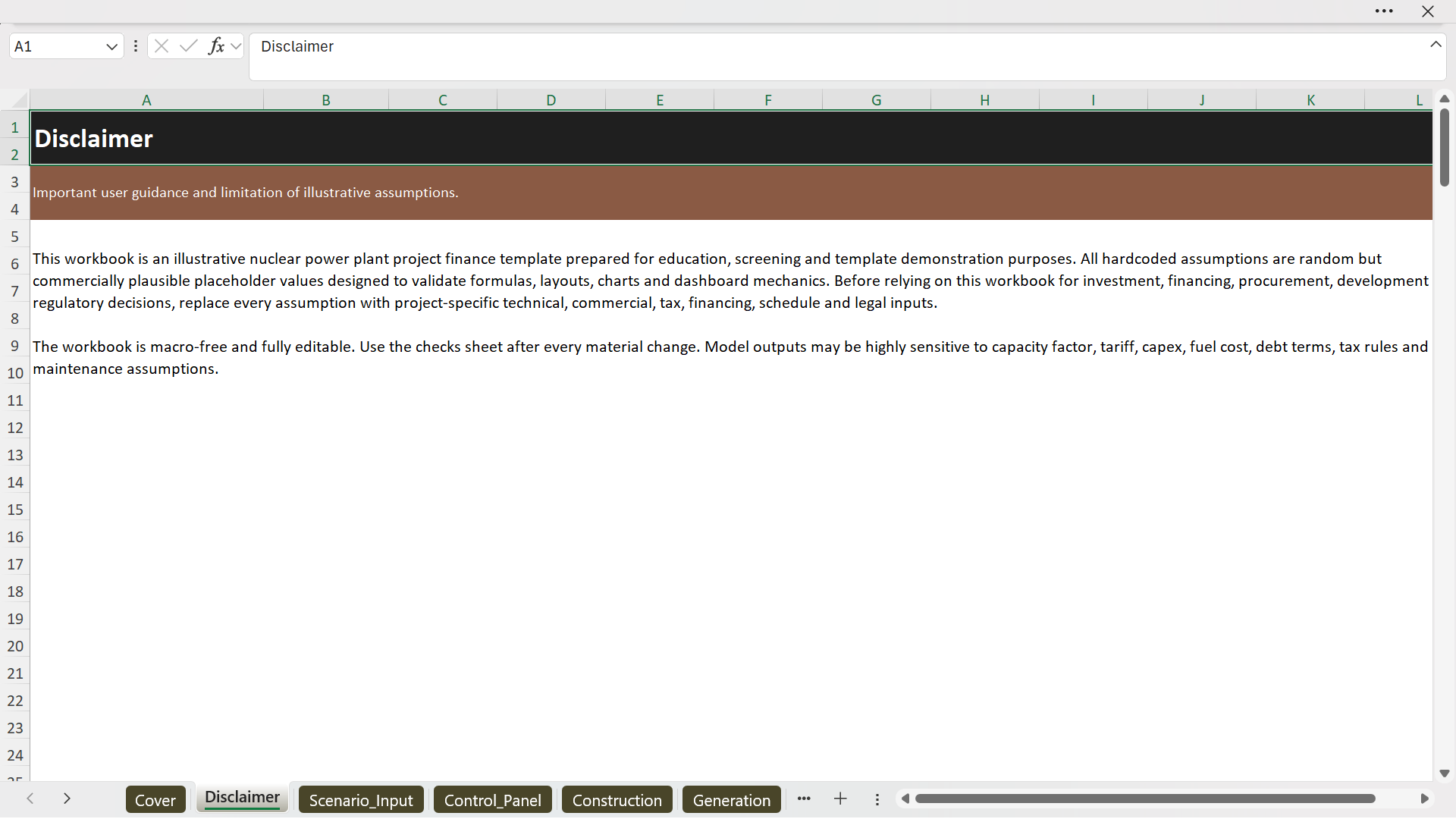
  • Disclaimer

  • Inputs

  • Construction

  • Operations

  • Working Capital

  • Debt

  • Tax Depreciation

  • Income Statement

  • Cash Flow

  • Balance Sheet

  • Valuation

  • Checks

  • Dashboard

The Advanced version is more detailed and is suited for users who want broader analytical depth and stronger control over assumptions. It includes:

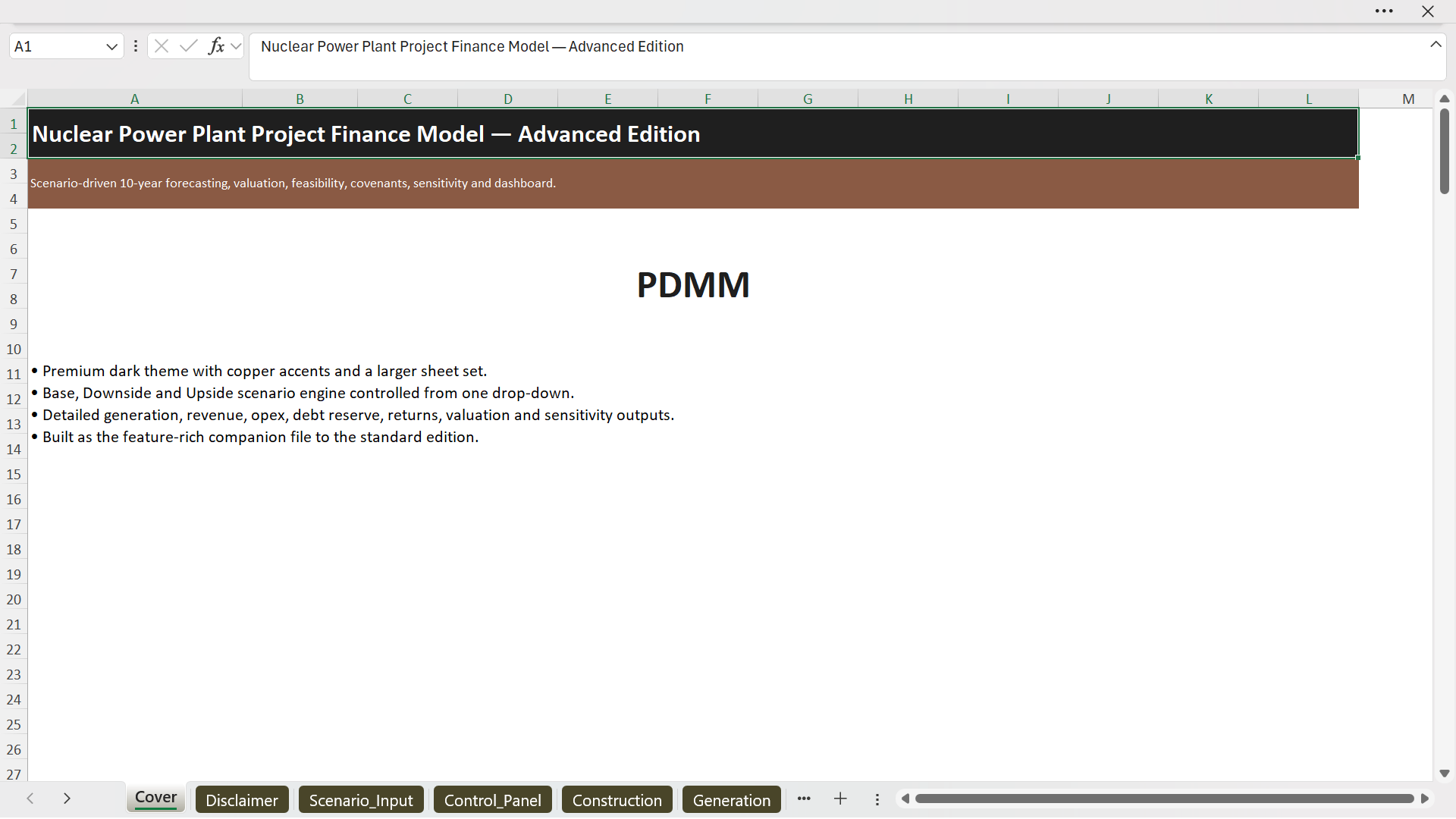
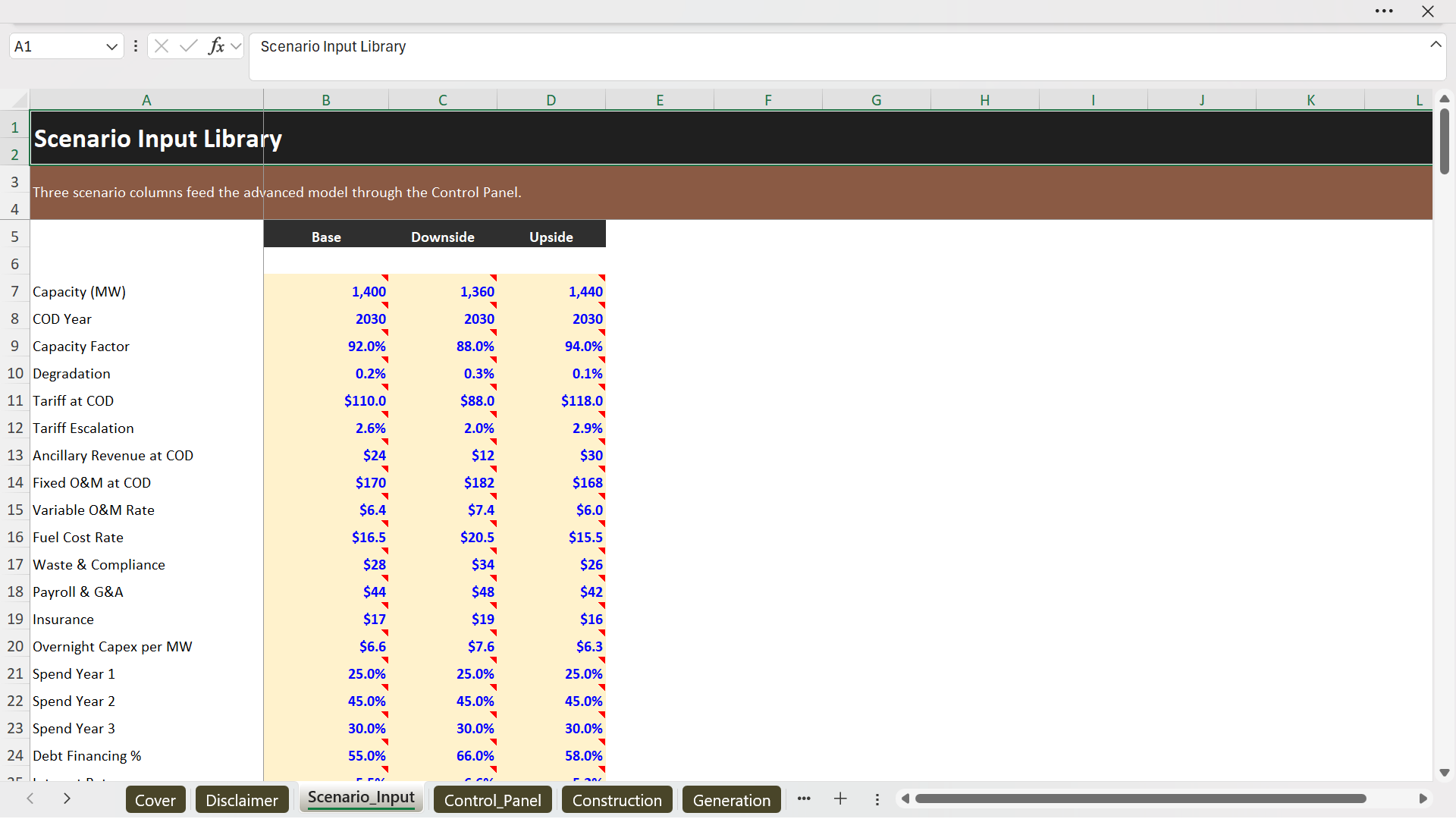
  • Scenario Input

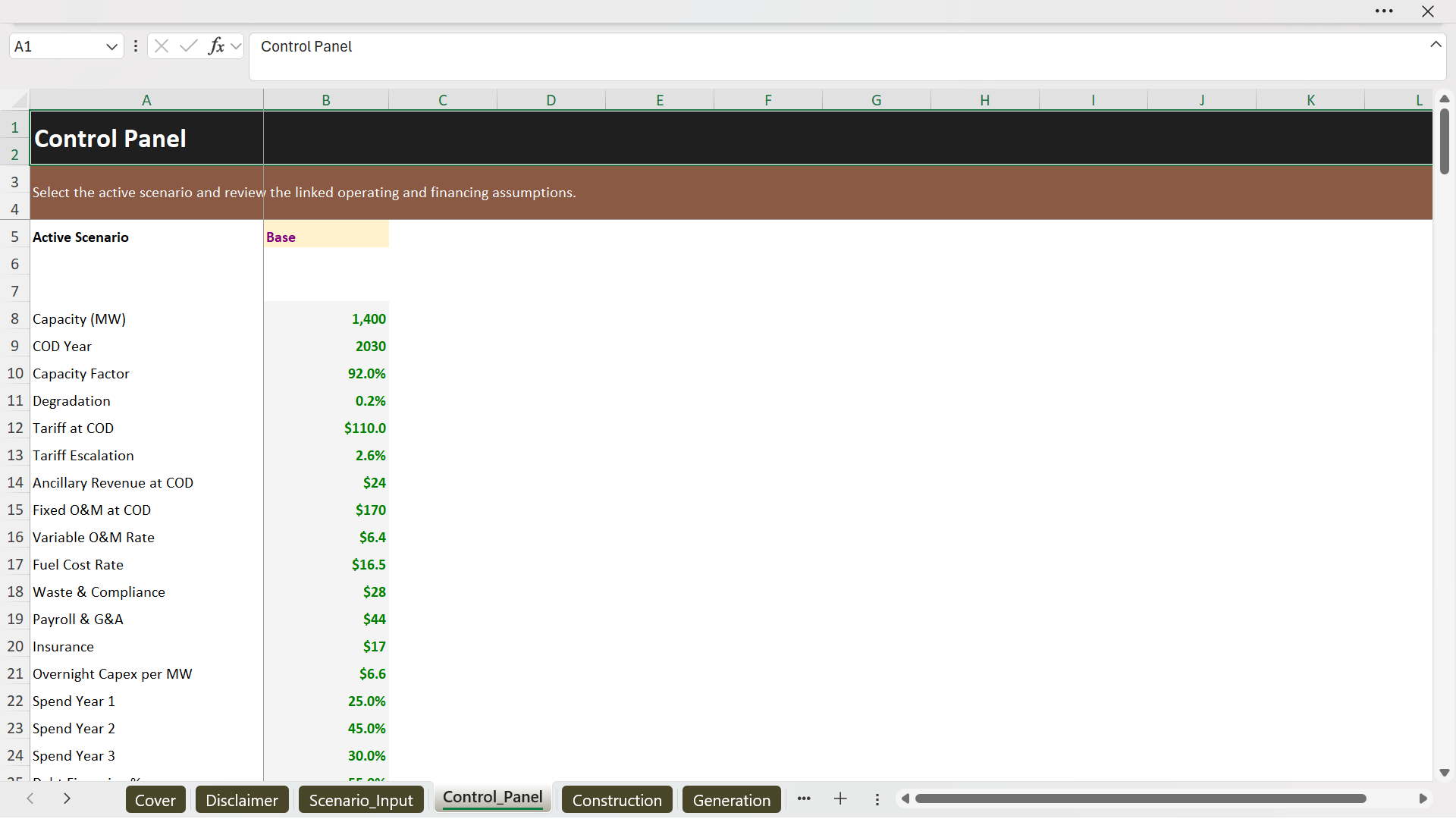
  • Control Panel

  • Construction

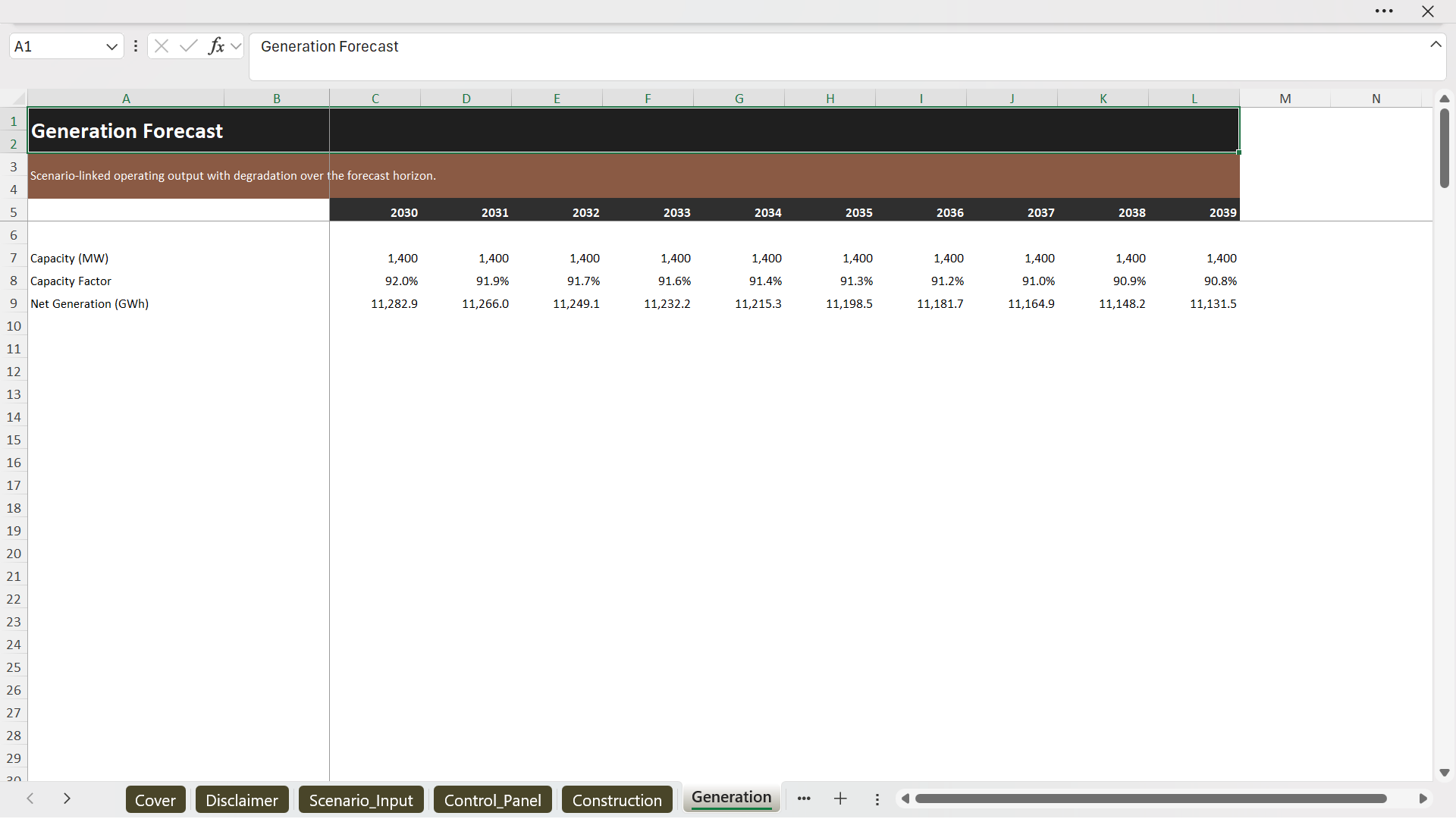
  • Generation

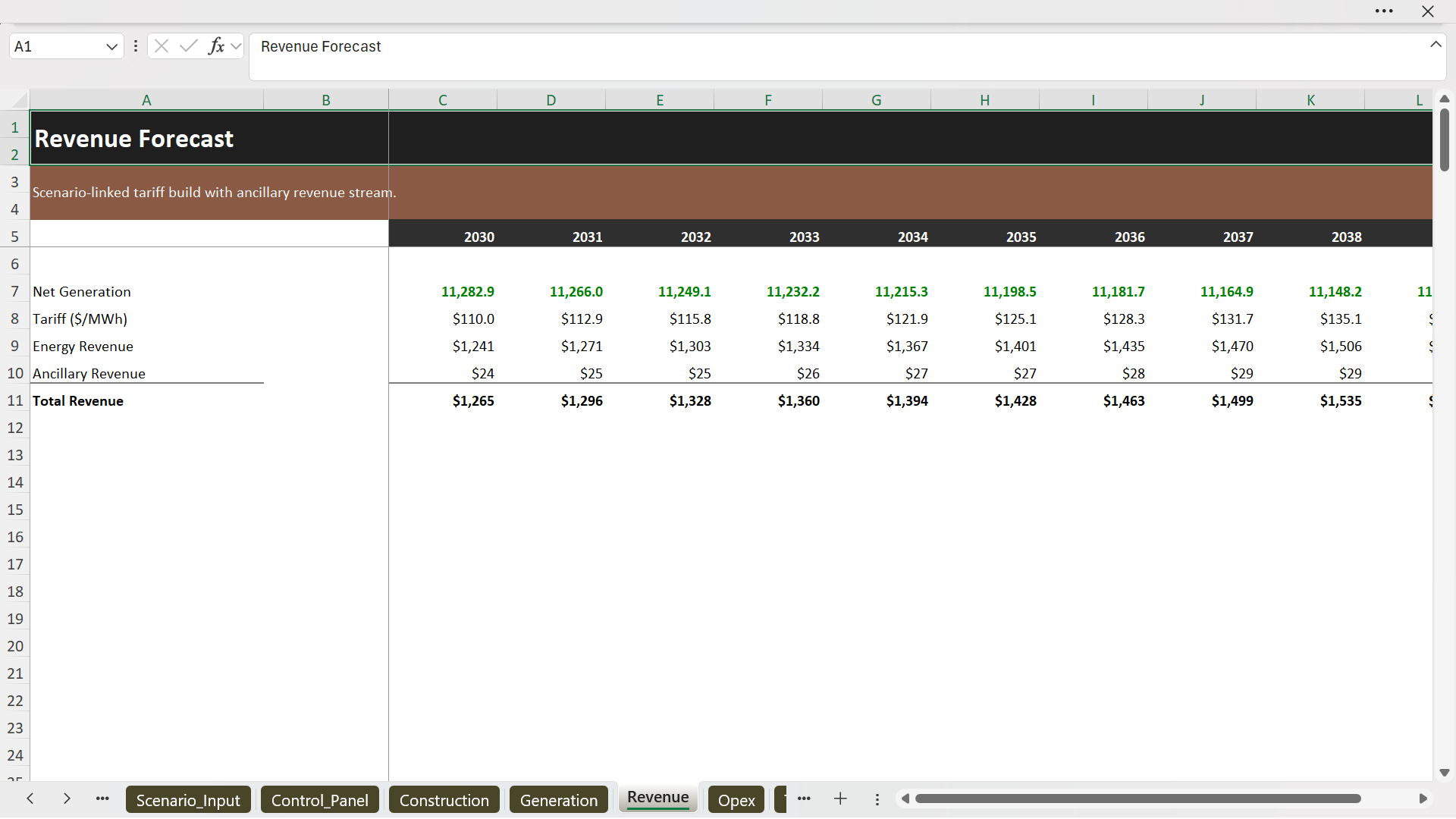
  • Revenue

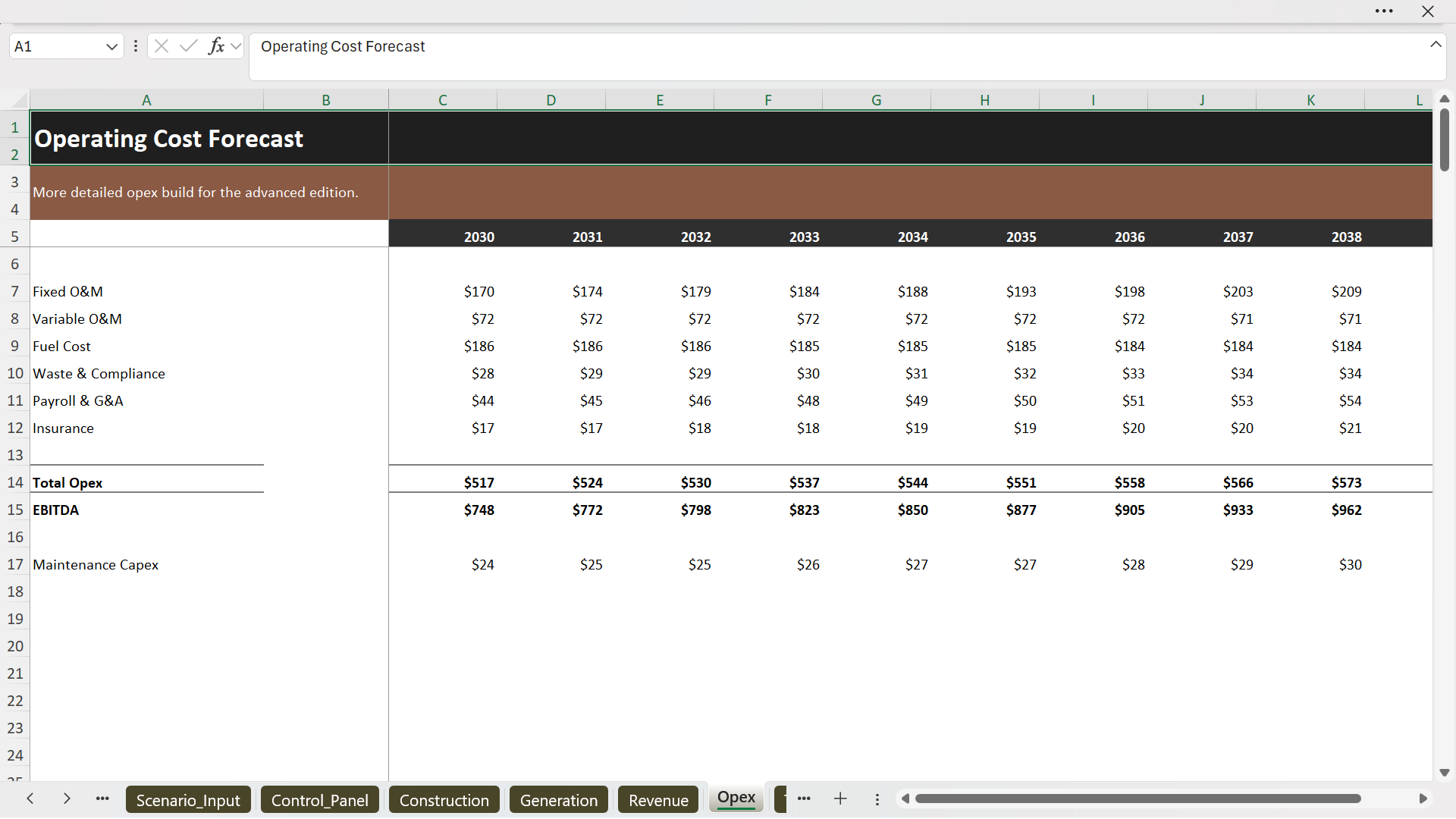
  • Opex

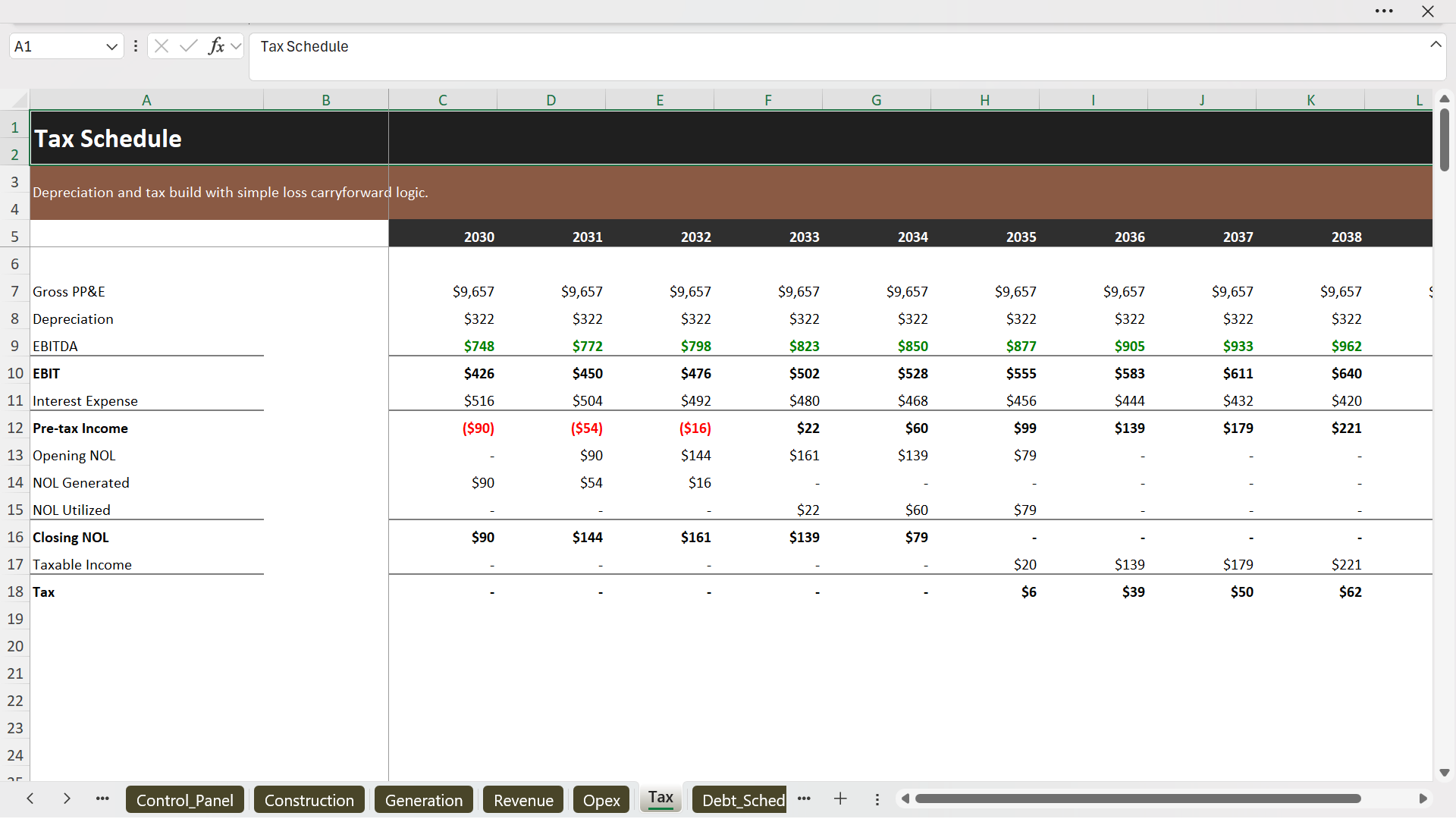
  • Tax

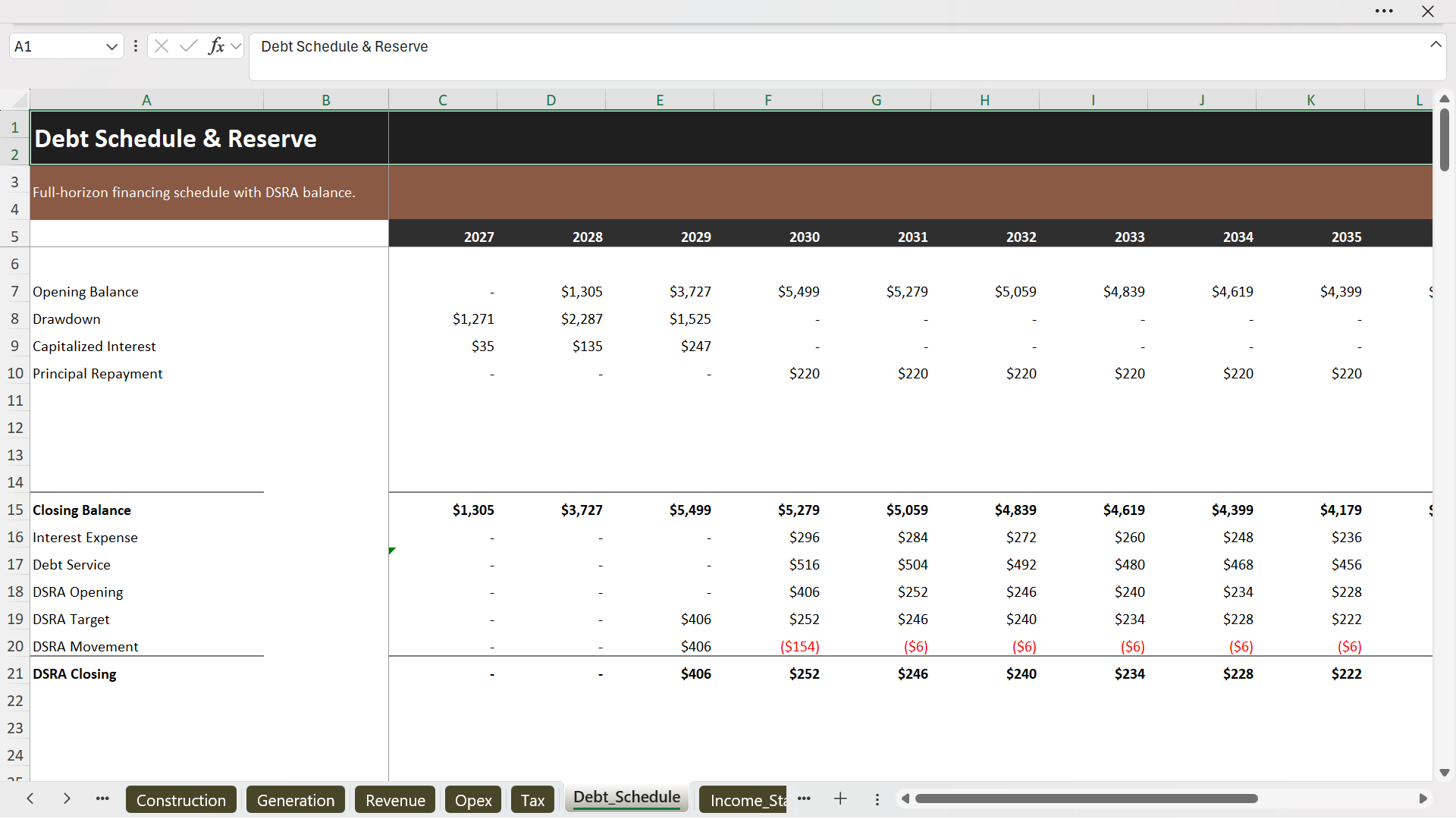
  • Debt Schedule

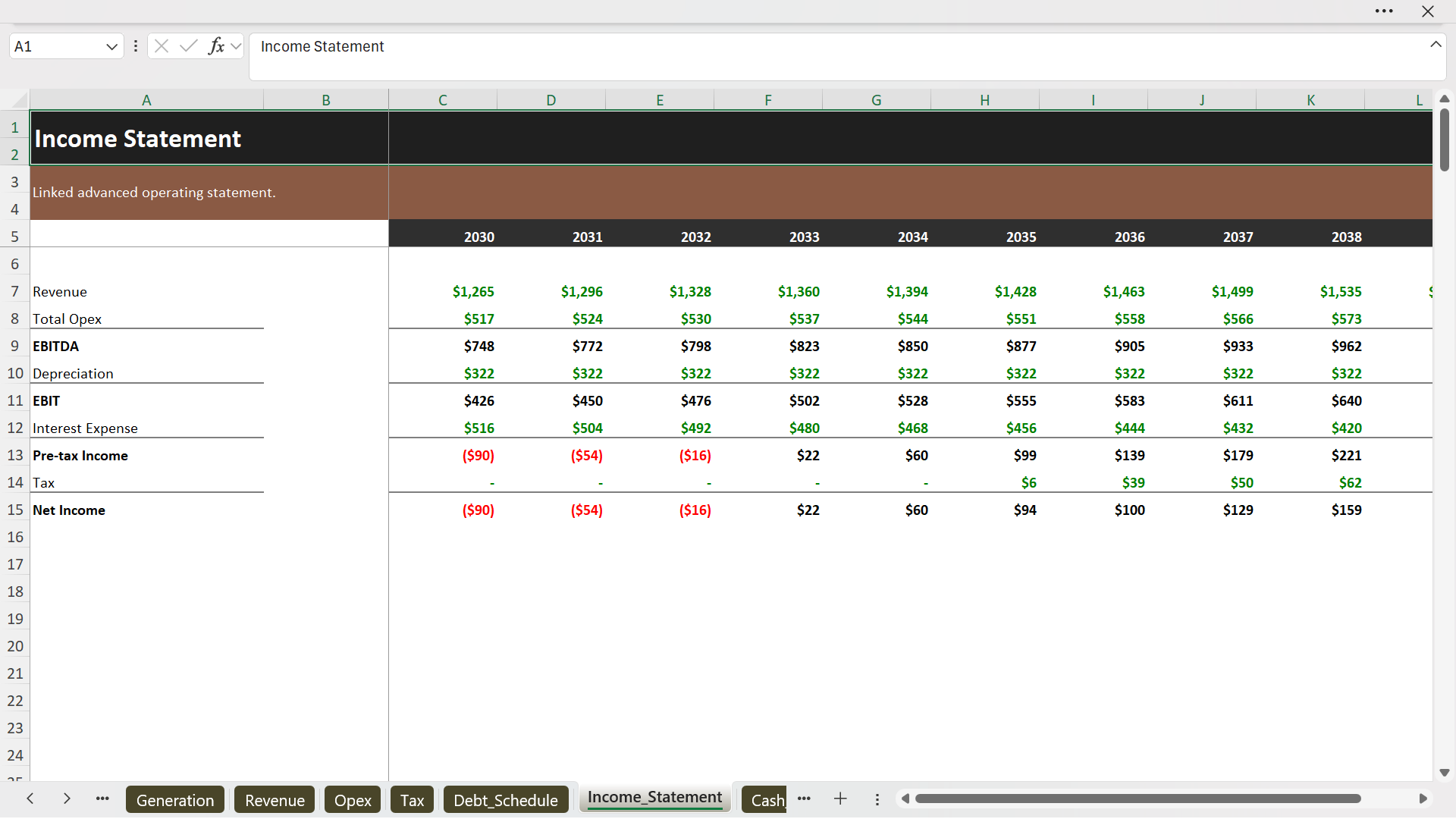
  • Income Statement

  • Cash Flow

  • Balance Sheet

  • Project Returns

  • DCF Valuation

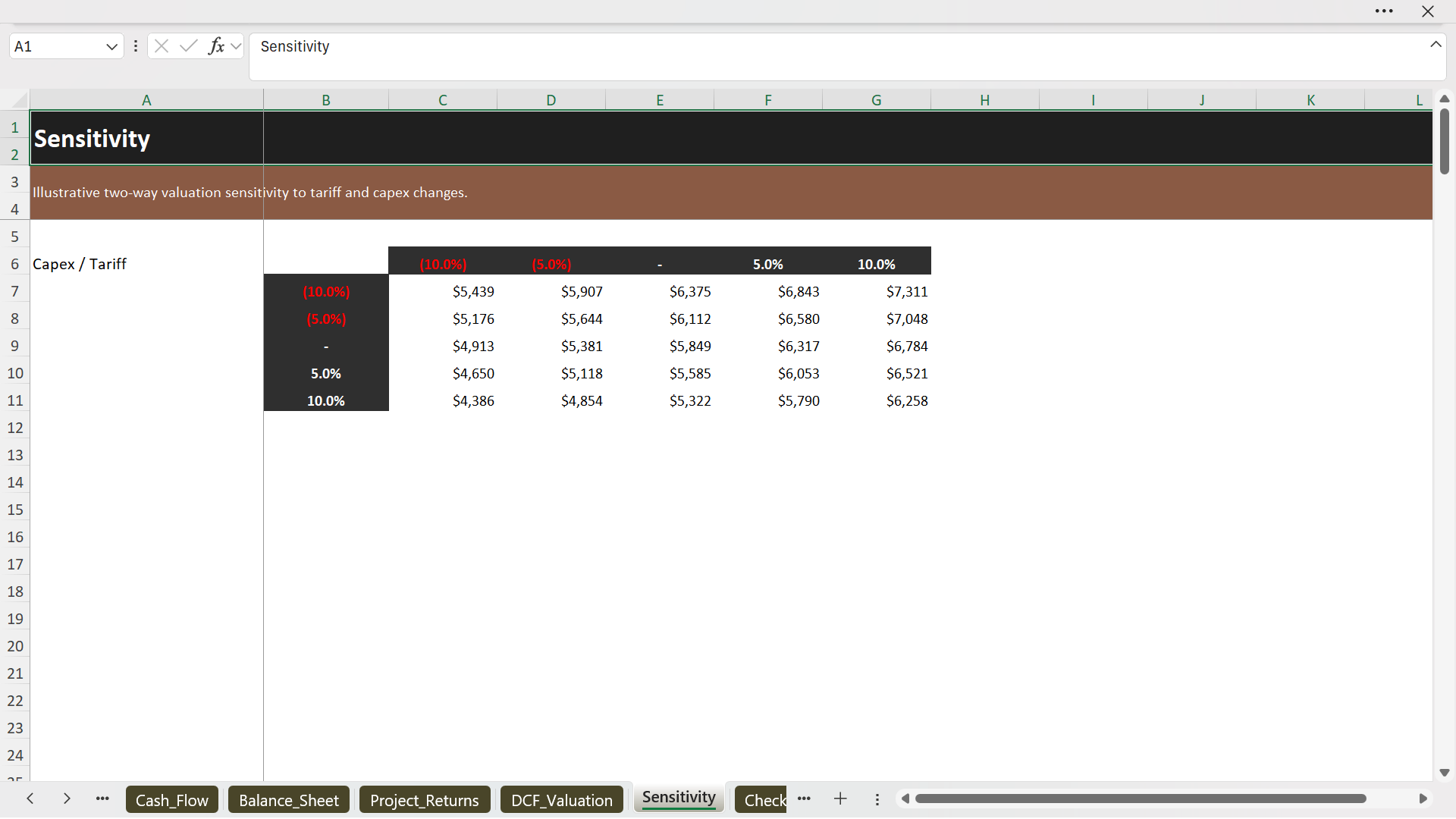
  • Sensitivity

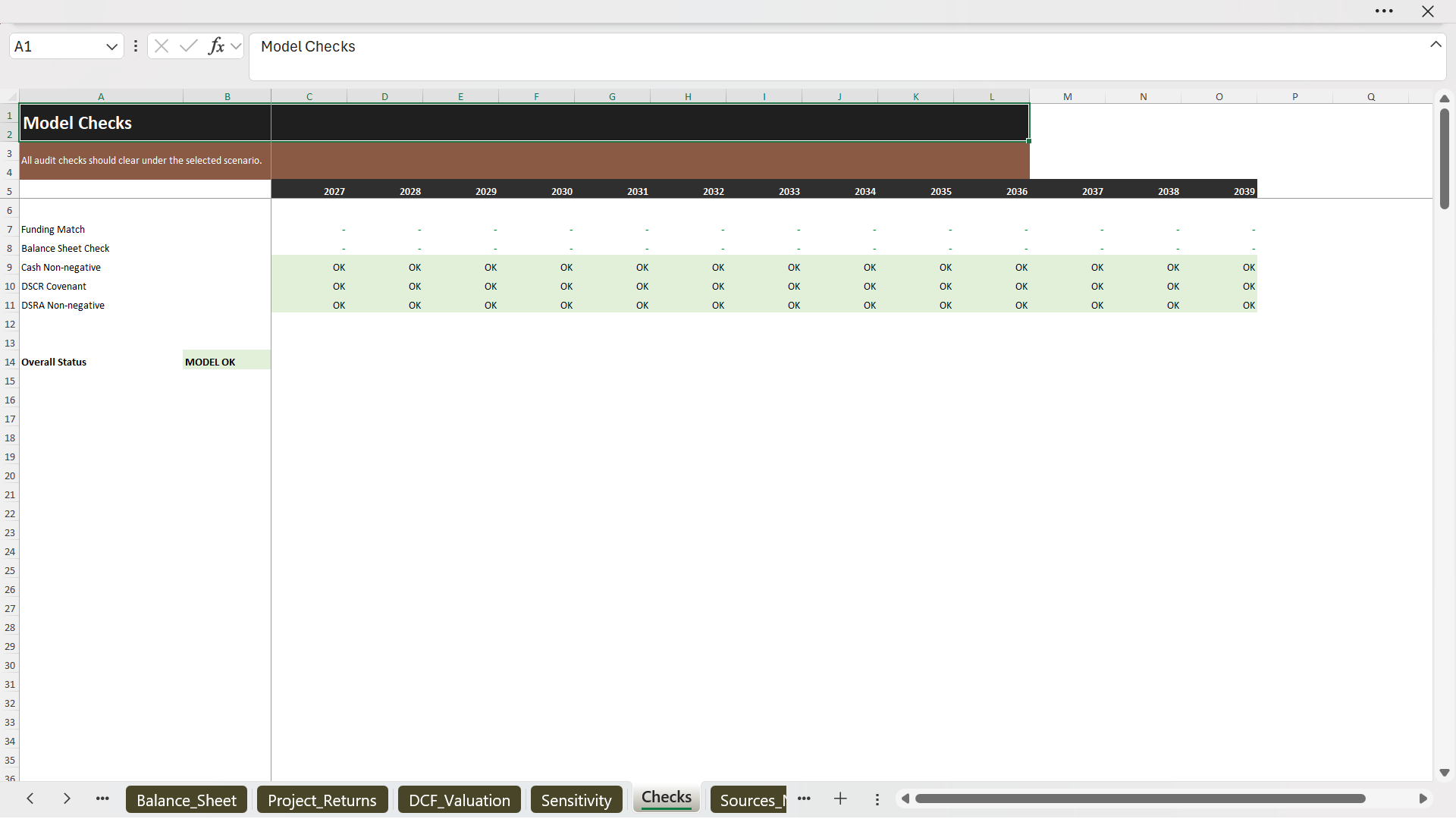
  • Checks

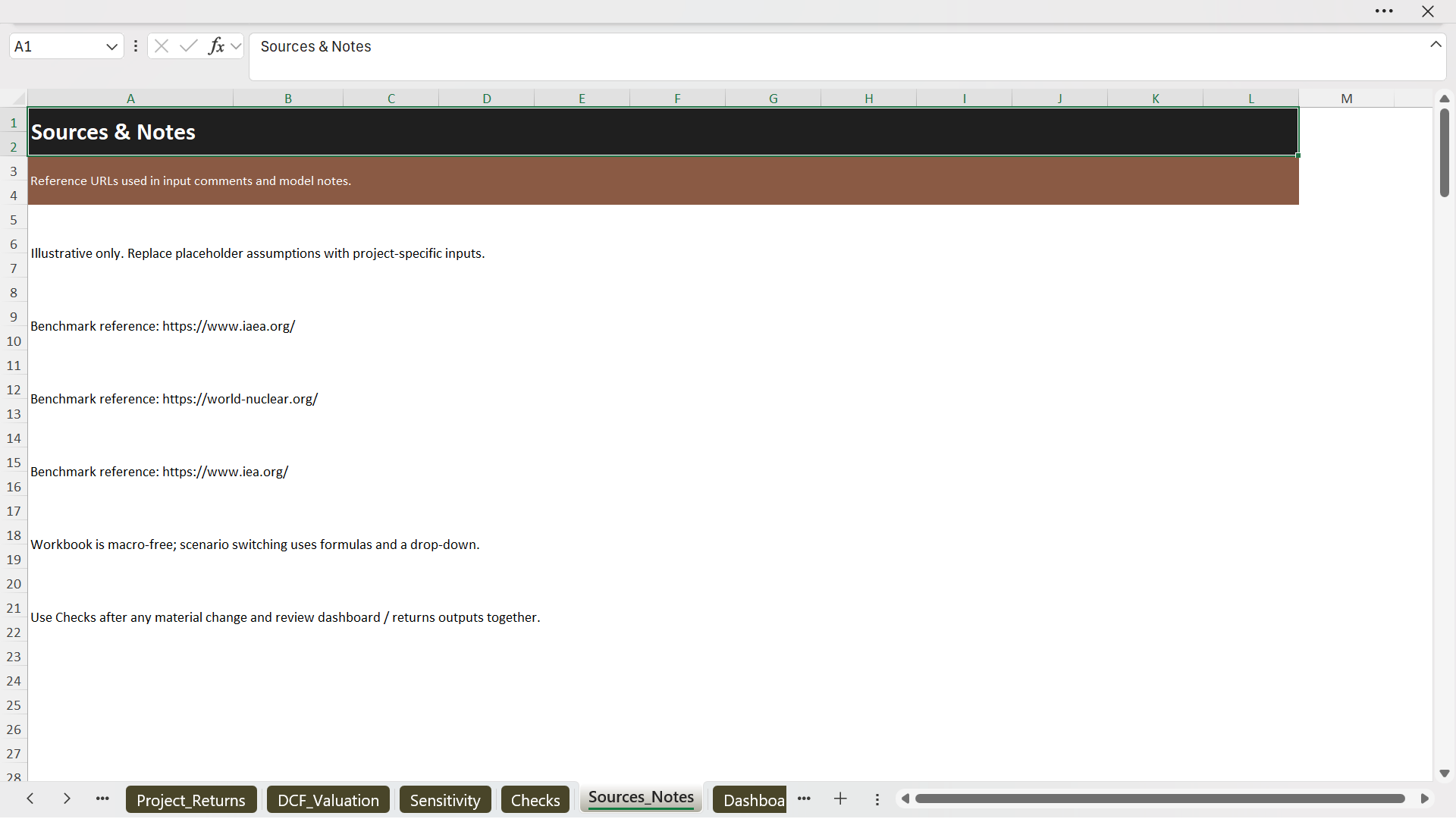
  • Sources Notes

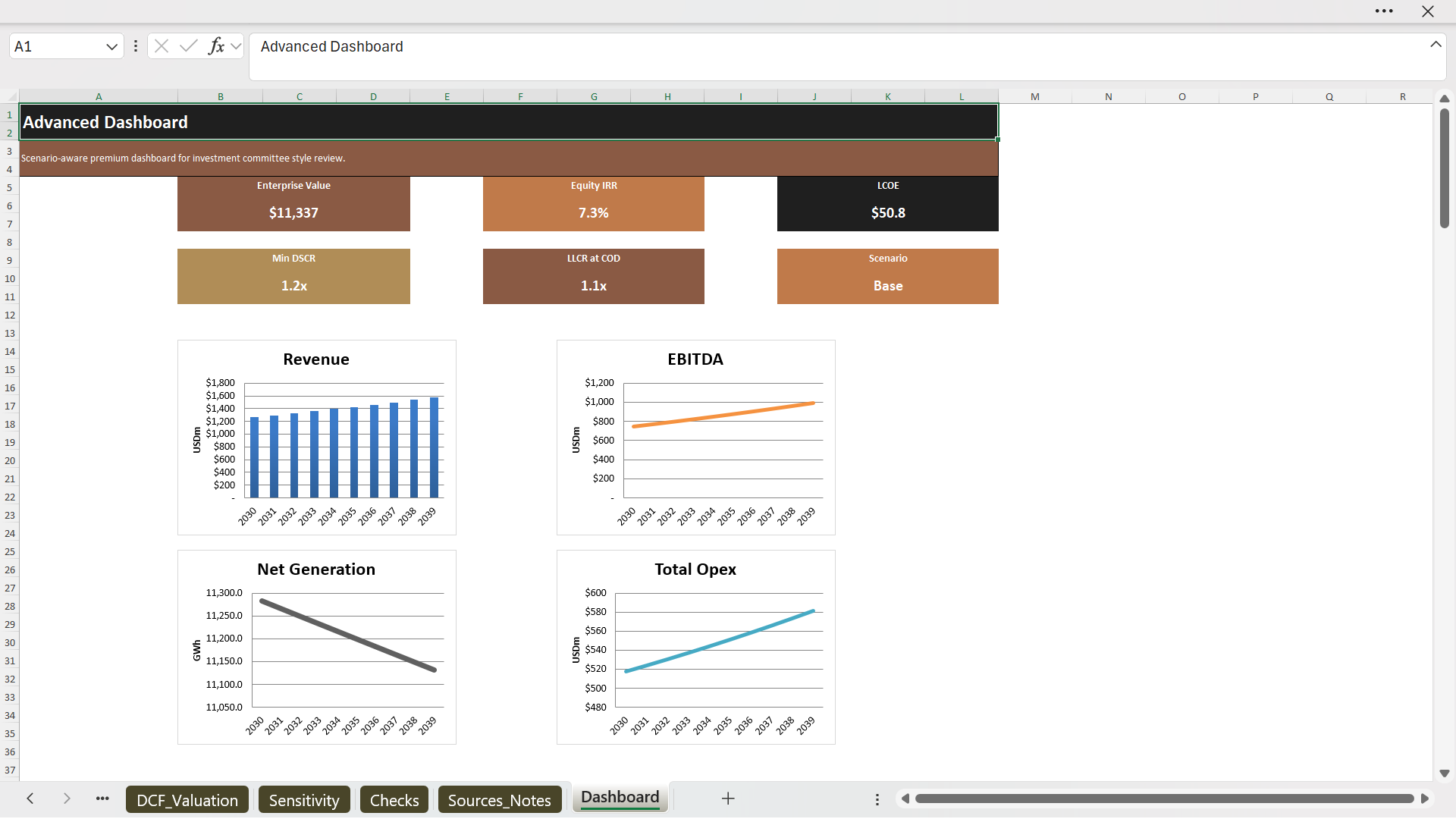
  • Dashboard

This makes the Advanced version better suited for deeper project finance review, downside/upside testing, and presentation-quality analysis.

How to best work with this template
Start by updating the key assumptions, such as:

  • plant capacity

  • construction timing

  • generation assumptions

  • revenue assumptions

  • operating costs

  • tax assumptions

  • debt terms

  • discount rate / valuation assumptions

Once the inputs are updated, the model automatically flows through the construction schedule, operating build-up, financial statements, debt analysis, returns, valuation outputs, and dashboard.

In the Advanced version, the Scenario Input and Control Panel make it easier to test multiple project cases and compare outcomes.

Main highlights

  • Professional Excel structure

  • Construction + operations modeling

  • Generation, revenue, and opex analysis

  • Debt, tax, and depreciation support

  • Integrated 3 financial statements

  • Project returns and DCF valuation

  • Dashboard with KPIs

  • Sensitivity and model checks

Why do you need this Financial Model Template?
Nuclear energy projects are capital-intensive and depend on multiple moving parts. Construction timing, operating performance, financing structure, tax treatment, and long-term generation assumptions all affect project returns. A structured model helps bring these elements together in one place so users can evaluate feasibility, risk, and valuation more clearly.

This template helps you:

  • save modeling time

  • improve consistency

  • review project economics in a structured way

  • test key assumptions more efficiently

  • evaluate long-term value and returns

  • present outputs professionally

Who is it best for?

  • Infrastructure and energy investors

  • Project developers

  • Financial analysts

  • Consultants and advisors

  • Lenders and project finance teams

This Best Practice includes
1 PDF Preview, 1 Excel Model Lite, 1 Excel Model Pro

Acquire business license for $90.00

Add to cart

Add to bookmarks

Discuss

Further information

The Nuclear Power Plant Financial Model Suite is a professional Excel-based template designed to evaluate the financial feasibility, long-term performance, and valuation of a nuclear power plant project. It is built for project developers, infrastructure investors, energy analysts, consultants, lenders, and project finance professionals who need a structured and practical framework for large-scale power generation analysis.

This model suite helps users assess whether a nuclear power project is financially attractive by combining the major project drivers into one integrated workbook. It covers construction planning, plant operations, working capital, debt, tax and depreciation, three financial statements, project returns, DCF valuation, sensitivity analysis, dashboard reporting, and model checks.

What is this model used for?
🔹 Nuclear power plant feasibility analysis
🔹 Construction and operations forecasting
🔹 Long-term financial planning
🔹 Debt and funding analysis
🔹 Tax and depreciation modeling
🔹 Project return and DCF valuation review
🔹 Sensitivity, checks, and dashboard reporting

Nuclear energy projects are capital-intensive and depend on multiple moving parts. Construction timing, operating performance, financing structure, tax treatment, and long-term generation assumptions all affect project returns. A structured model helps bring these elements together in one place so users can evaluate feasibility, risk, and valuation more clearly.

📌 This template helps you:

save modeling time
improve consistency
review project economics in a structured way
test key assumptions more efficiently
evaluate long-term value and returns
present outputs professionally
Who is it best for?
👨‍💼 Infrastructure and energy investors
🏗️ Project developers
📊 Financial analysts
🧾 Consultants and advisors
🏦 Lenders and project finance teams


0.0 / 5 (0 votes)

please wait...