
Originally published: 22/04/2025 08:45
Publication number: ELQ-33388-1
View all versions & Certificate
Publication number: ELQ-33388-1
View all versions & Certificate

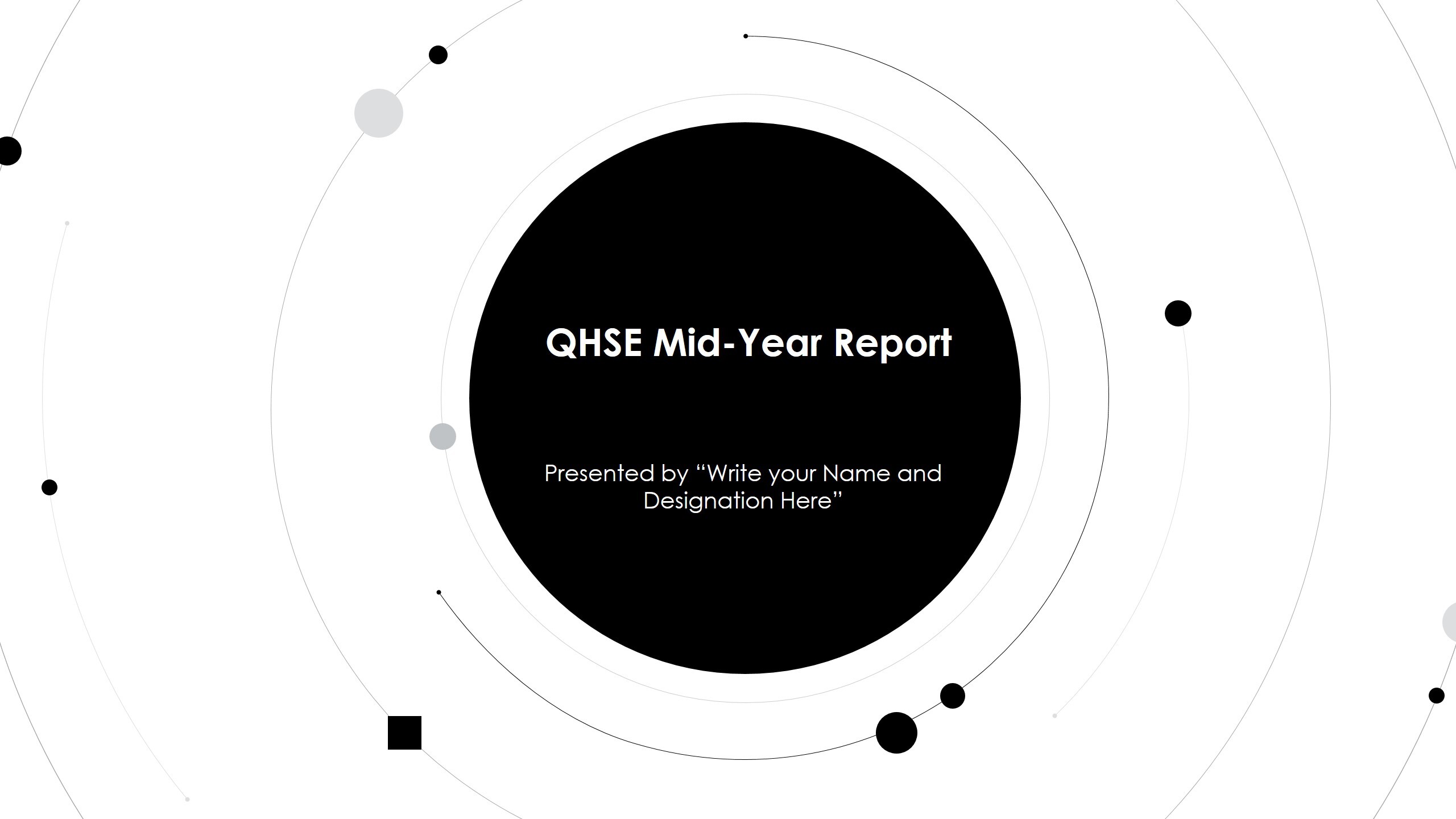
QHSE Mid Year Report
Assesses QHSE performance, achievements, challenges, trends, and improvement actions."
Description
Objective:
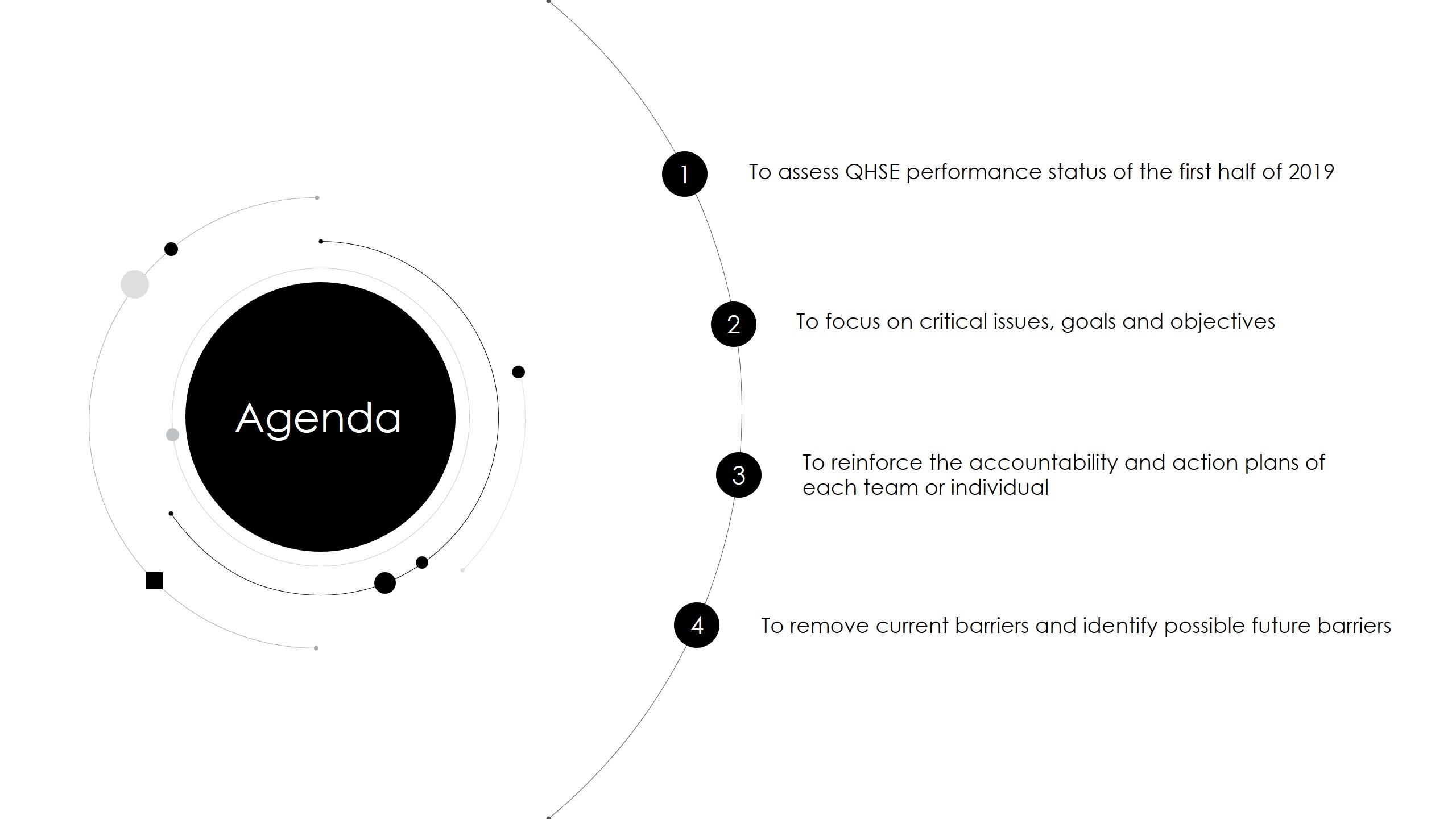
Create a comprehensive QHSE Mid-Year Report to assess the organization's performance in Quality, Health, Safety, and Environment (QHSE) domains. This report aims to provide stakeholders with insights into key achievements, challenges, and areas for improvement during the first half of the year, guiding strategic decisions and continuous improvement efforts.
About the QHSE Mid-Year Report:
Our QHSE Mid-Year Report offers a detailed analysis of the organization's QHSE performance from January to June. It highlights achievements, trends, incidents, and initiatives related to quality management, health and safety protocols, and environmental sustainability efforts. By presenting data-driven insights and actionable recommendations, this report serves as a valuable tool for enhancing QHSE performance and promoting a culture of excellence.
Key Components:
Executive Summary:
Provides an overview of the QHSE Mid-Year Report, summarizing key findings, achievements, and challenges.
Performance Metrics:
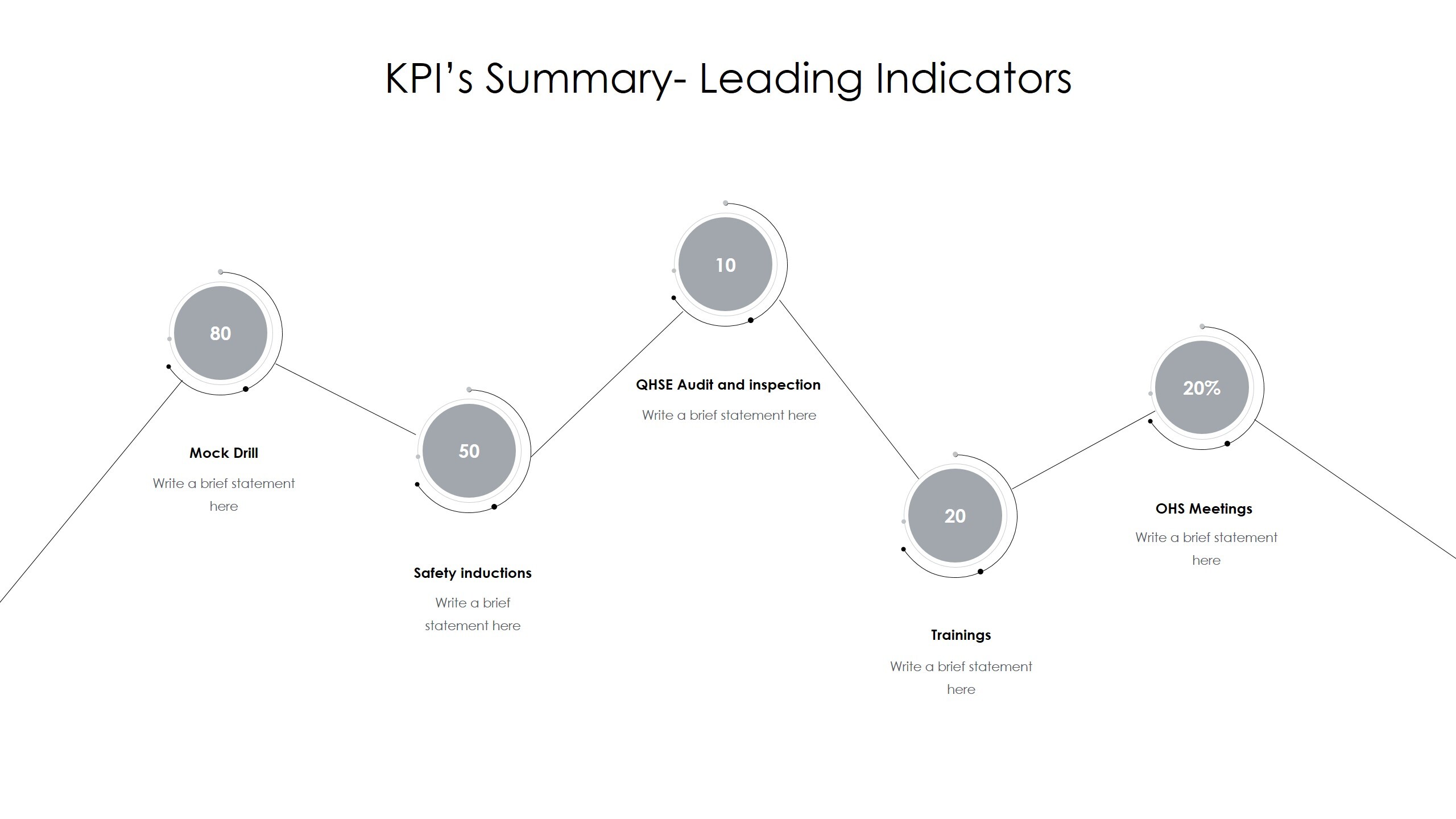
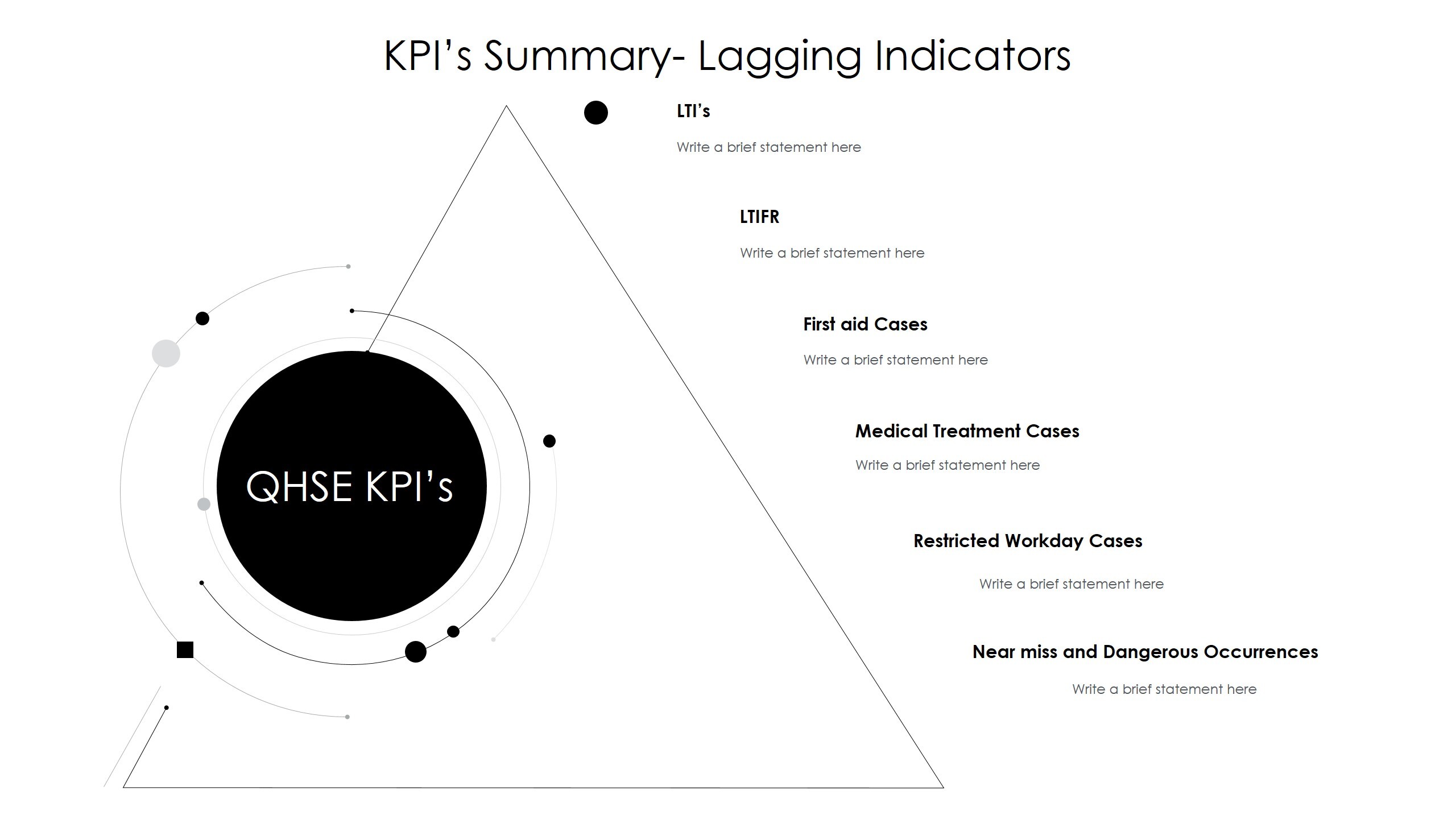
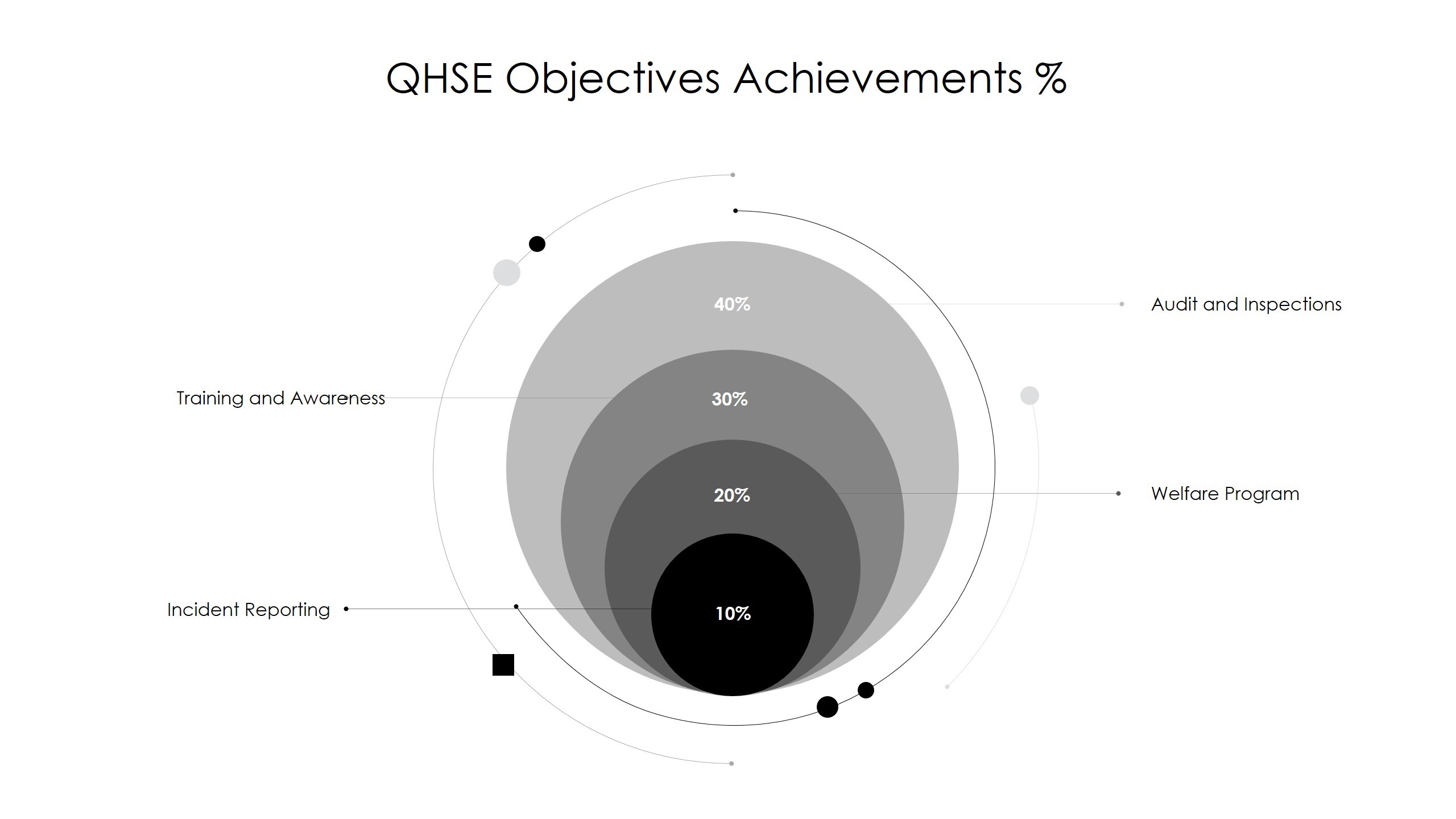
Presents quantitative and qualitative data on QHSE performance indicators, including incident rates, compliance levels, audit findings, and employee engagement metrics.
Trend Analysis:
Identifies trends and patterns in QHSE performance over the year's first half, highlighting areas of improvement and potential risks.
Key Achievements:
Celebrates successes and milestones achieved in QHSE initiatives, such as certification achievements, safety improvements, and environmental conservation efforts.
Incident Analysis:
Reviews major incidents, near misses, and safety violations that occurred during the reporting period, analyzing root causes and corrective actions taken.
Initiatives and Action Plans:
Describes ongoing and upcoming QHSE initiatives, including training programs, process improvements, and sustainability projects, along with associated action plans.
Recommendations:
Provides actionable recommendations for addressing identified gaps, improving QHSE performance, and mitigating risks in the second half of the year.
How to Use:
Review Performance Metrics:
Analyze performance metrics and trend data to identify strengths, weaknesses, and areas for improvement in QHSE performance.
Celebrate Achievements:
Recognize and celebrate key achievements and milestones attained in QHSE initiatives, fostering a culture of excellence and recognition.
Address Challenges:
Address challenges and incidents highlighted in the report by implementing corrective actions and preventive measures to mitigate risks.
Plan Future Initiatives:
Use insights from the report to inform the development of future QHSE initiatives and action plans, prioritizing areas with the greatest impact.
Engage Stakeholders:
Share the QHSE Mid-Year Report with stakeholders across the organization, soliciting feedback and fostering collaboration in QHSE improvement efforts.
Benefits:
Performance Transparency: Provides stakeholders with a transparent view of QHSE performance, fostering accountability and trust.
Data-Driven Decision-Making: Empowers leaders to make informed decisions based on objective data and trend analysis.
Continuous Improvement: Guides continuous improvement efforts by identifying areas for enhancement and recommending actionable solutions.
Risk Mitigation: Helps mitigate risks by addressing incidents, non-compliance issues, and safety hazards on time.
Stakeholder Engagement: Engages employees and stakeholders in QHSE initiatives, promoting ownership and commitment to organizational goals.
Objective:
Create a comprehensive QHSE Mid-Year Report to assess the organization's performance in Quality, Health, Safety, and Environment (QHSE) domains. This report aims to provide stakeholders with insights into key achievements, challenges, and areas for improvement during the first half of the year, guiding strategic decisions and continuous improvement efforts.
About the QHSE Mid-Year Report:
Our QHSE Mid-Year Report offers a detailed analysis of the organization's QHSE performance from January to June. It highlights achievements, trends, incidents, and initiatives related to quality management, health and safety protocols, and environmental sustainability efforts. By presenting data-driven insights and actionable recommendations, this report serves as a valuable tool for enhancing QHSE performance and promoting a culture of excellence.
Key Components:
Executive Summary:
Provides an overview of the QHSE Mid-Year Report, summarizing key findings, achievements, and challenges.
Performance Metrics:
Presents quantitative and qualitative data on QHSE performance indicators, including incident rates, compliance levels, audit findings, and employee engagement metrics.
Trend Analysis:
Identifies trends and patterns in QHSE performance over the year's first half, highlighting areas of improvement and potential risks.
Key Achievements:
Celebrates successes and milestones achieved in QHSE initiatives, such as certification achievements, safety improvements, and environmental conservation efforts.
Incident Analysis:
Reviews major incidents, near misses, and safety violations that occurred during the reporting period, analyzing root causes and corrective actions taken.
Initiatives and Action Plans:
Describes ongoing and upcoming QHSE initiatives, including training programs, process improvements, and sustainability projects, along with associated action plans.
Recommendations:
Provides actionable recommendations for addressing identified gaps, improving QHSE performance, and mitigating risks in the second half of the year.
How to Use:
Review Performance Metrics:
Analyze performance metrics and trend data to identify strengths, weaknesses, and areas for improvement in QHSE performance.
Celebrate Achievements:
Recognize and celebrate key achievements and milestones attained in QHSE initiatives, fostering a culture of excellence and recognition.
Address Challenges:
Address challenges and incidents highlighted in the report by implementing corrective actions and preventive measures to mitigate risks.
Plan Future Initiatives:
Use insights from the report to inform the development of future QHSE initiatives and action plans, prioritizing areas with the greatest impact.
Engage Stakeholders:
Share the QHSE Mid-Year Report with stakeholders across the organization, soliciting feedback and fostering collaboration in QHSE improvement efforts.
Benefits:
Performance Transparency: Provides stakeholders with a transparent view of QHSE performance, fostering accountability and trust.
Data-Driven Decision-Making: Empowers leaders to make informed decisions based on objective data and trend analysis.
Continuous Improvement: Guides continuous improvement efforts by identifying areas for enhancement and recommending actionable solutions.
Risk Mitigation: Helps mitigate risks by addressing incidents, non-compliance issues, and safety hazards on time.
Stakeholder Engagement: Engages employees and stakeholders in QHSE initiatives, promoting ownership and commitment to organizational goals.
This Best Practice includes
1 Power Point Slide