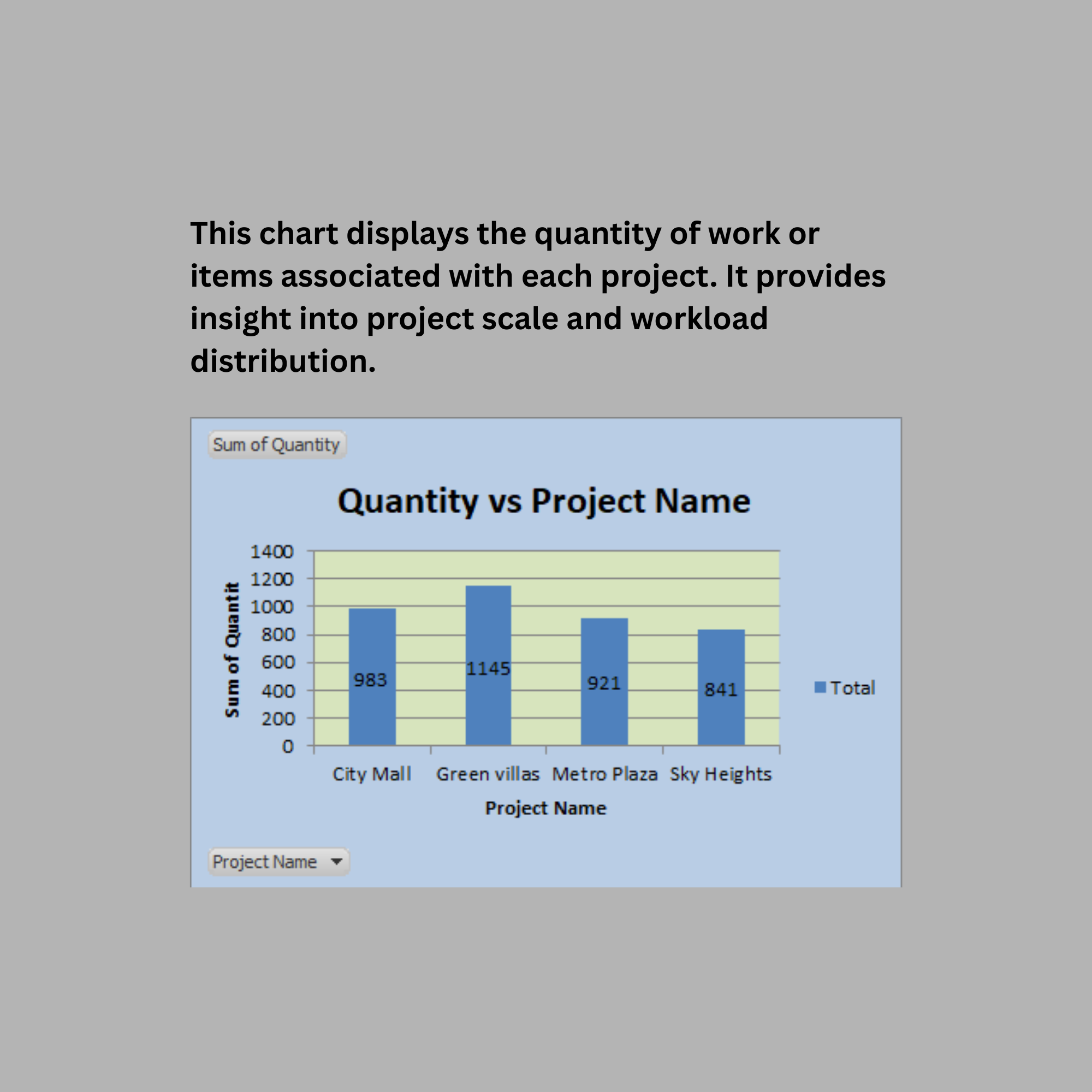
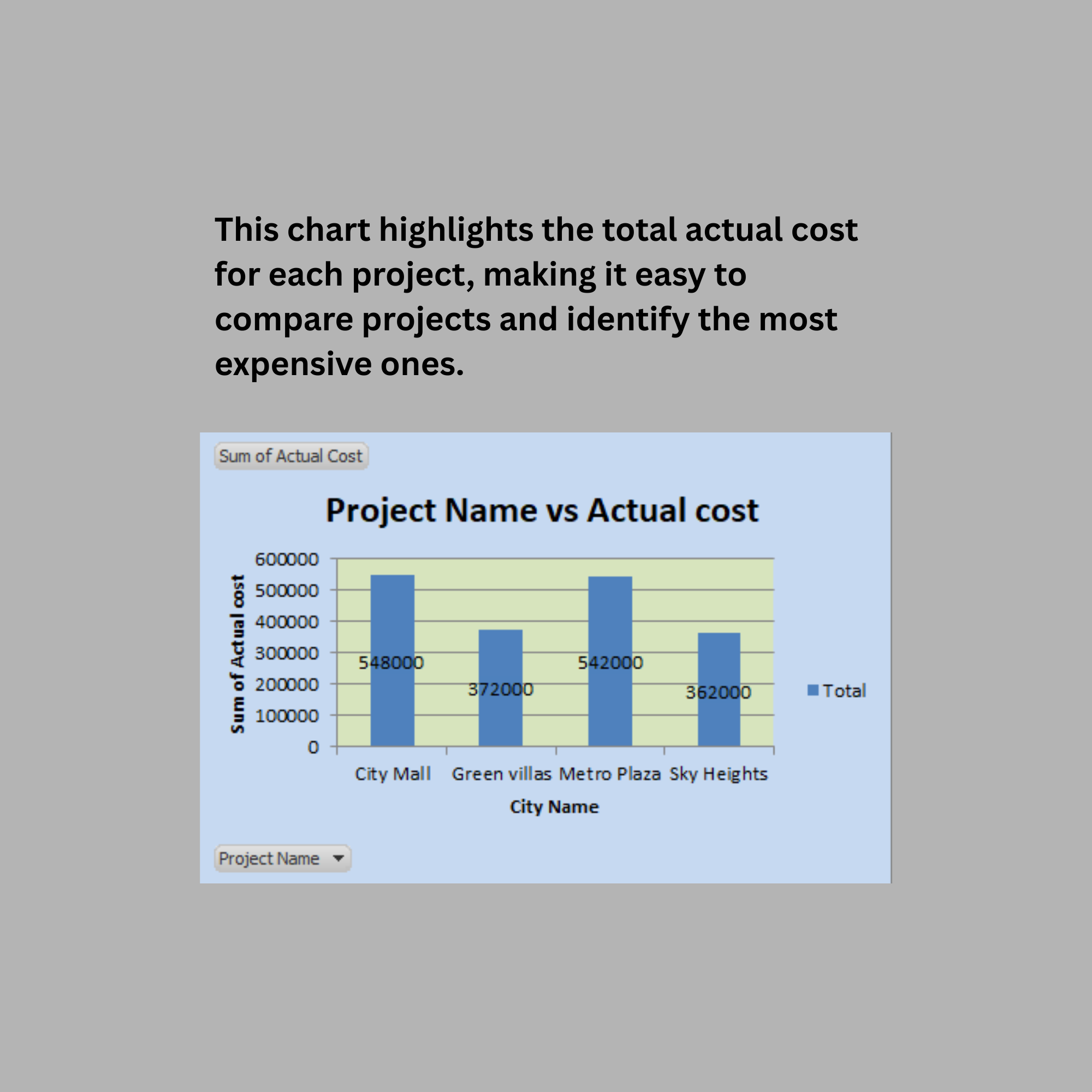
Construction Cost Control Dashboard (Excel)
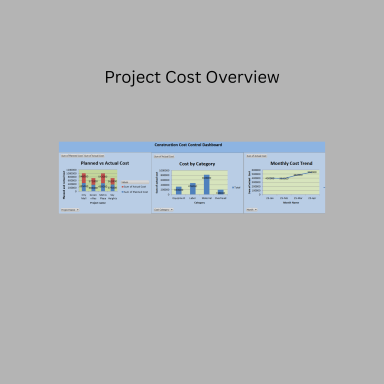
Construction Cost Control Dashboard (Excel)
Further information
Objectives of This Downloadable Best Practice
The objective of this Construction Cost Control Dashboard is to help construction professionals monitor, analyze, and control project costs in a structured and data-driven way.
This dashboard enables users to:
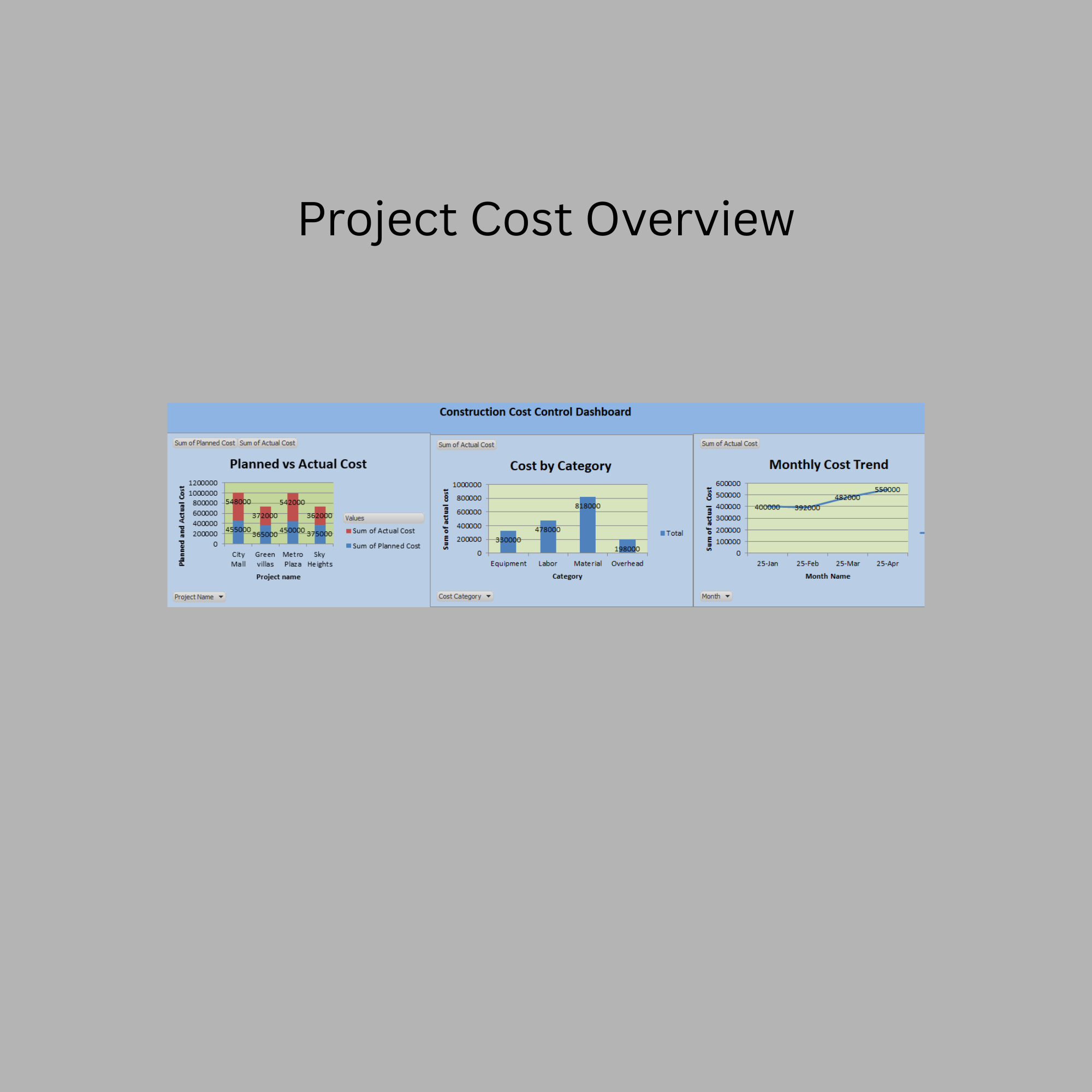
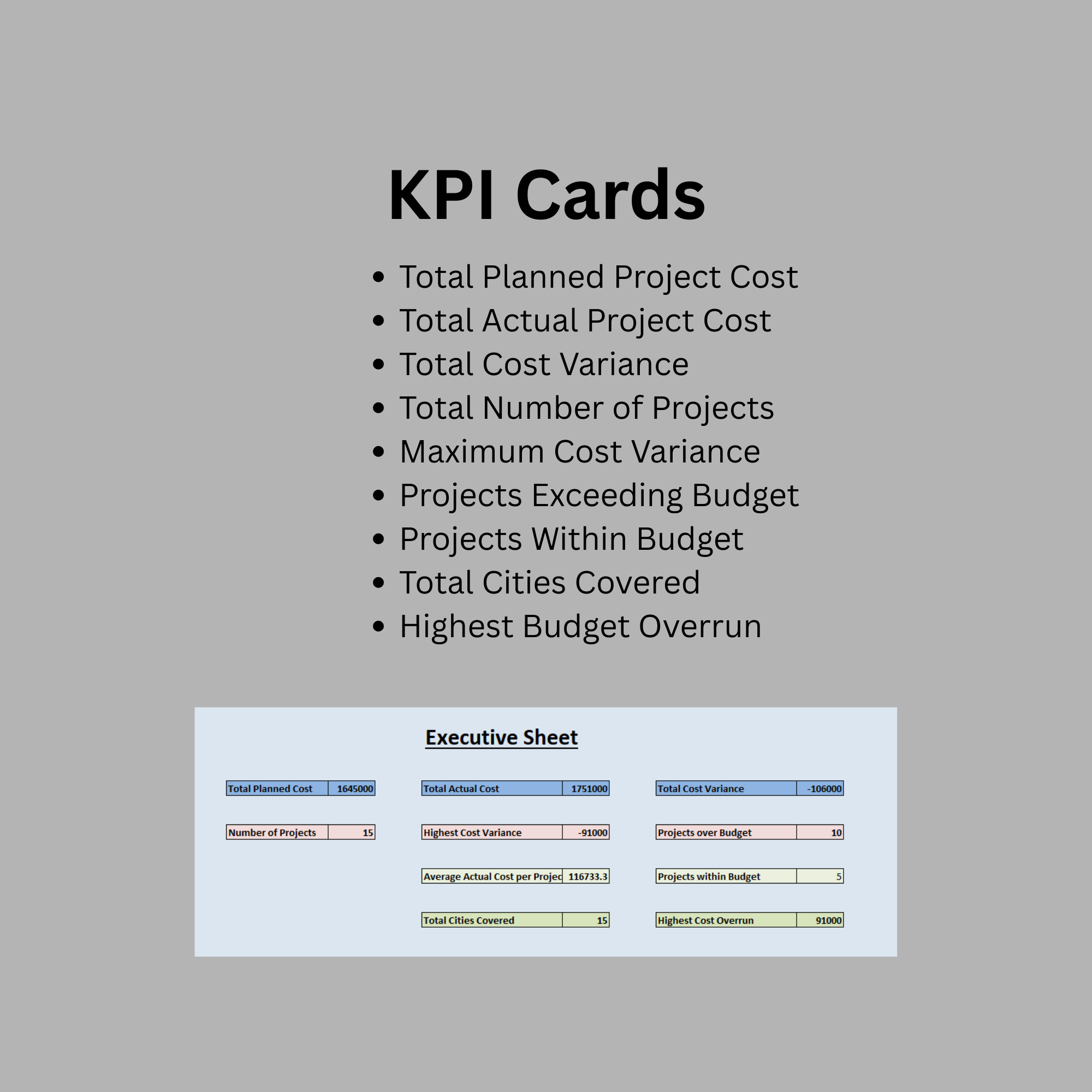
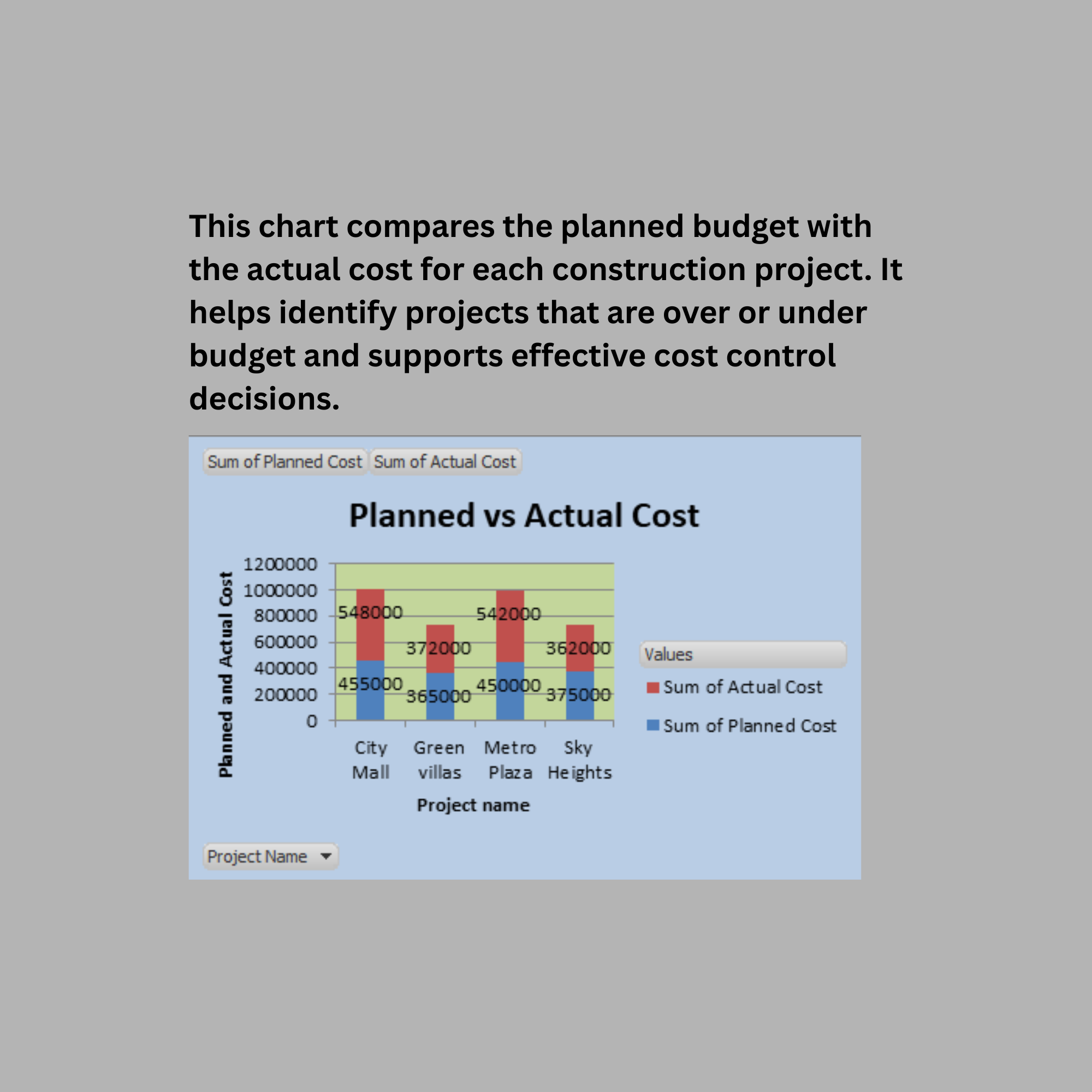
Track planned vs actual costs across multiple projects
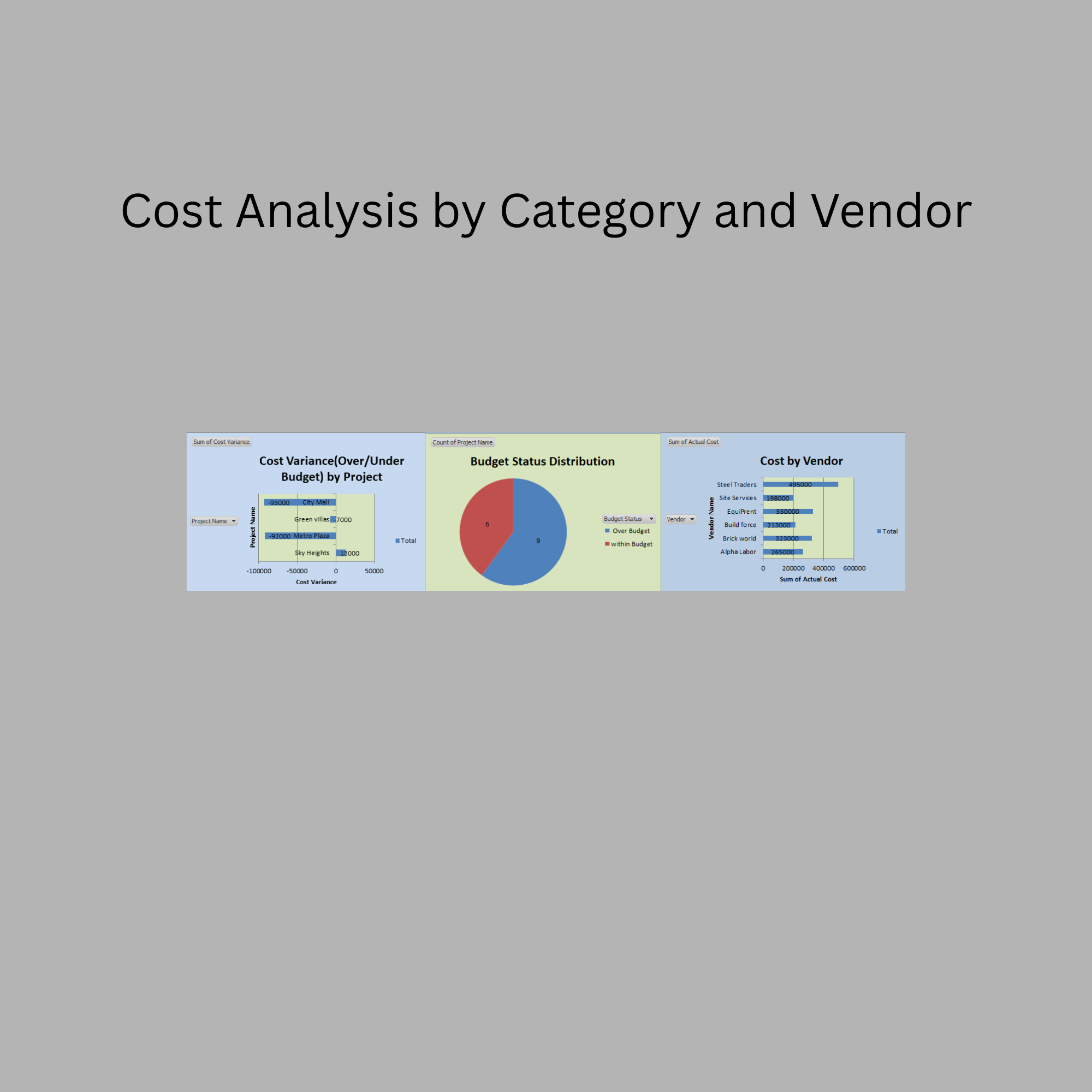
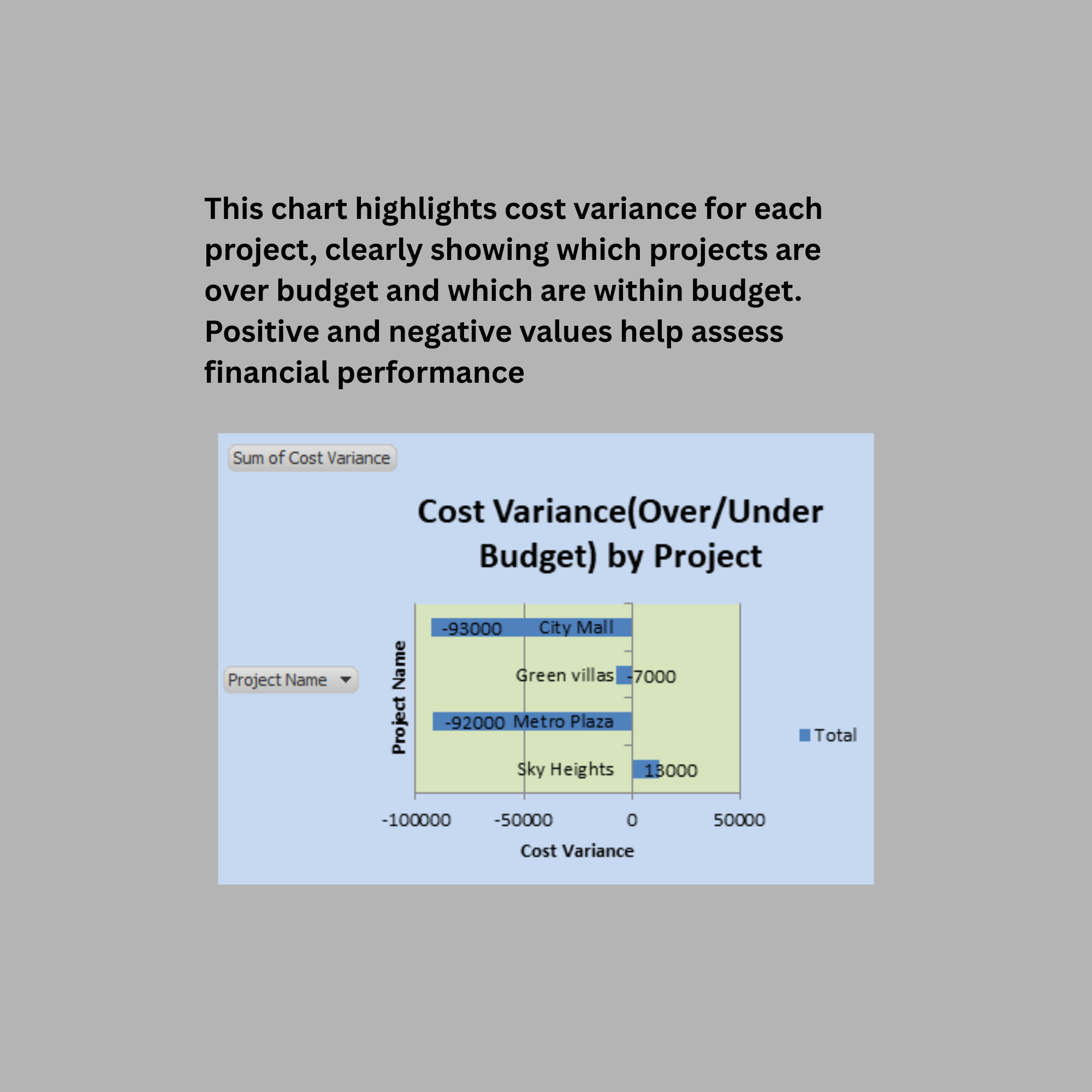
Identify cost overruns and cost variances early
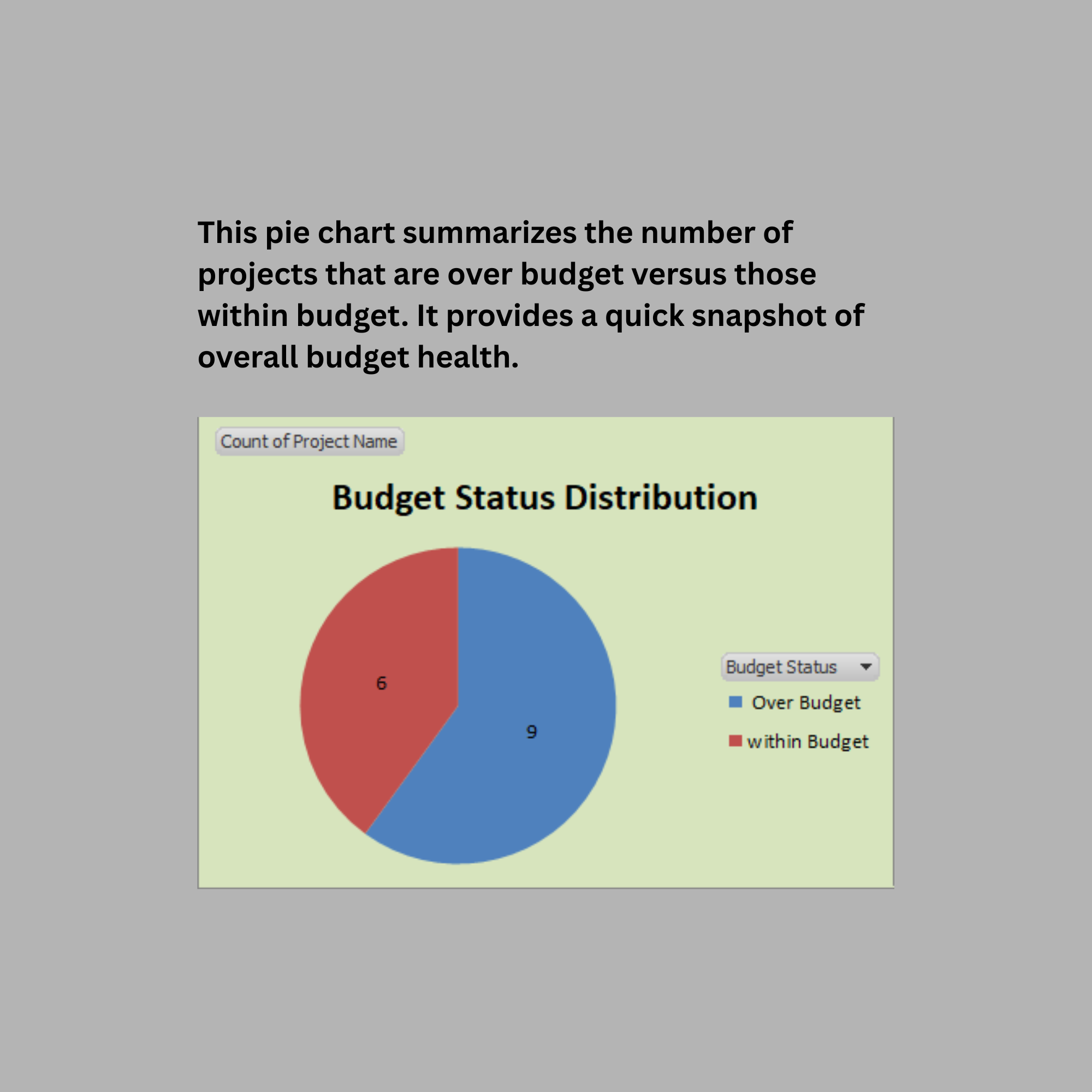
Monitor budget status (under or over budget)
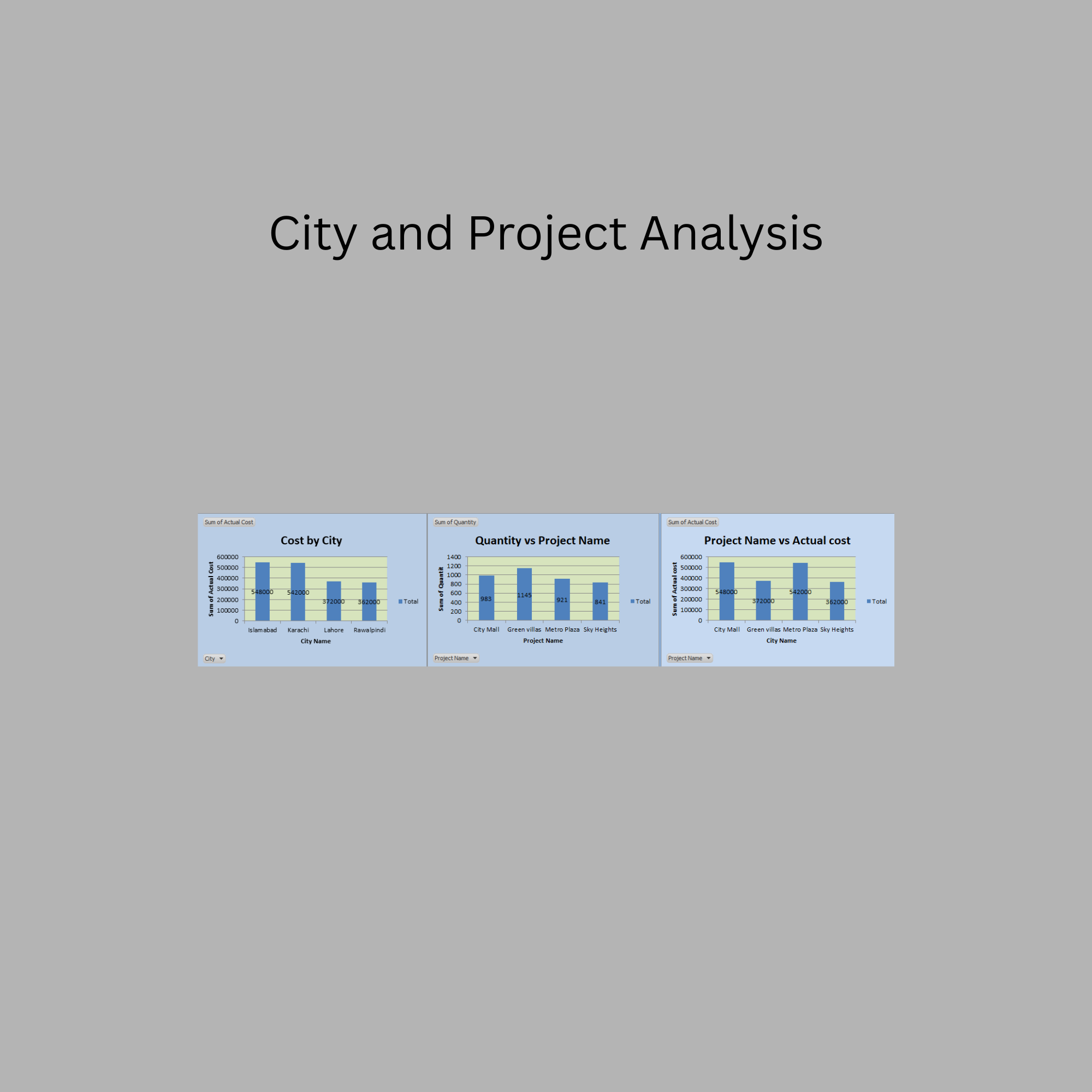
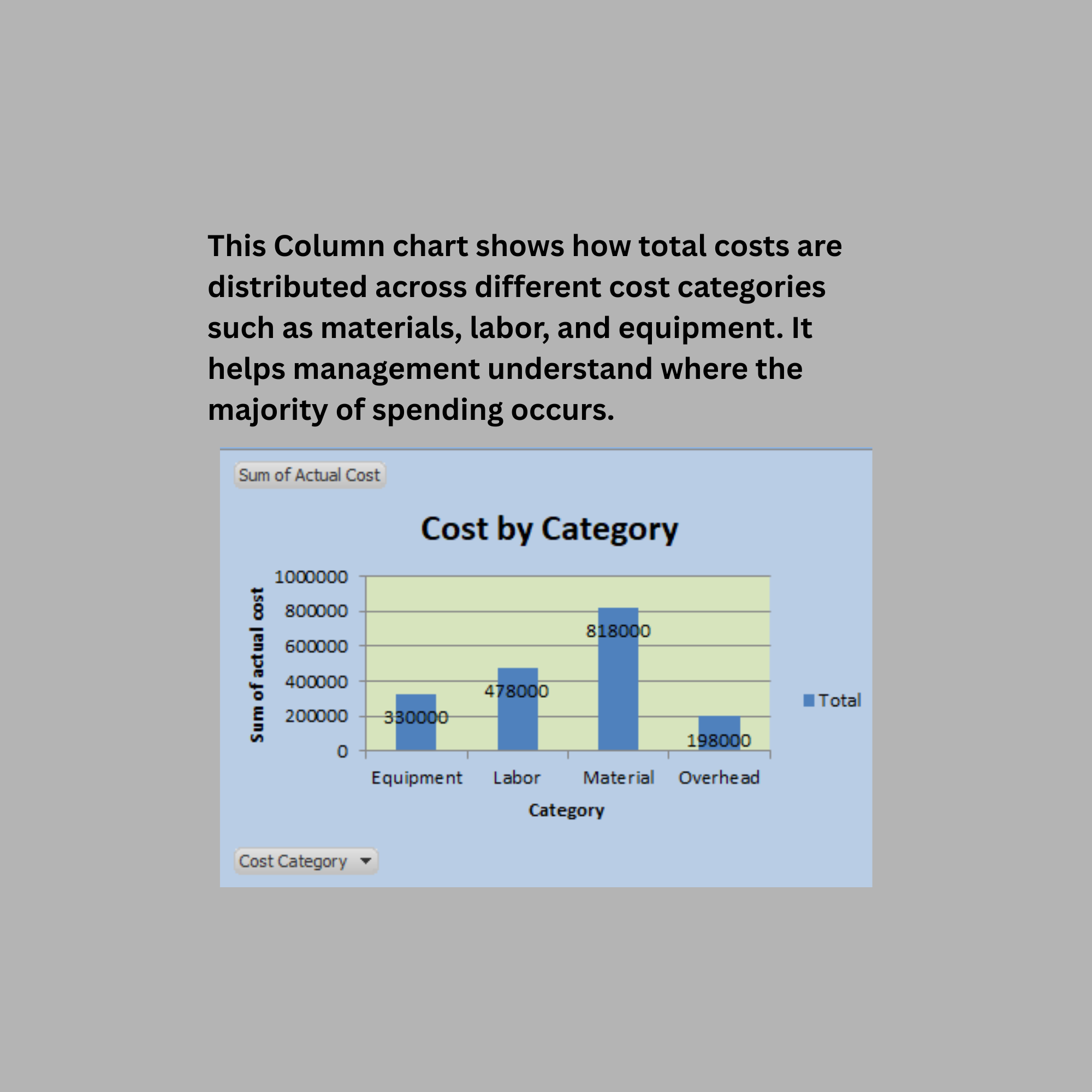
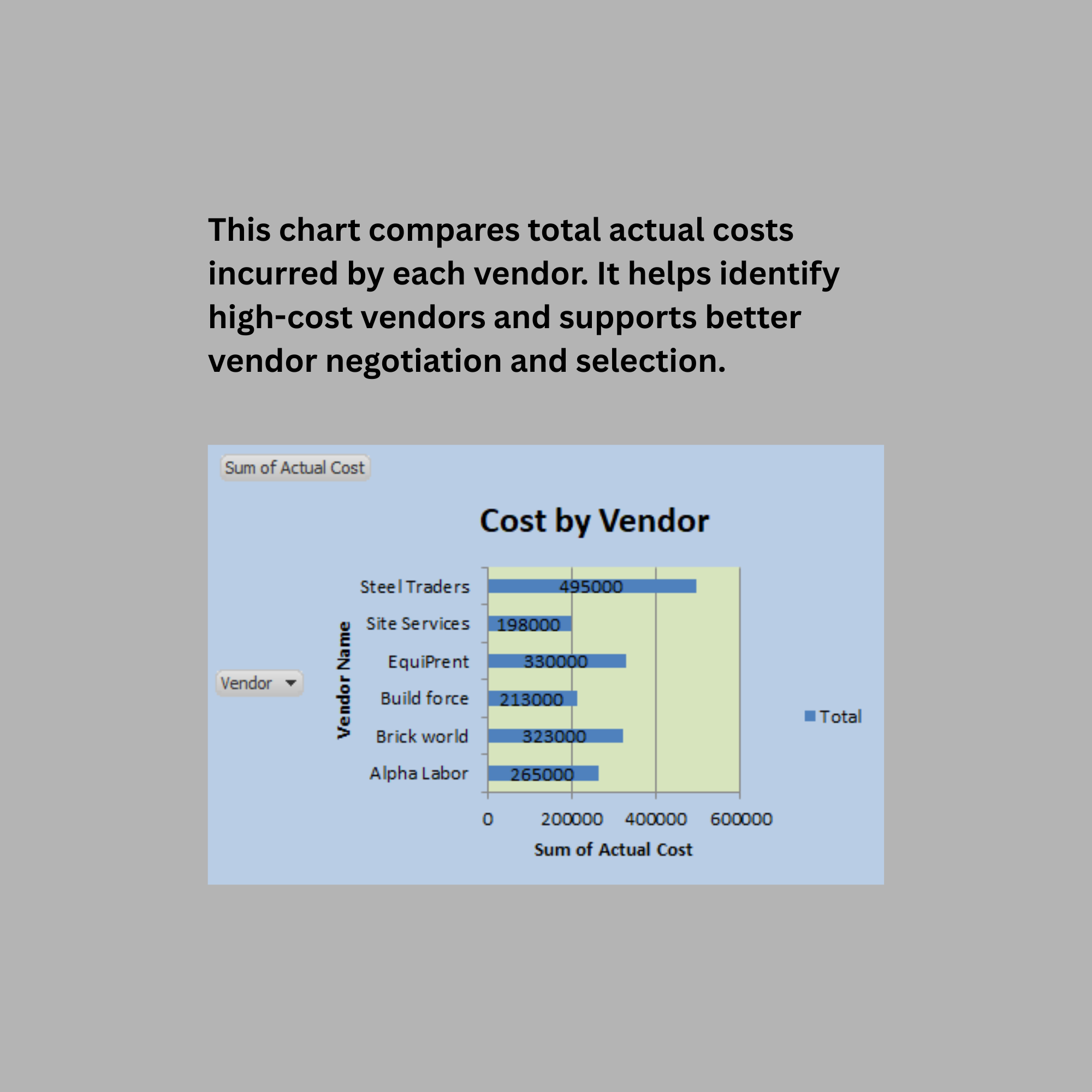
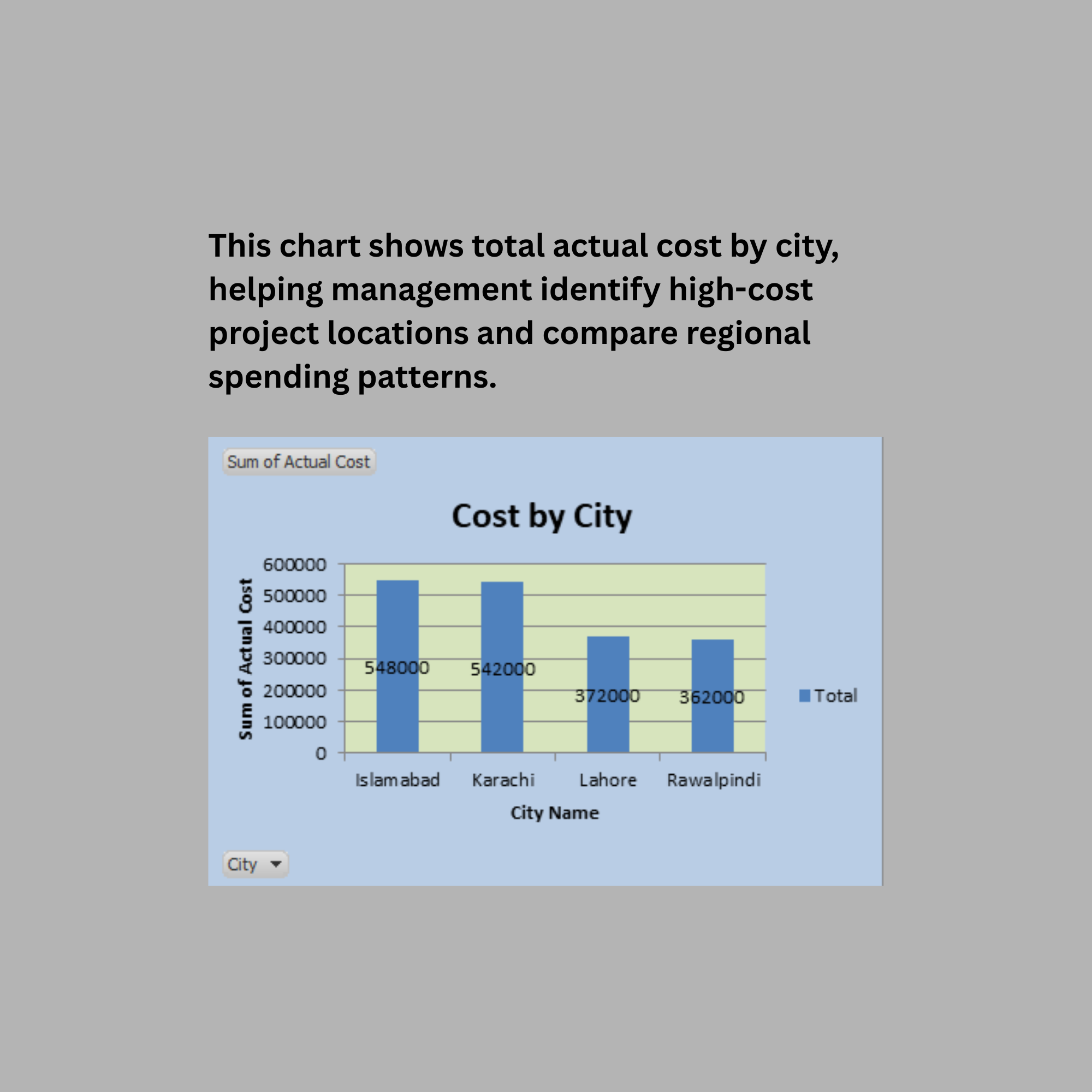
Analyze costs by project, category, vendor, and location
Support better financial decision-making and cost optimization
The dashboard serves as a ready-to-use analytical framework that can be adapted to different construction projects and organizational needs.
This Construction Cost Control Dashboard applies best under the following conditions:
Construction projects where planned and actual cost data is available or can be recorded regularly
Small to medium-scale construction companies, contractors, or project teams managing multiple projects or cost categories
Organizations seeking a structured cost monitoring approach without complex or expensive software
Situations where decision-makers need quick visibility into cost overruns, variances, and budget status
Projects that require periodic financial reviews (weekly or monthly) rather than real-time system integration
Teams using Excel or Power BI as their primary reporting and analysis tools
This best practice is most effective when data is updated consistently and accurately, allowing the dashboard to reflect meaningful cost insights.
onditions for Which This Downloadable Best Practice Does Not Apply Ideally
This Construction Cost Control Dashboard may not be ideal under the following conditions:
Organizations requiring fully automated, real-time data integration from ERP, accounting, or project management systems
Large construction enterprises with highly complex cost structures that require customized enterprise-level solutions
Projects where reliable planned or actual cost data is not available or cannot be maintained consistently
Teams lacking basic familiarity with Excel or Power BI and standard data entry practices
Situations requiring regulatory, tax, or compliance-specific financial reporting beyond internal cost analysis
Users expecting the dashboard to replace professional financial, accounting, or project management software
This best practice is designed as a decision-support and monitoring tool, not as a complete enterprise financial system.