Financial Modeling Bundle — 3-Statement, Company Valuation & Real Estate Development
Originally published: 31/08/2026 11:34
Publication number: ELQ-65334-1
View all versions & Certificate
certified

Financial Modeling Bundle — 3-Statement, Company Valuation & Real Estate Development

Three professional Excel models covering financial forecasting, company valuation, and real estate development, financing, valuation, sensitivity analysis...

Description

This comprehensive financial modeling bundle combines three specialized Excel models covering corporate financial planning and forecasting, company valuation, and real estate investment & development analysis.

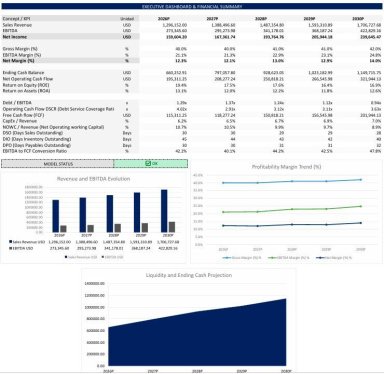
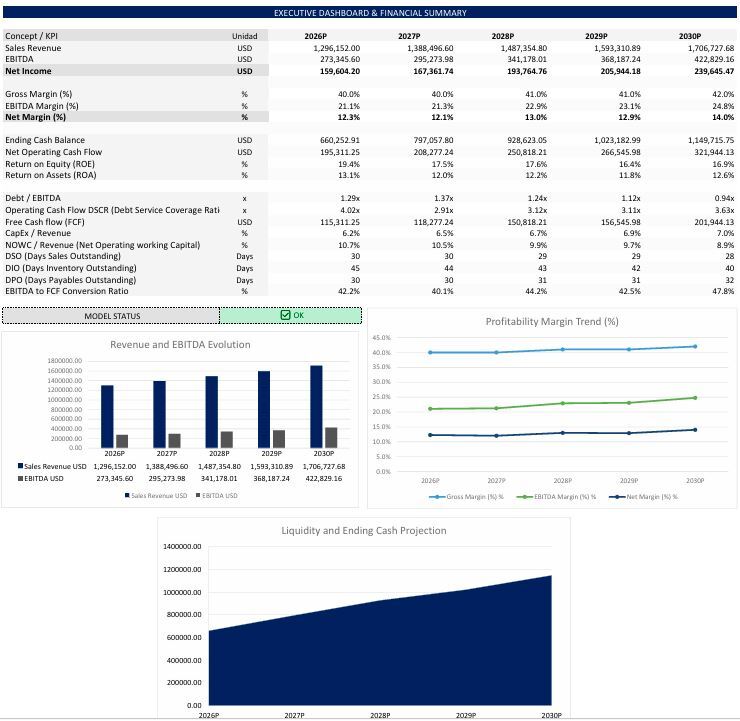
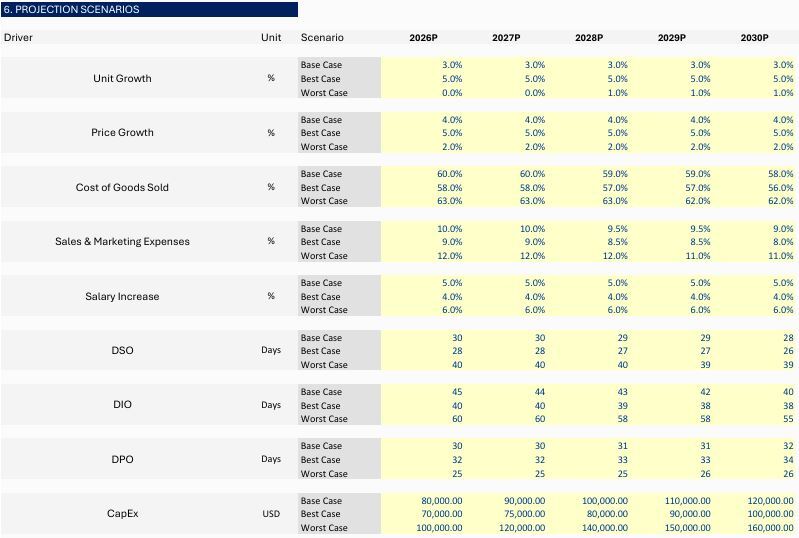
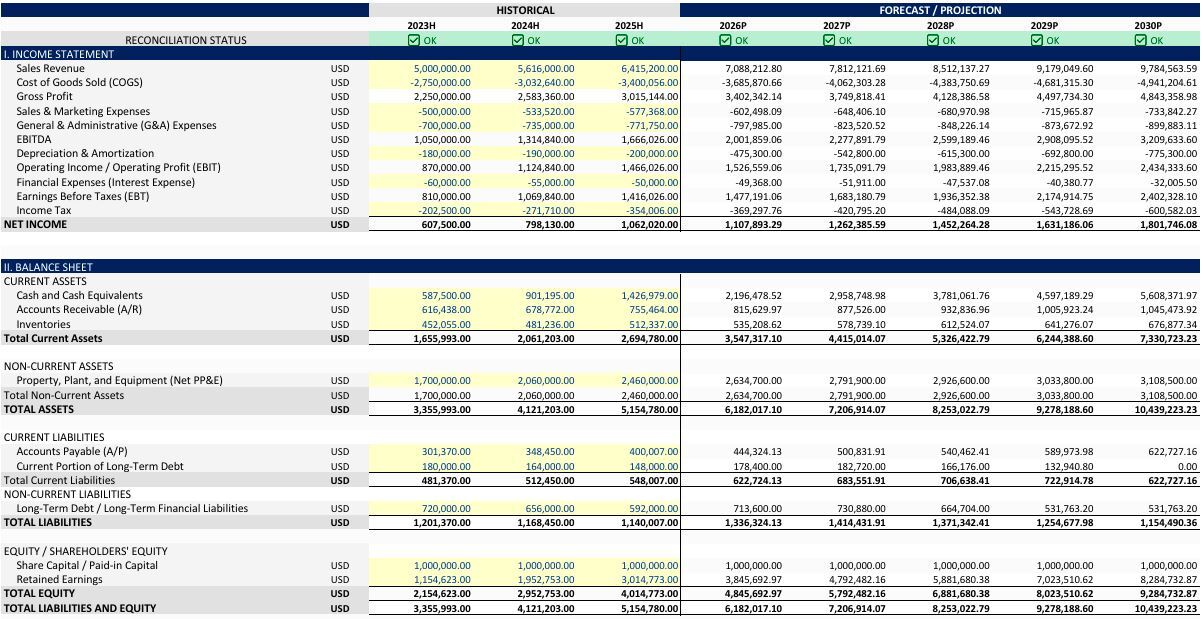
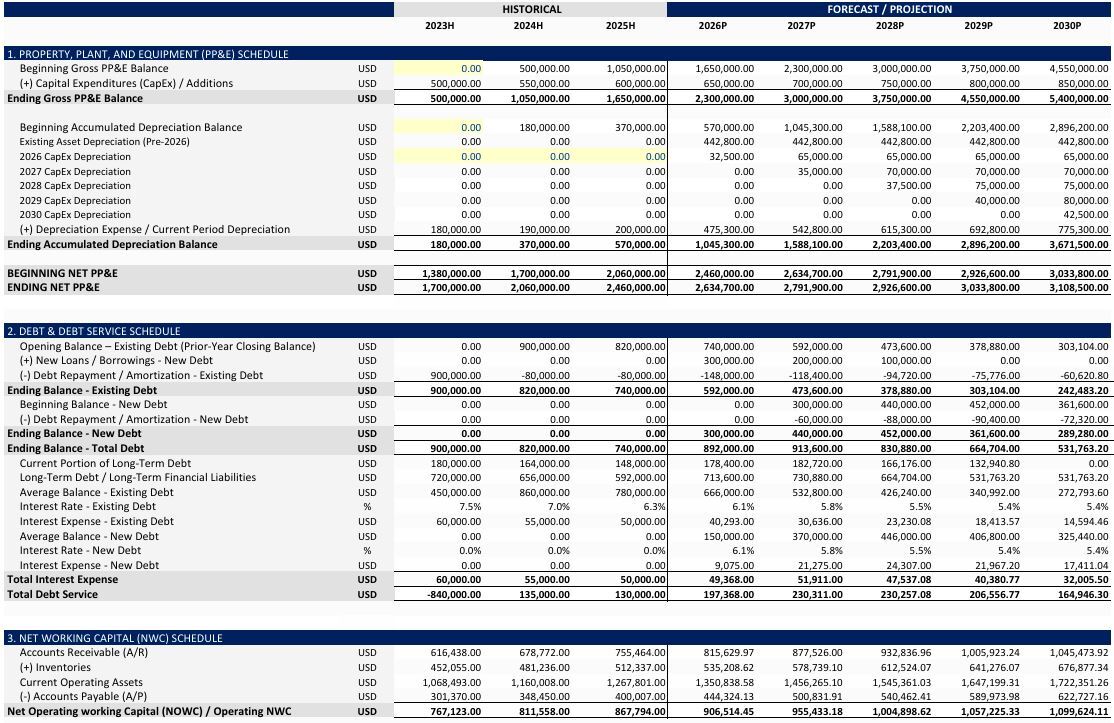
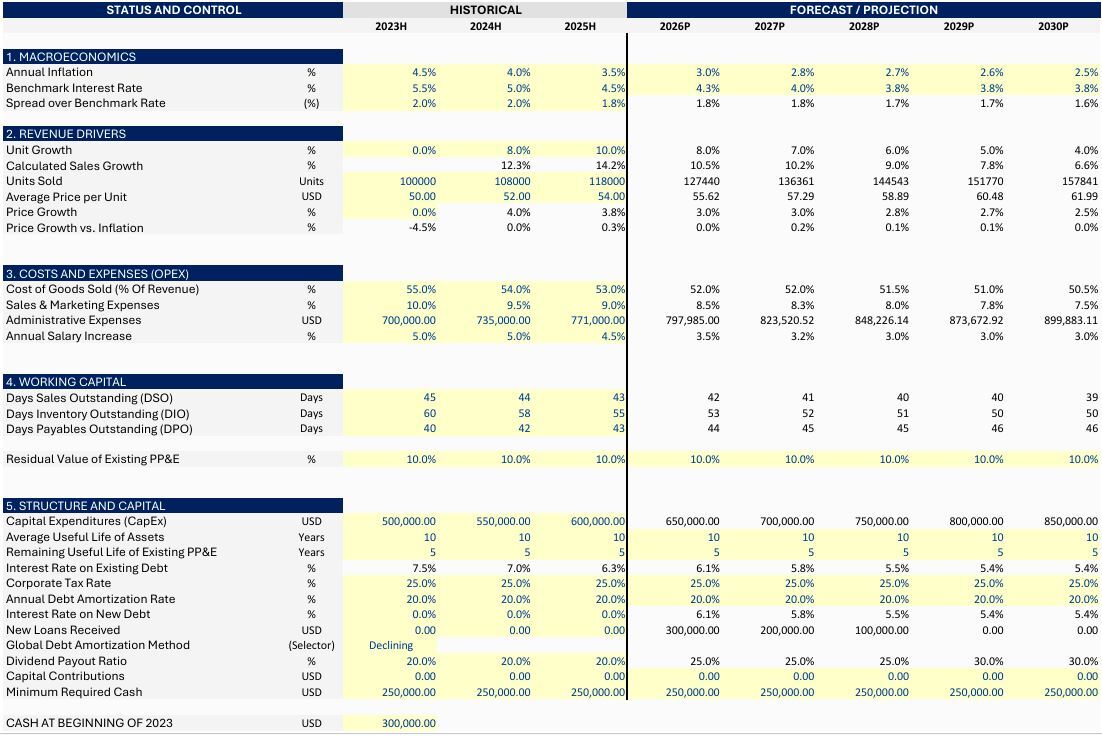
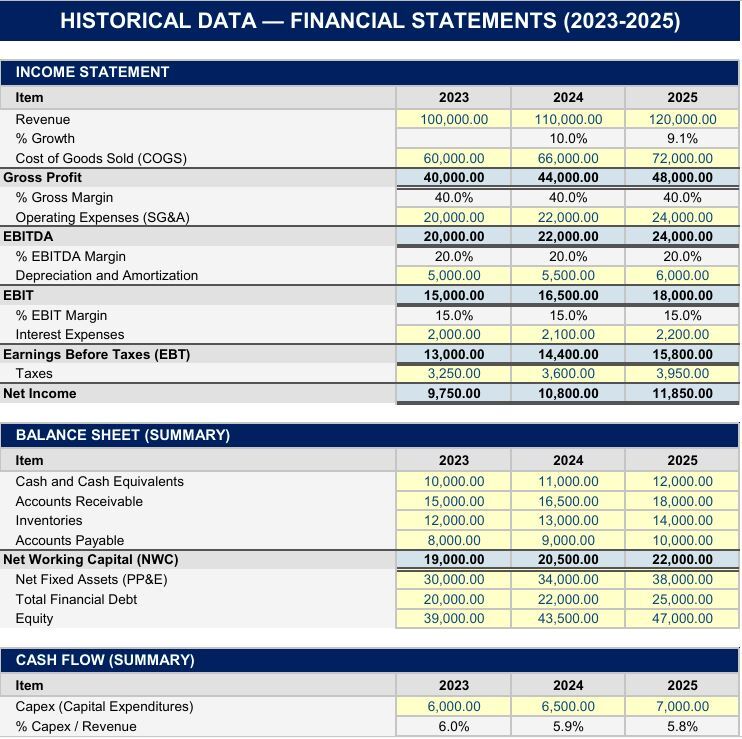
The 3-Statement Financial Model & Strategic Planning provides an integrated framework for historical analysis and five-year financial projections. The model connects the Income Statement, Balance Sheet, and Cash Flow Statement through supporting schedules covering working capital, PP&E and depreciation, capital expenditures, debt and interest, and other key financial drivers. Users can develop operating assumptions and financial scenarios while analyzing revenue, profitability, liquidity, cash generation, financial position, and key performance indicators. A consolidated dashboard and automated checks support financial analysis and model integrity.

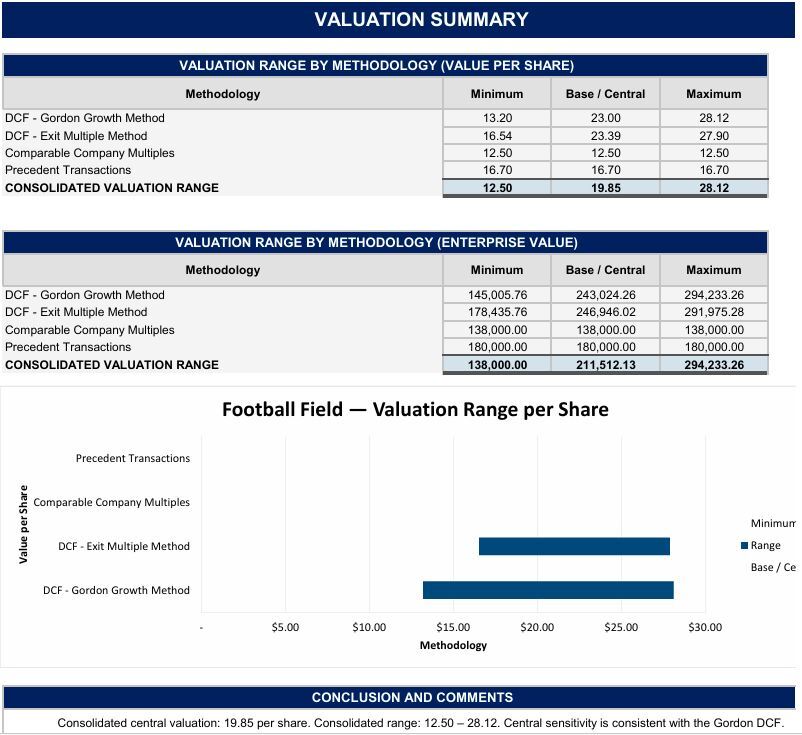
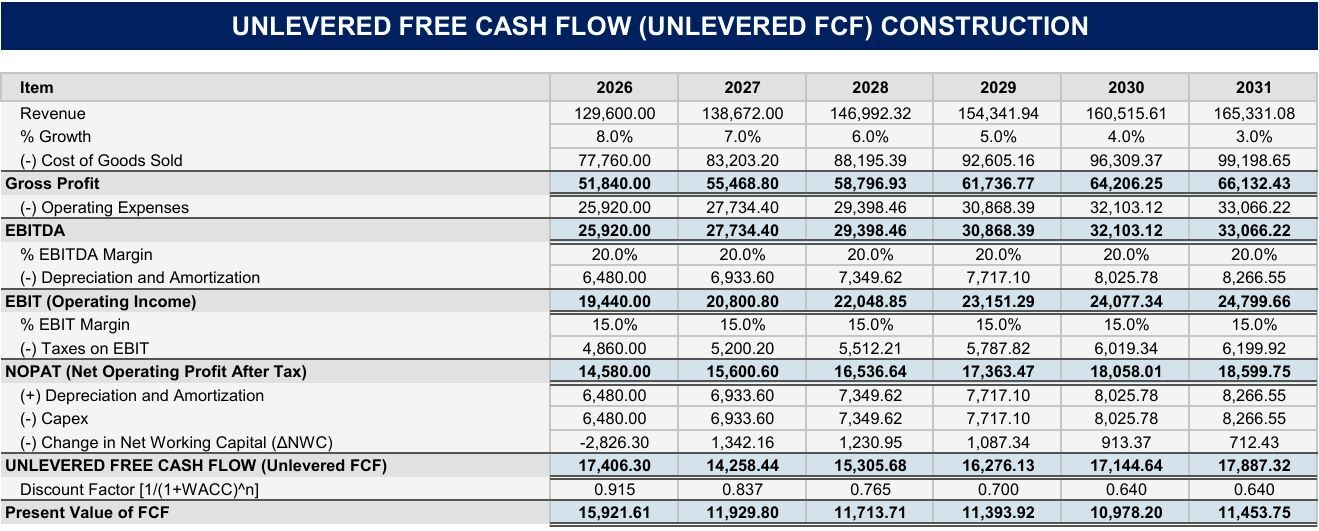
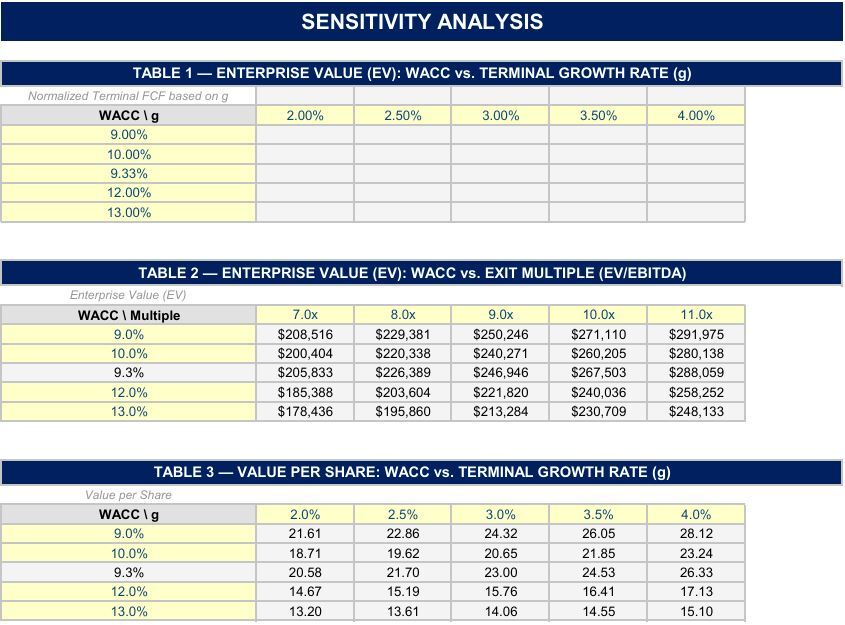
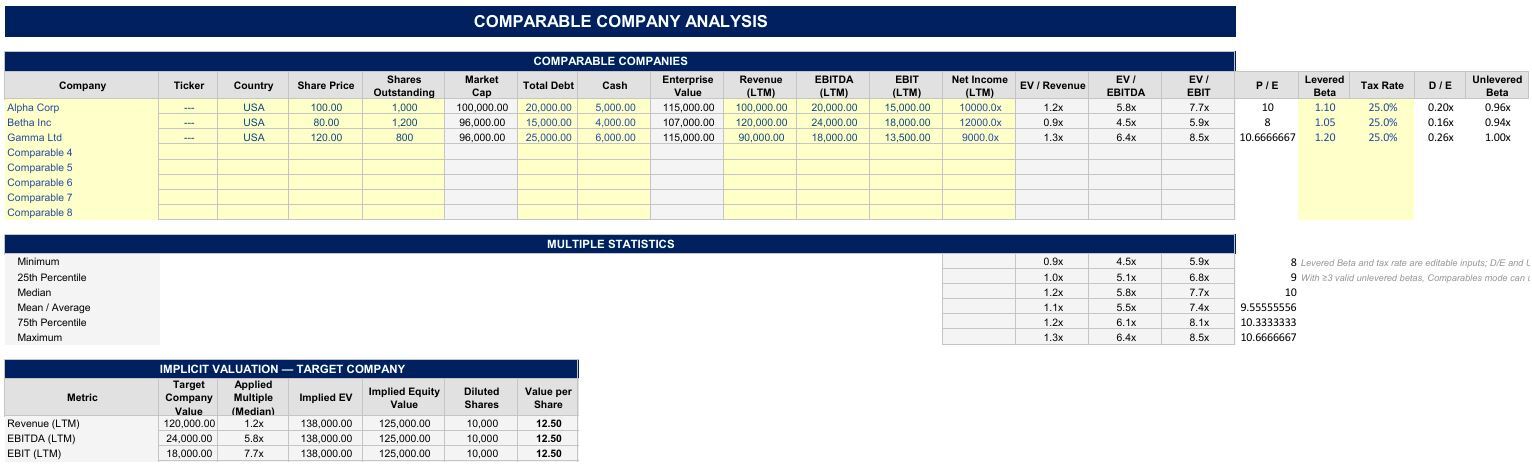
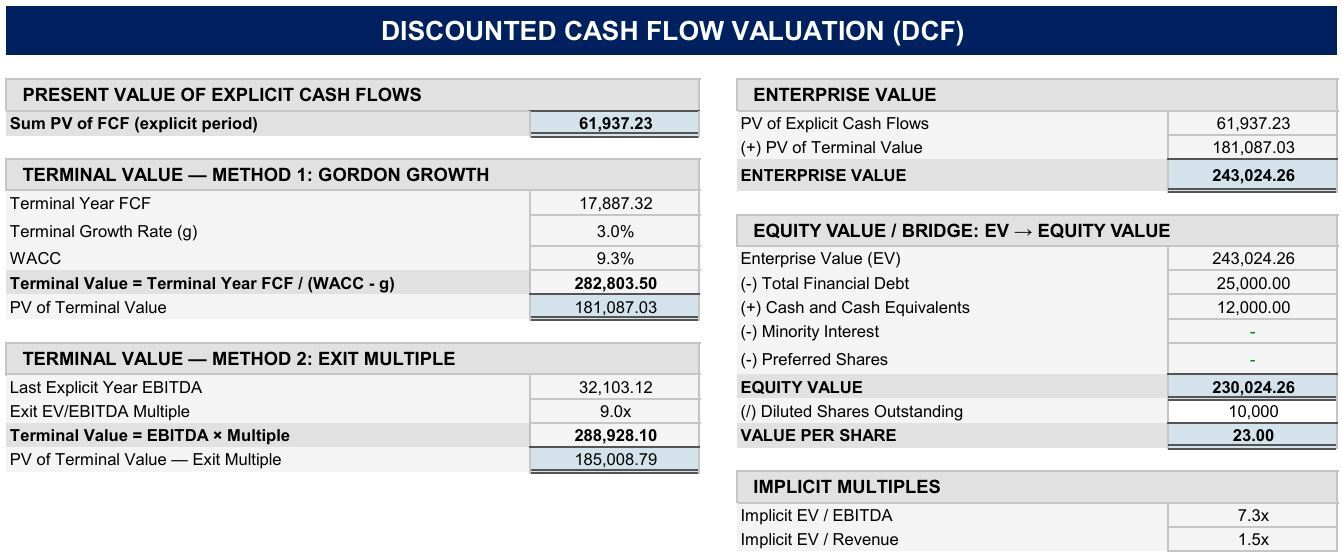
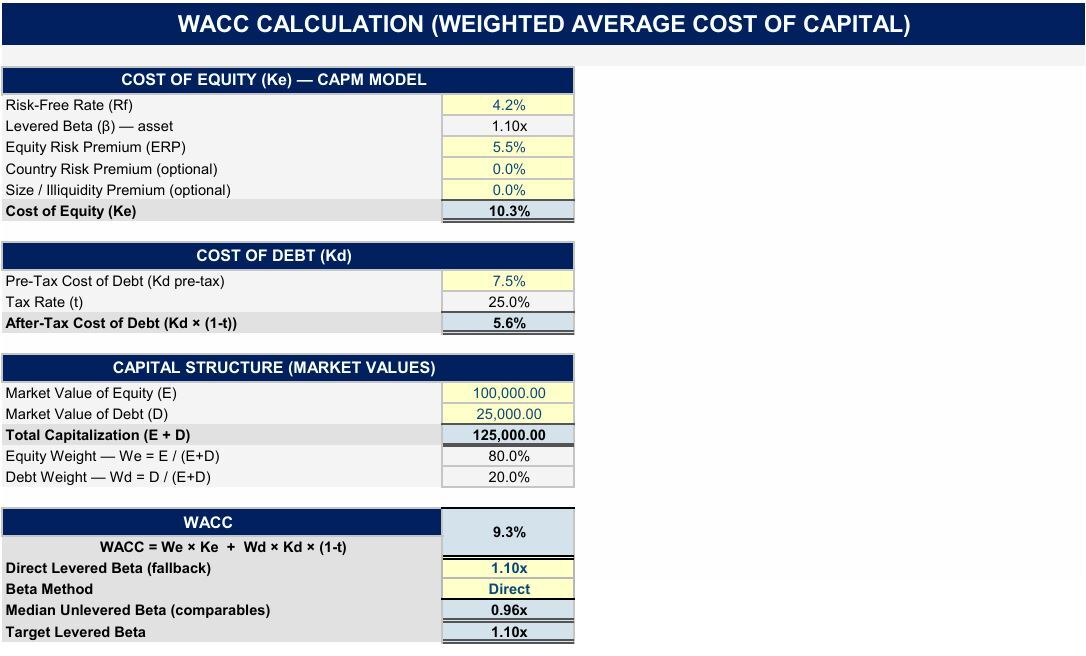
The Company Valuation Model — DCF & Comparable Multiples provides two complementary approaches to company valuation. The DCF framework projects Free Cash Flow to the Firm (FCFF) and calculates WACC, terminal value, enterprise value, equity value, and related valuation metrics. The Comparable Company Multiples analysis allows users to evaluate market-based valuation using peer-company data and relevant multiples. Sensitivity analysis helps assess how changes in key assumptions affect implied valuation outcomes.

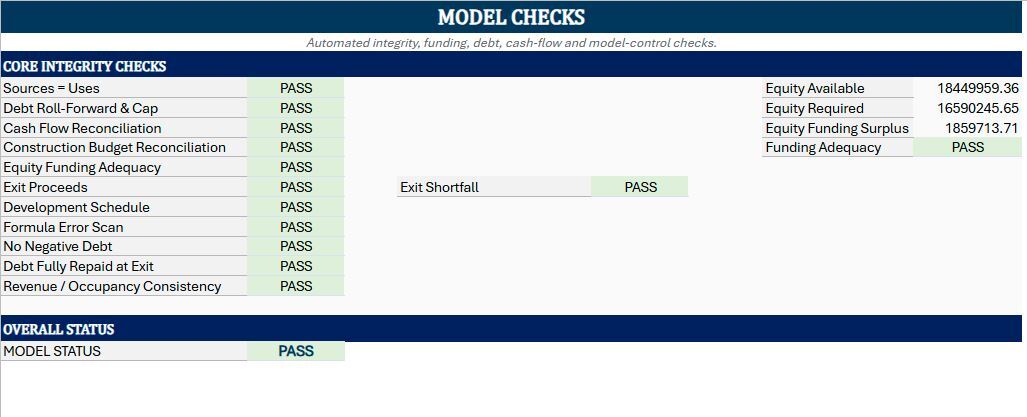
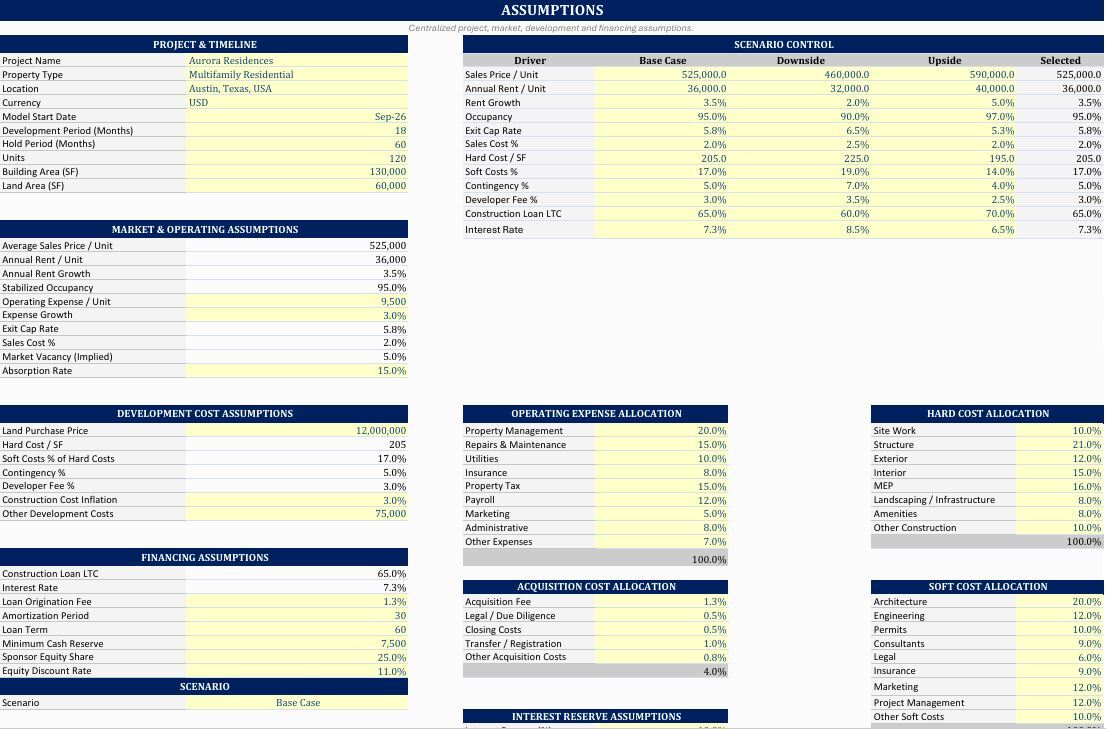
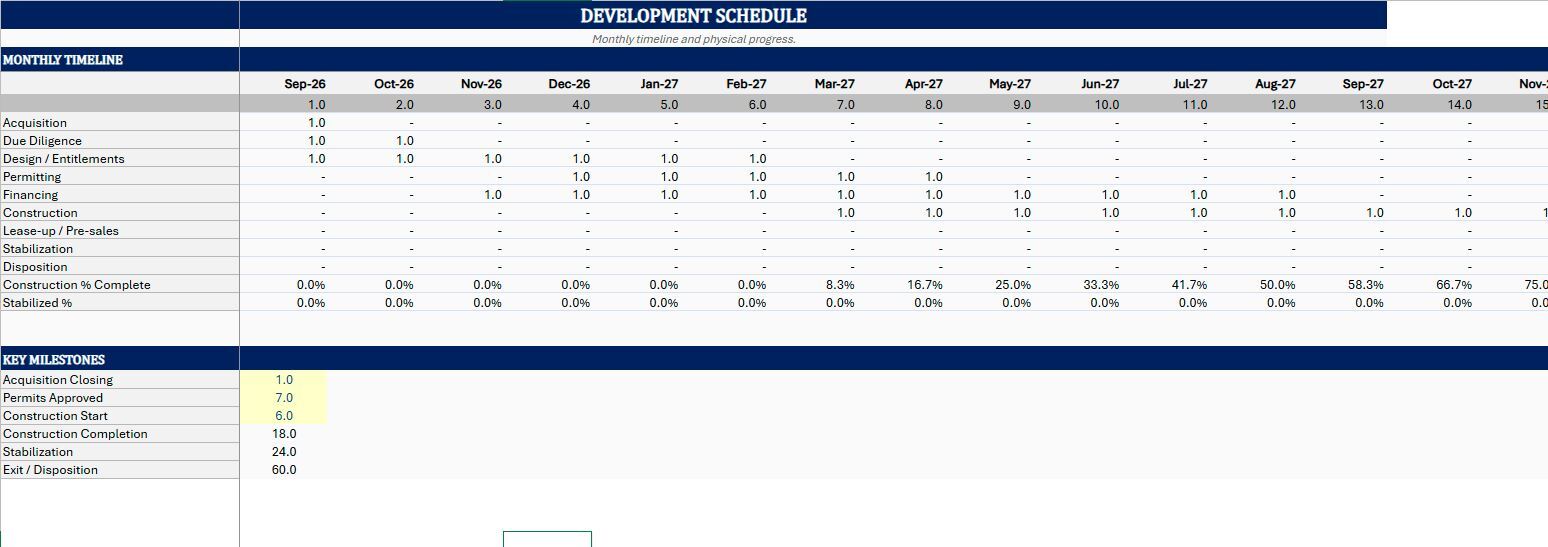
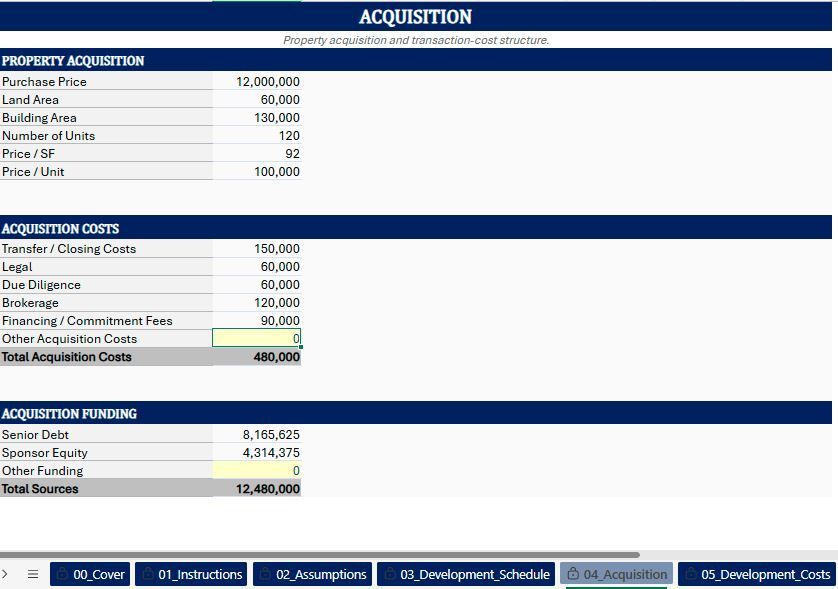
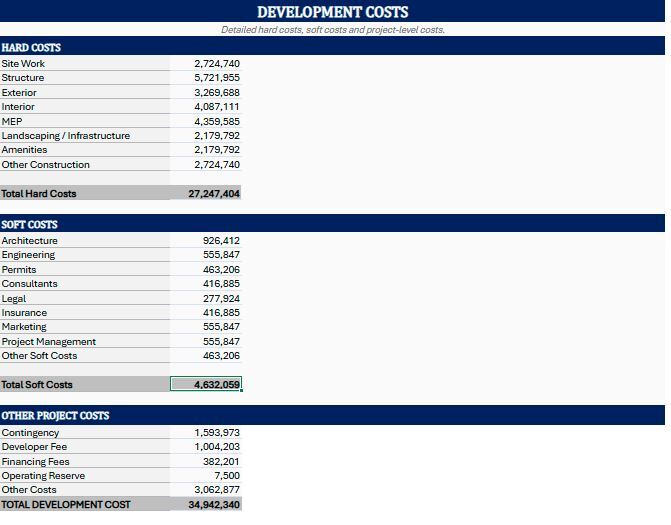
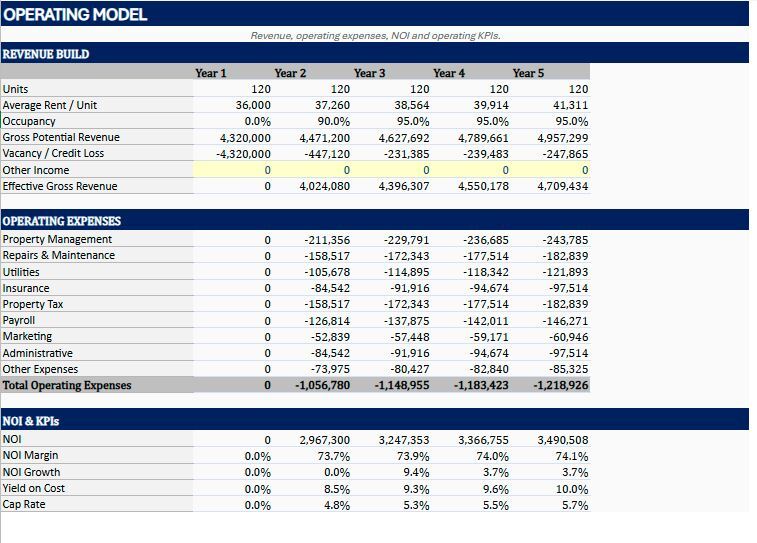
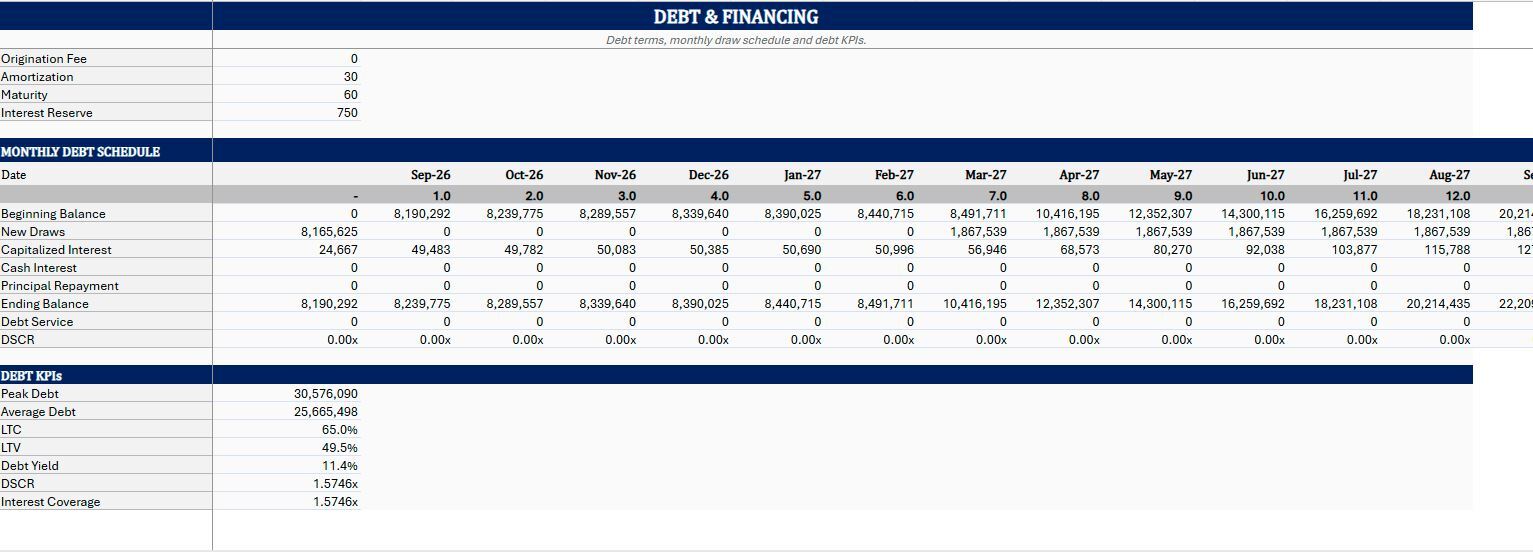
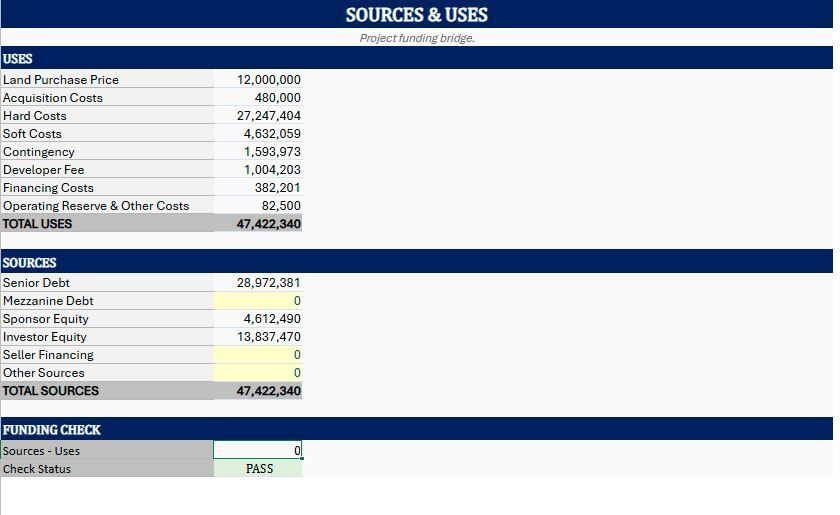
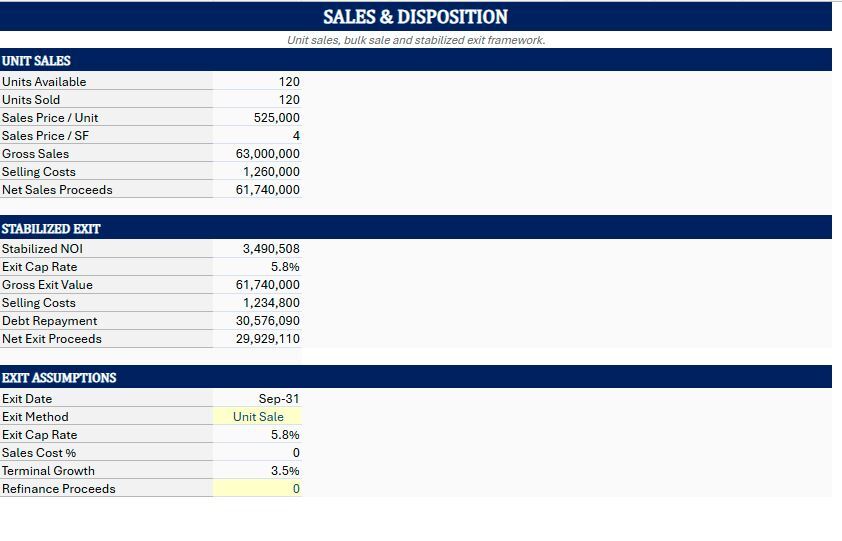
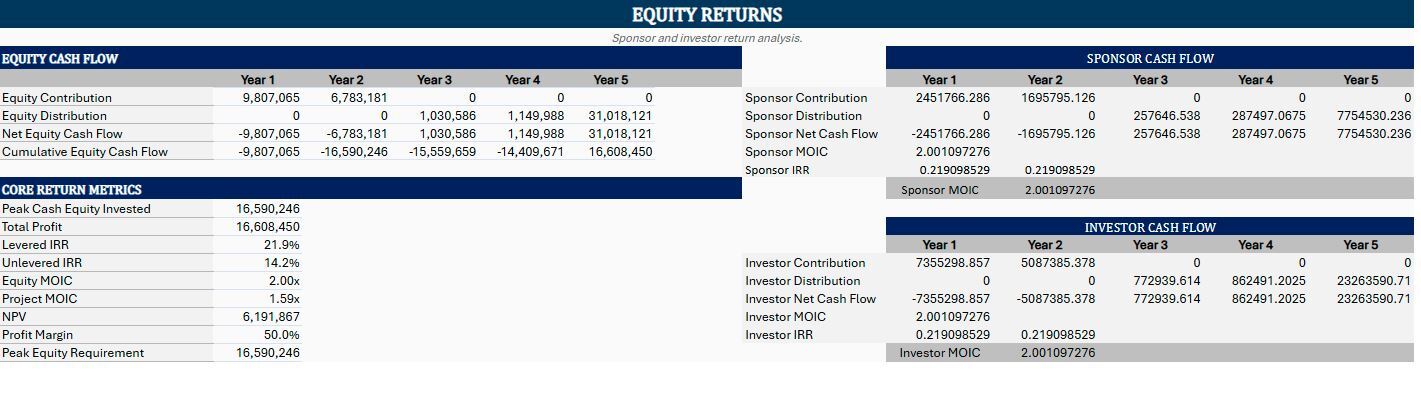
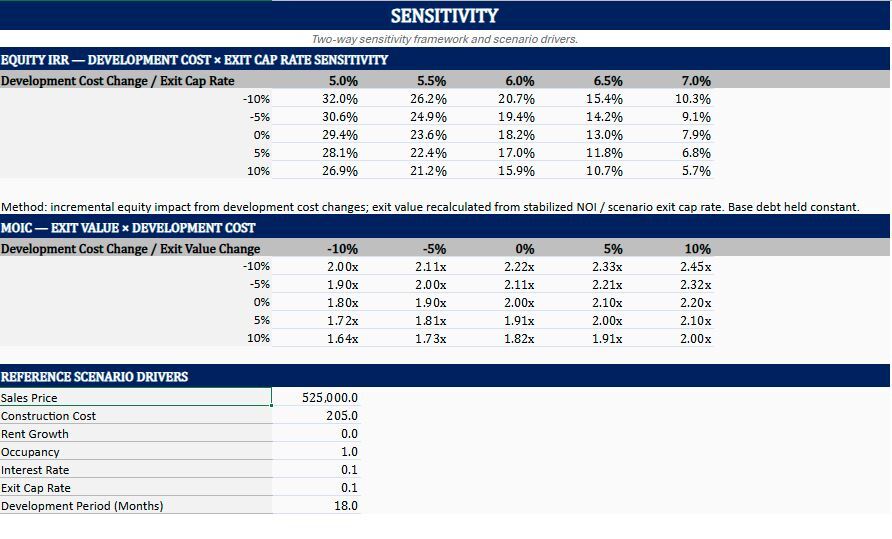
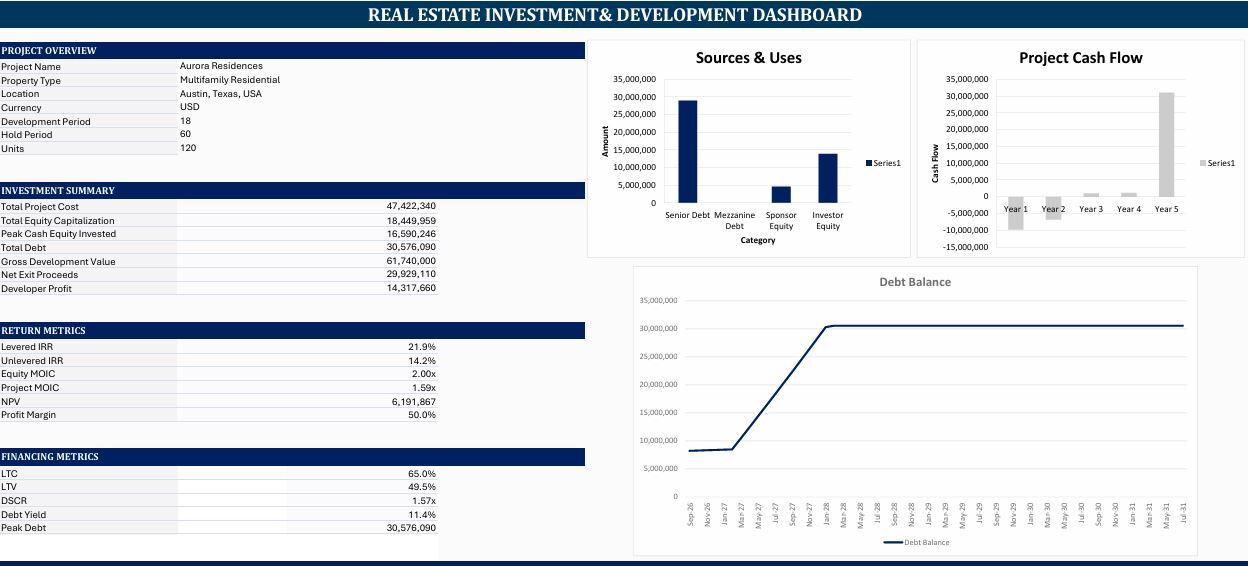
The Real Estate Investment & Development Model is designed to analyze a development project from acquisition through construction, operations, financing, and disposition. It incorporates project assumptions and scenarios, development scheduling, acquisition costs, detailed hard and soft costs, construction budgets and monthly draws, operating projections, debt financing, Sources & Uses, sales and disposition, project cash flow, equity returns, valuation, sensitivity analysis, dashboard reporting, and automated model checks. Key outputs include NOI, LTC, LTV, DSCR, Debt Yield, IRR, MOIC, NPV, development margin, developer profit, and net exit proceeds.

Together, the three models provide a broad financial modeling toolkit for evaluating business performance, financial planning, corporate valuation, investment opportunities, and real estate development projects.

The bundle is suitable for financial analysts, investors, entrepreneurs, business owners, corporate finance professionals, real estate developers, investment professionals, and students or practitioners seeking structured Excel-based financial modeling tools.

Each model uses clearly defined inputs, interconnected calculations, automated outputs, scenario analysis, sensitivity analysis, dashboards, and control checks, providing a practical framework for building and evaluating financial scenarios across multiple applications.

This Best Practice includes
Excel files (Demo & Template), .ods file version (Libre Office), PDF User Manual

Acquire business license for $99.00

Add to cart

Add to bookmarks

Discuss

Further information

Provide a comprehensive financial modeling framework covering corporate financial planning, company valuation, and real estate investment & development, including forecasting, valuation, financing, cash flow, scenario analysis, and investment returns.

Corporate financial planning and five-year financial forecasting.
Integrated Income Statement, Balance Sheet, and Cash Flow analysis.
Company valuation using DCF and Comparable Company Multiples.
FCFF, WACC, enterprise value, and equity value analysis.
Real estate acquisition and development projects.
Construction, development costs, and project financing analysis.
Project cash flow, equity returns, and exit analysis.
Scenario and sensitivity analysis.
Investment and feasibility analysis requiring structured Excel financial models.

Pure bookkeeping or accounting purposes.
Projects requiring only property management without development or investment analysis.
Valuations requiring specialized appraisal, legal, tax, or engineering methodologies.
Detailed construction scheduling, engineering, or quantity-surveying requirements.
Situations where reliable financial, market, operating, project, or financing assumptions are unavailable.
Decisions requiring professional advice beyond the scope of financial modeling.


0.0 / 5 (0 votes)

please wait...