

Publication number: ELQ-94756-1
View all versions & Certificate

MINE ENERGY OPTIMIZER TOOL
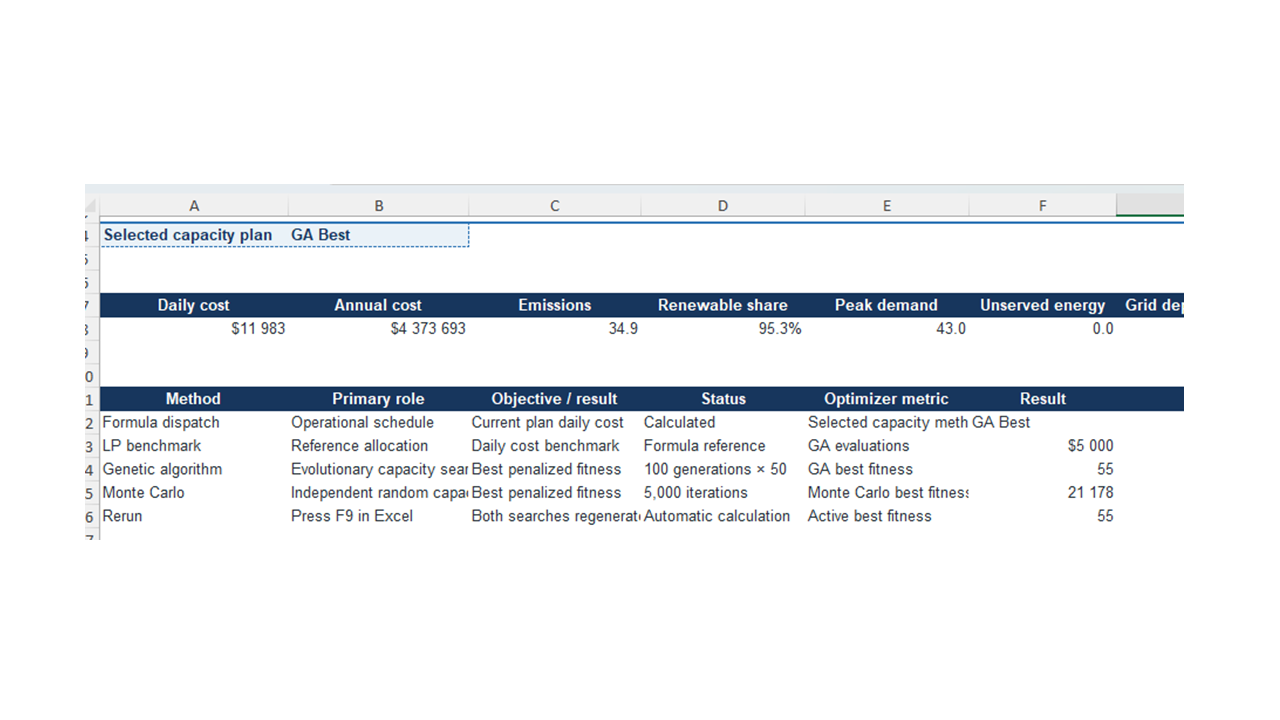
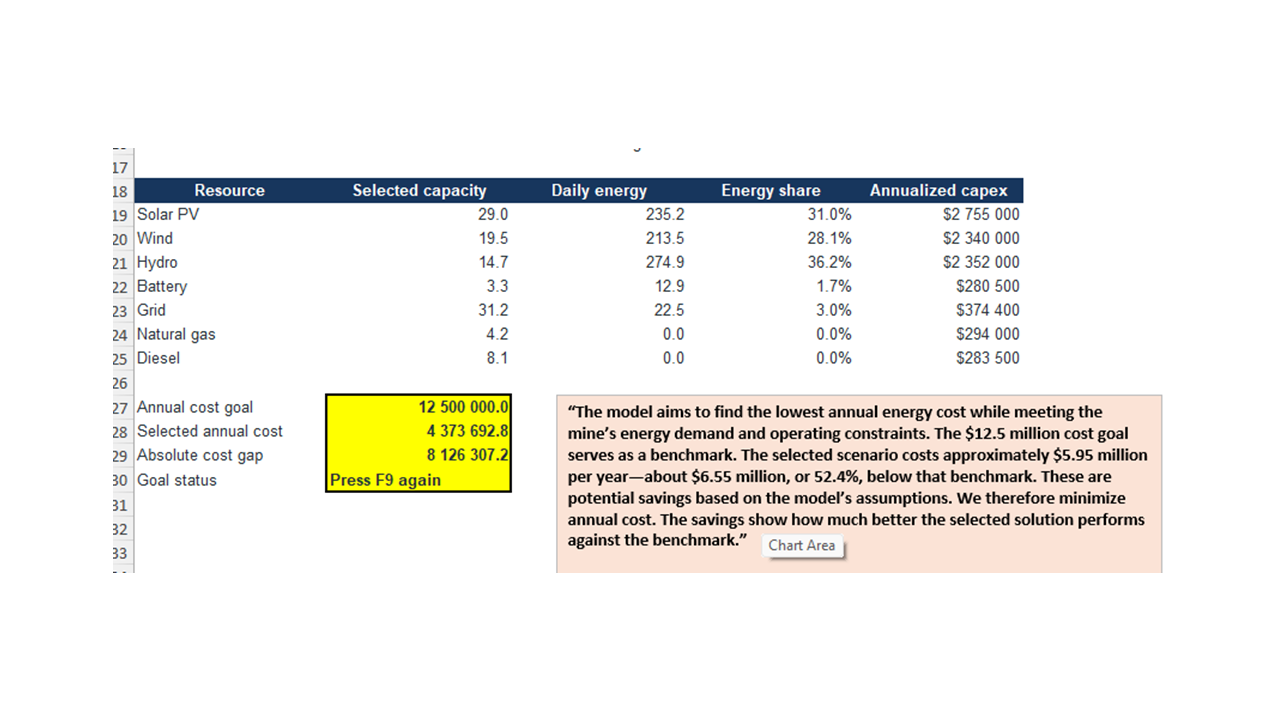
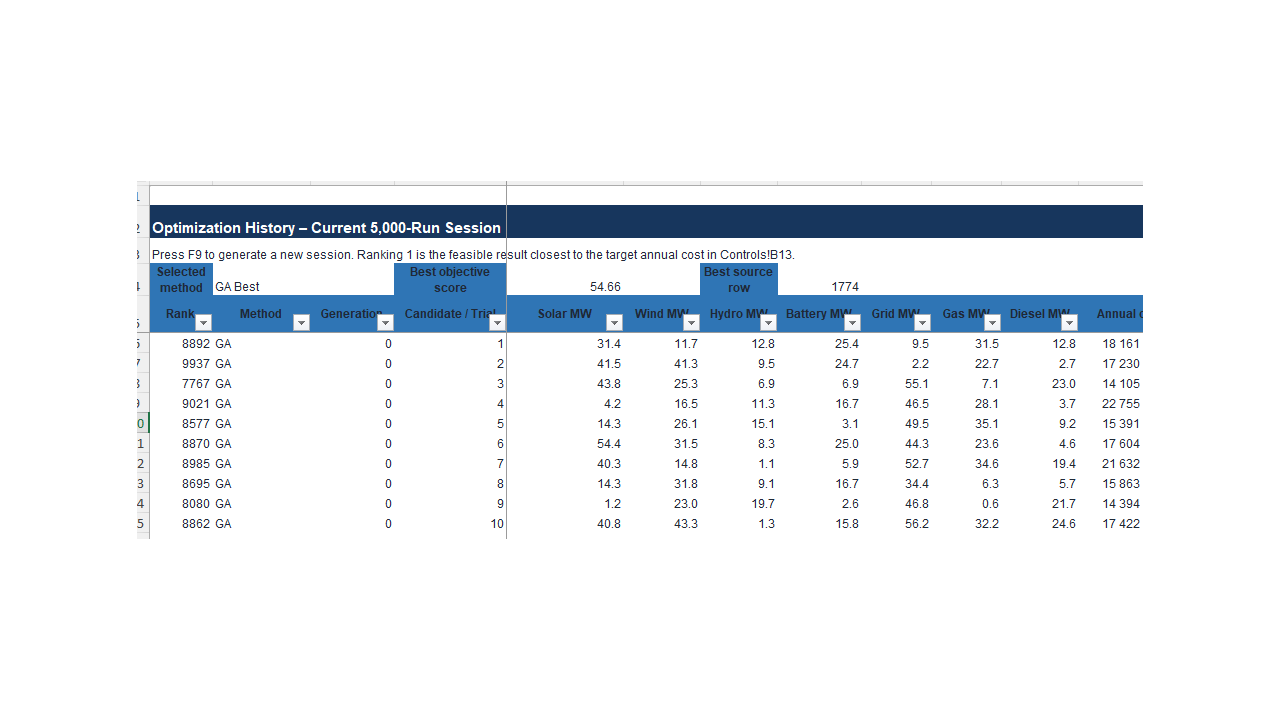
An Excel-based mining energy planning tool that uses genetic algorithm and Monte Carlo searches to compare energy mixes, assess modeled costs, emissions and hou
Further information
The objectives of this downloadable tool are to help users:
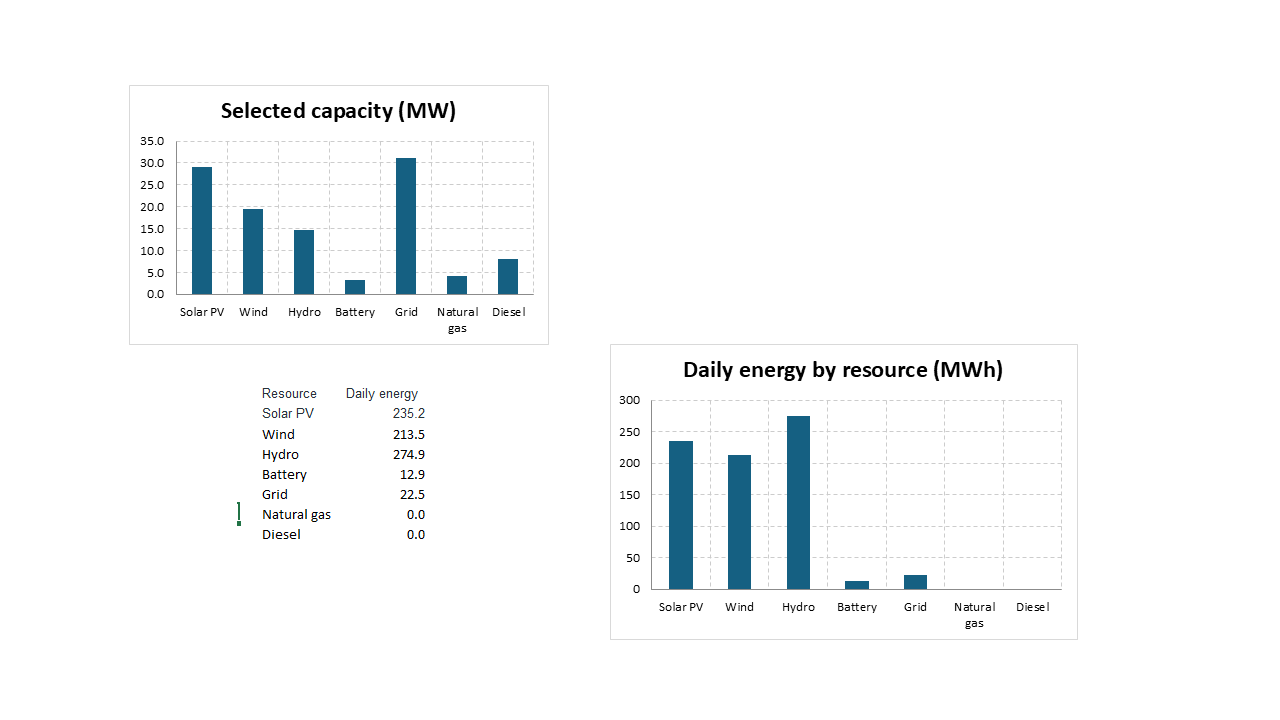
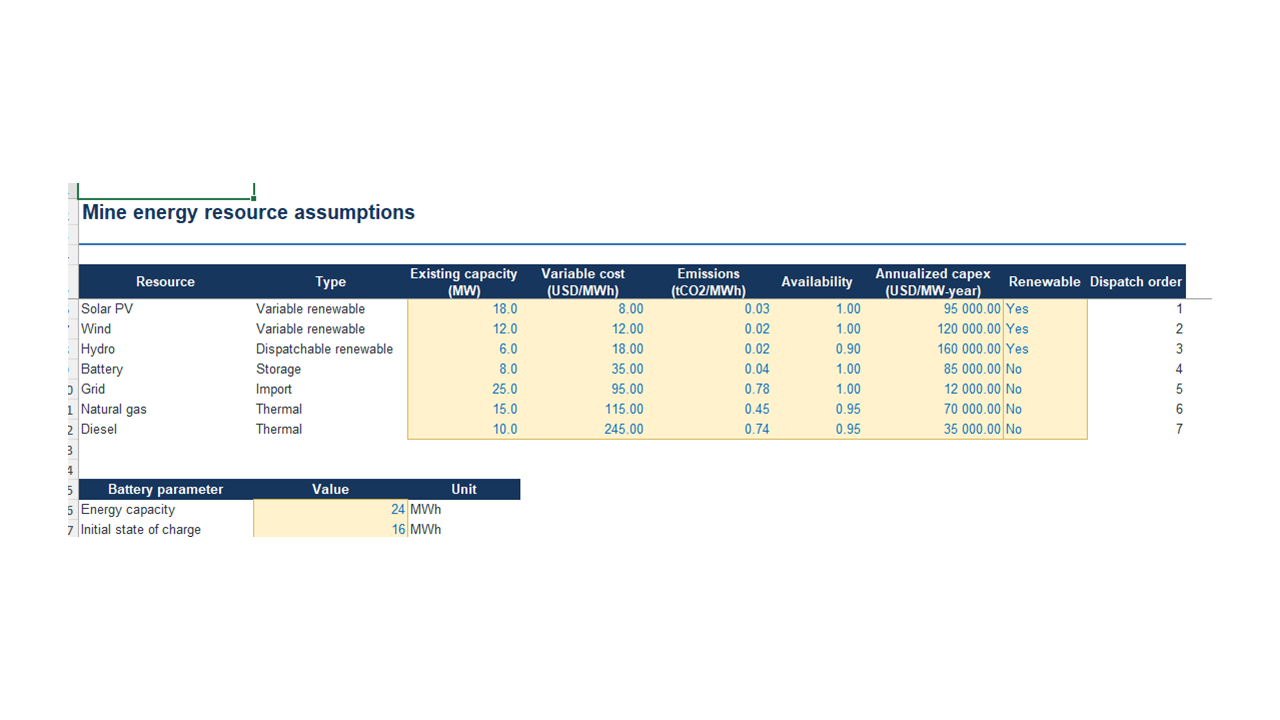
- Compare energy options including solar, wind, hydro, battery storage, grid electricity, natural gas and diesel.
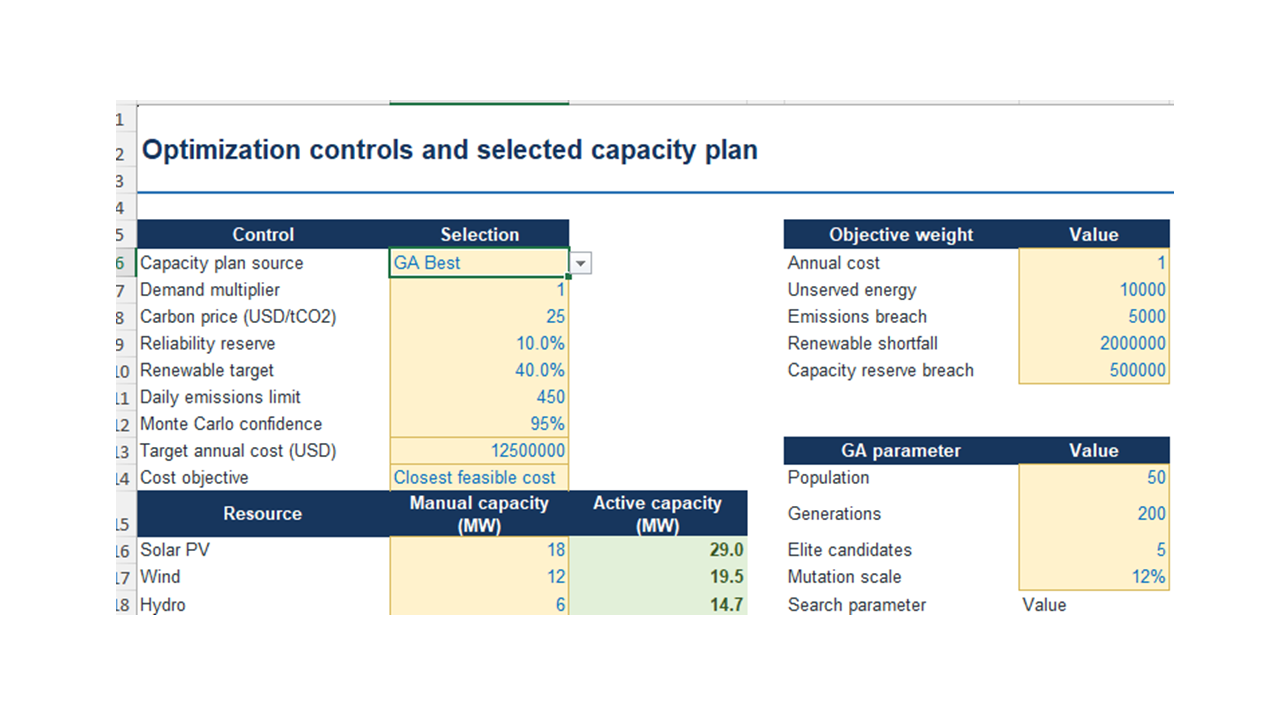
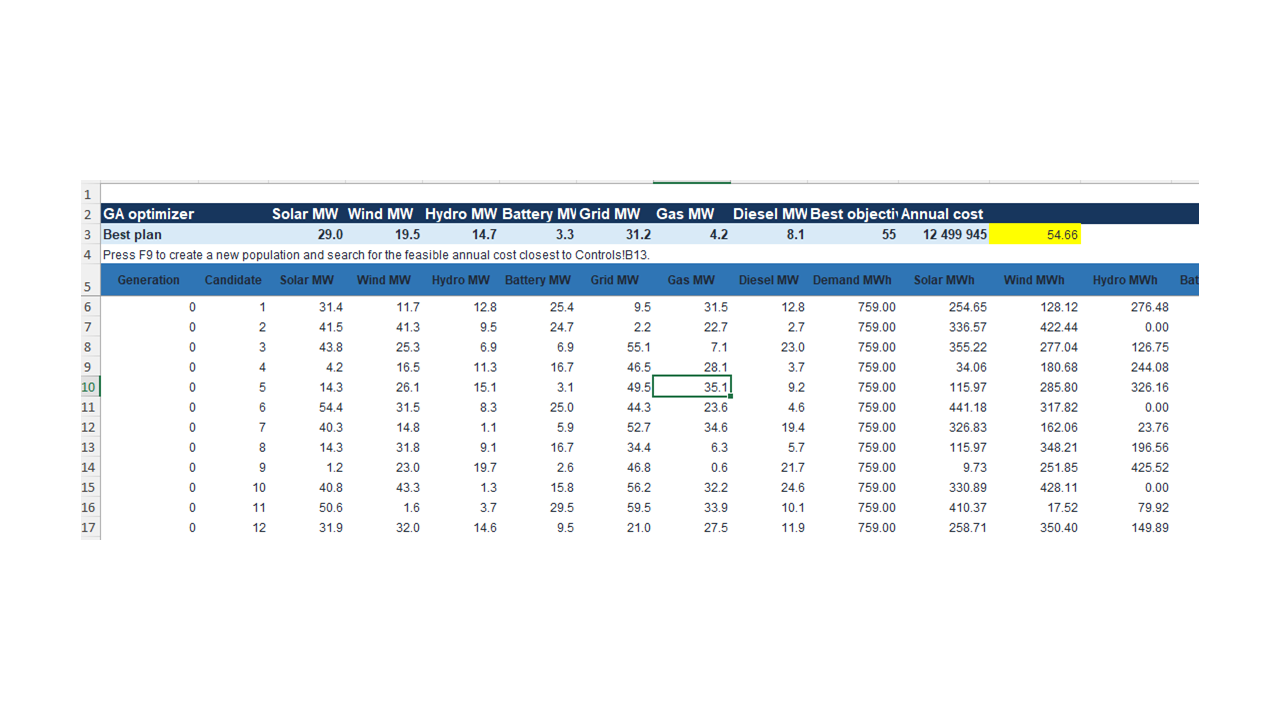
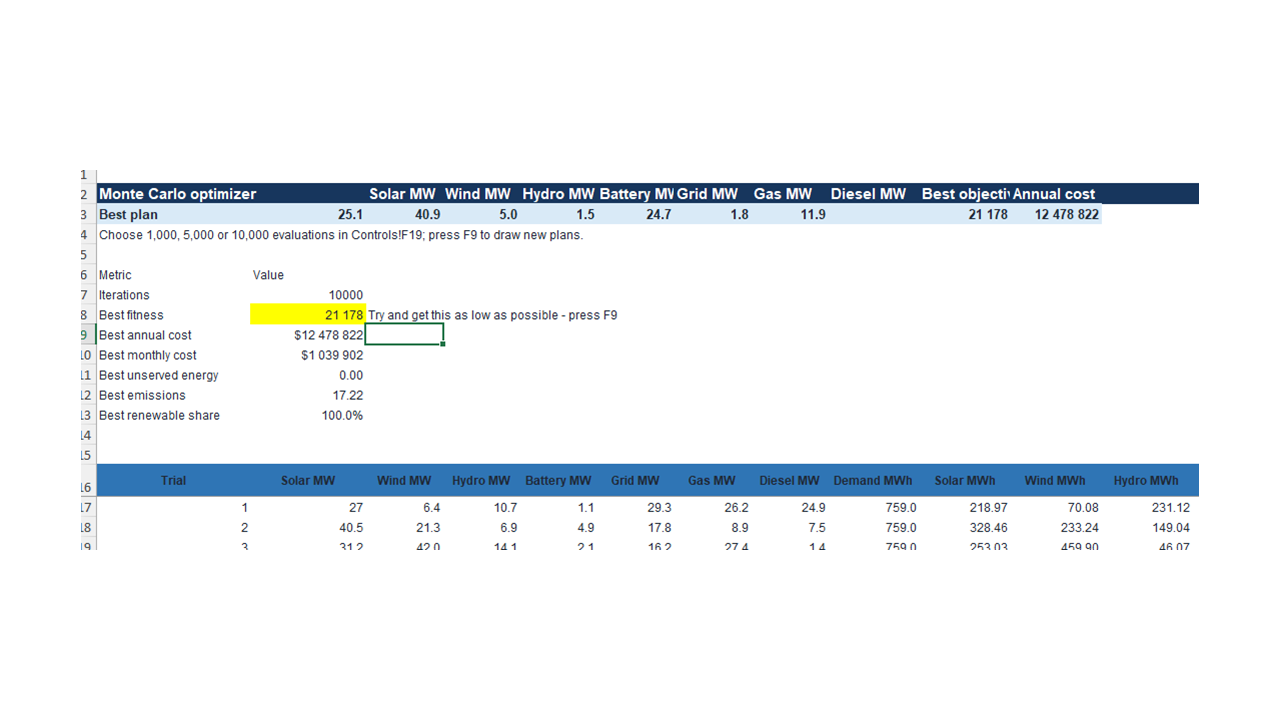
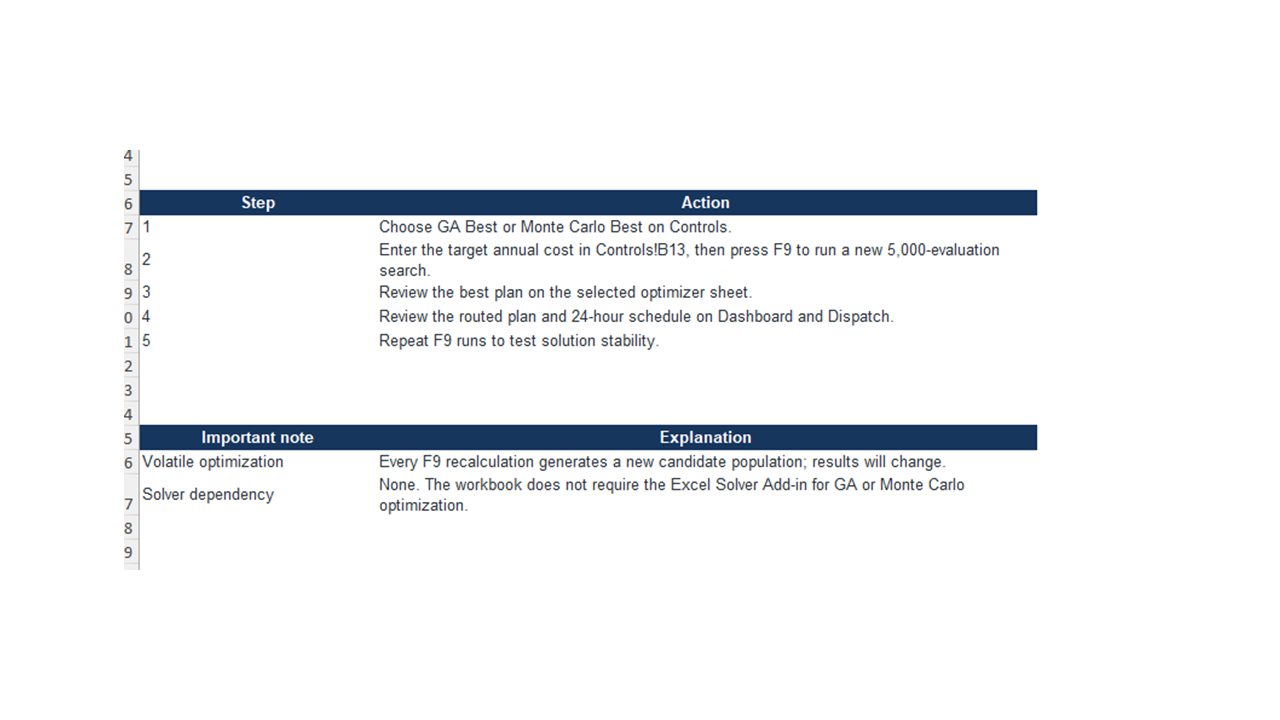
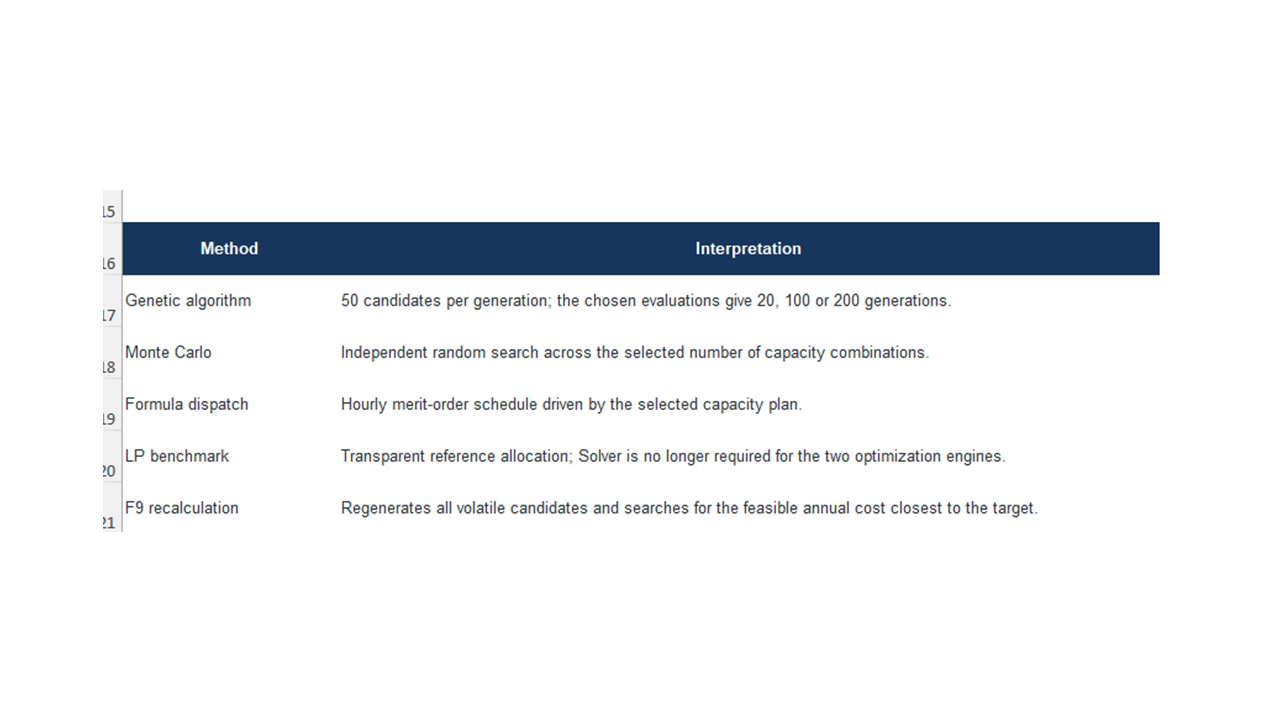
- Explore capacity combinations using genetic algorithm and Monte Carlo searches.
- Evaluate modeled costs and distinguish operating, annualized capital and carbon costs.
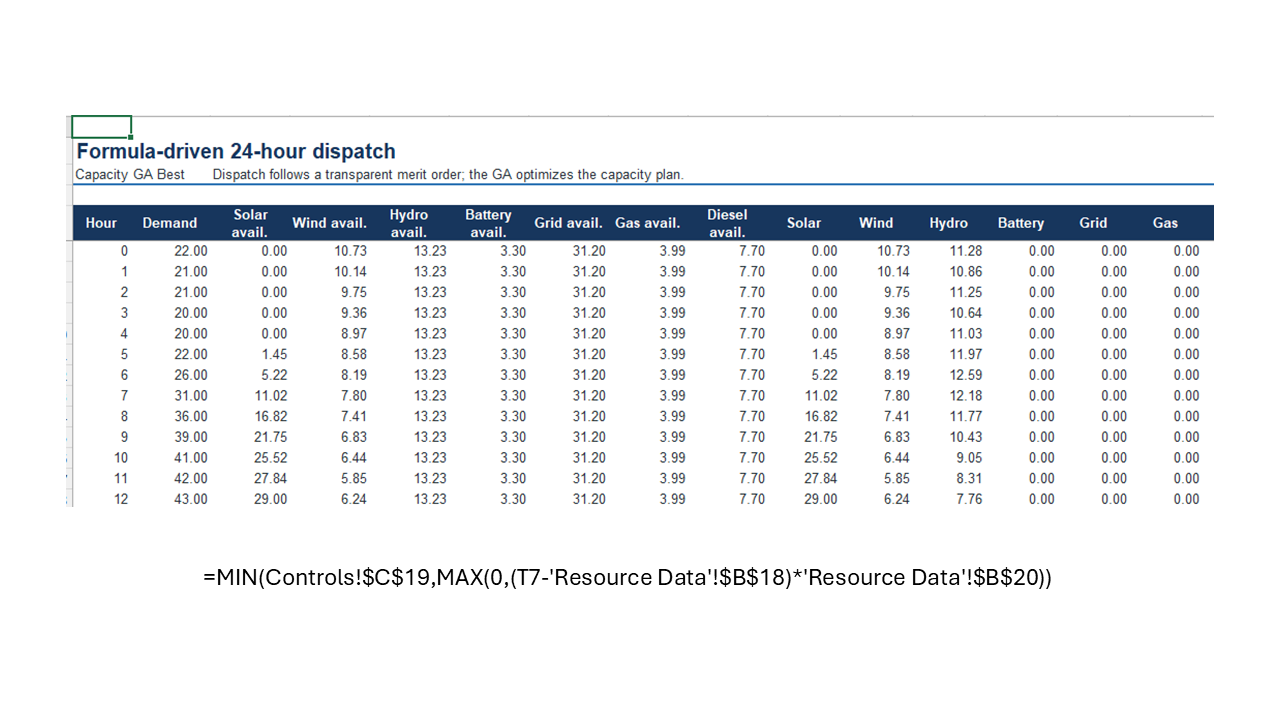
- Assess hourly demand coverage, identifying periods of insufficient supply.
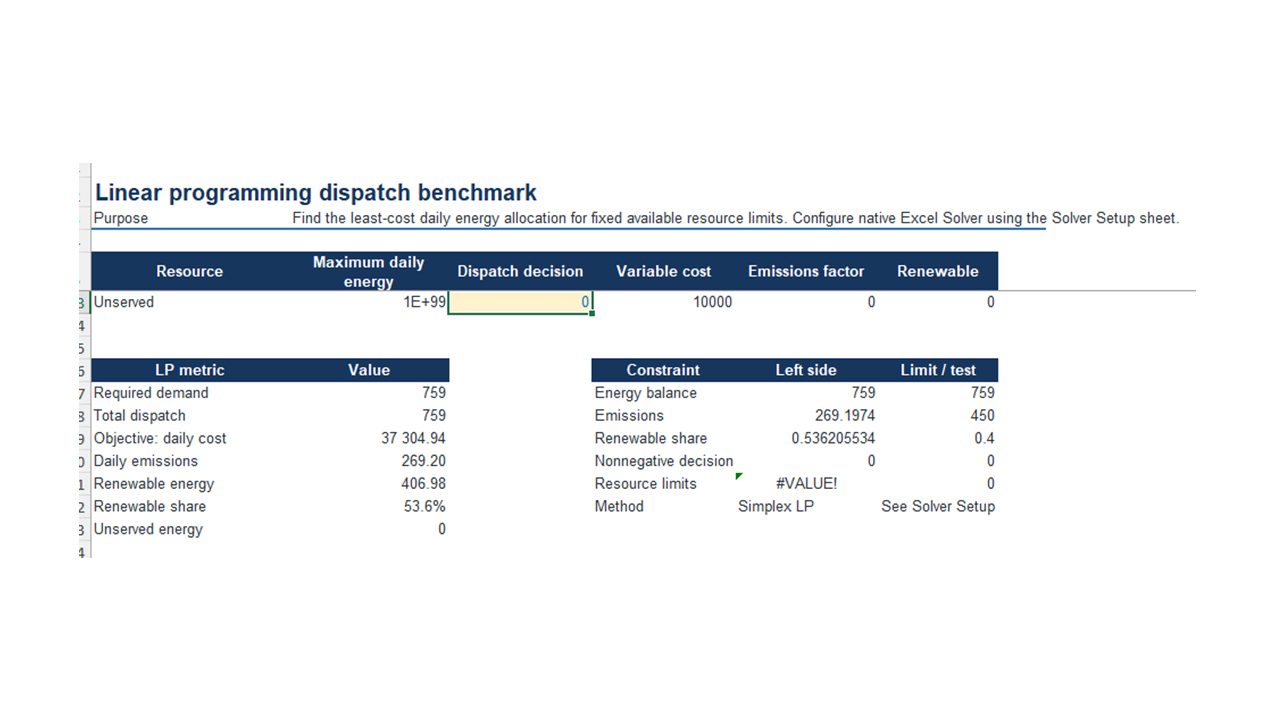
- Examine emissions and renewable energy contributions against selected targets.
- Test alternative scenarios, such as demand growth, higher energy prices and reduced renewable output.
- Support preliminary energy planning decisions with transparent Excel calculations and saved scenario comparisons.
This downloadable best practice is most useful when:
- Planning energy supply for mines or industrial sites with several potential energy sources.
- Screening hybrid energy systems combining renewables, battery storage, grid supply and thermal generation.
- Comparing preliminary options before commissioning detailed engineering or feasibility studies.
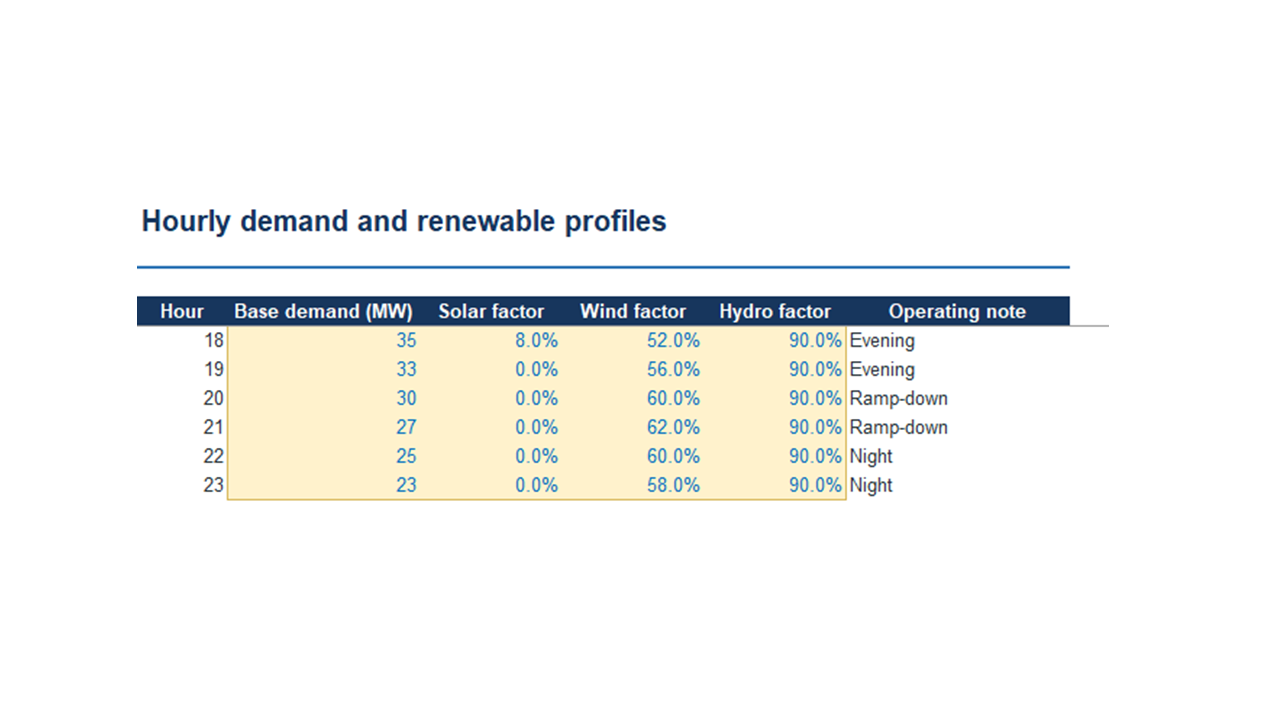
- Working with available site data, including hourly demand, renewable output profiles, energy costs and emissions factors.
- Exploring cost and environmental trade-offs, including renewable targets and carbon pricing.
- Testing changing operating conditions, such as production growth, higher fuel prices or reduced renewable output.
- Needing a transparent Excel tool for scenario analysis and discussion with clients or management.
It is best suited to preliminary planning using a representative 24-hour profile. Final investment decisions require detailed annual modeling, engineering validation and consistent cost comparisons.
This downloadable best practice is less suitable when:
- Final engineering or investment approval is required, rather than preliminary screening.
- Detailed annual or seasonal analysis is essential, as the model uses a representative 24-hour profile.
- Complex battery operation must be modeled, including charging schedules, degradation and multiple daily cycles.
- Electrical network studies are needed, such as voltage stability, power flows, protection or transmission constraints.
- Detailed generator scheduling is required, including start-up costs, ramp rates and minimum operating loads.
- Reliability must be quantified statistically, including equipment failures, outages and probabilities of supply loss.
- A complete financial appraisal is needed, including financing, taxation, depreciation, NPV and IRR.
- Reliable input data is unavailable, making comparisons highly dependent on unverified assumptions.
The tool supports initial option comparisons; these applications require more detailed models and specialist validation.