Inventory FIFO METHOD
Originally published: 11/06/2025 14:44
Publication number: ELQ-79490-1
View all versions & Certificate
certified

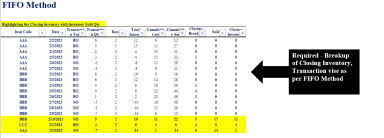
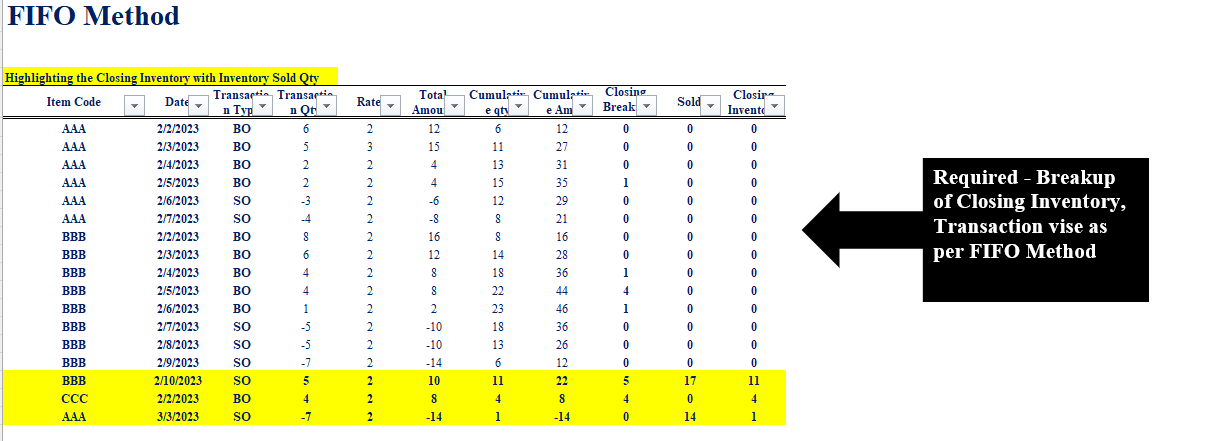
Inventory FIFO METHOD

Inventory valuation is the accounting process of assigning a monetary value to a company’s inventory at the end of a period. It determines the COGS

Description

Inventory valuation is a critical component of financial accounting that involves determining the monetary value of a company's inventory at the end of an accounting period. This process plays a vital role in calculating the Cost of Goods Sold (COGS) and the value of inventory reported on the balance sheet, both of which significantly influence a company's gross profit, net income, and tax liabilities.


Companies use inventory valuation to ensure compliance with financial reporting standards (such as IFRS or GAAP) and to provide stakeholders with an accurate view of financial performance and position. The method chosen for valuation can impact the financial results, especially in periods of price volatility.


There are several commonly used inventory valuation methods:


  • FIFO (First-In, First-Out): Assumes that the oldest inventory items are sold first. In times of rising prices, FIFO typically results in lower COGS and higher net income.


  • LIFO (Last-In, First-Out): Assumes the most recent inventory items are sold first. LIFO can lead to higher COGS and lower taxable income during inflationary periods, but it’s not permitted under IFRS.


  • Weighted Average Cost: Averages the cost of all inventory items, smoothing out price fluctuations.


  • Specific Identification: Used when individual inventory items are uniquely identifiable (e.g., cars, luxury goods).


Choosing the appropriate method depends on the nature of the business, the industry, and the applicable accounting framework. Proper inventory valuation ensures accurate profitability analysis, inventory management, and financial decision-making.

This Best Practice includes
Excel Sheet Caculate the Valuation of Inventory

Mo ModelPro offers you this Best Practice for free!

download for free

Add to bookmarks

Discuss


5.0 / 5 (1 votes)

please wait...