Finance Lab Session 10-Power BI, Fabric planning and AI Agents for Finance
Originally published: 15/05/2026 13:29
Publication number: ELQ-74477-1
View all versions & Certificate
certified

Finance Lab Session 10-Power BI, Fabric planning and AI Agents for Finance

Why AI will create more Excel & Power BI usage (not less) & how MS Fabric's semantic model provides the ideal foundation for production ready finance agents.

Description
1. Background
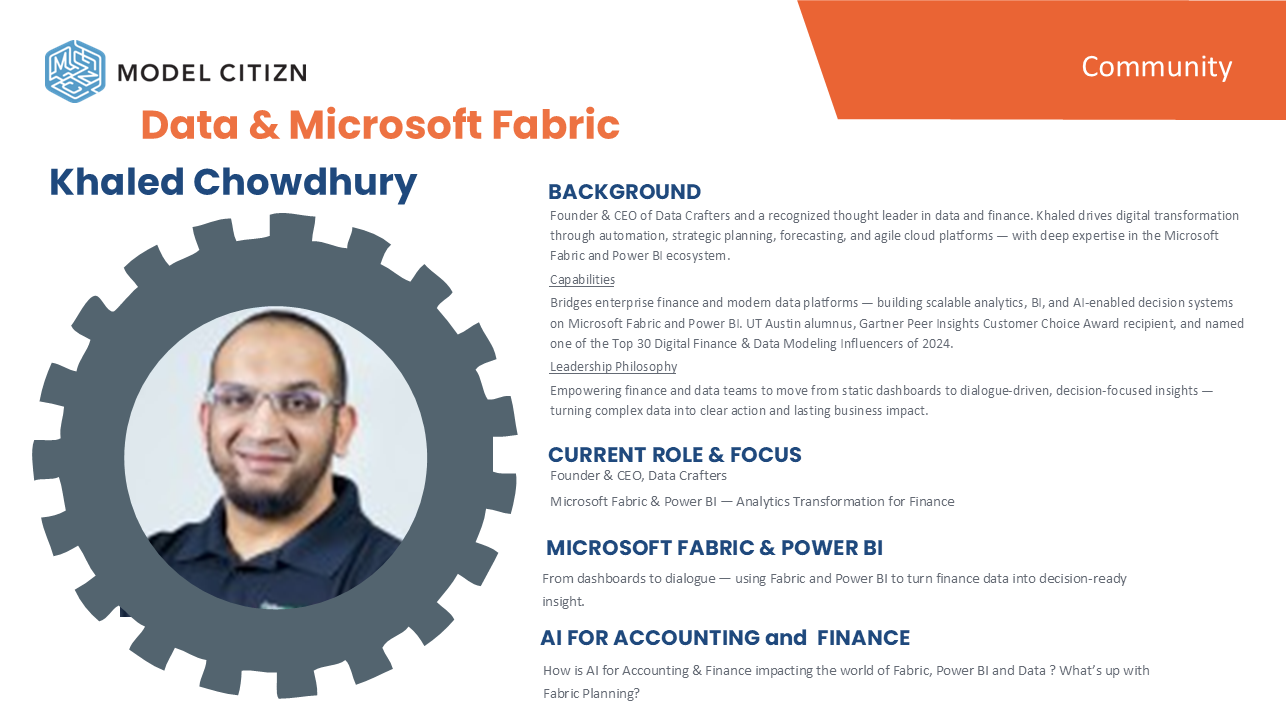
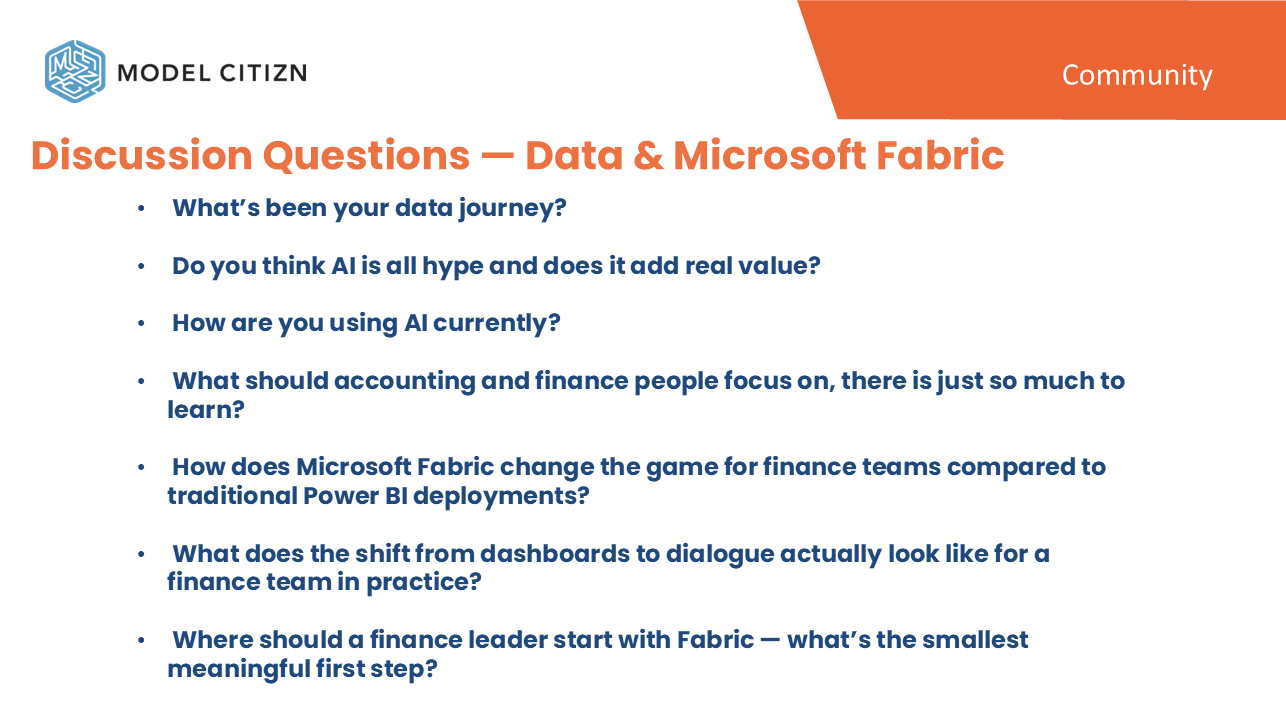
This resource captures the key insights from Session 10 of the Future of Finance Lab, featuring data consulting CEO Khaled Chowdhury and hosted by Lance Rubin. The session explores why AI will create more Excel and Power BI usage — not less — and how Microsoft Fabric's semantic model layer provides the ideal foundation for production-ready AI agents in finance.

Included are practical frameworks for understanding the shift from report-building to agent ownership, a breakdown of how Power BI's built-in metadata advantage makes it superior to generic RAG deployments, and a cost-effective entry path to Fabric (pay-as-you-go, F2 capacity). The resource also covers Claude vs Copilot use cases and why domain expertise matters more than ever for finance professionals working with AI.


Suitable for finance managers, FP&A professionals, CFOs, and accountants exploring AI-augmented workflows.


3. What's Included:
  • Session summary document (key insights, frameworks, and practical takeaways)
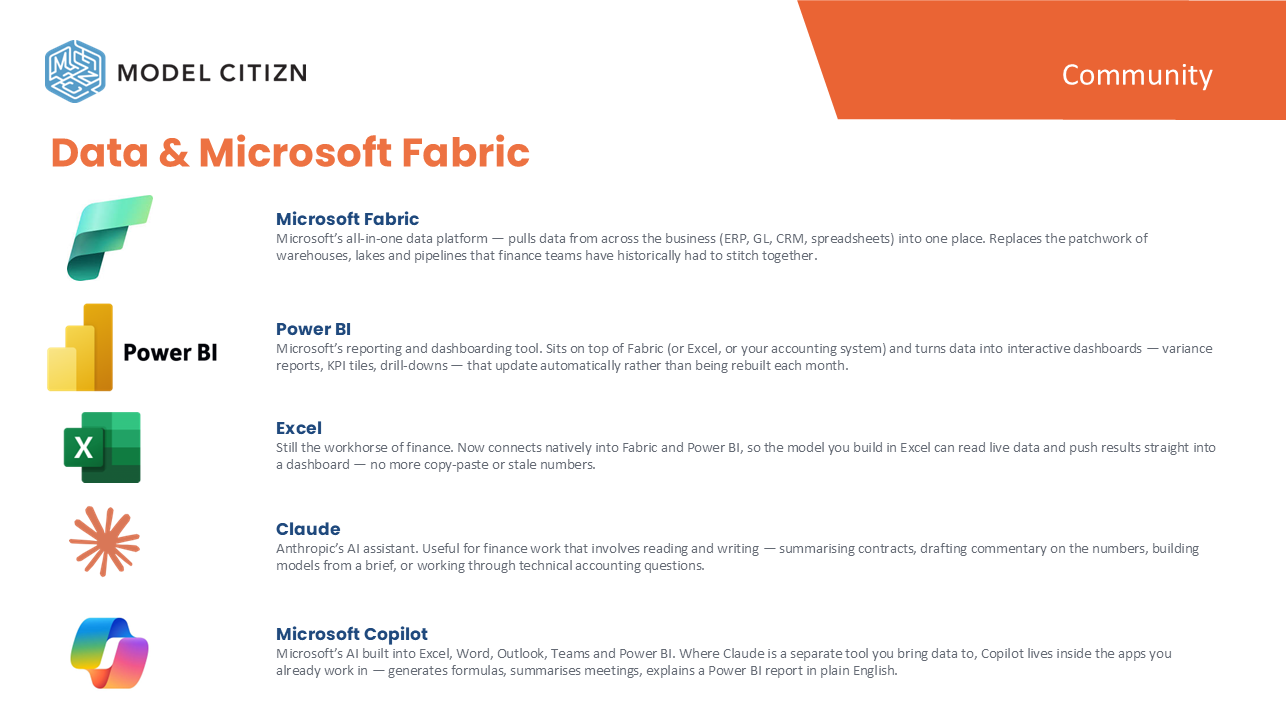
  • Tool comparison matrix: Claude vs Copilot vs Gemini vs ChatGPT — finance use cases
  • Microsoft Fabric entry path guide: pricing tiers, pay-as-you-go setup, F2 Copilot access
  • Checklist: "From Report Builder to Agent Owner" — 10 steps for finance teams
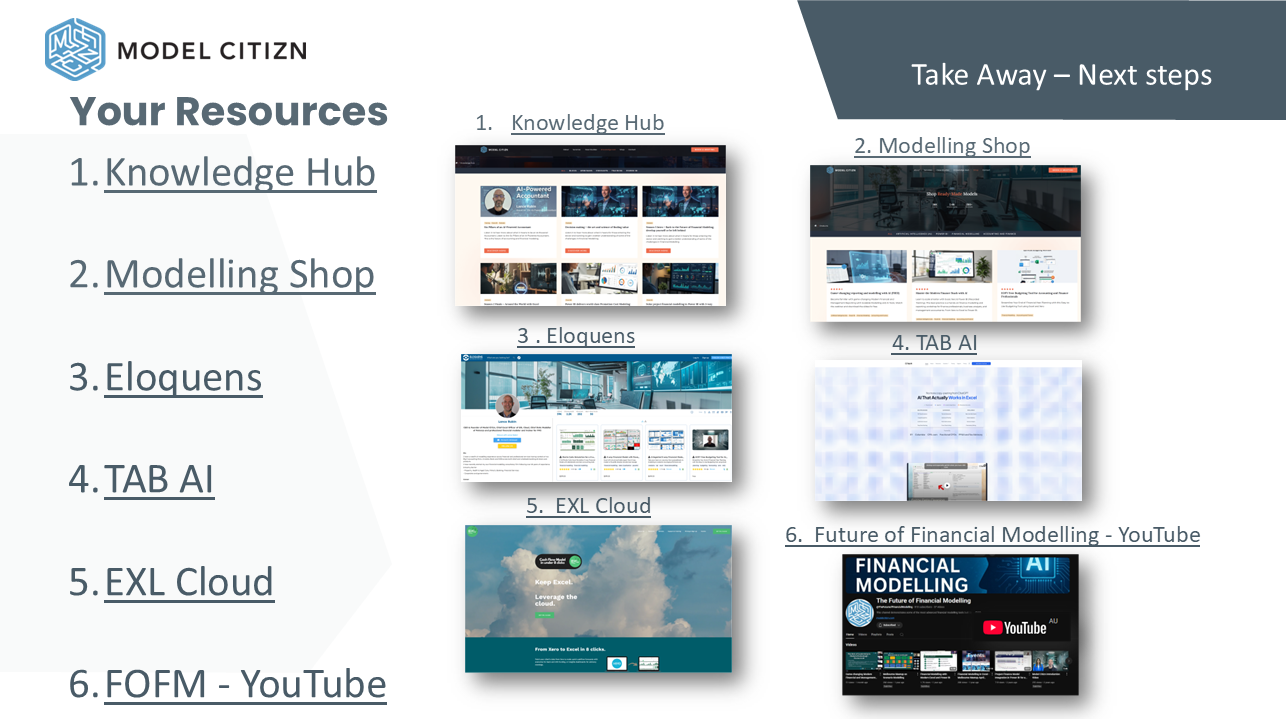
  • List of tools and resources mentioned in the session with links
4. Who Should Use: 


Finance professionals, FP&A analysts, management accountants, and CFOs who want to understand how AI agents, Microsoft Fabric, and Power BI semantic models are changing the finance function — and how to start experimenting without a large upfront investment.


5. Visuals/Imagery Guidance:
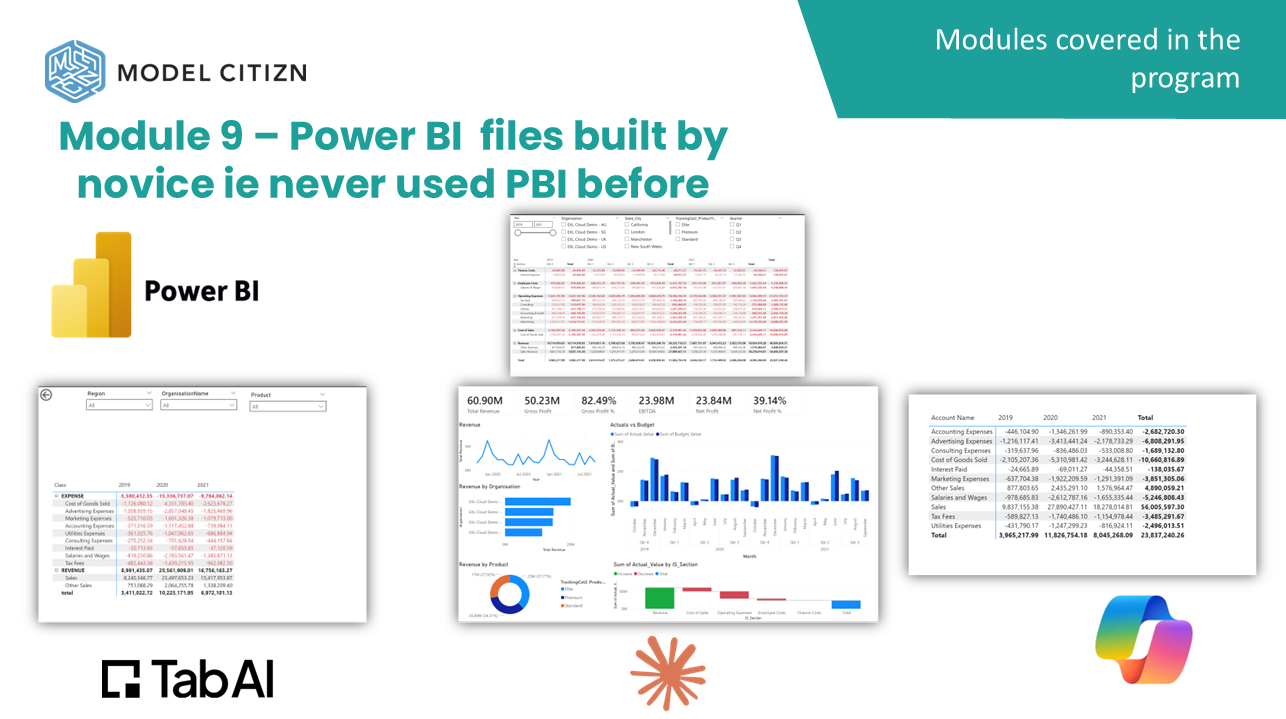
  • Screenshot of the Power BI "prep data for AI" feature in Desktop
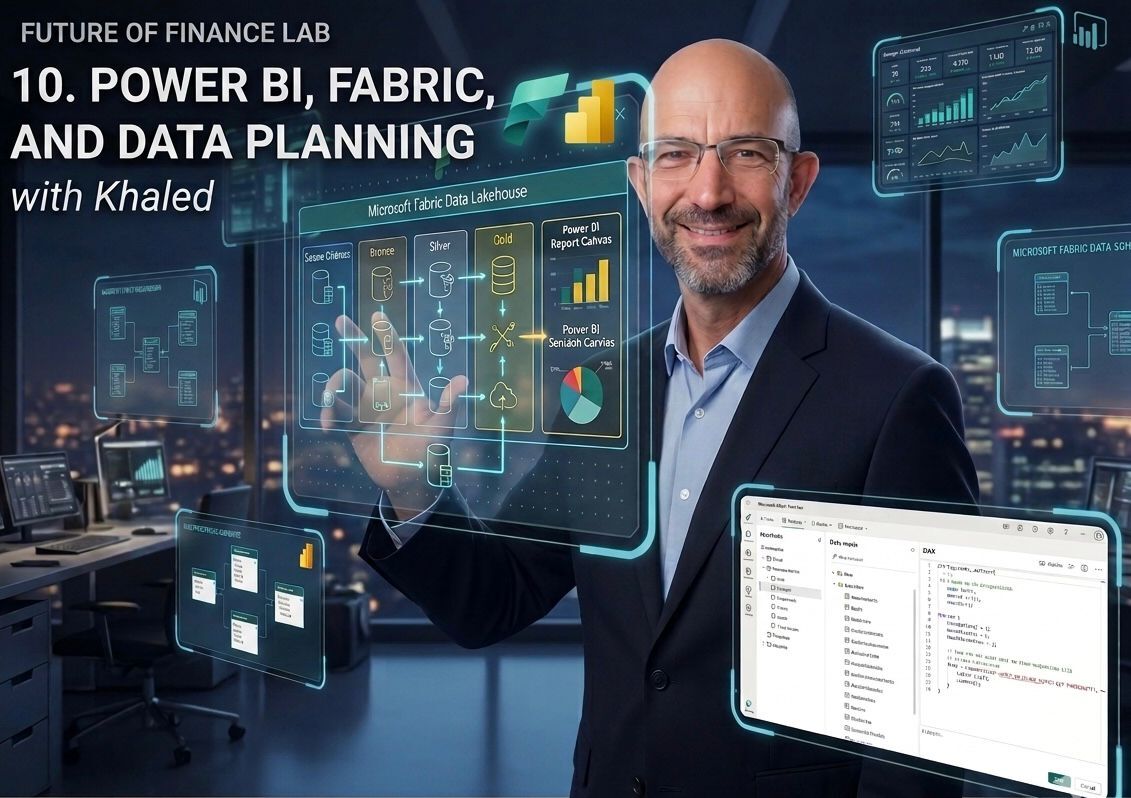
  • Diagram showing the three-layer architecture: Data Source → Power BI Semantic Model → Data Agent → End User
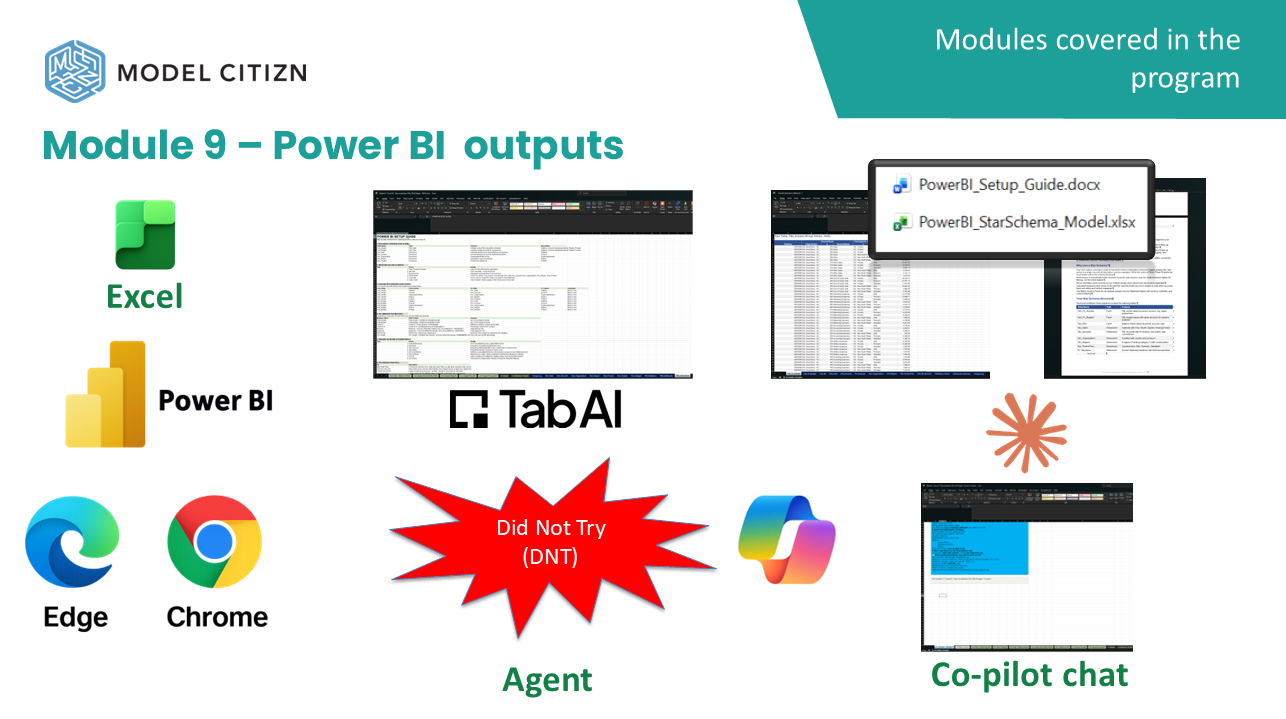
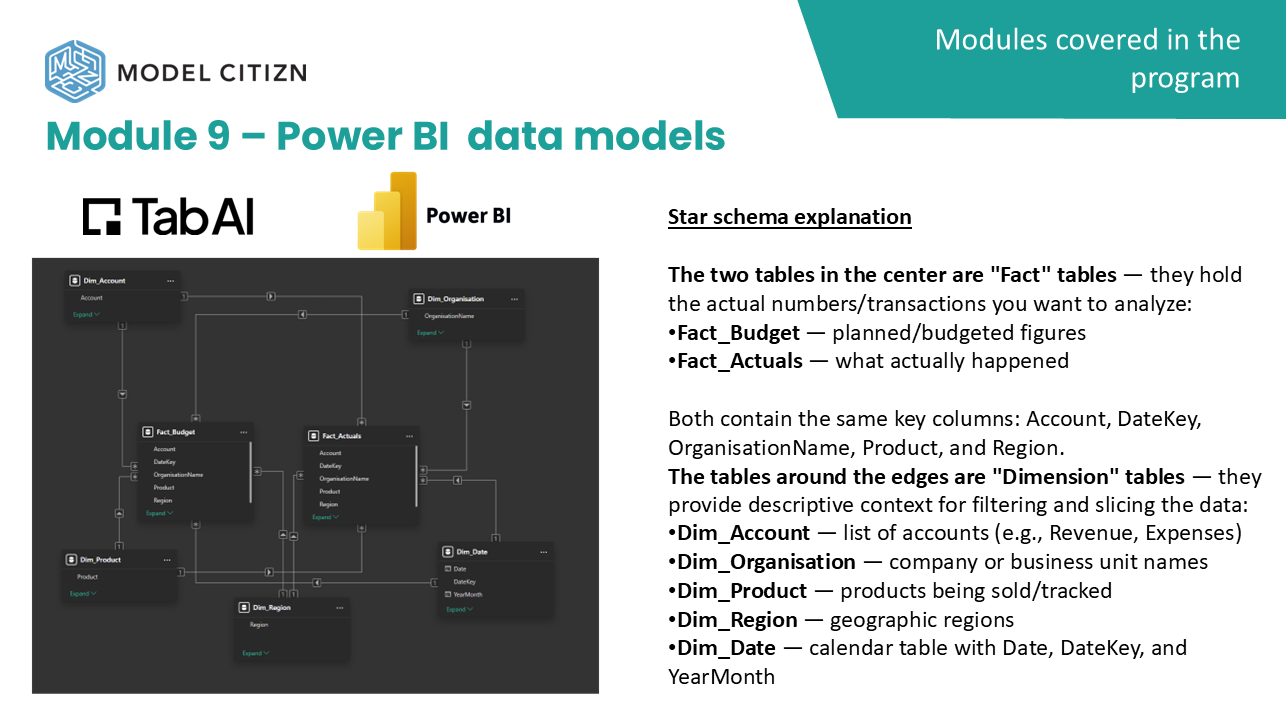
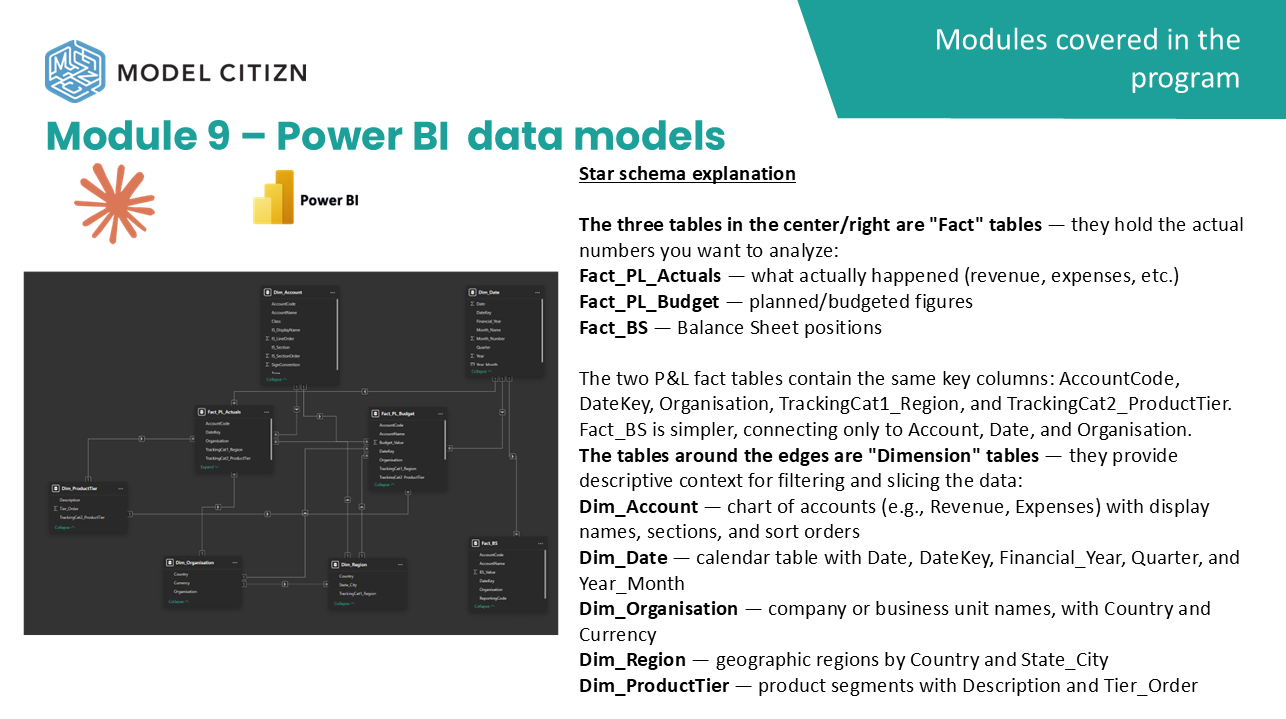
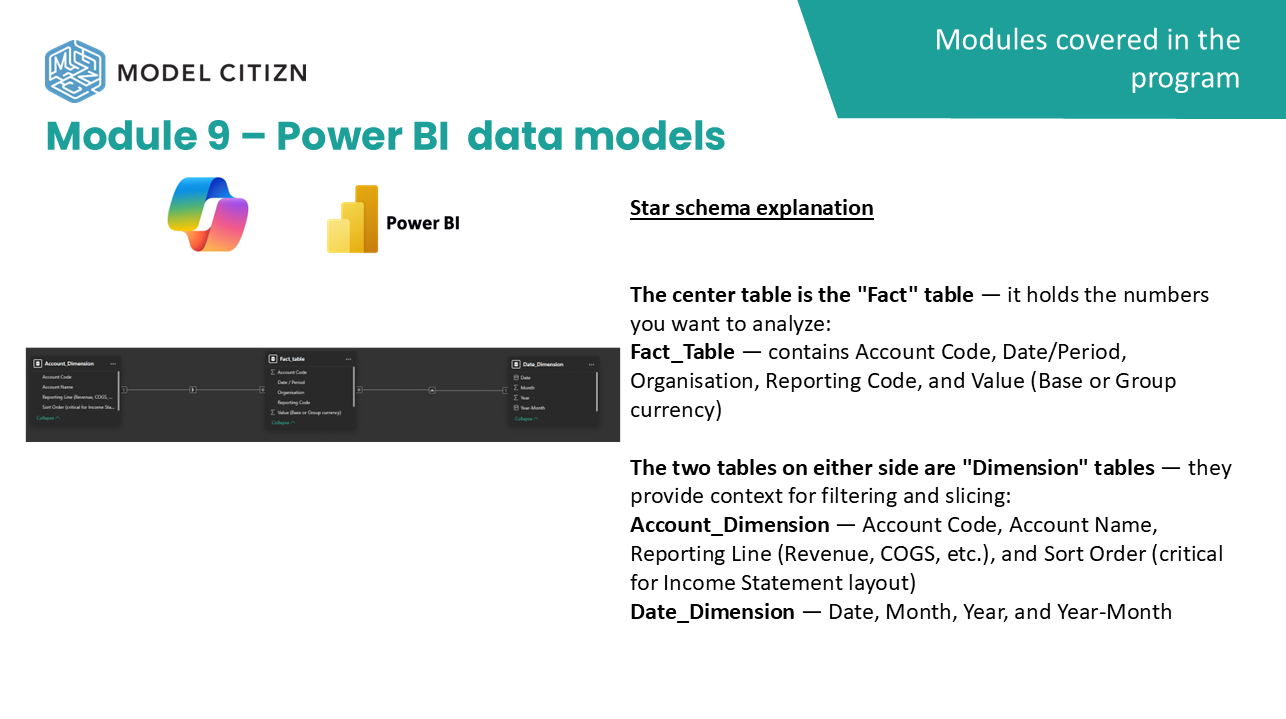
  • Side-by-side comparison of the star schema outputs from Claude vs Copilot (as discussed in session)
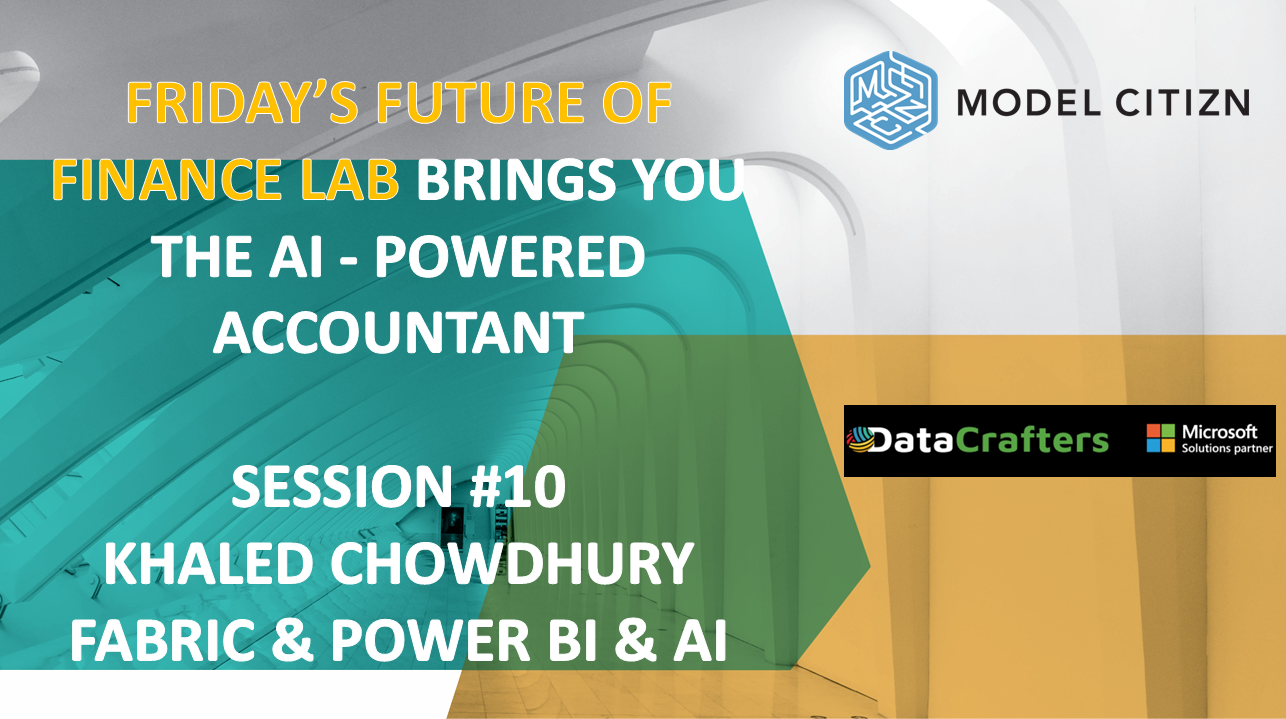
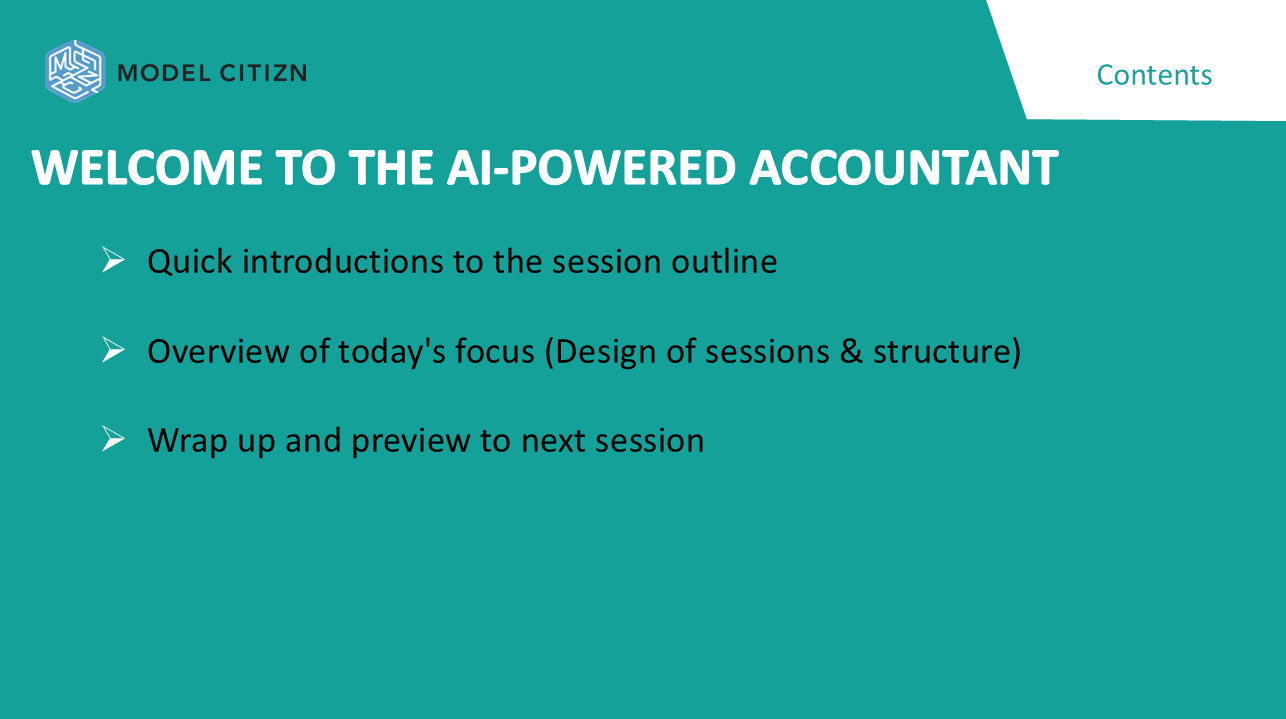
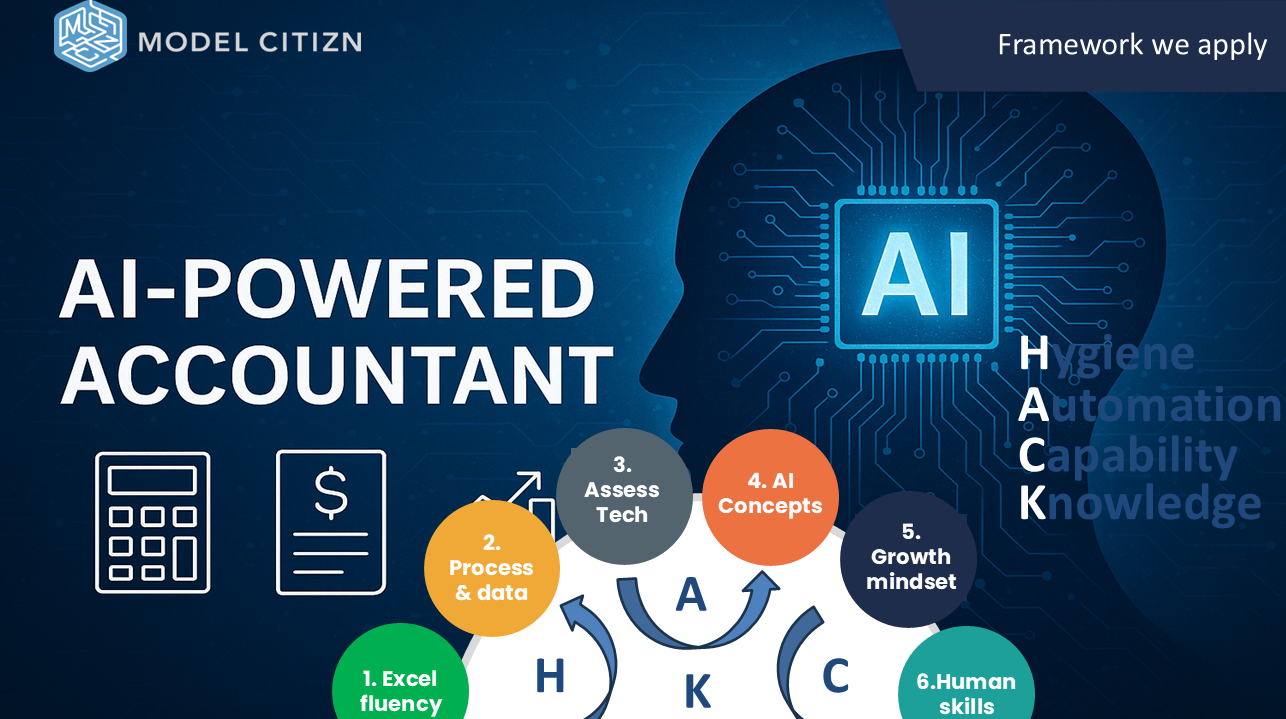
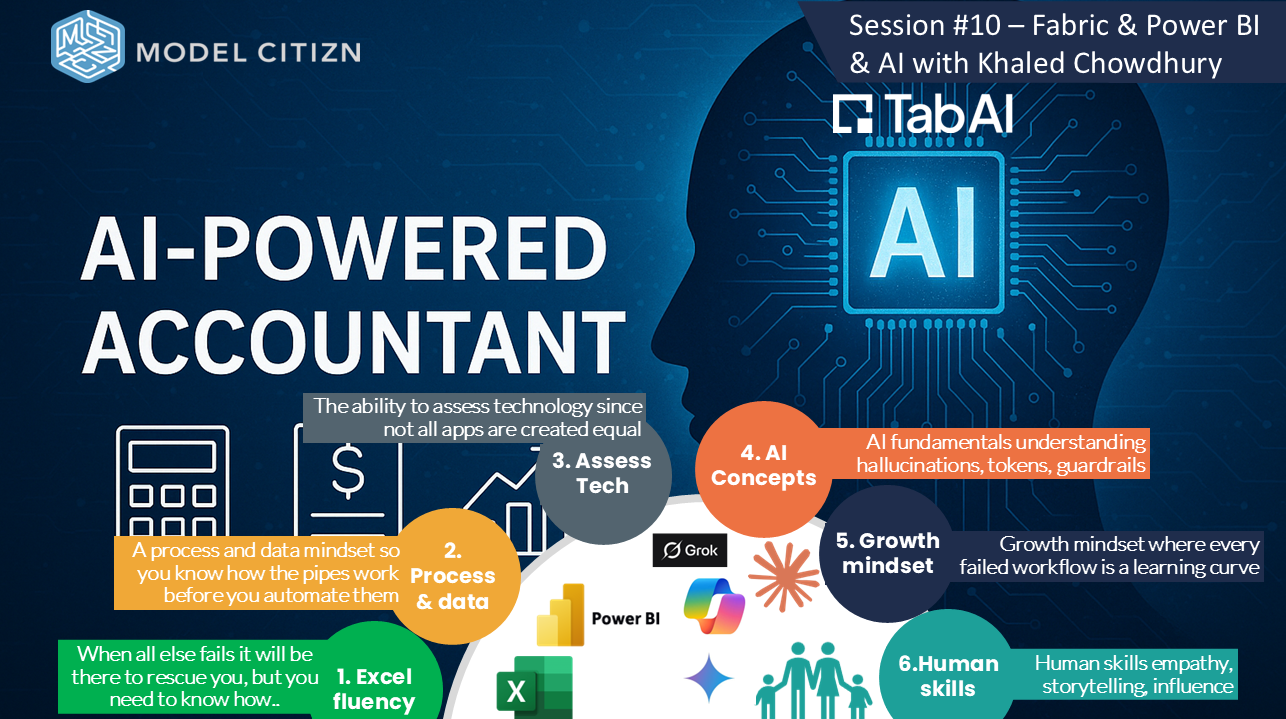
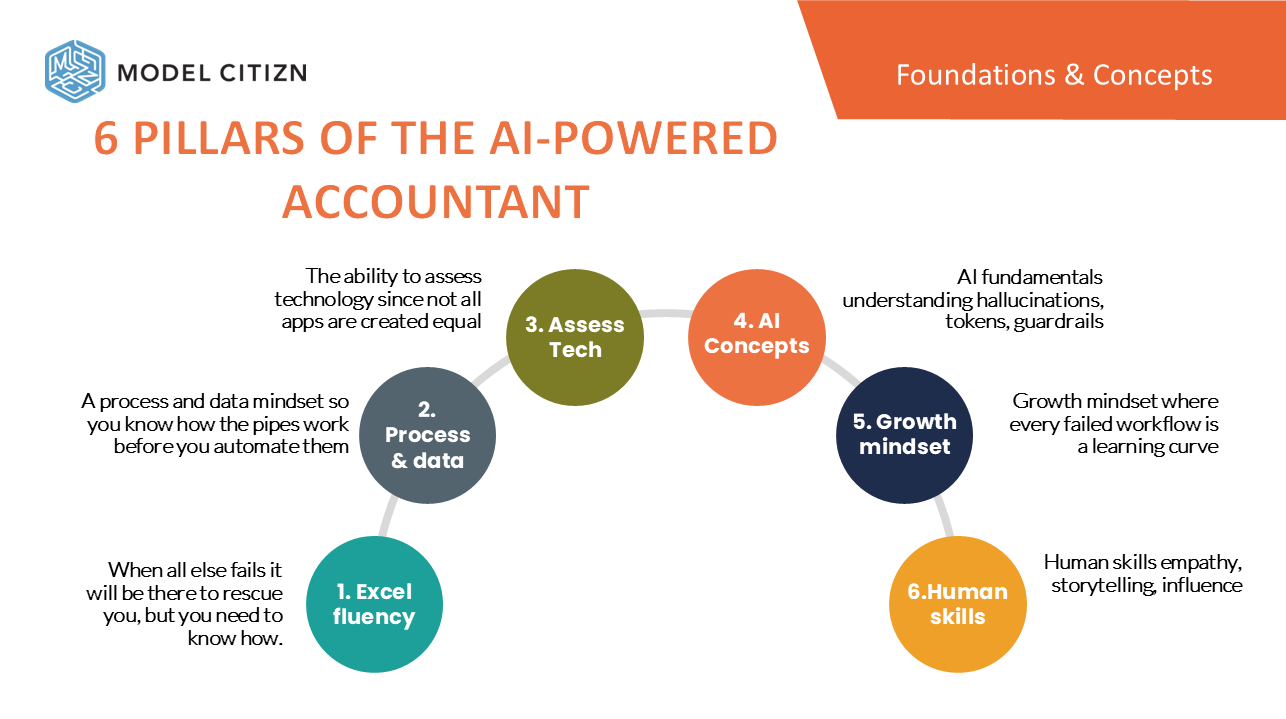
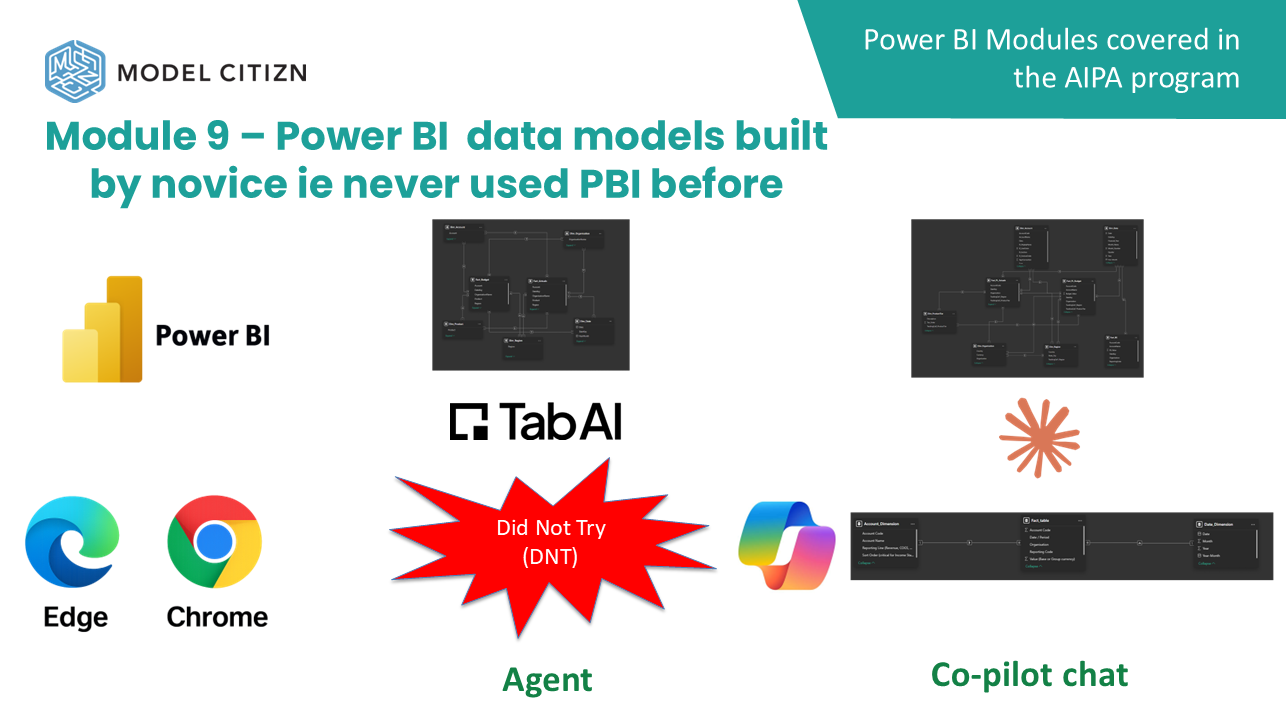
  • Session slide showing the AI-Powered Accountant module structure

This Best Practice includes
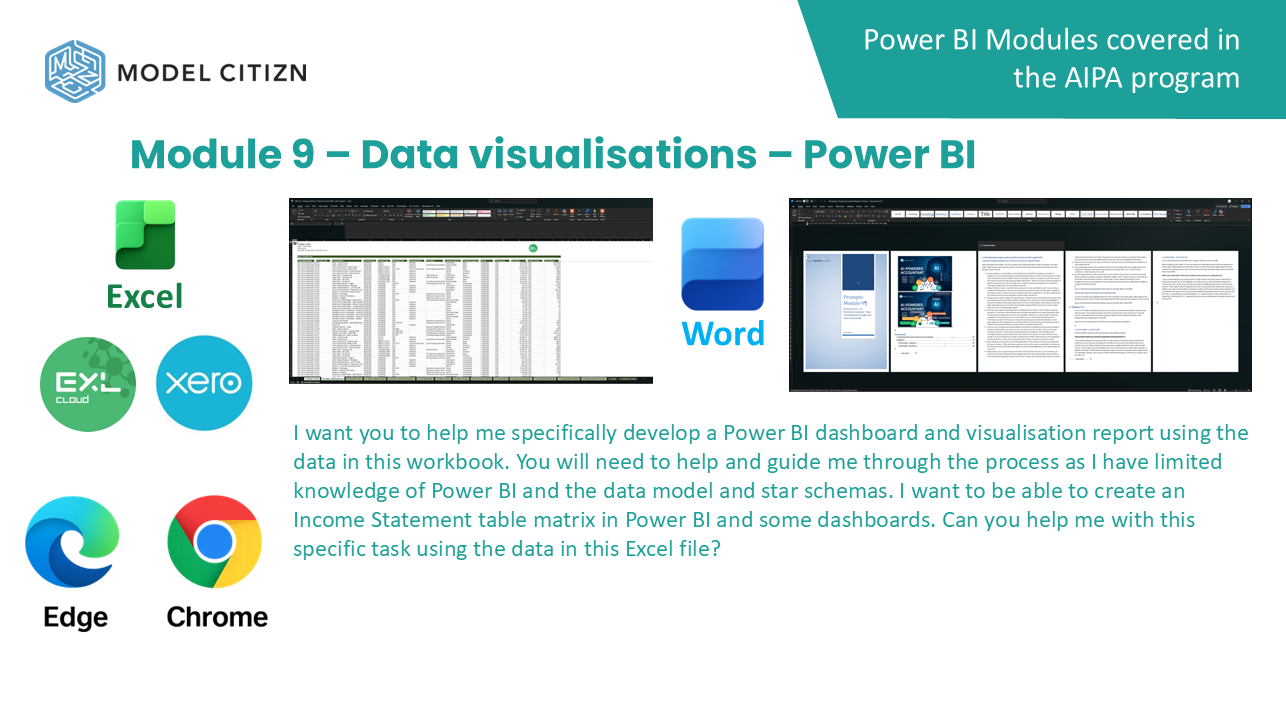
1. Slides 2. Excel workbook for Power BI development 3. Claude instruction guide in Word

Lance Rubin offers you this Best Practice for free!

download for free

Add to bookmarks

Discuss

Further information

Help finance professionals understand how AI agents built on Power BI semantic models are changing the finance function — from report-building to agent ownership. Provide a practical, low-cost entry path to Microsoft Fabric and Copilot. Equip FP&A teams with frameworks for choosing between AI tools (Claude, Copilot, Gemini, ChatGPT) based on specific finance use cases.

Finance teams evaluating AI tools for management reporting and data analysis
FP&A professionals exploring Microsoft Fabric and Power BI data agents
CFOs and finance leaders assessing the shift from report production to data governance
Accountants building skills in AI-augmented workflows using Claude, Copilot, or both
Small to mid-size firms looking for a cost-effective entry point to Fabric (pay-as-you-go F2)

Organisations seeking a fully built Power BI deployment or Fabric implementation
Teams needing deep technical guidance on DAX, Power Query, or SQL — this is strategic, not a coding tutorial
Non-finance use cases (marketing analytics, HR reporting, etc.)
Firms already running production-grade Fabric data agents — this is a starter guide, not advanced optimisation


5.0 / 5 (1 votes)

please wait...