Logistics Industry Financial Model (hypothetical business).
Originally published: 30/01/2026 21:27
Last version published: 27/03/2026 21:39
Publication number: ELQ-94031-2
View all versions & Certificate
certified

Logistics Industry Financial Model (hypothetical business).

A financial model for a hypothetical business in the logistics industry.

Description
This financial model seeks to illustrate how a business owner in the logistics industry can use a financial model to make decisions and see their impact on the business.

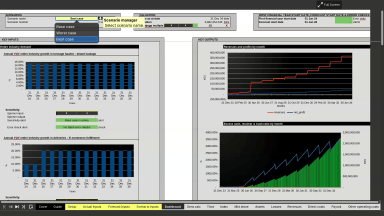
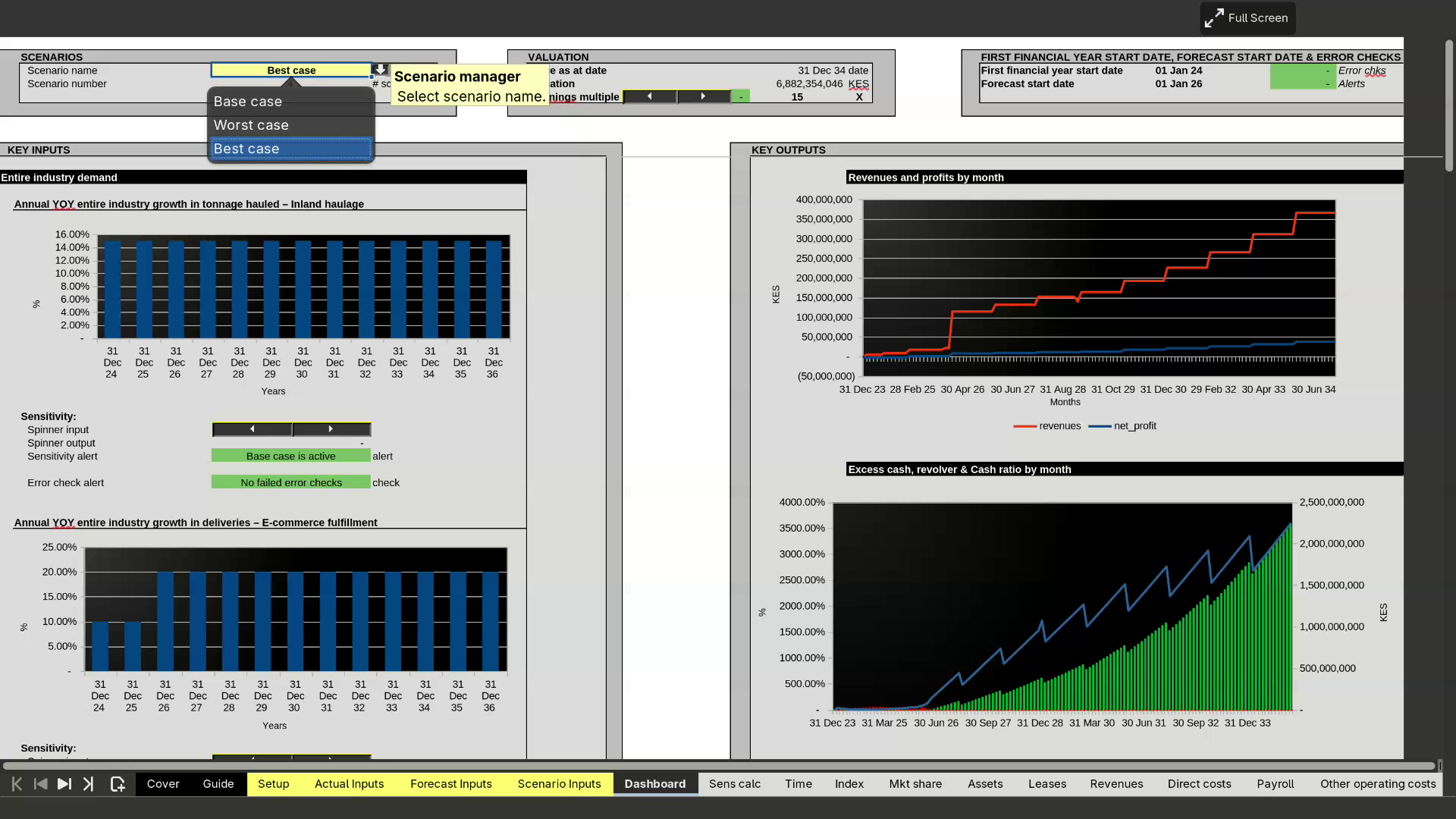
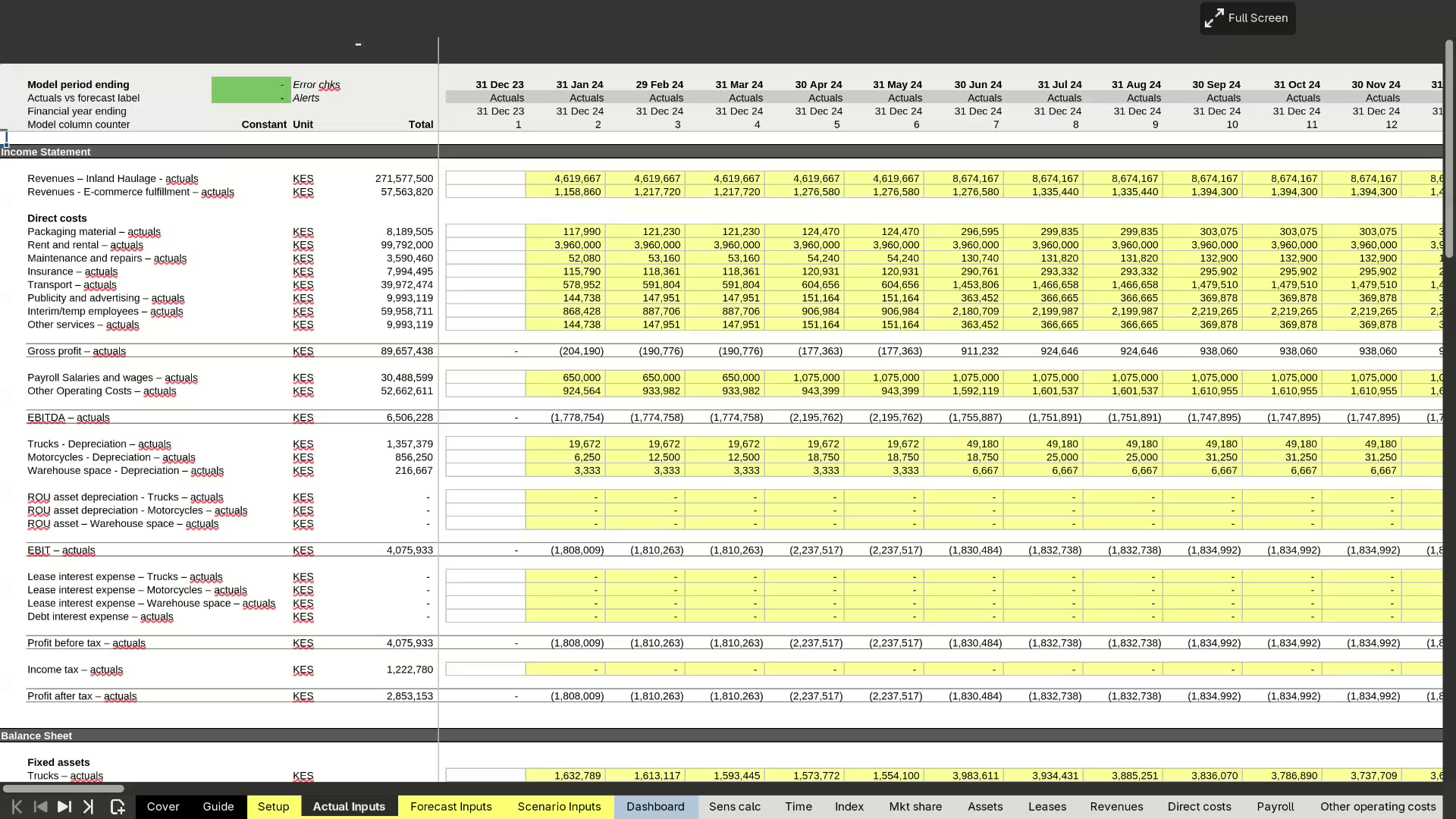
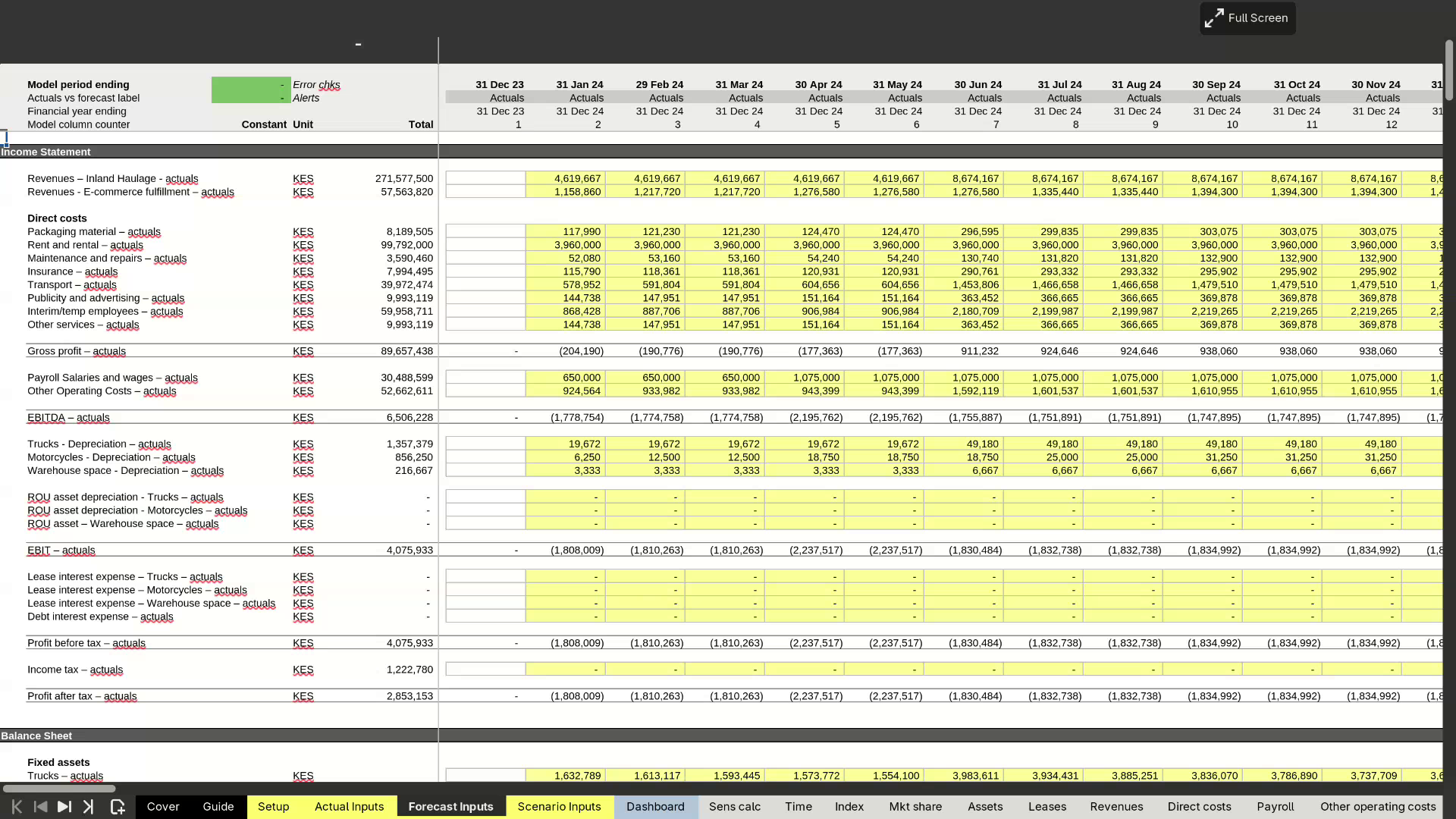
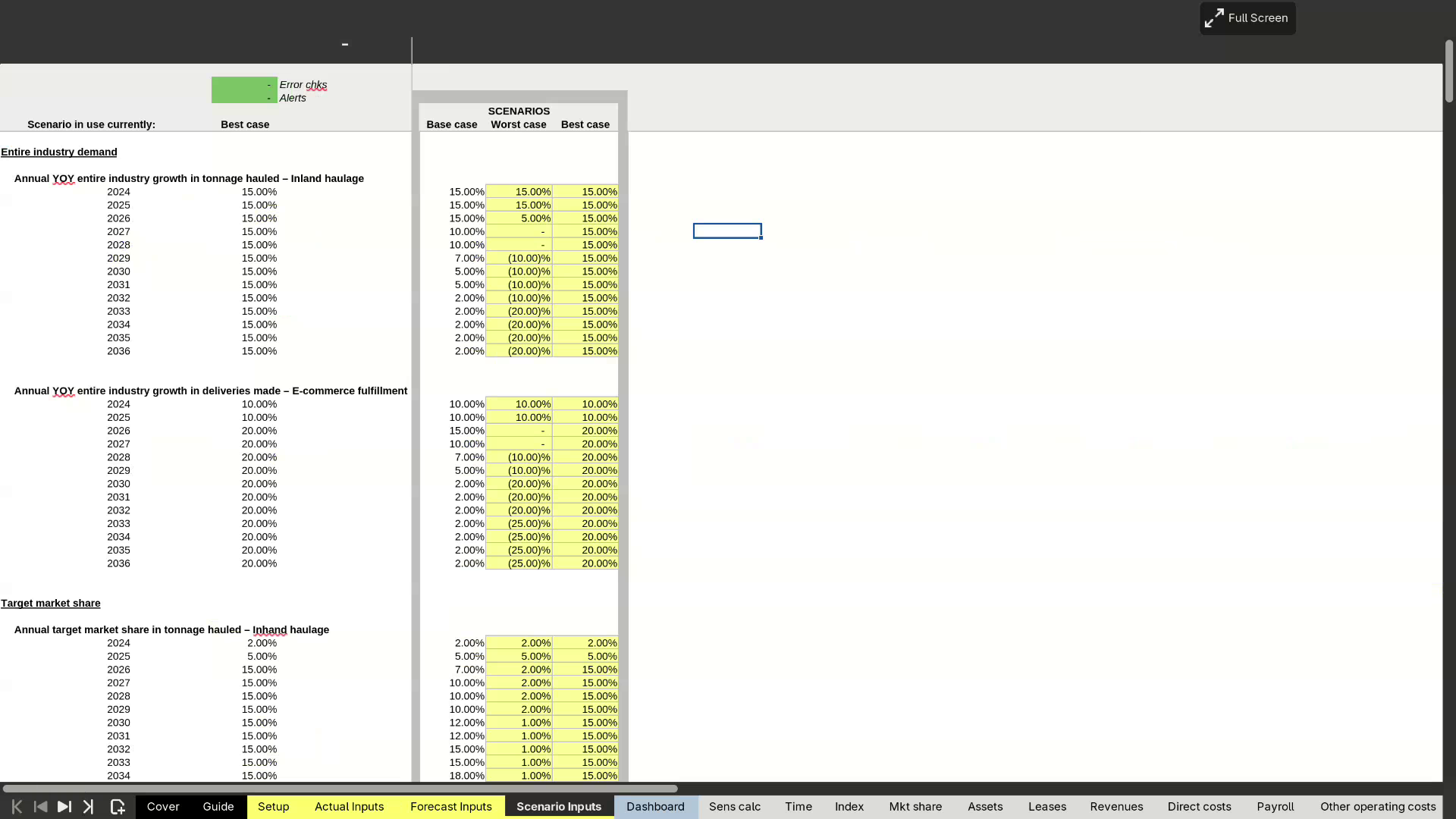
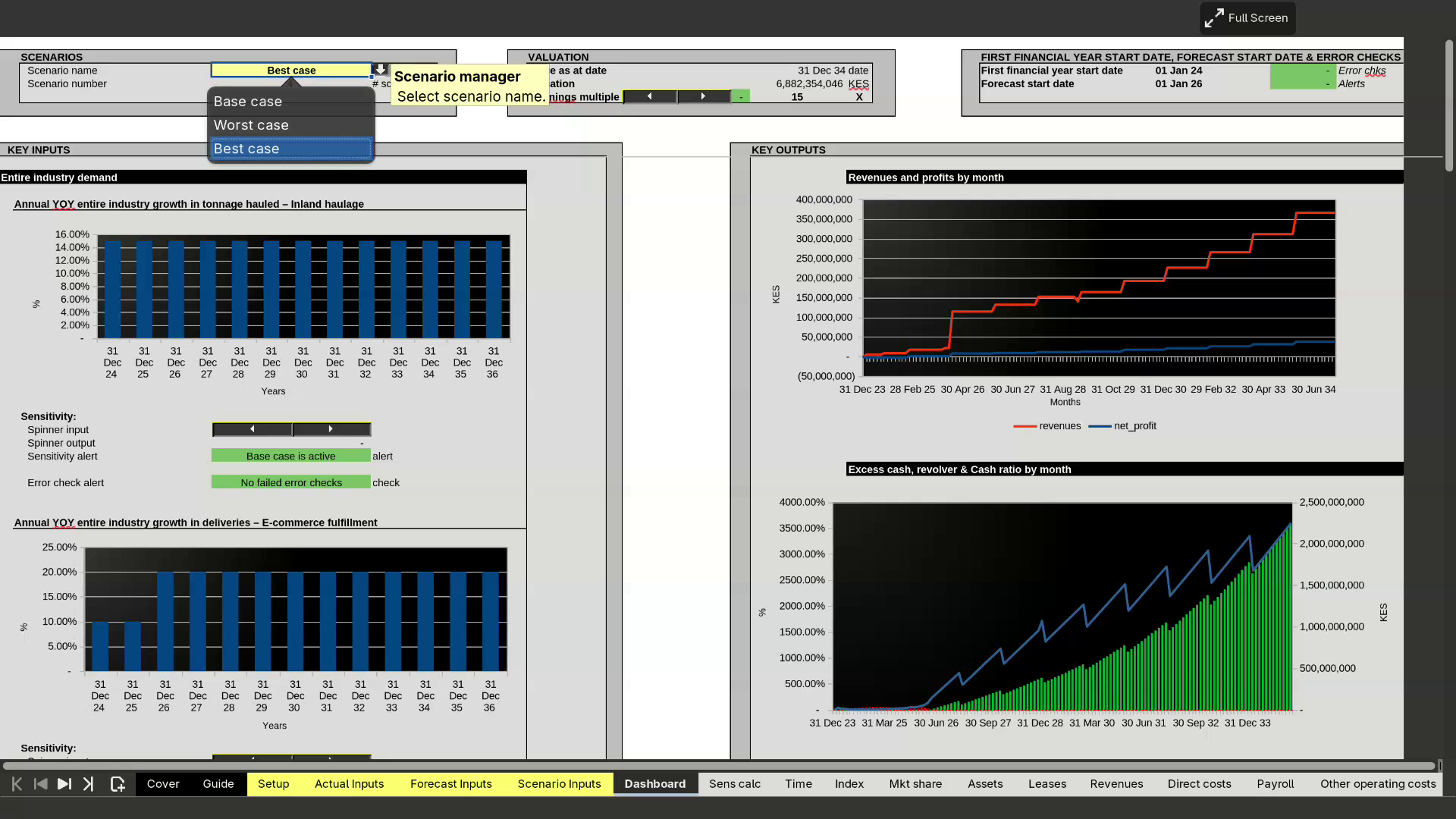
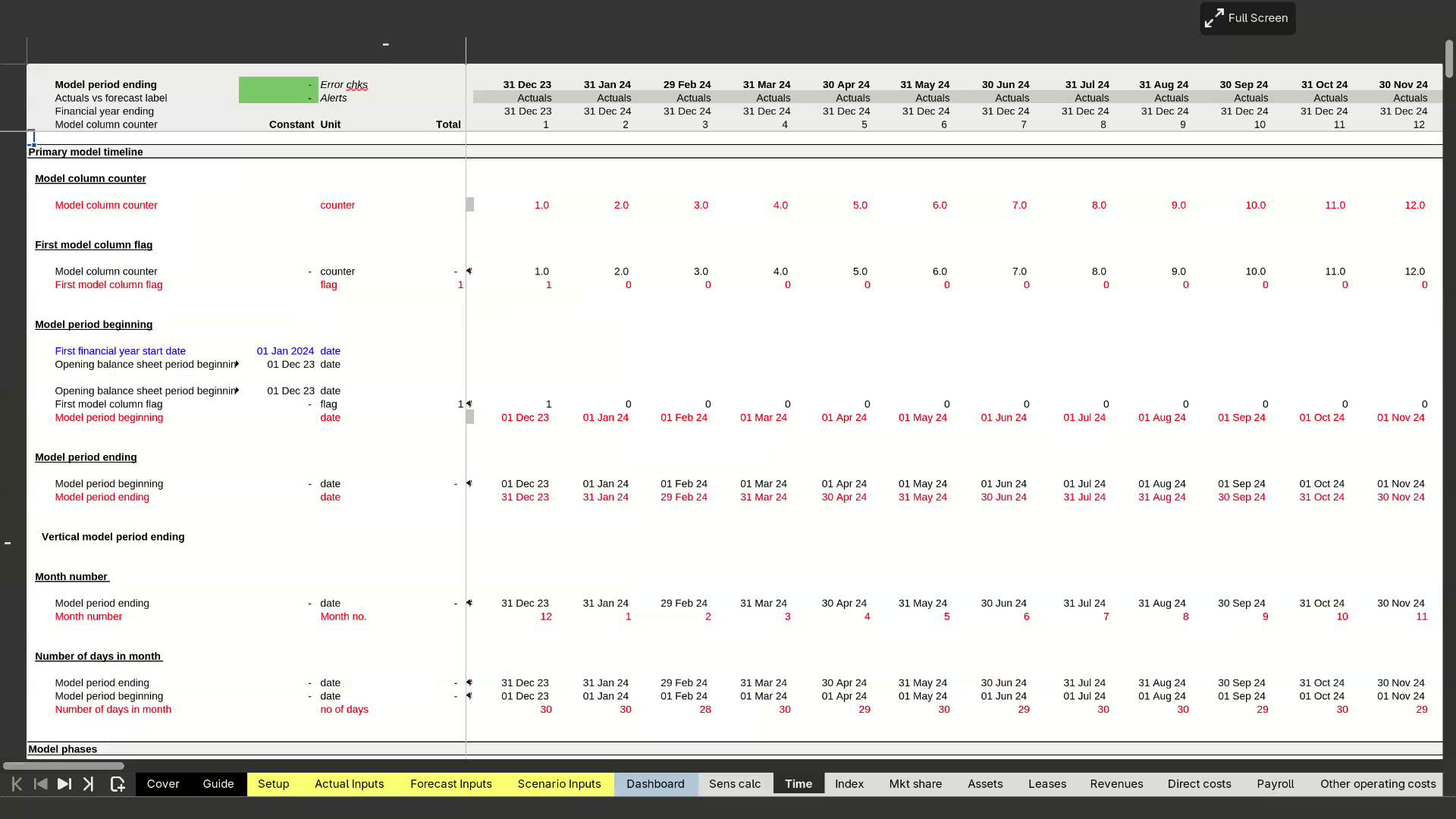
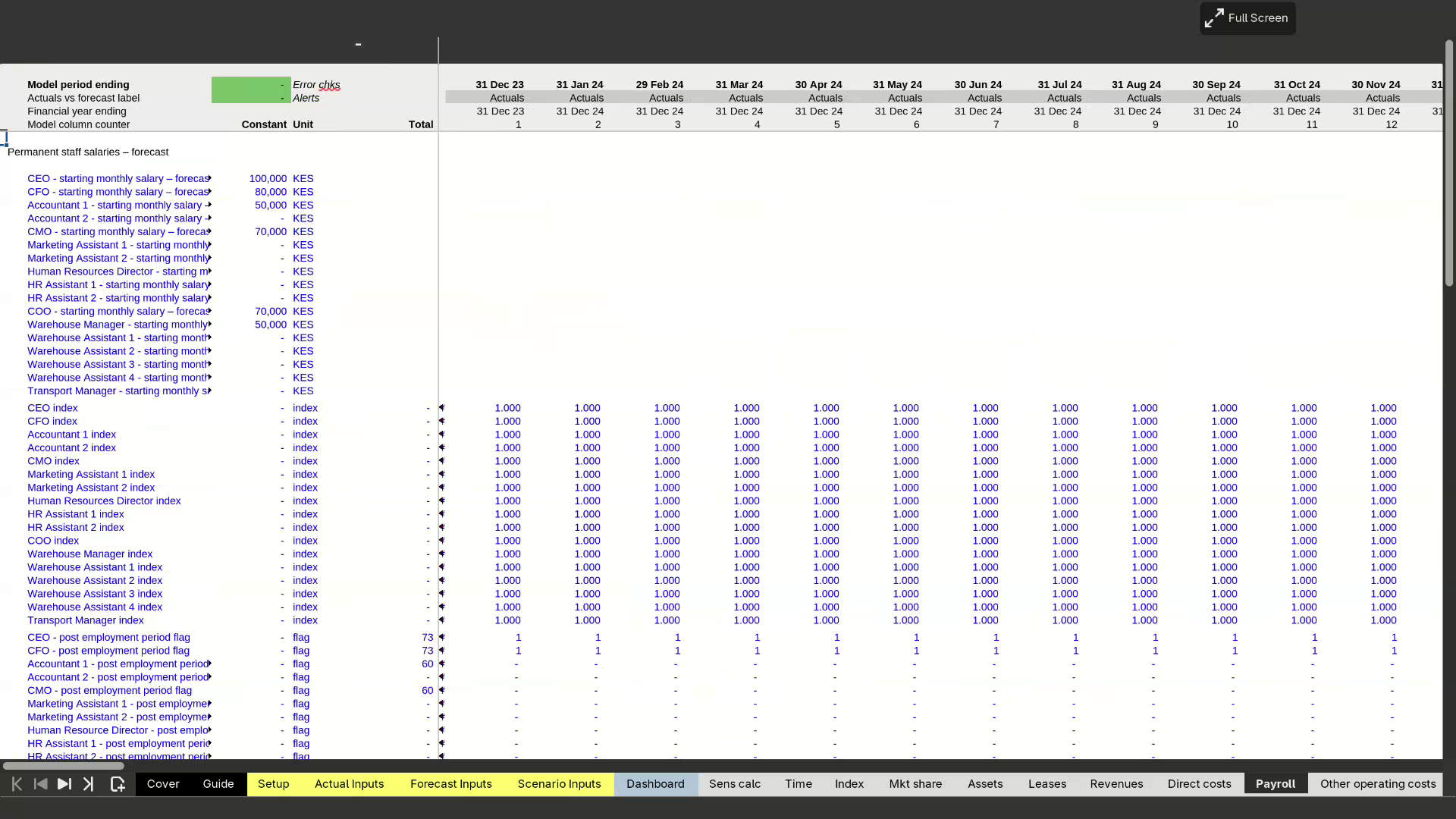
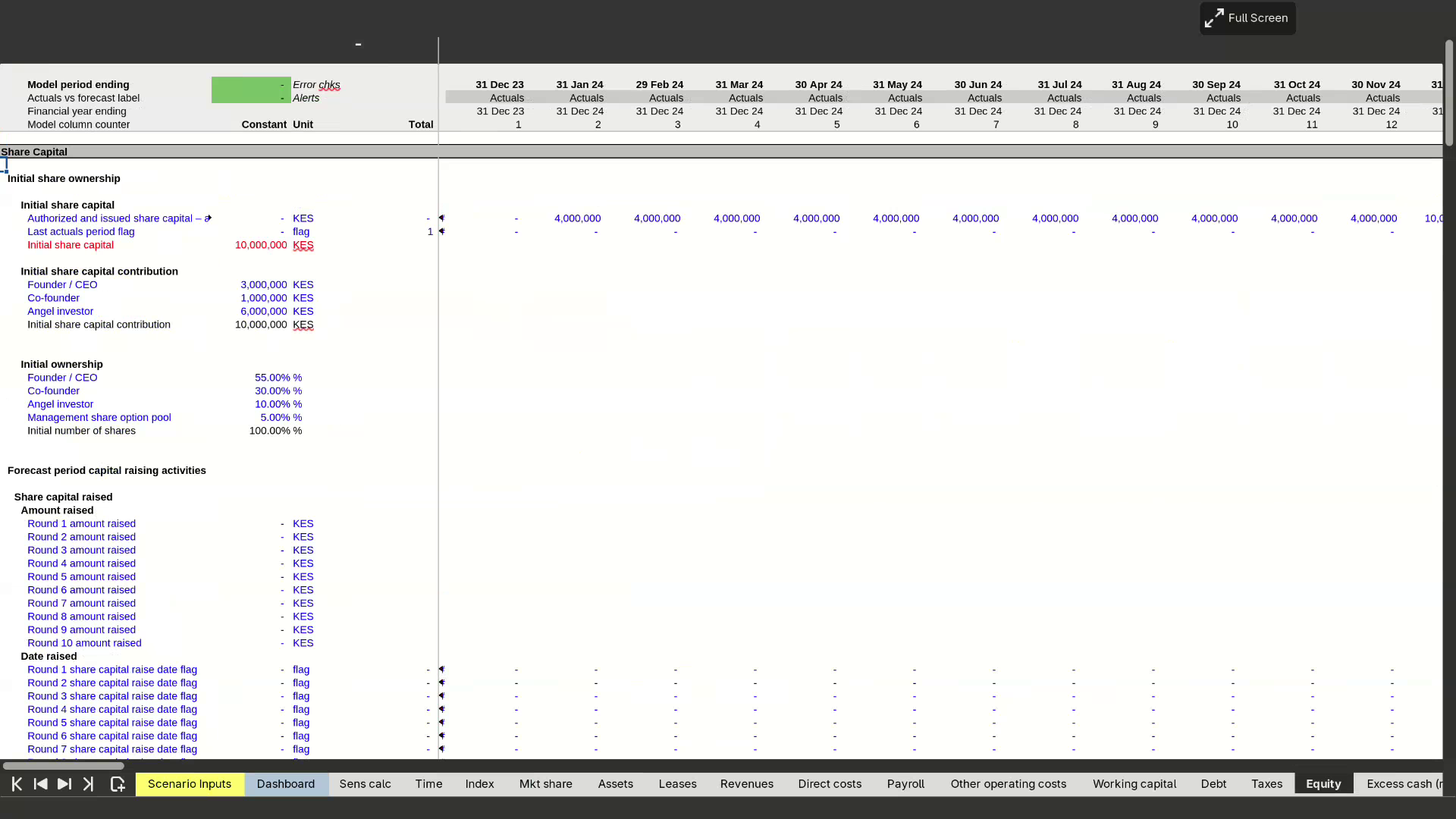
The inputs to the model are in the setup tab (model setup), the actual inputs tab (for updating the model as time goes by), and the forecasts tab (that allows the user to insert their inputs to the model). The dashboard tab allows one to insert scenario inputs to be used in scenario analysis.

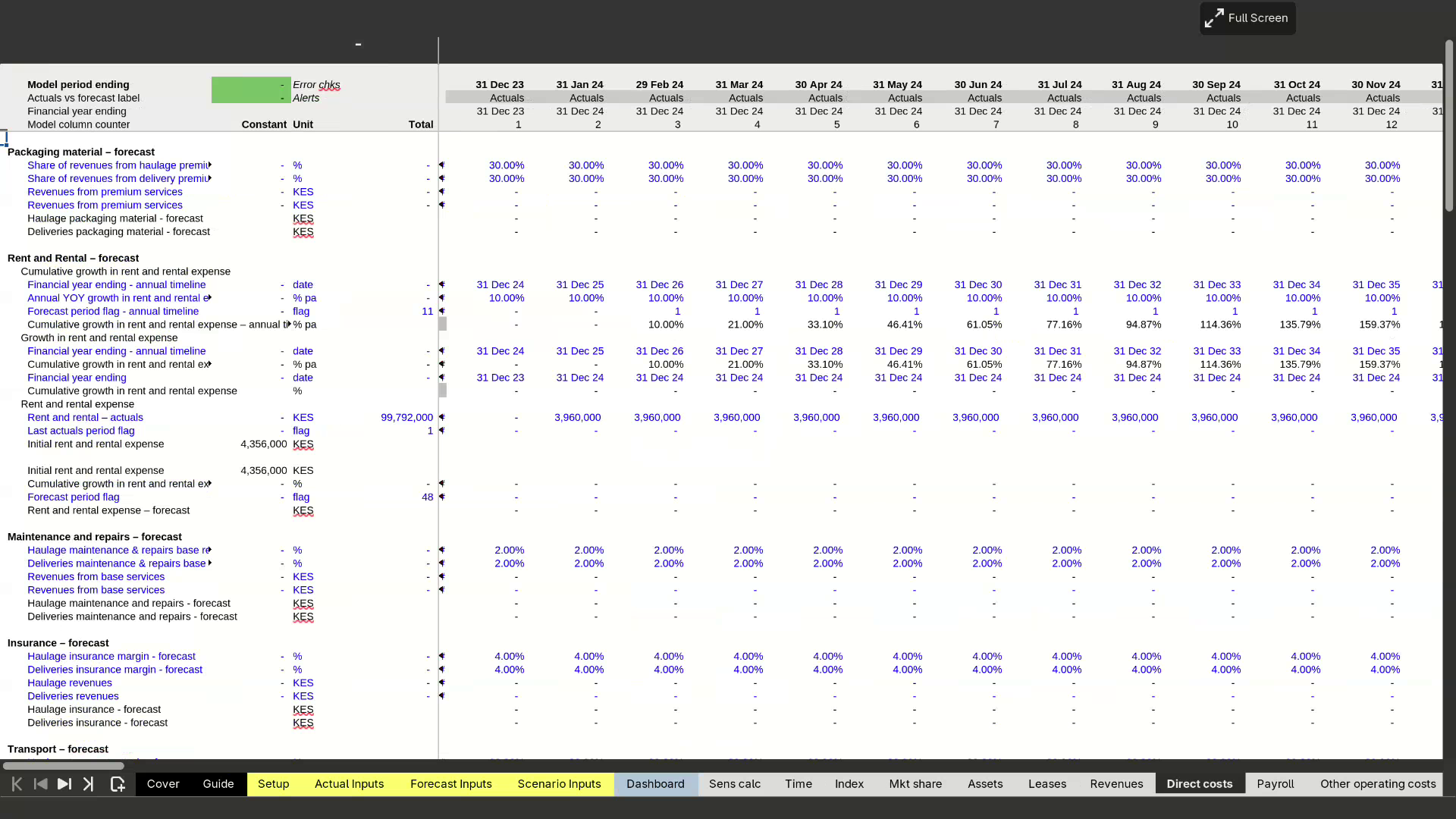
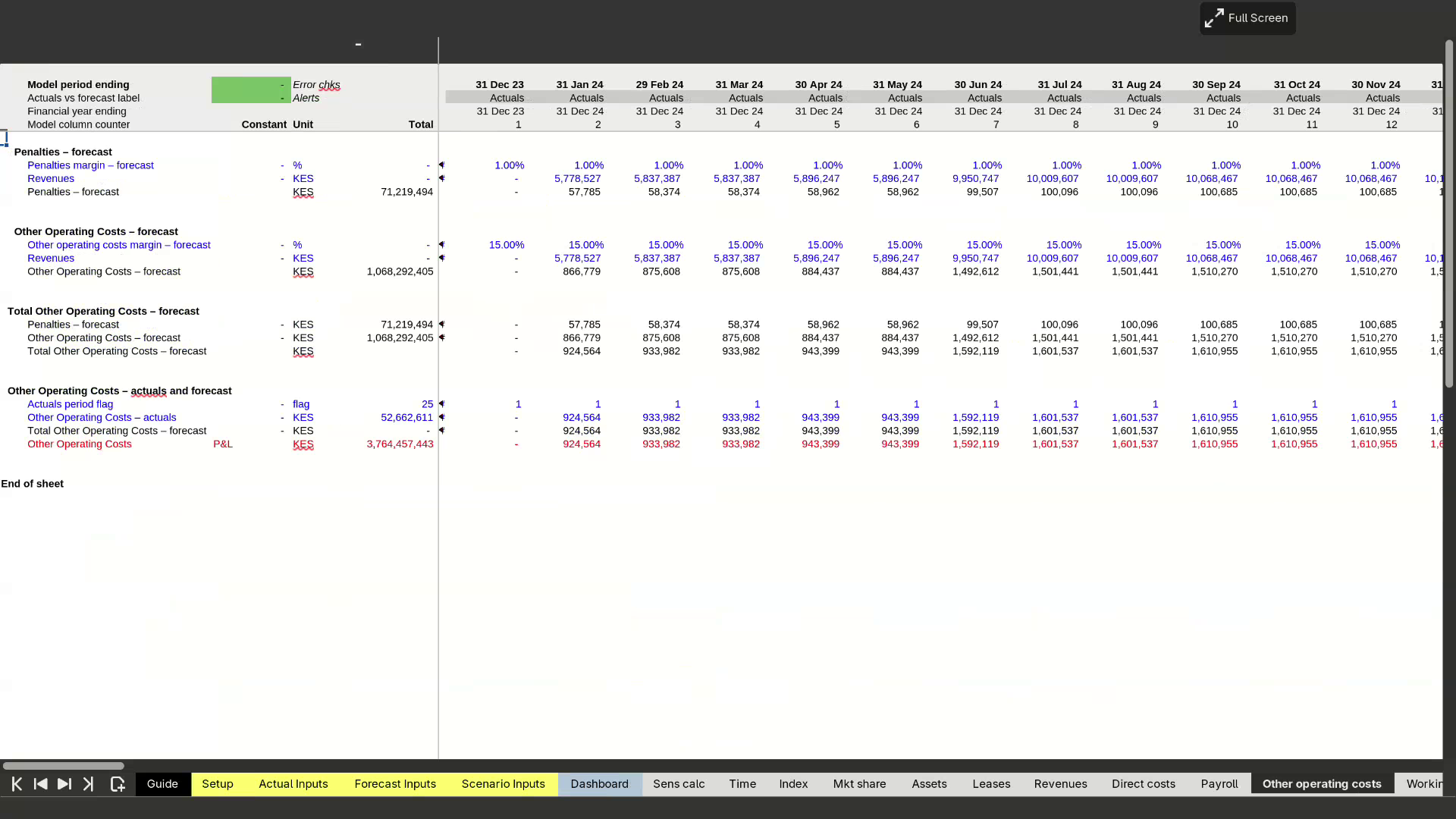
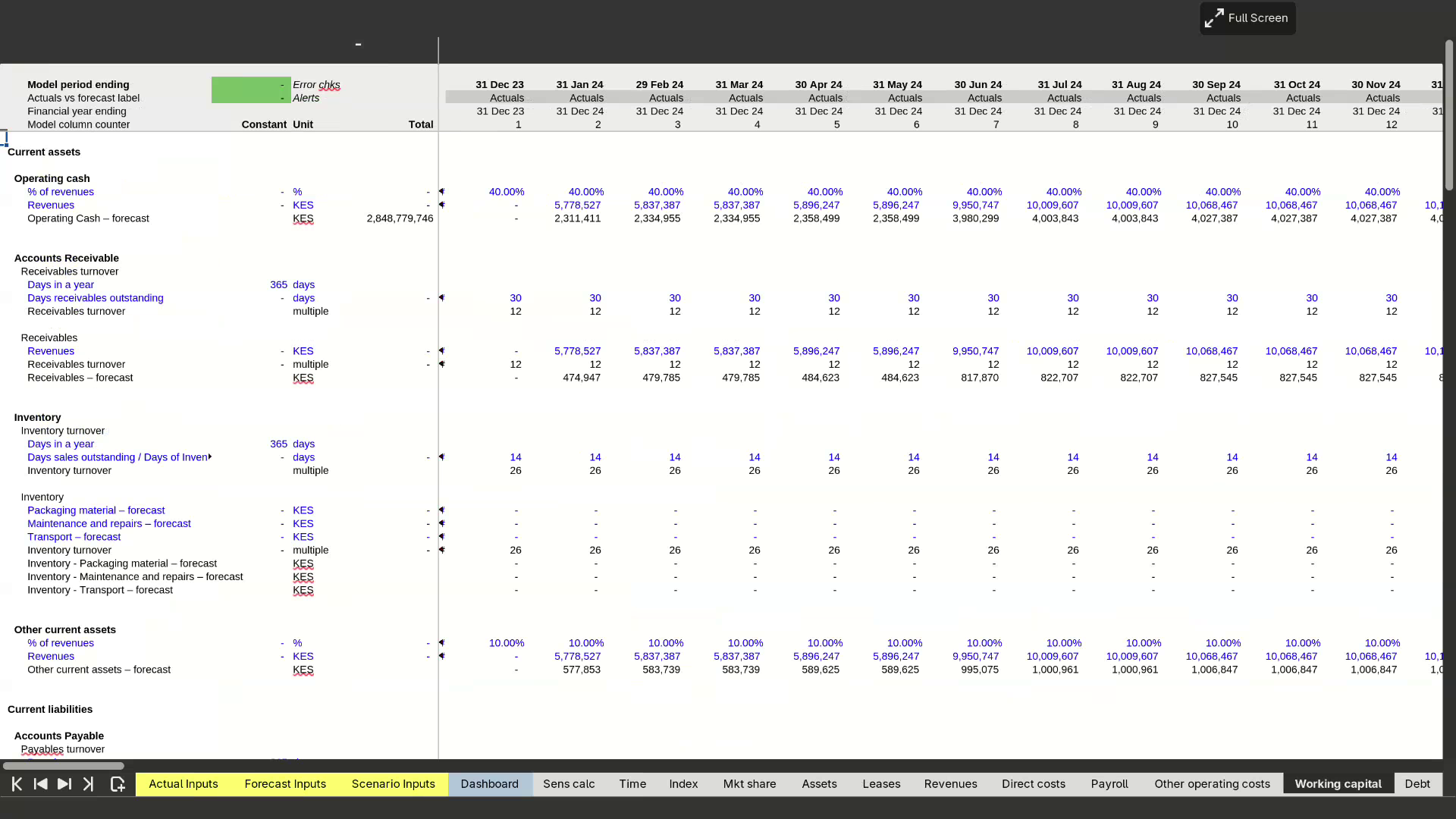
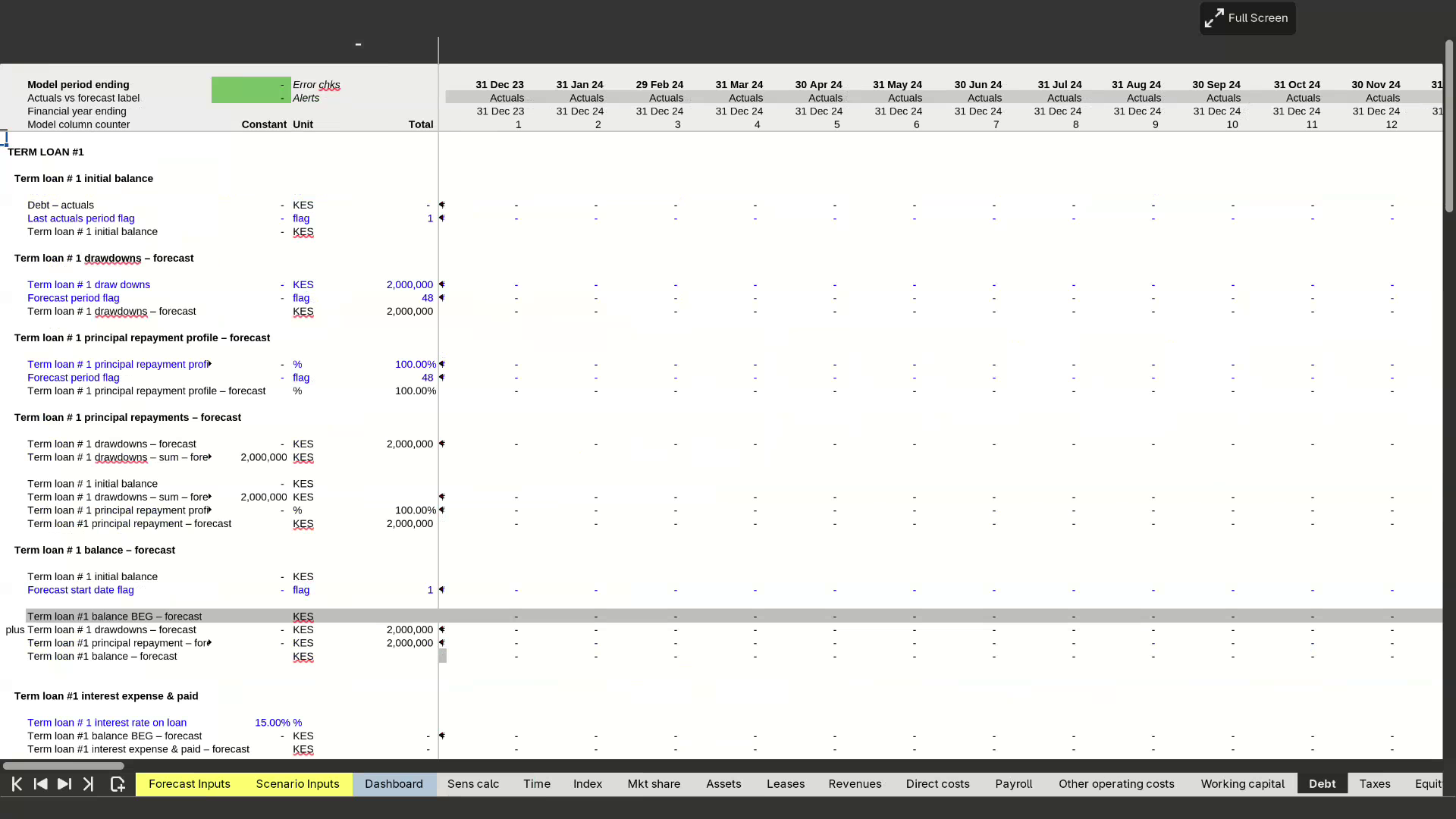
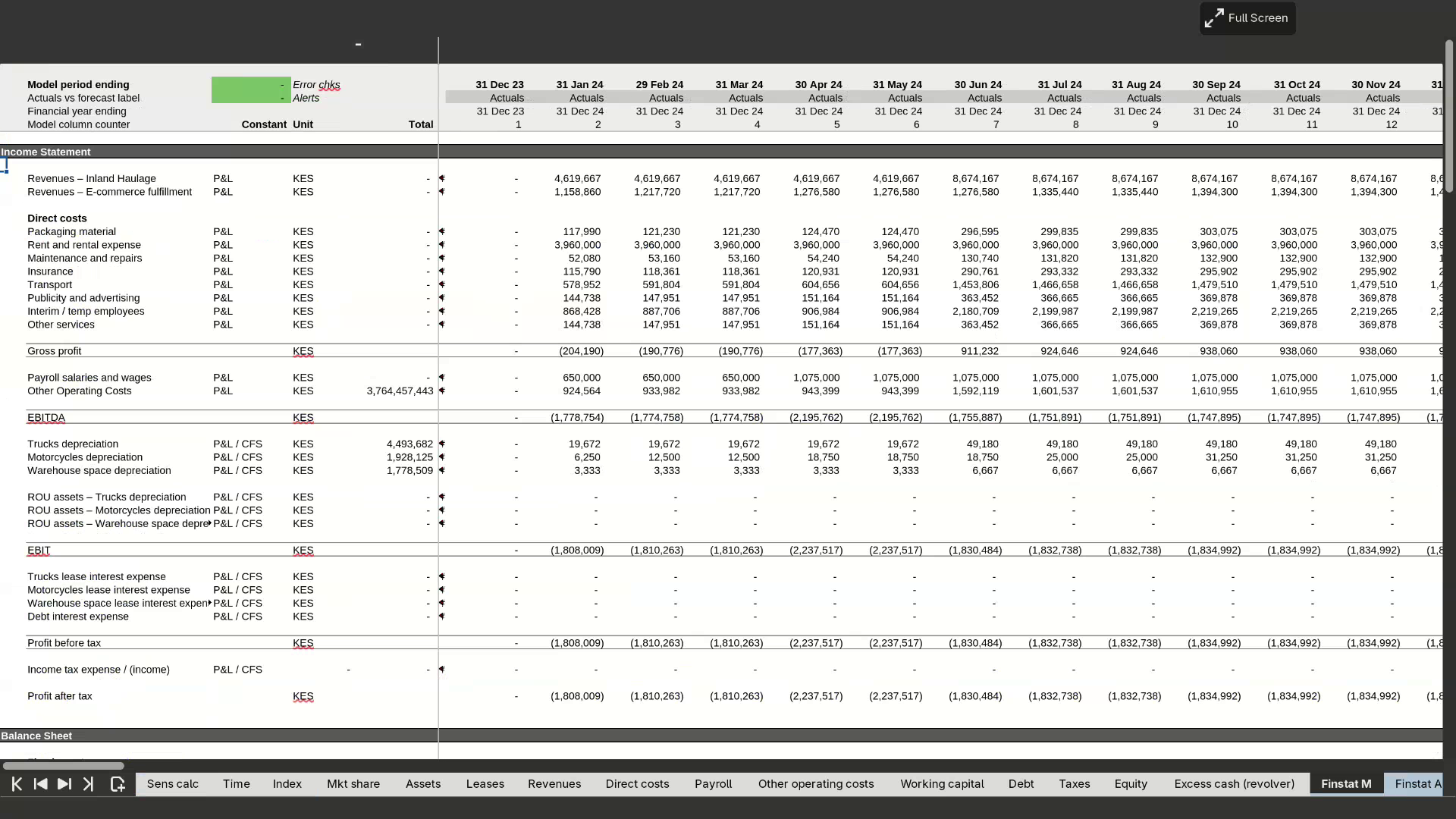
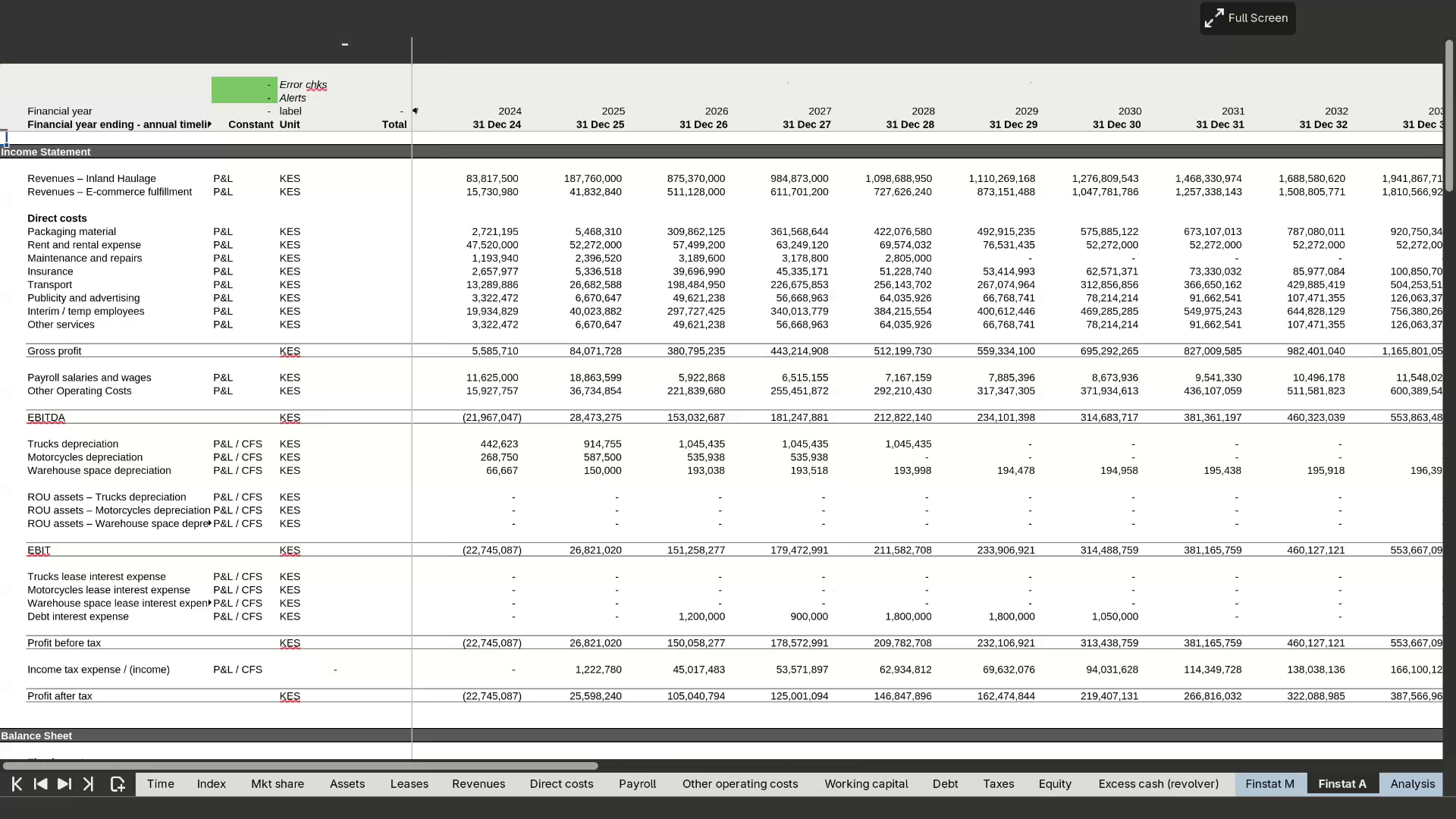
The rest of the model tabs have the calculation tabs, and the outputs tabs (monthly as well as annual financial statements).

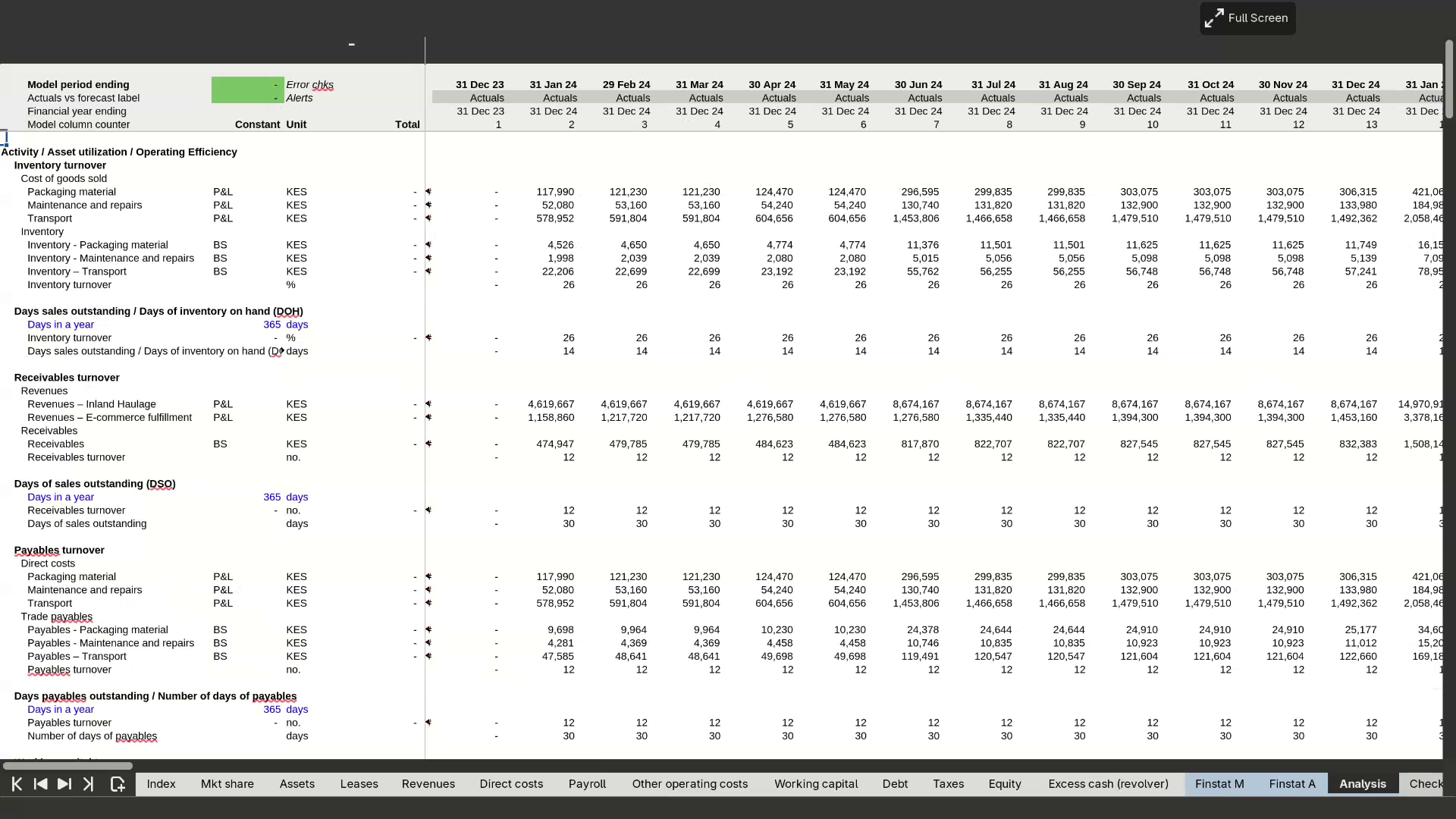
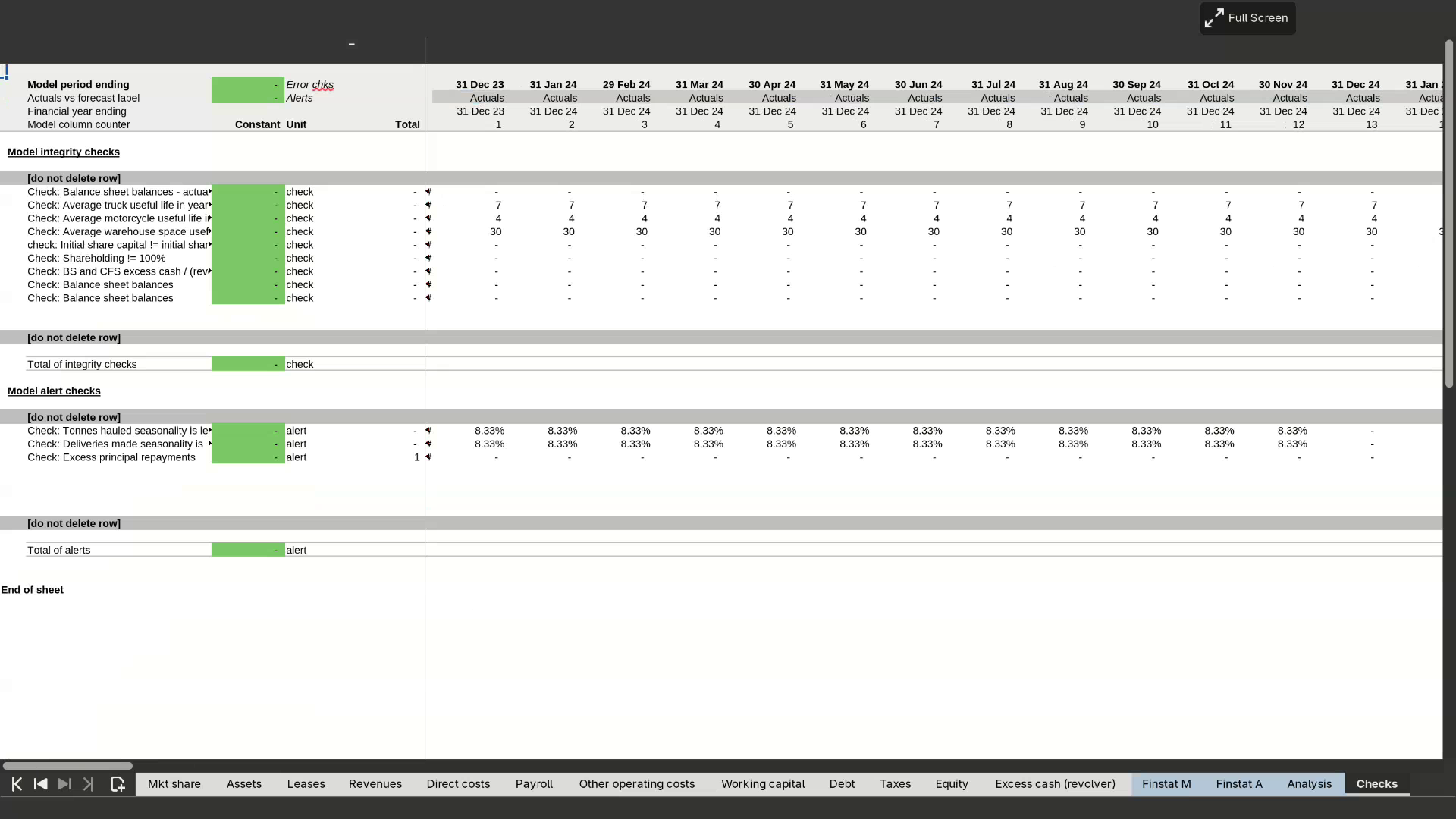
An analysis tab is included, as well as a model error checks tab.

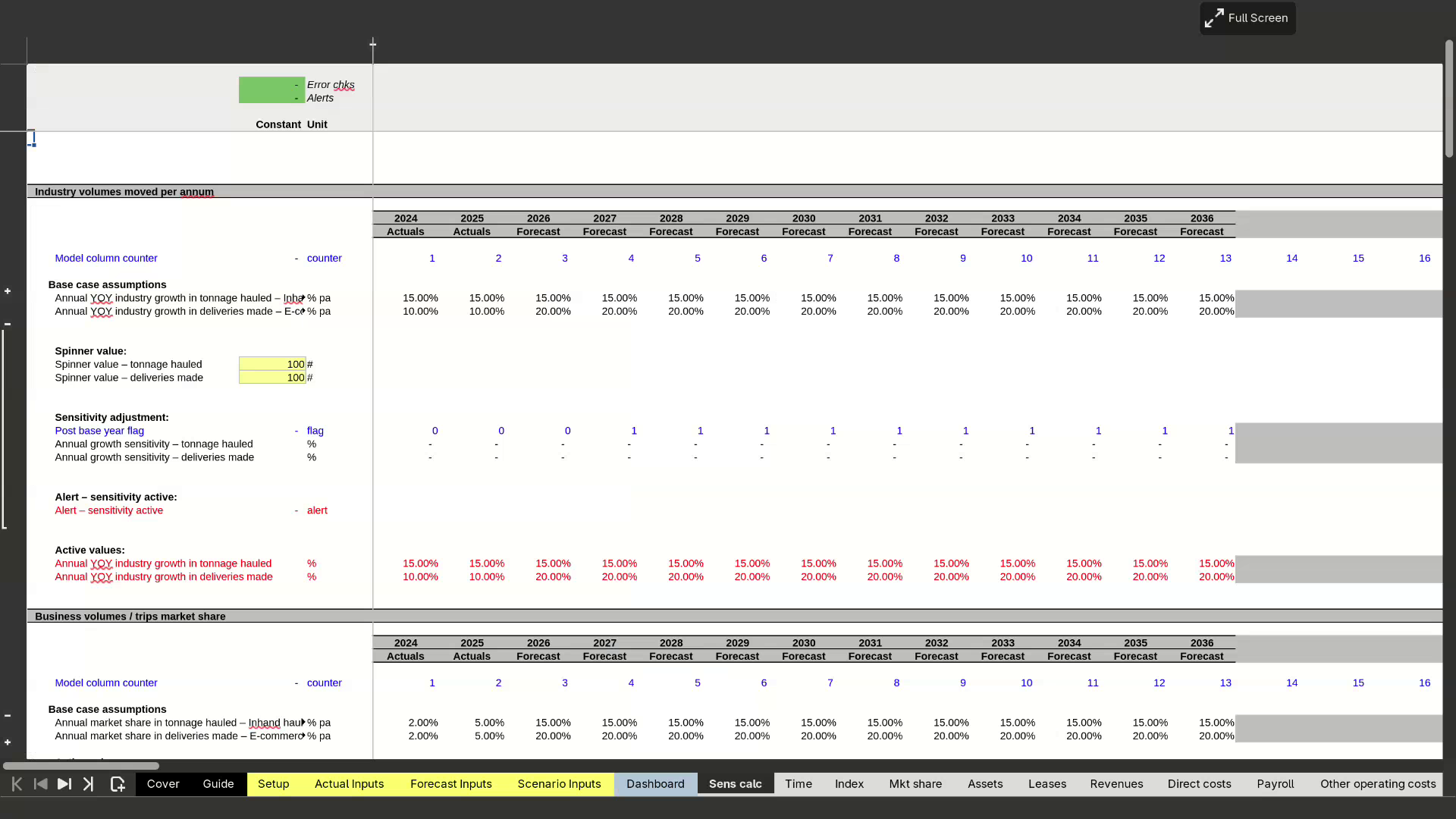
Scenario analysis as well as sensitivity analysis is included.

The model is built to as much as possible, the FAST standards.

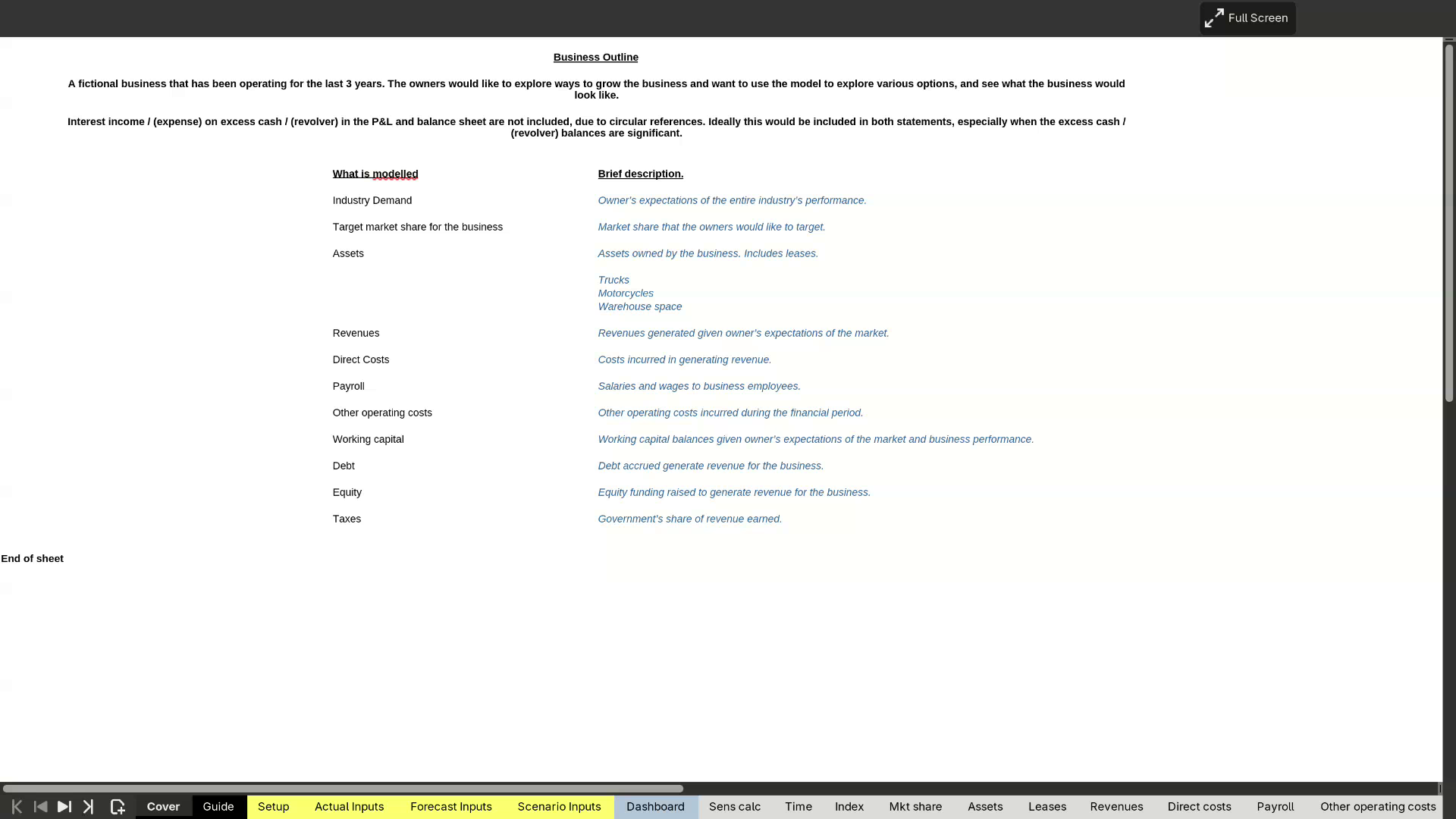
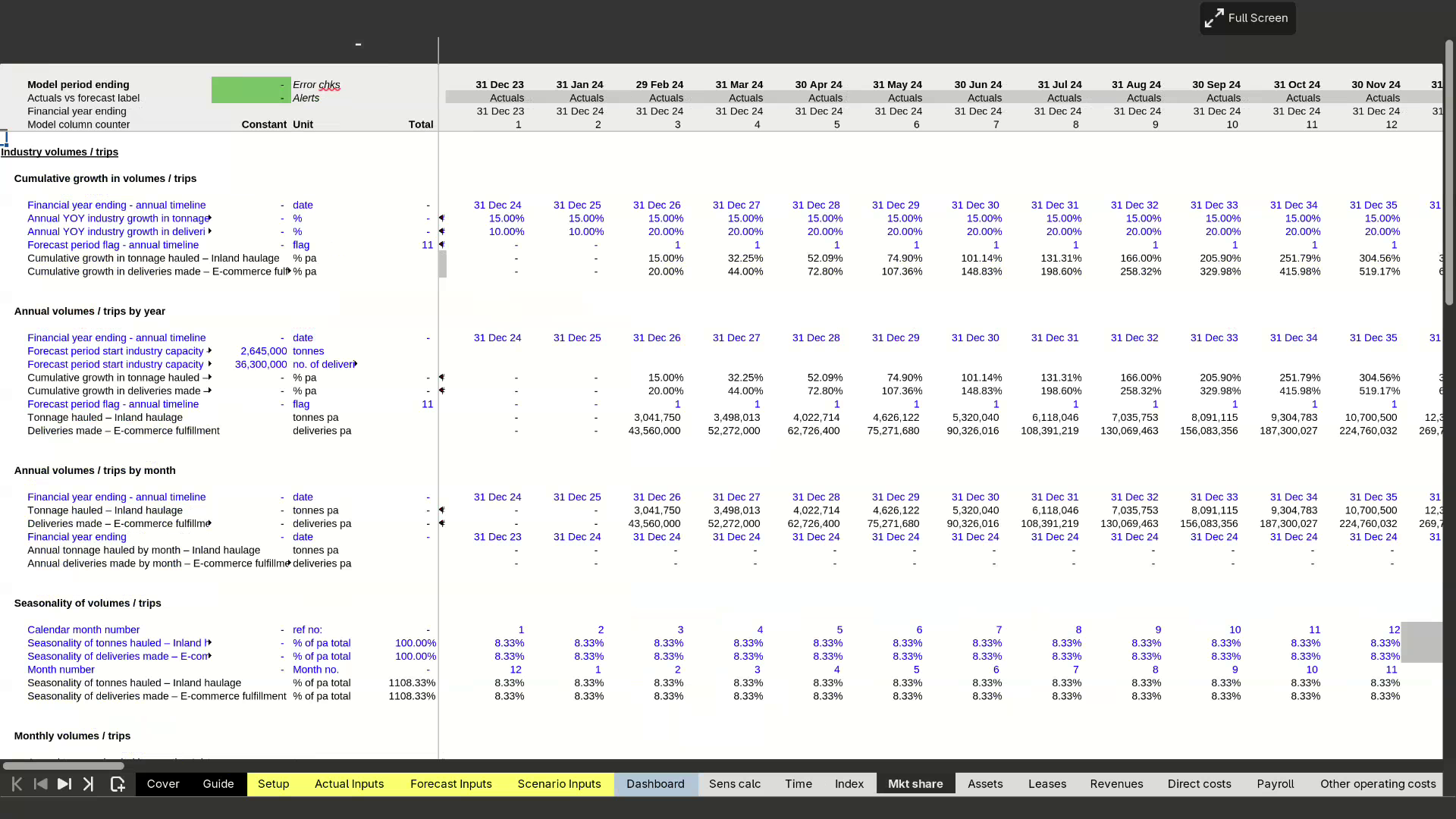
The model starts first by forecasting the entire industry output, in units, followed by the business market share, based on the business owner's market share targets.

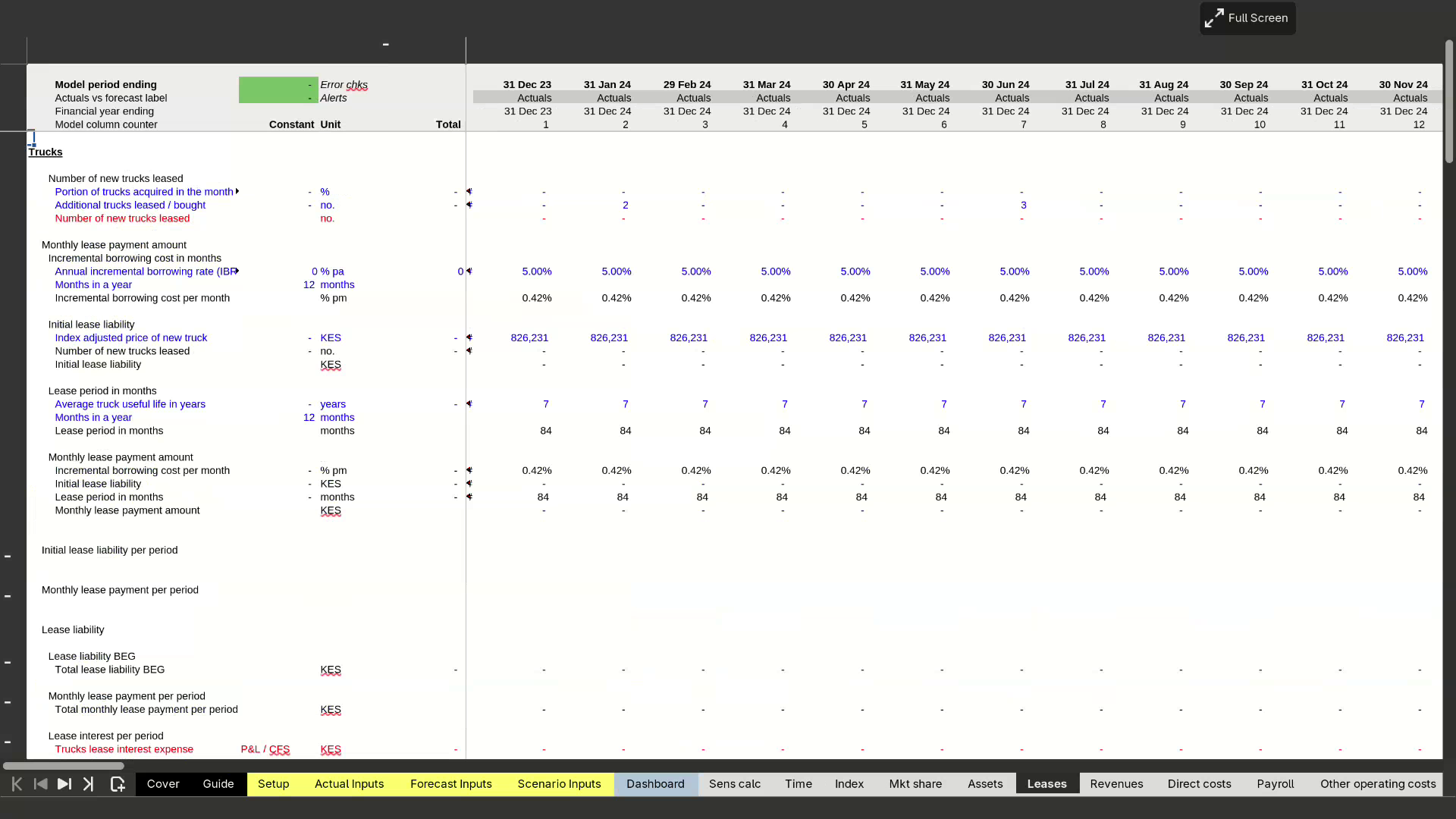
From the business market share (in units), the owner can estimate the assets required to meet this market share, and has a choice between acquiring these assets (outright purchase or lease), or altogether forego asset acquisition in favor of acting as a middle-person between the asset owners and the end customers, while seeing the effect these choices will have on the business.

This Best Practice includes
1 excel file.

Paul Waweru offers you this Best Practice for free!

download for free

Add to bookmarks

Discuss

Further information

This model serves to illustrate the use of a financial model in decision making by business owners. This particular model is for a hypothetical business in the logistics industry. It enables the business owner to see the effects on the business of his decisions to purchase or lease assets, or serve as a middle-man to asset owners and the end customers.

A business owner seeking to make strategic decisions, and assess the impact of his/her decisions on the business, as seen through the financial statements, and the metrics that arise from them.


0.0 / 5 (0 votes)

please wait...