

Publication number: ELQ-59529-1
View all versions & Certificate

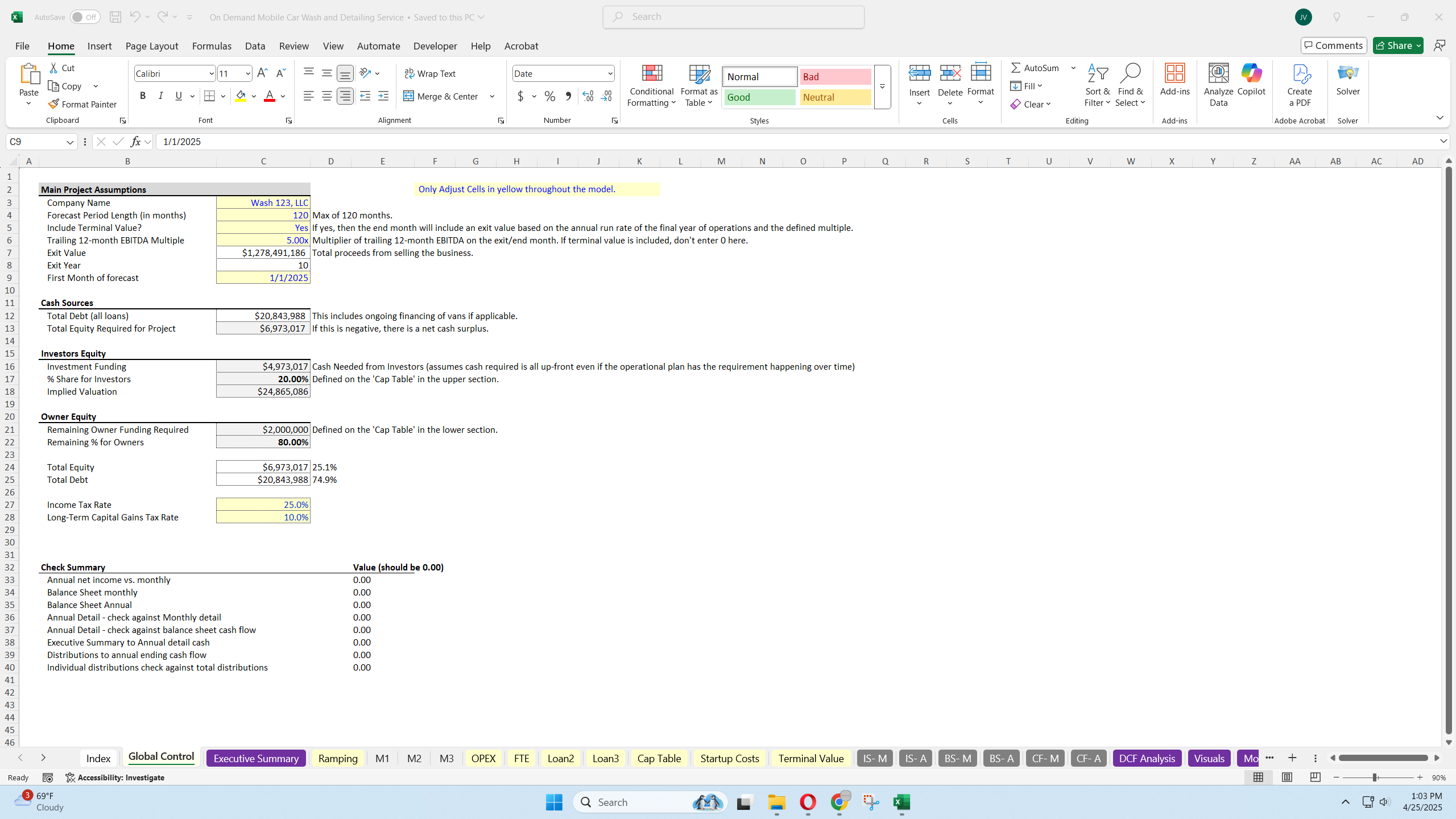
Services Business Scaling Model - Up to 3 Regions
A flexible financial model for startup service businesses that want to scale their operations in up to 3 regions. Includes a connected three statement model.
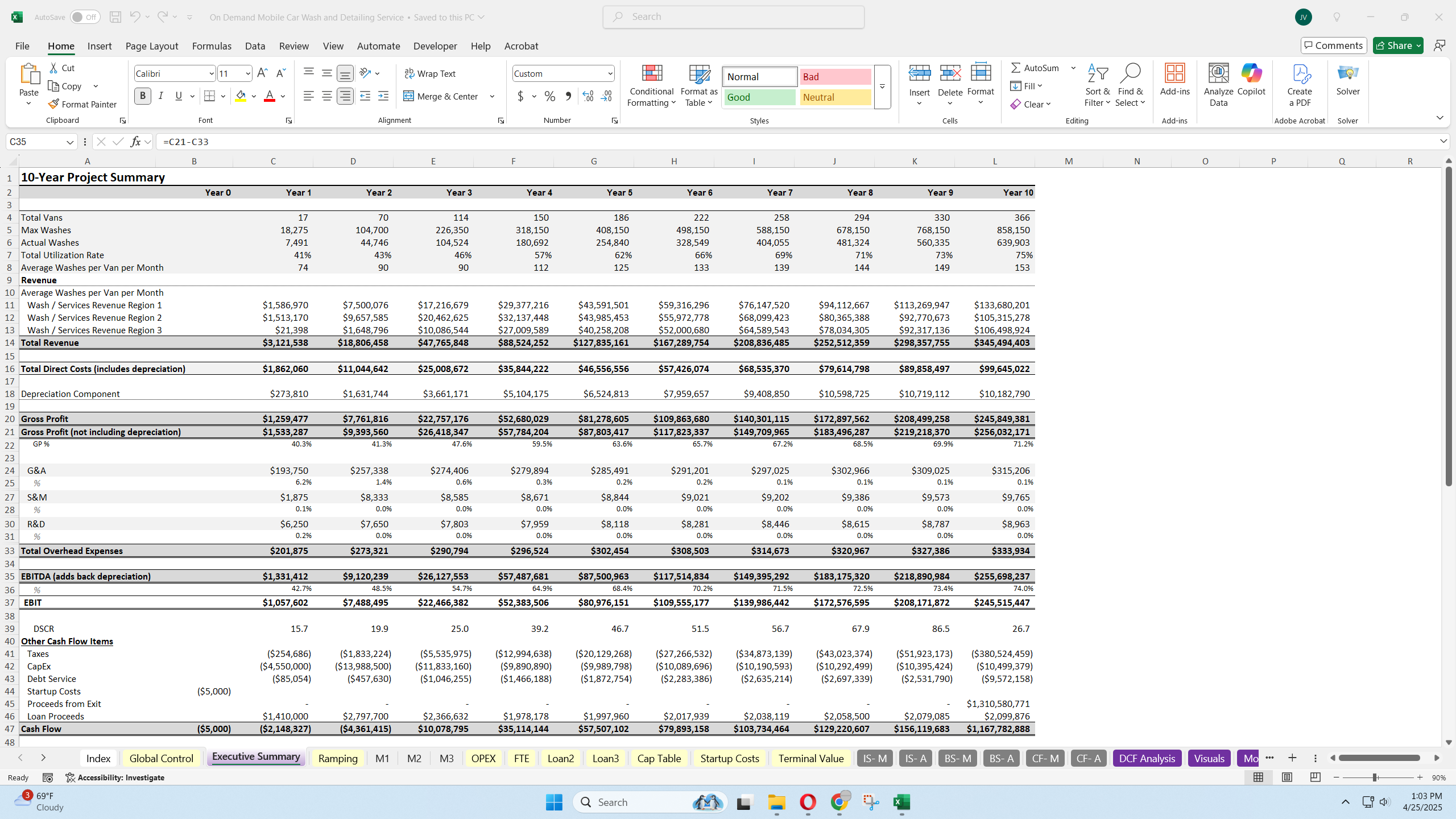
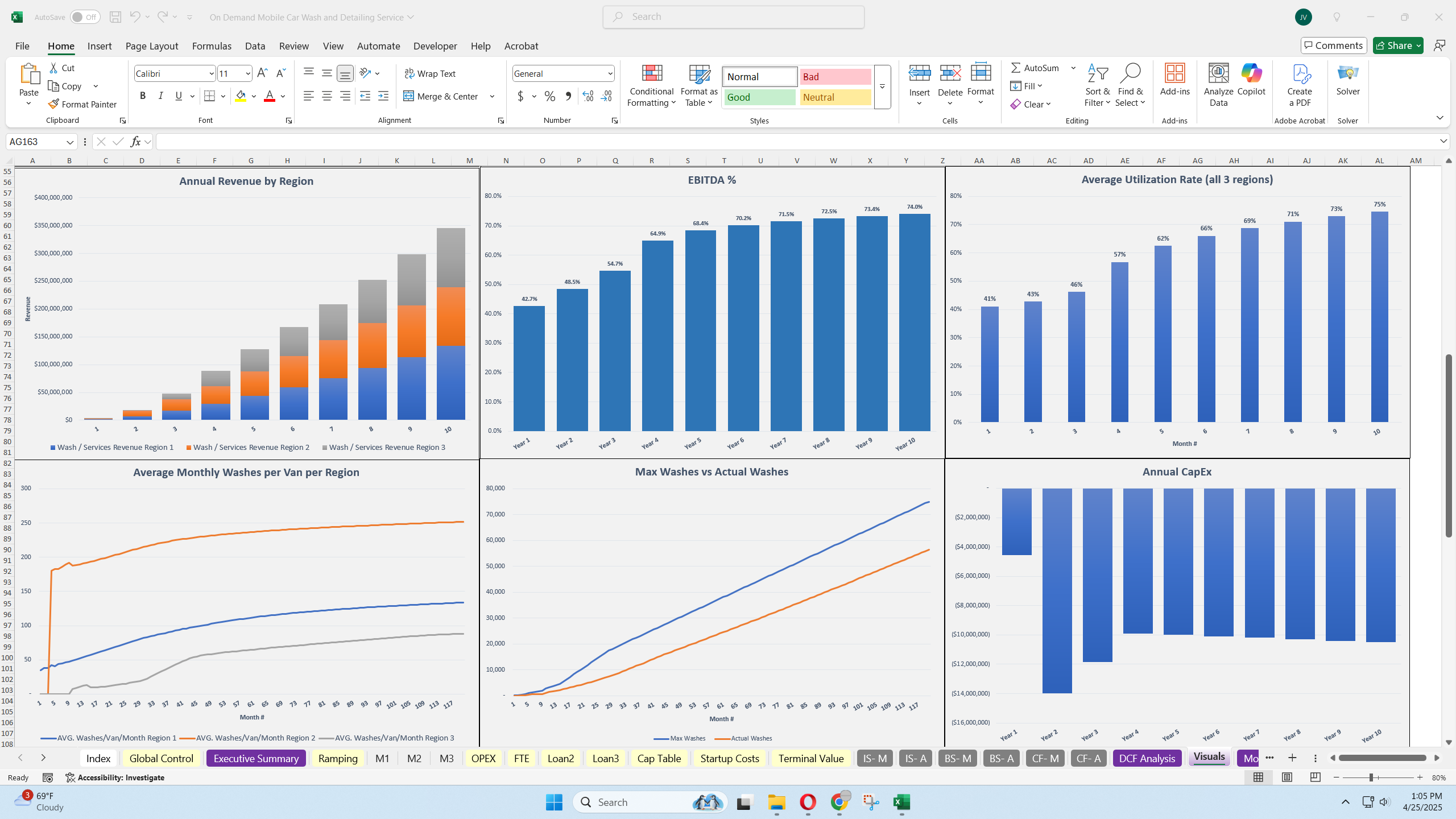
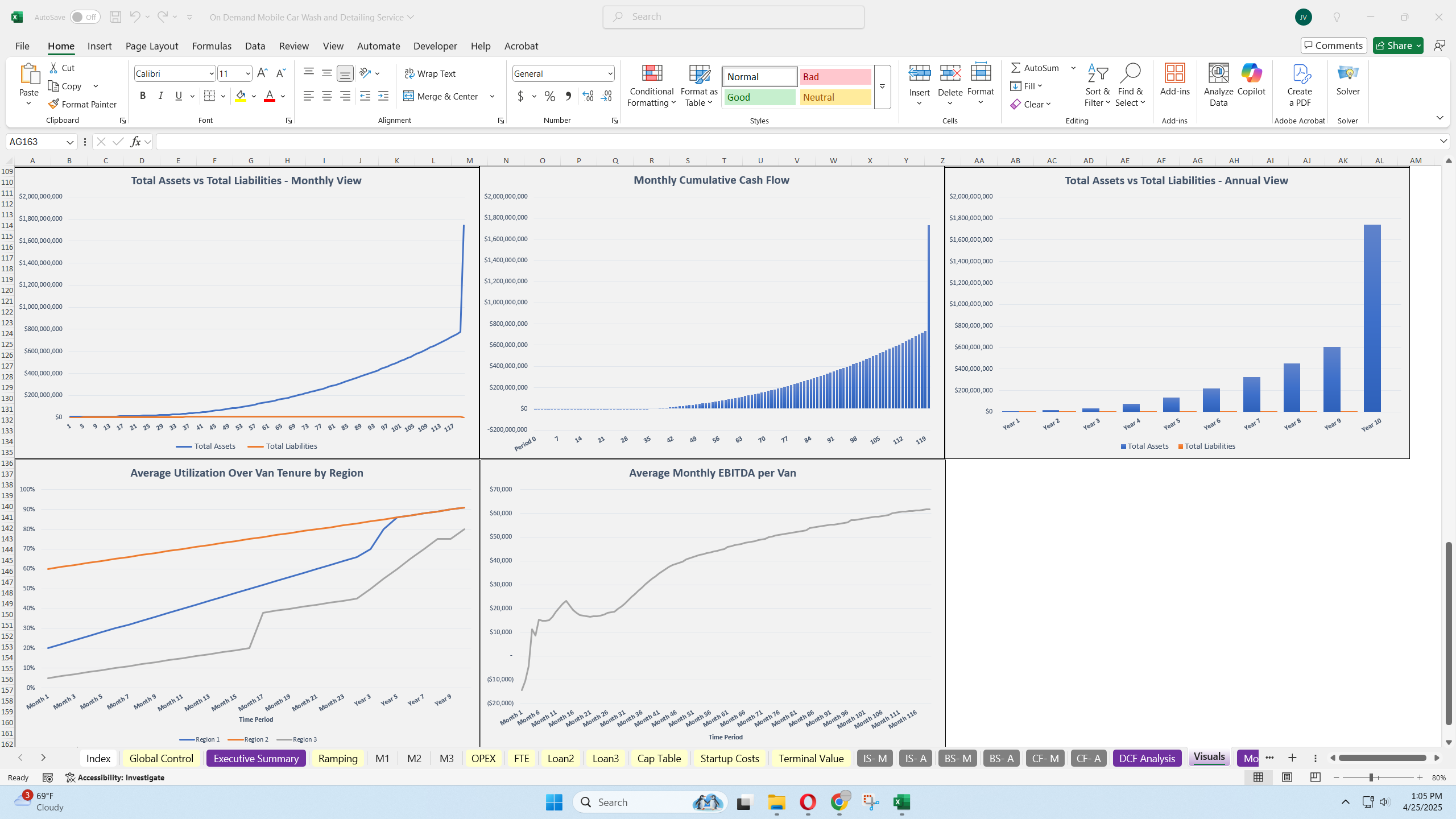
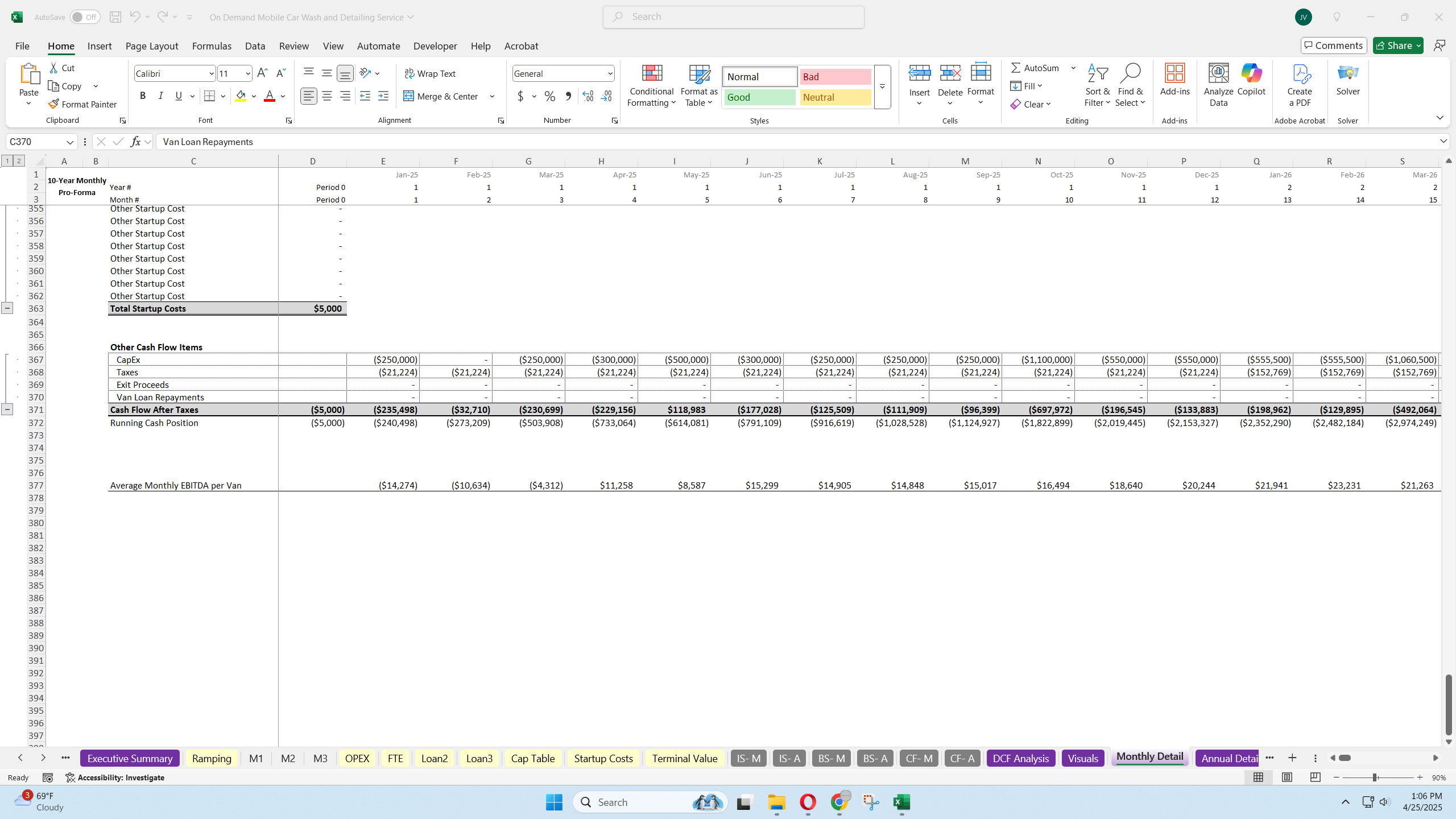
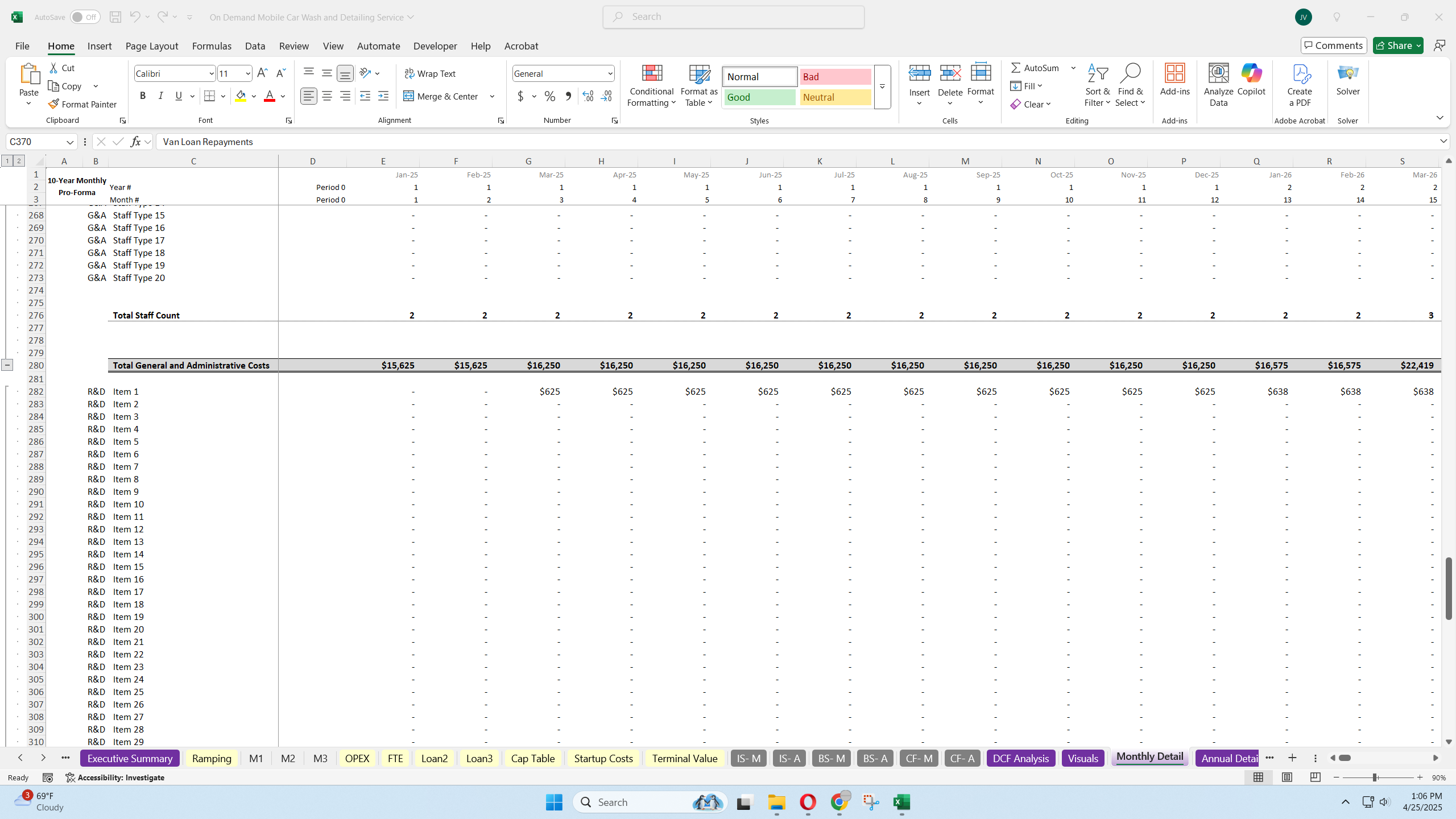
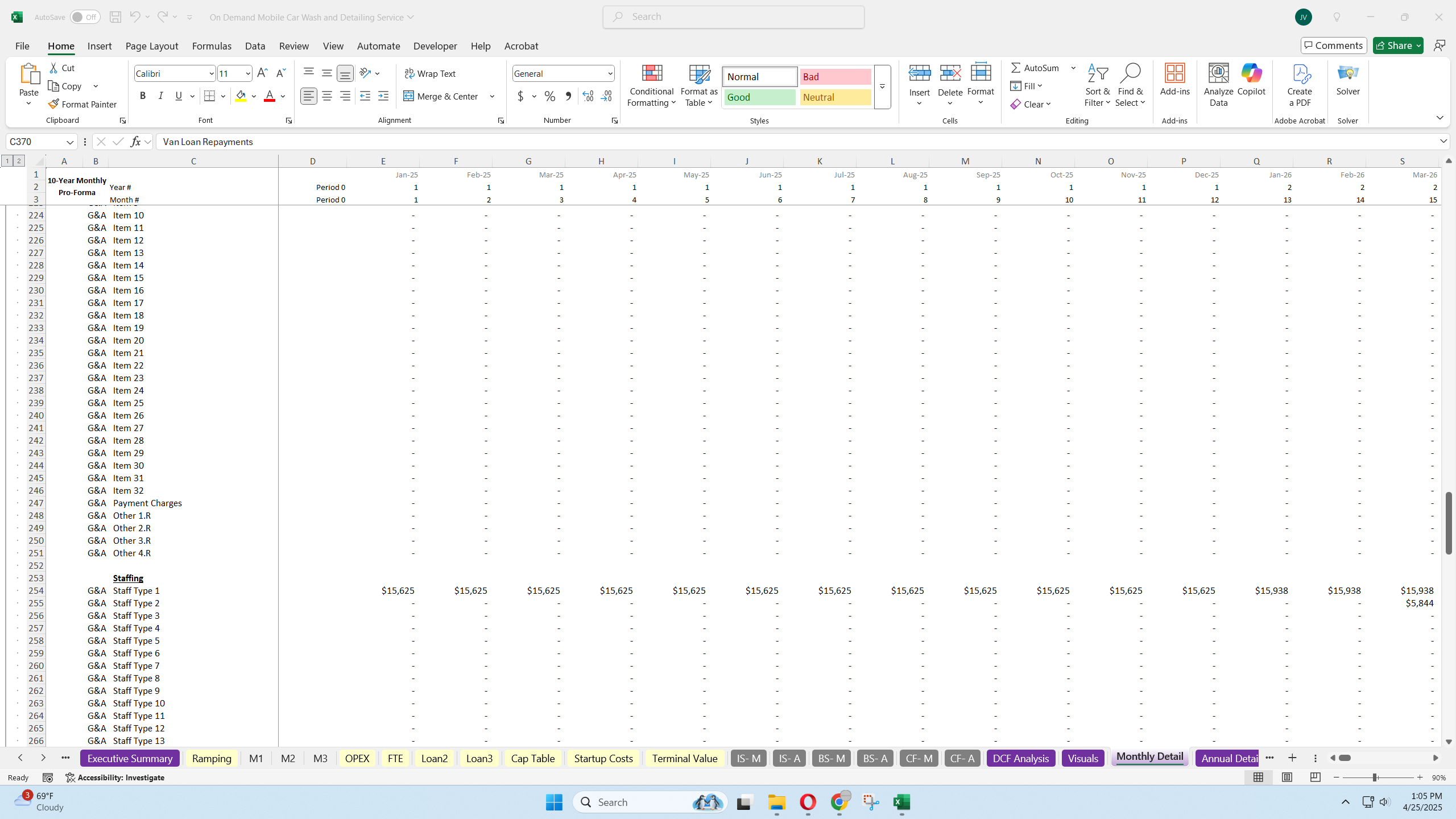
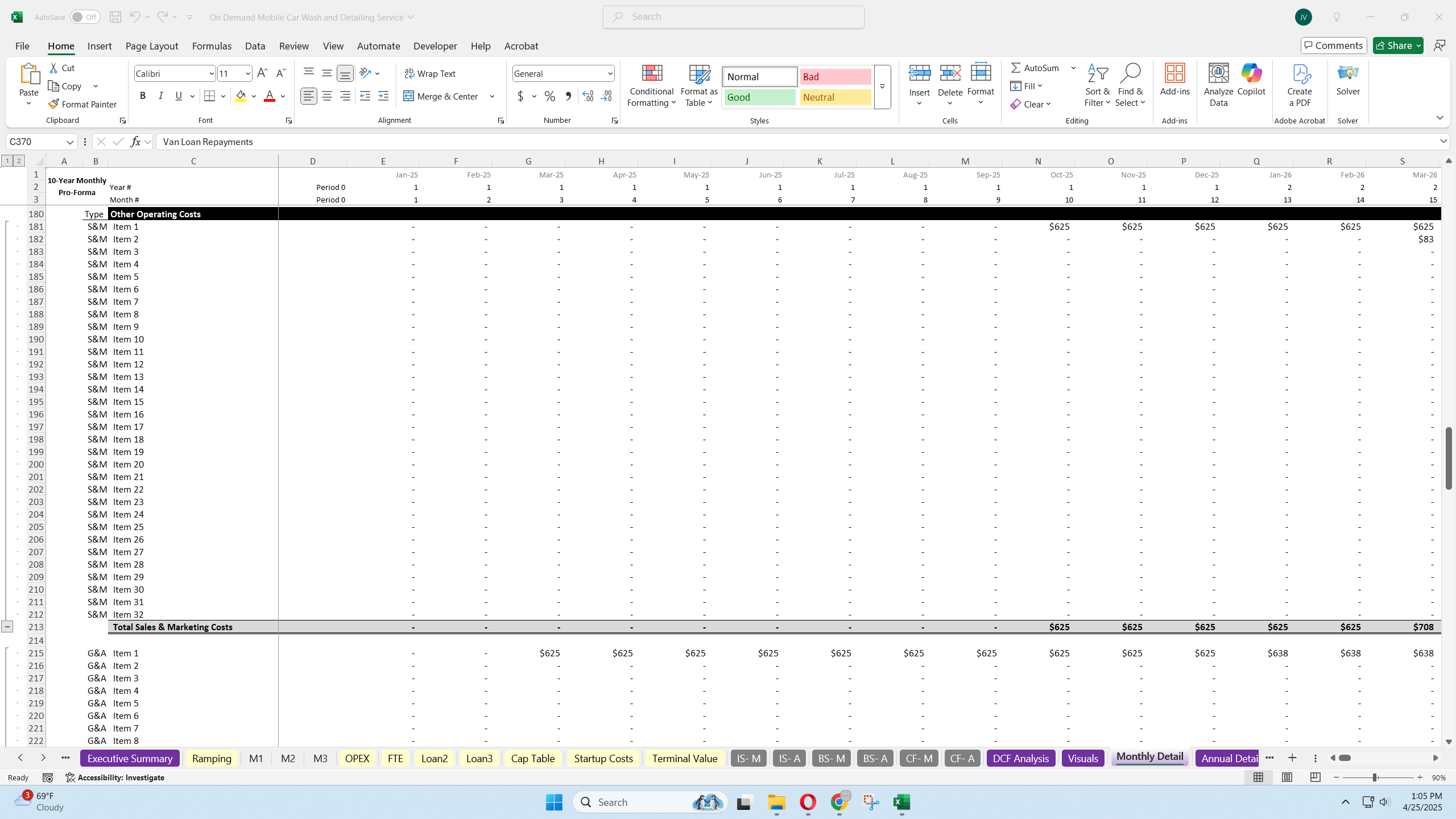
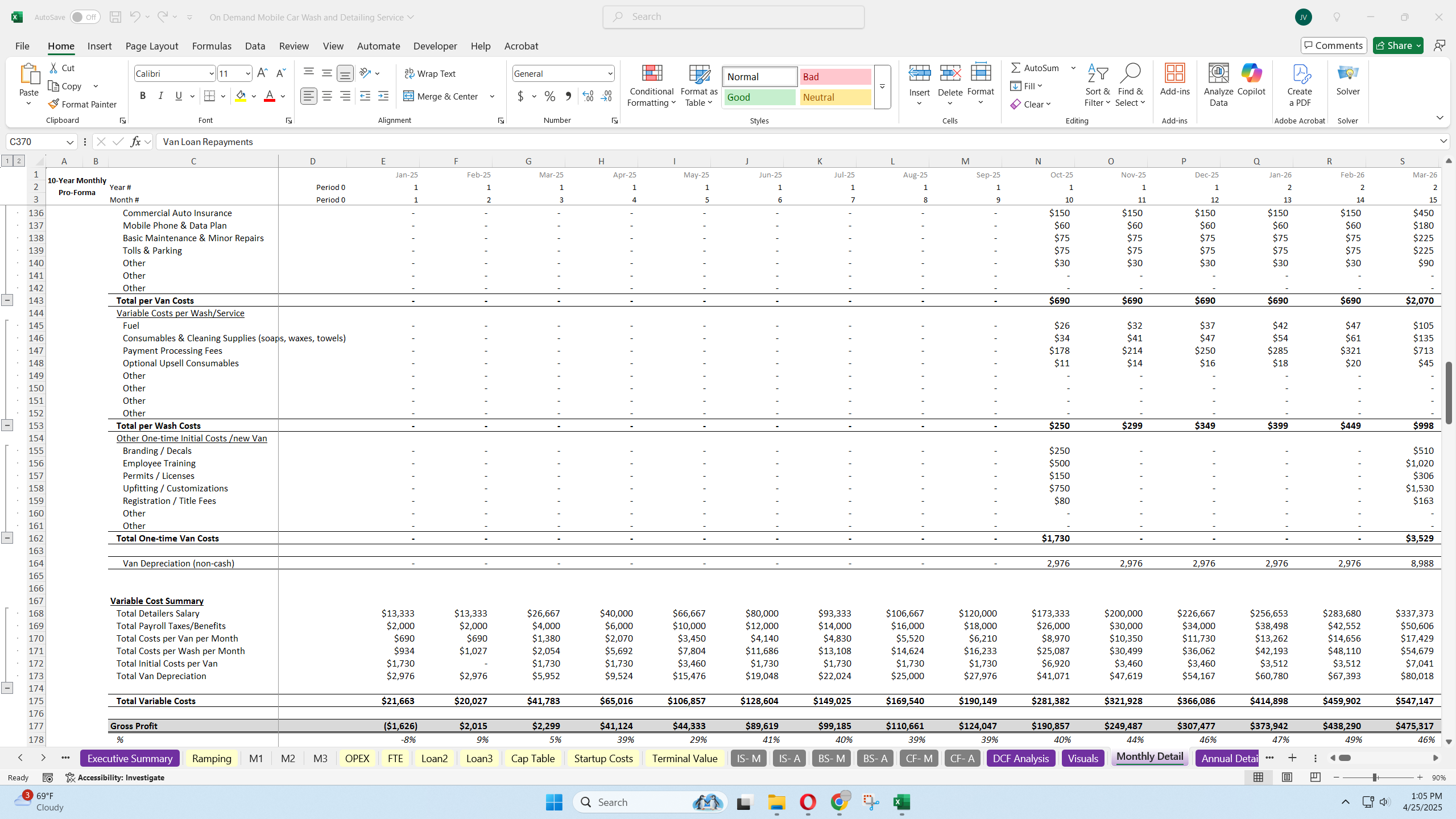
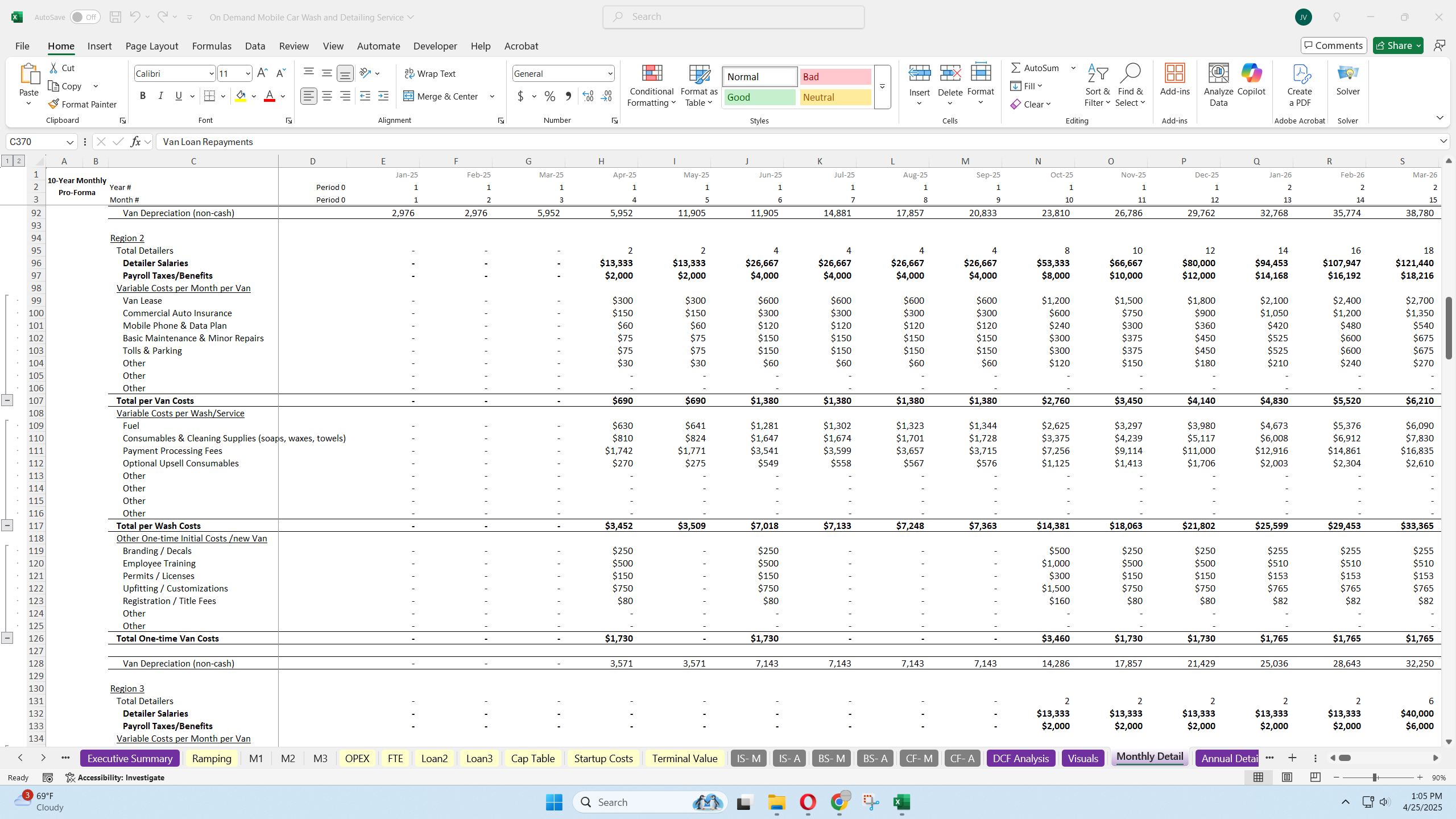
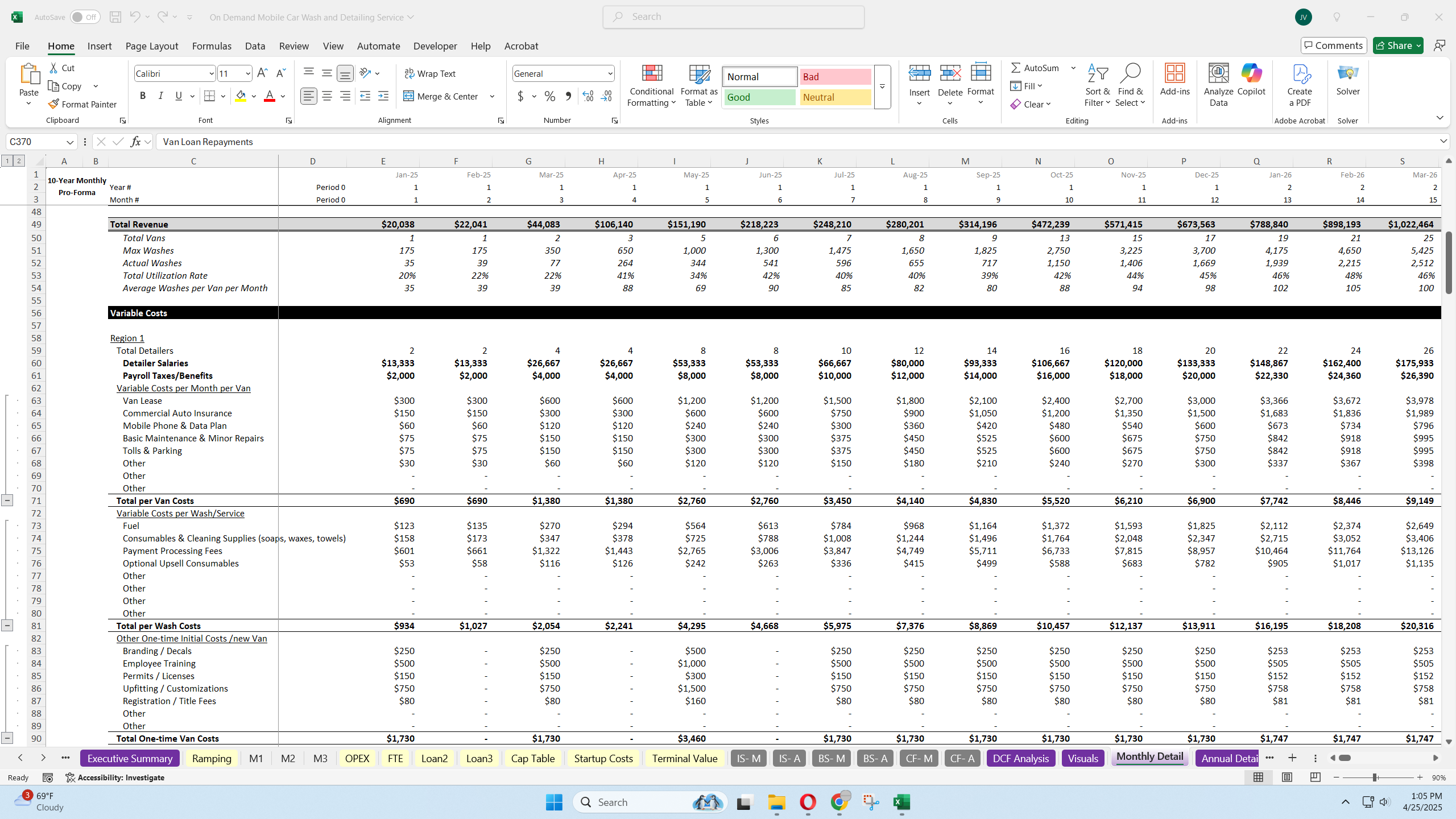
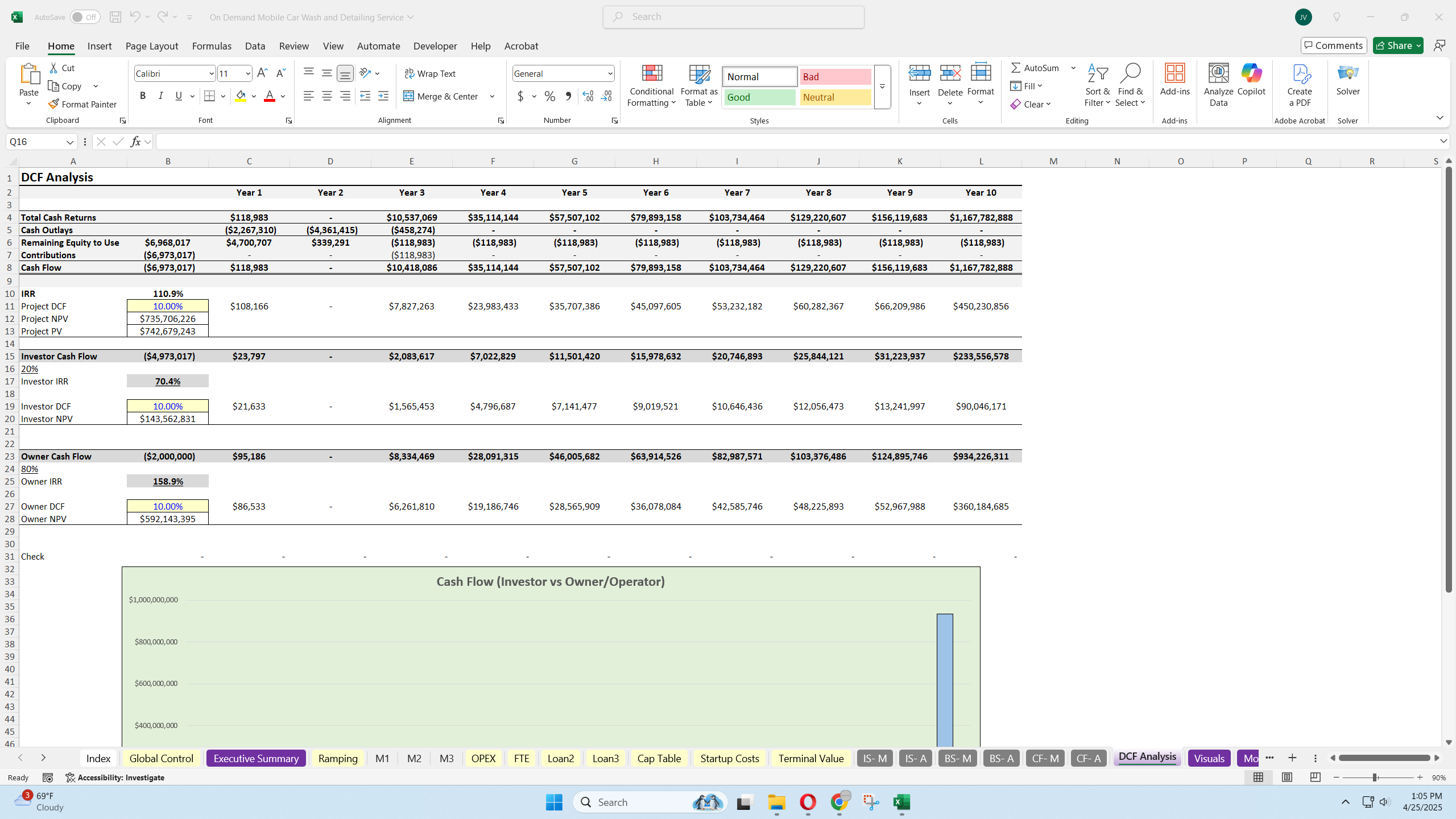
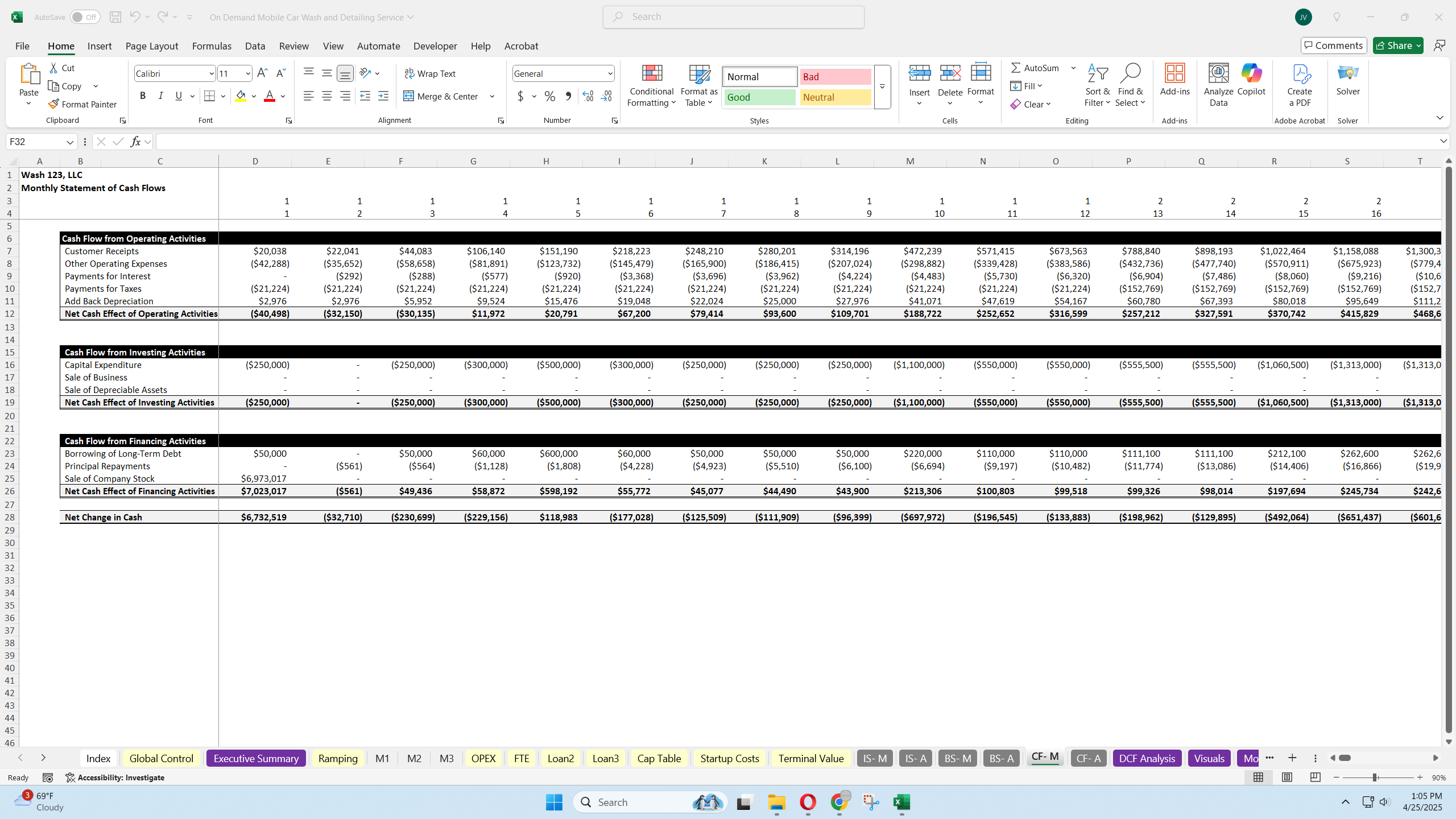
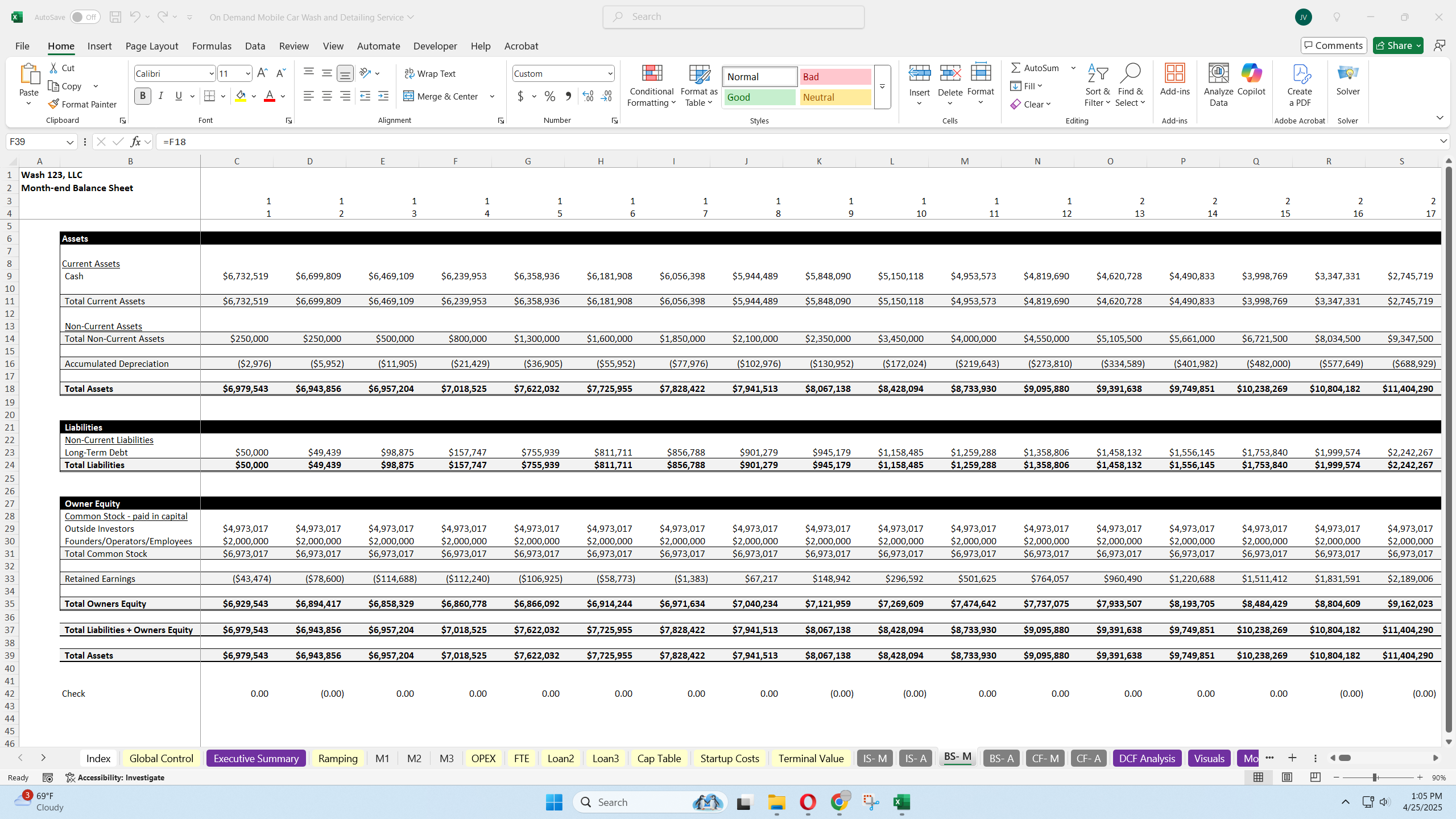
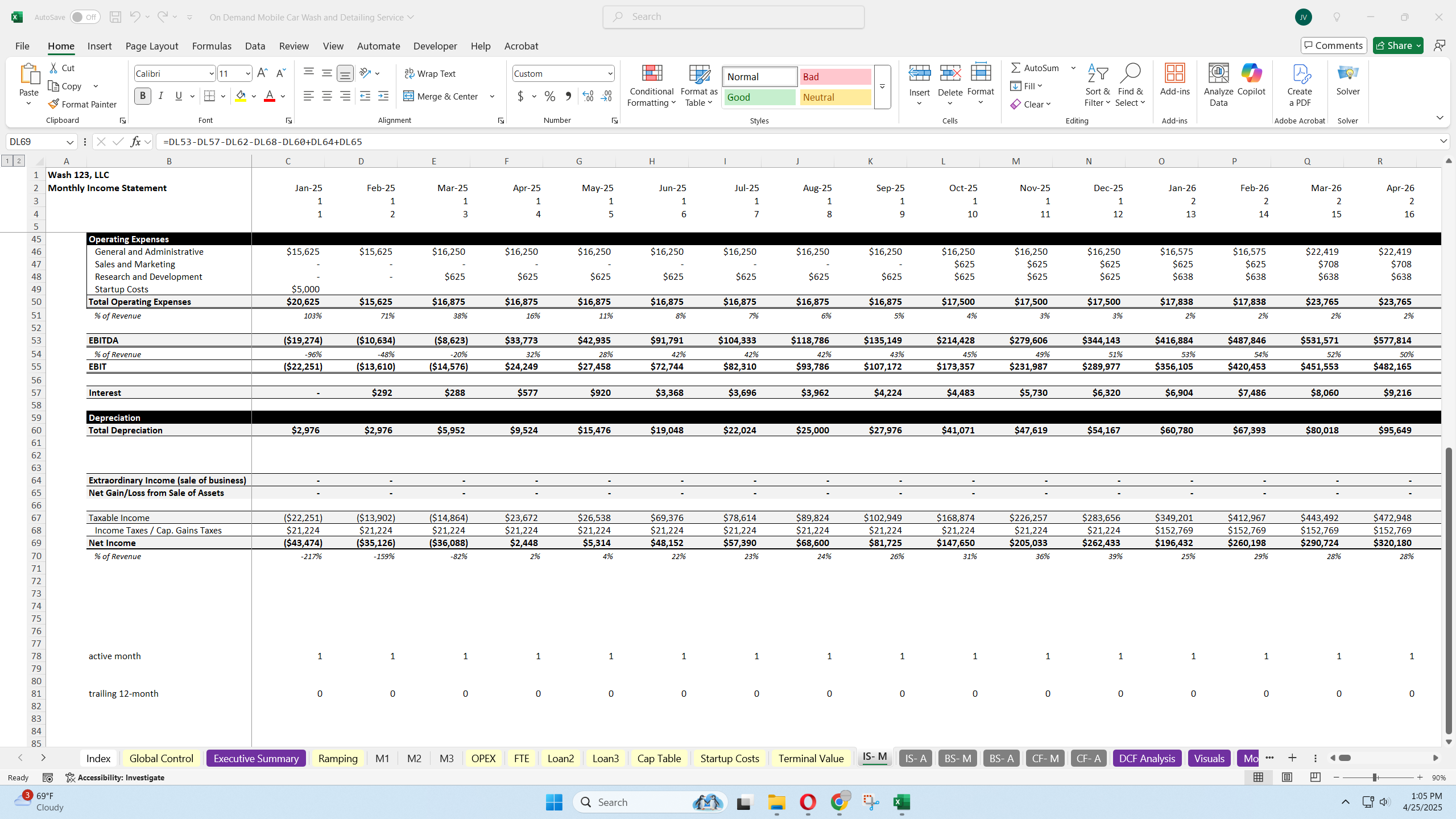
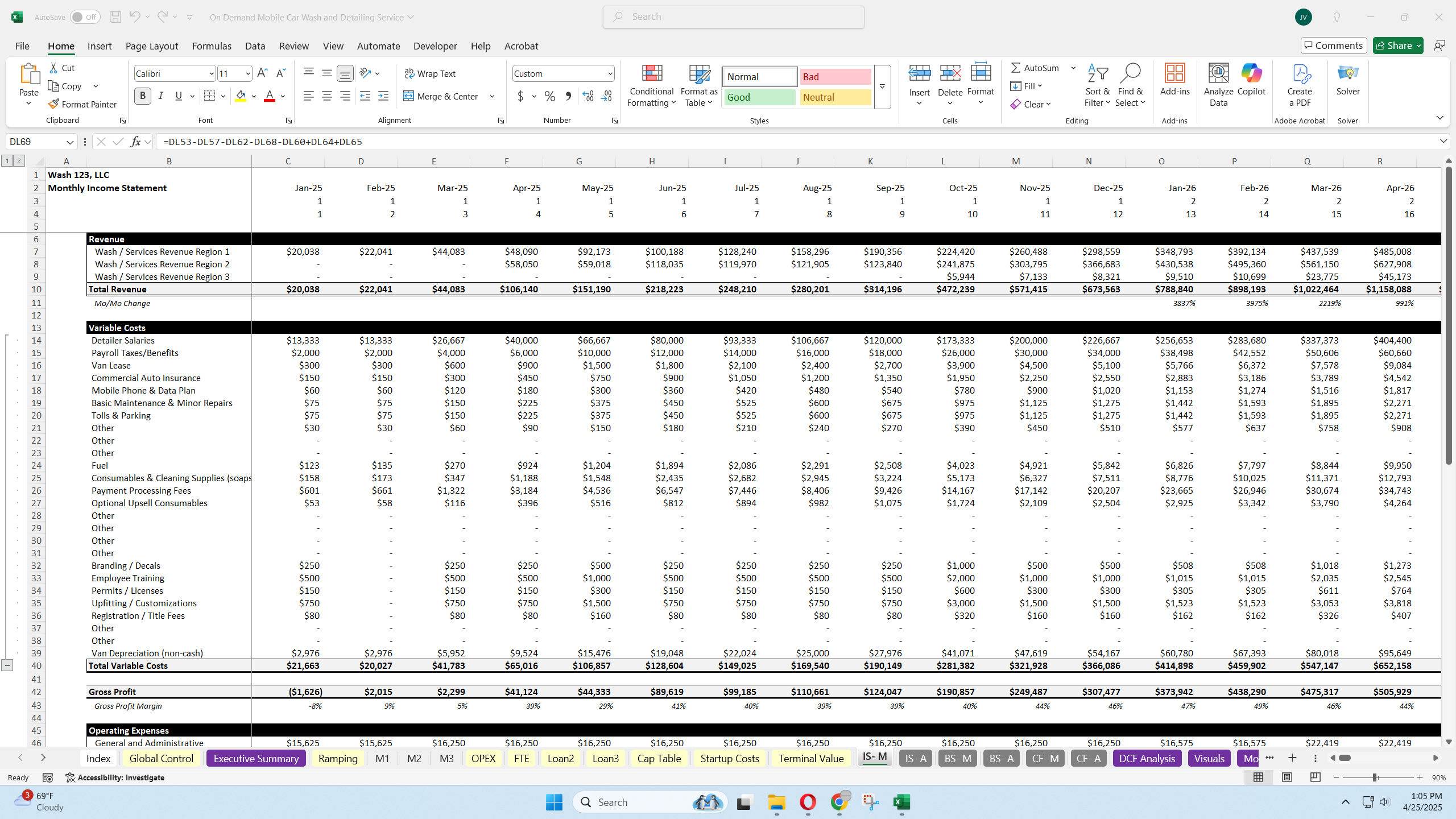
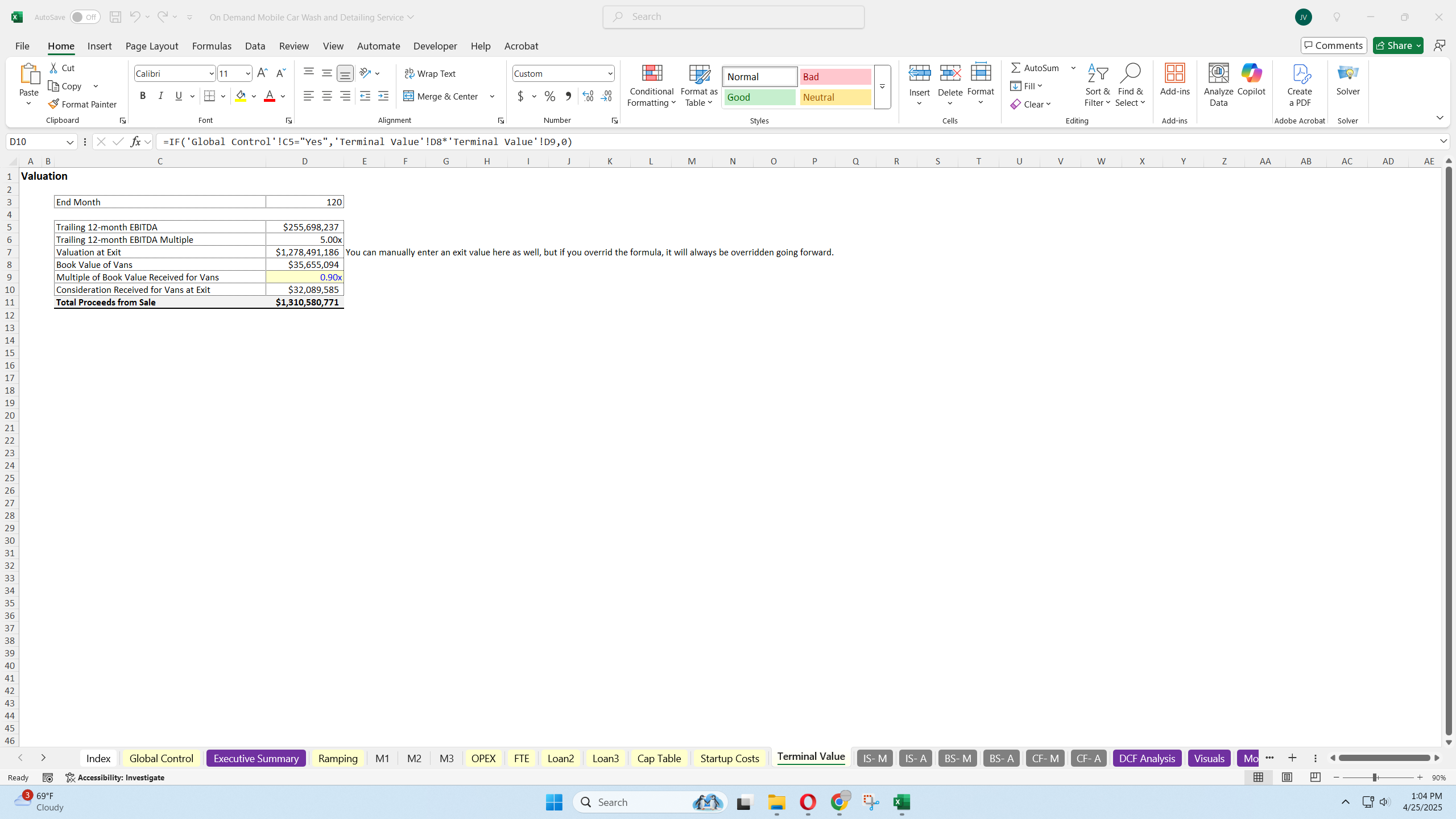
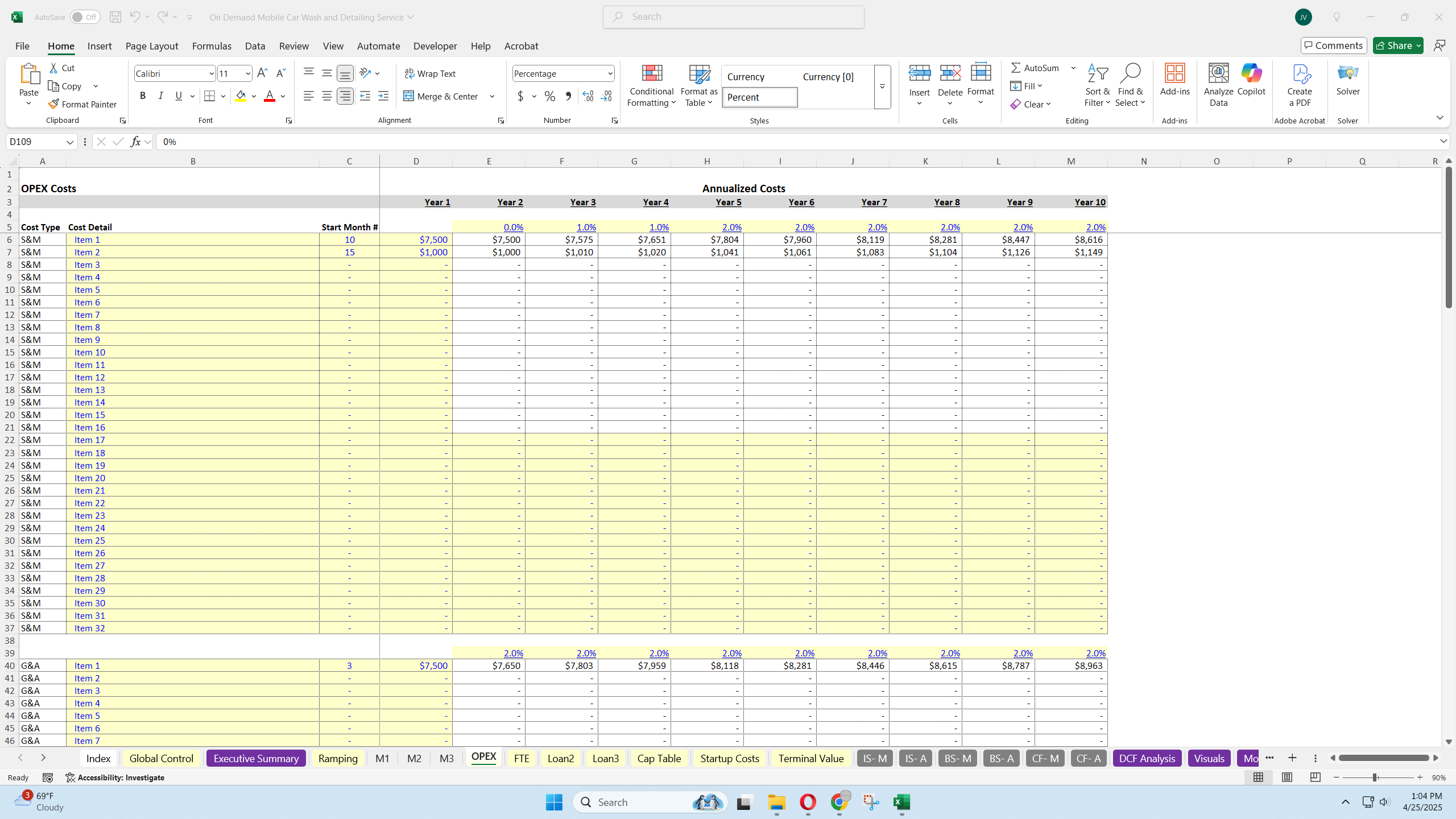
Concept Behind the Model At its heart, the model focuses on the idea of bringing specialized car-cleaning services directly to the customer’s location. By avoiding the overhead of a fixed shop and centralizing operations through vans, the business leverages lower upfront costs and flexible deployment. Each van is equipped with eco-friendly supplies, water or waterless cleaning technologies, and a compact set of tools that enable everything from a basic exterior wash to a full detailing package. The financial model translates these operational choices—such as mobile staff allocation and on-site service—into clear, quantifiable data across income, cash flow, and balance sheet statements.
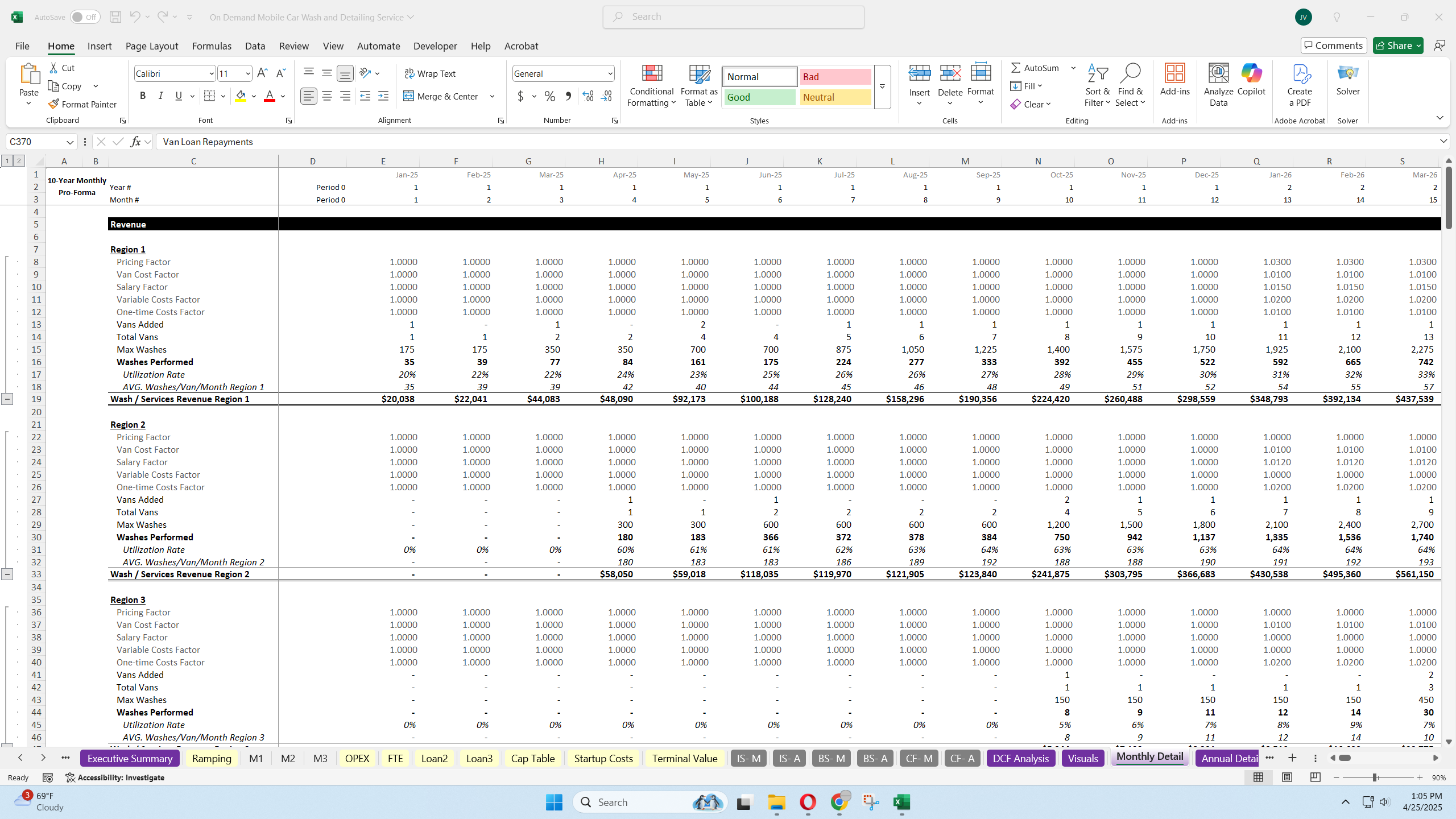
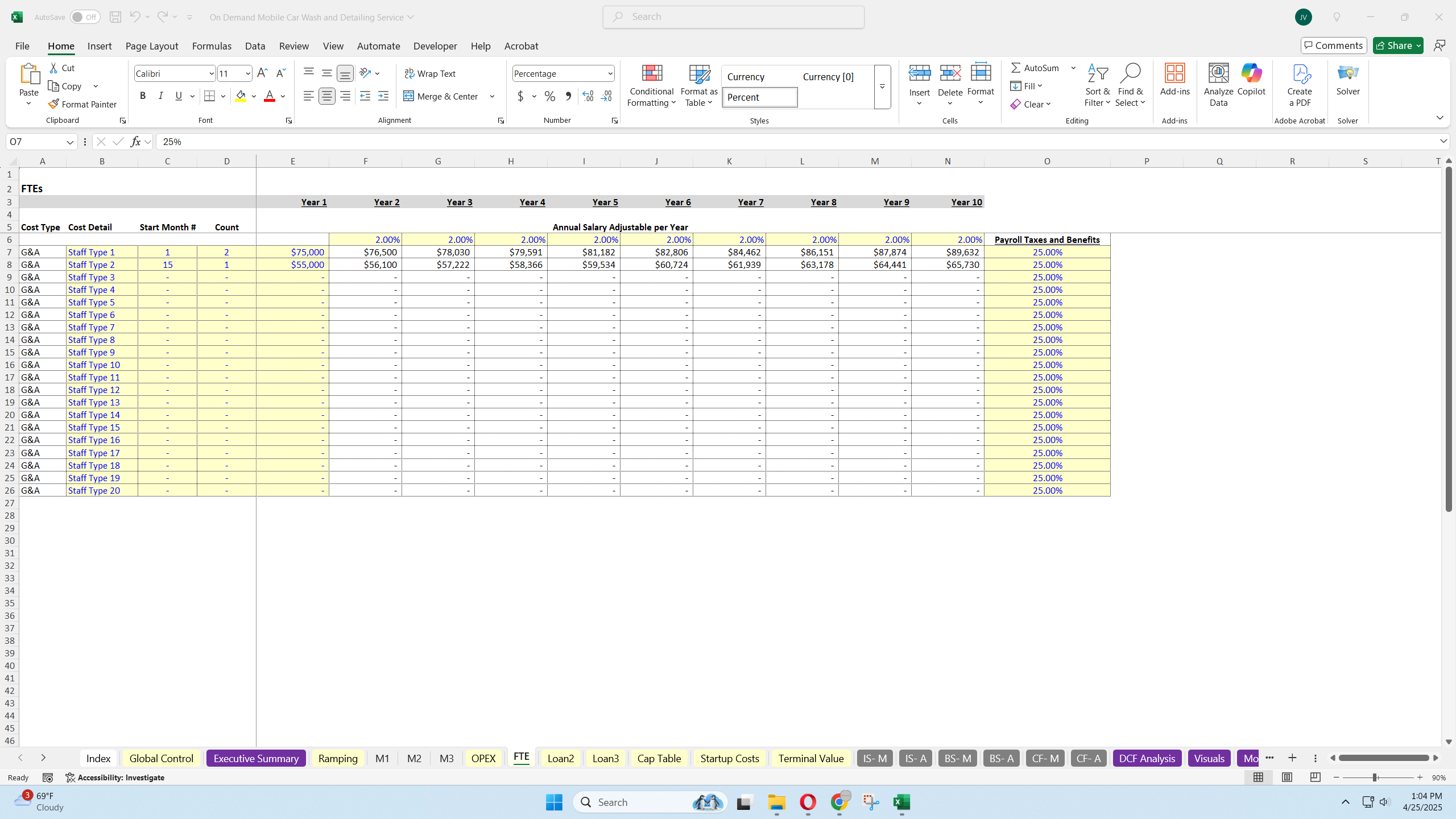
The structure of the model also allows for simultaneous expansion into multiple regions or the addition of new service lines. This helps the company scale effectively when consumer demand grows or when entering new markets, without having to overcommit to long-term leases or underutilized storefronts. By focusing on maximizing the utilization of each van and carefully managing staffing levels, the model projects detailed operational metrics (like services per month, revenue per service, and cost per wash) in tandem with overall financial performance, from initial ramp-up through maturity.
Pathways to Profitability Several levers drive profitability in this business model:
Utilization Optimization
Ensuring each van operates at or near its monthly maximum capacity increases revenue and spreads fixed costs (insurance, leasing, or loan repayments) over a larger volume of services.
Tiered Pricing Strategy
Offering multiple service packages (e.g., basic, deluxe, and premium) broadens market appeal. Over time, shifting the customer mix toward higher-margin packages boosts average revenue per wash.
Cost Management
Keeping variable costs (e.g., cleaning supplies, fuel, payroll per service) in check allows higher margins. Negotiating bulk supply costs or using efficient technologies can reduce unit expenses and increase profit per service.
Expansion Timing
Adding vans or entering new regions only after reaching stable utilization in existing markets avoids excessive overhead. Measured deployment ensures positive cash flow before making large capital commitments.
Financing Structure
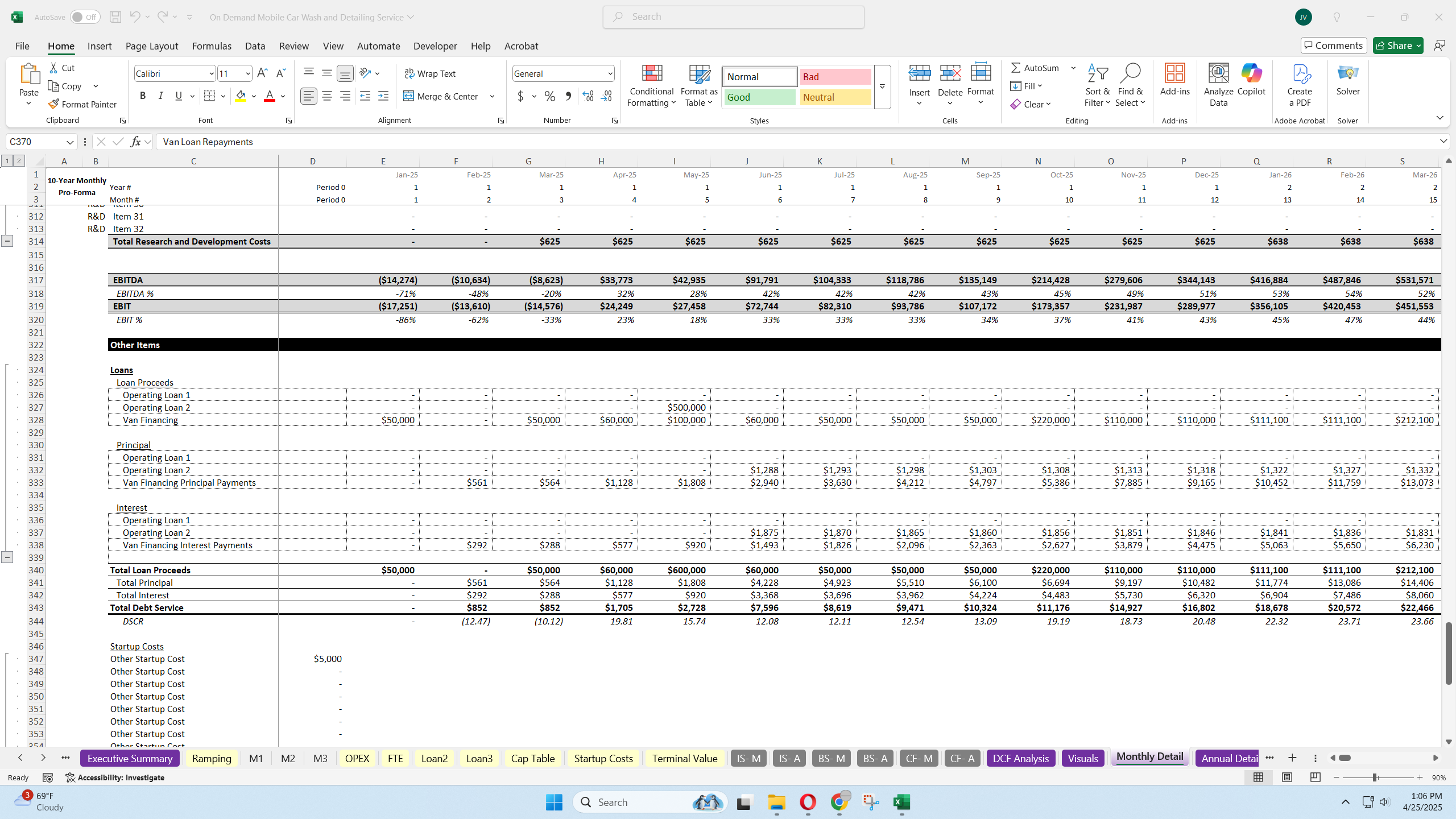
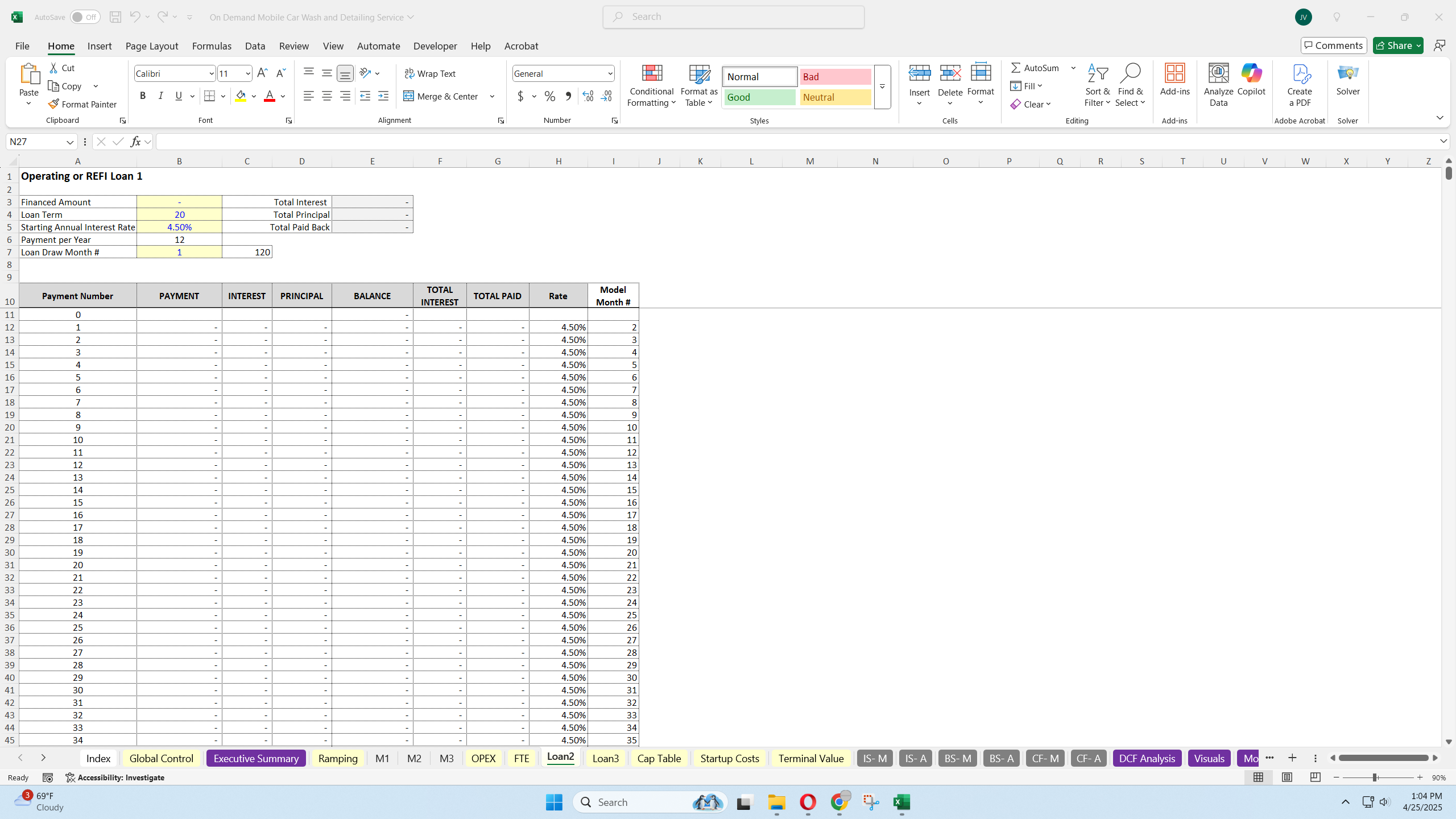
The model allows you to weigh the pros and cons of leasing versus purchasing vans. A well-structured financing strategy can preserve cash flow in the short term and minimize interest costs over the long term.
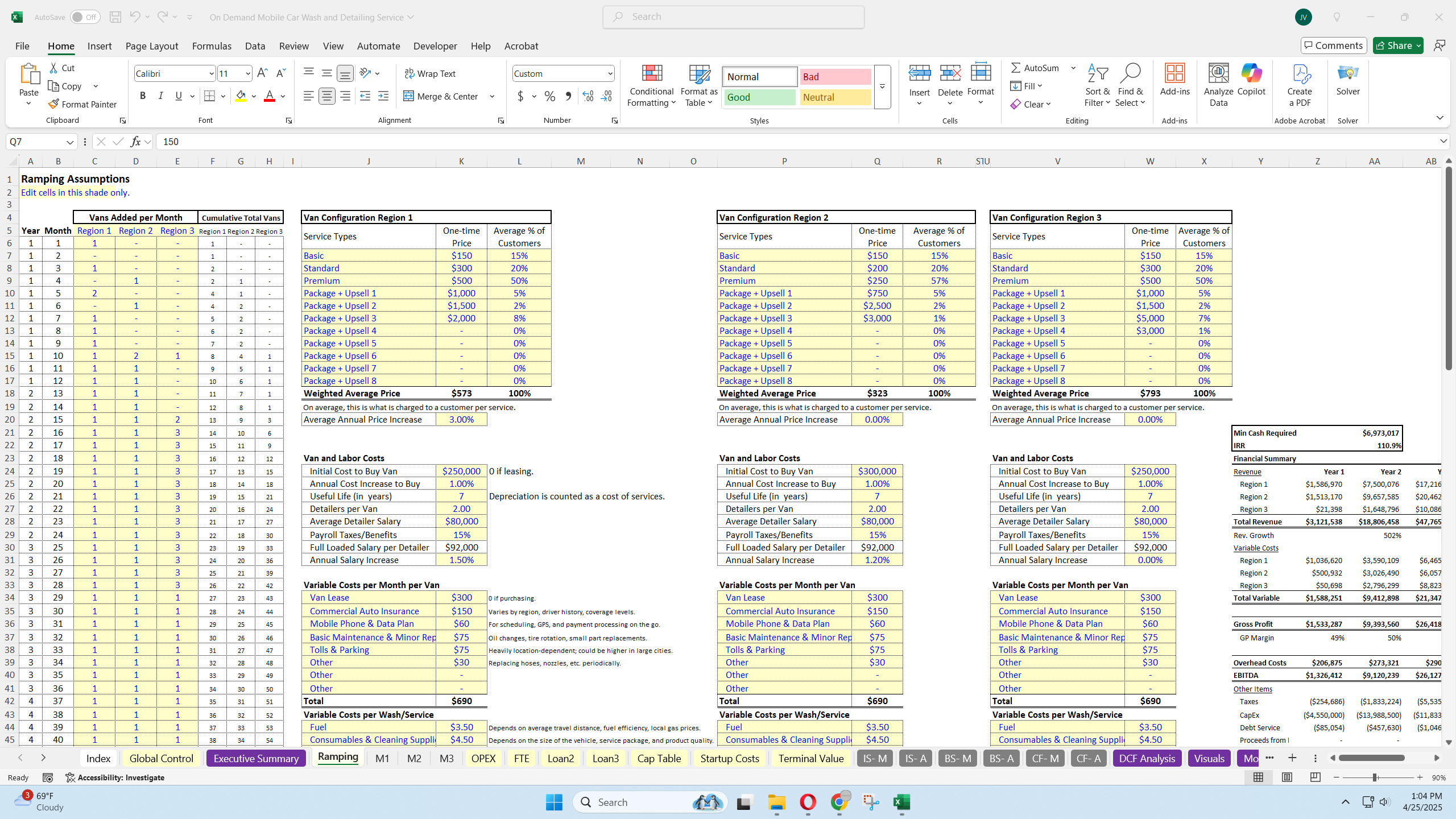
Adjusting Assumptions to Test Feasibility One of the model’s key features is its flexibility. By adjusting various input assumptions, you can quickly see how changes in pricing, variable costs, or growth timelines affect overall feasibility:
Pricing Sensitivity
If market conditions change, you can modify the price of each service package and observe how that alters total revenue, gross margin, and payback periods. Small increments in price can yield substantial gains if demand remains stable.
Variable Cost Shifts
Changes in the cost of supplies, water, or fuel may require rethinking per-wash pricing. By adjusting these costs in the model, you’ll see how they impact profit margins and whether you need to raise prices or negotiate better rates from suppliers.
Utilization & Ramp-Up
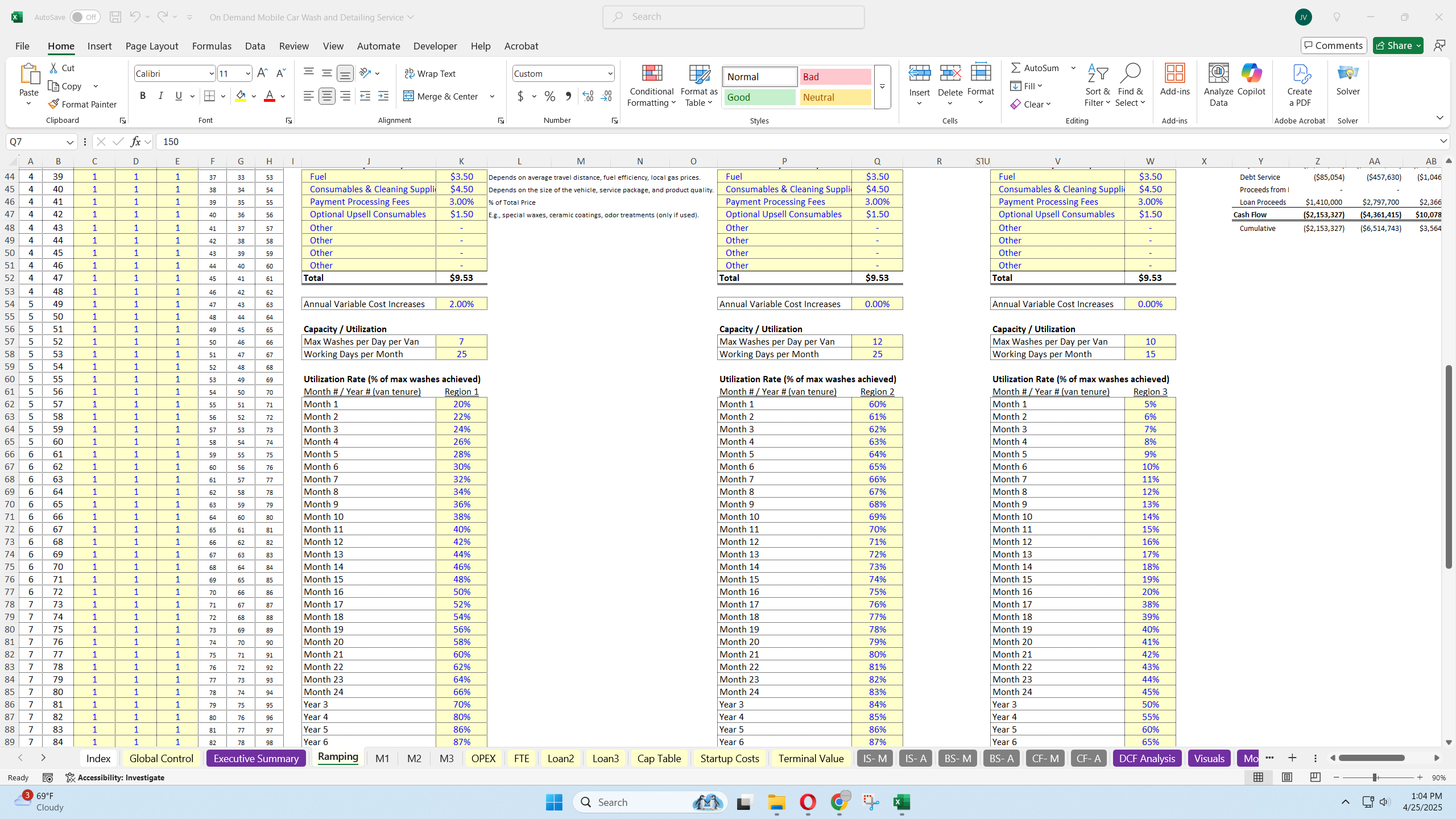
The model uses a monthly utilization schedule for each new van. You can lengthen or shorten the ramp-up period based on realistic sales projections or marketing budgets, providing a clear picture of whether the business can sustain its growth pace.
Financing & Capital Structure
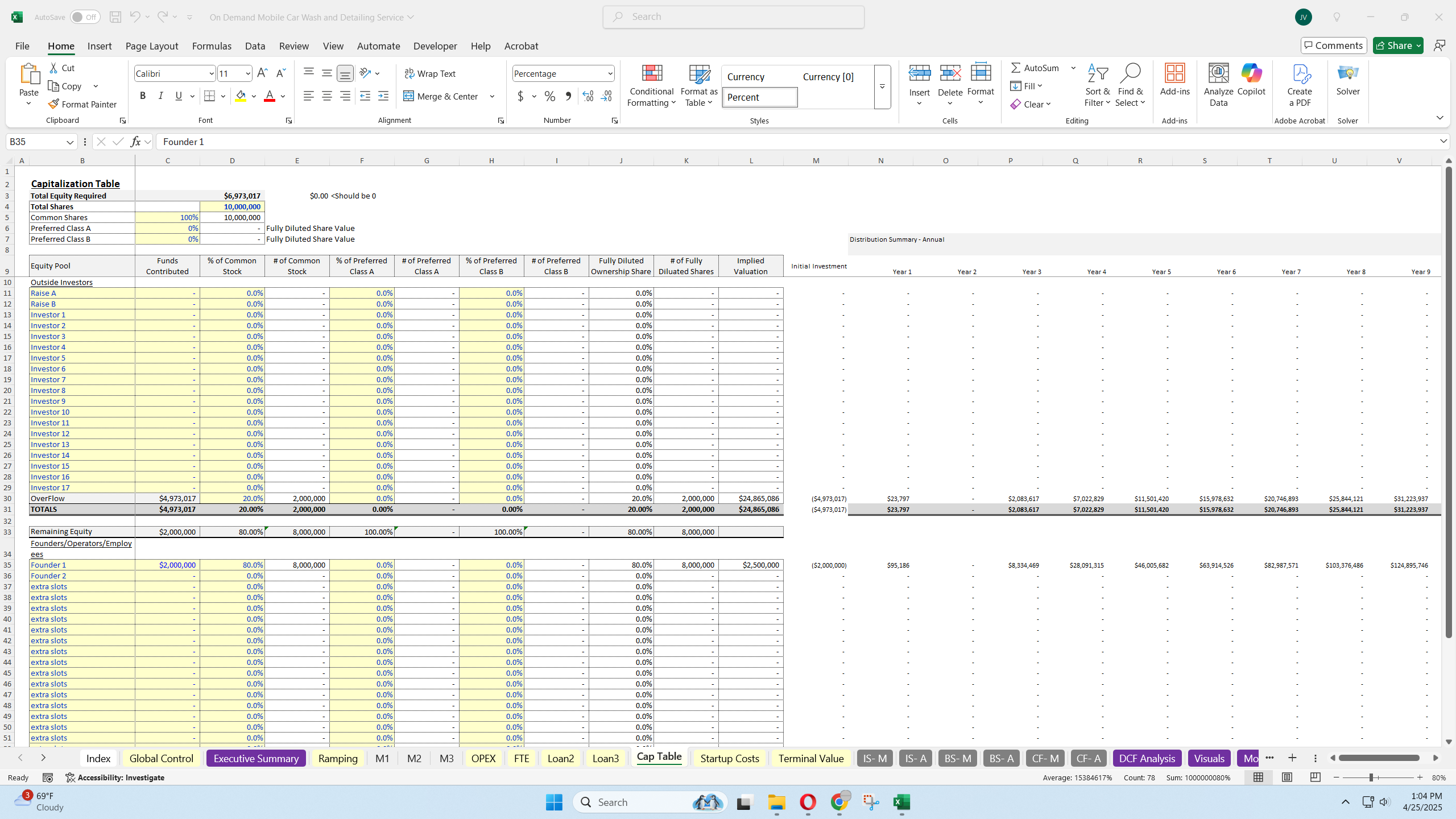
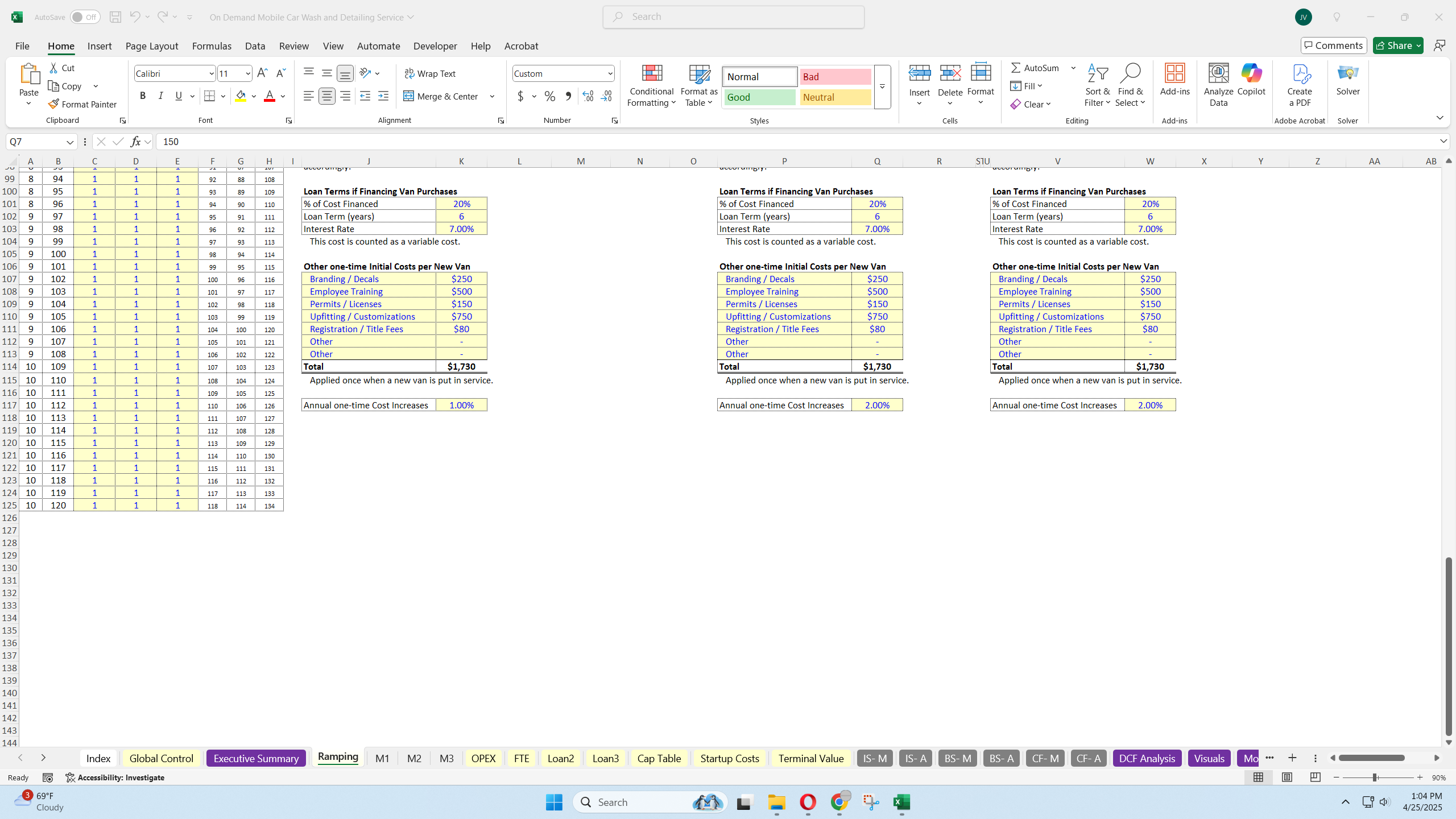
Alter the percentage of each van’s purchase price that gets financed (versus paid in cash) to see different interest expense scenarios. This helps in planning debt service and ensuring you maintain sufficient liquidity.
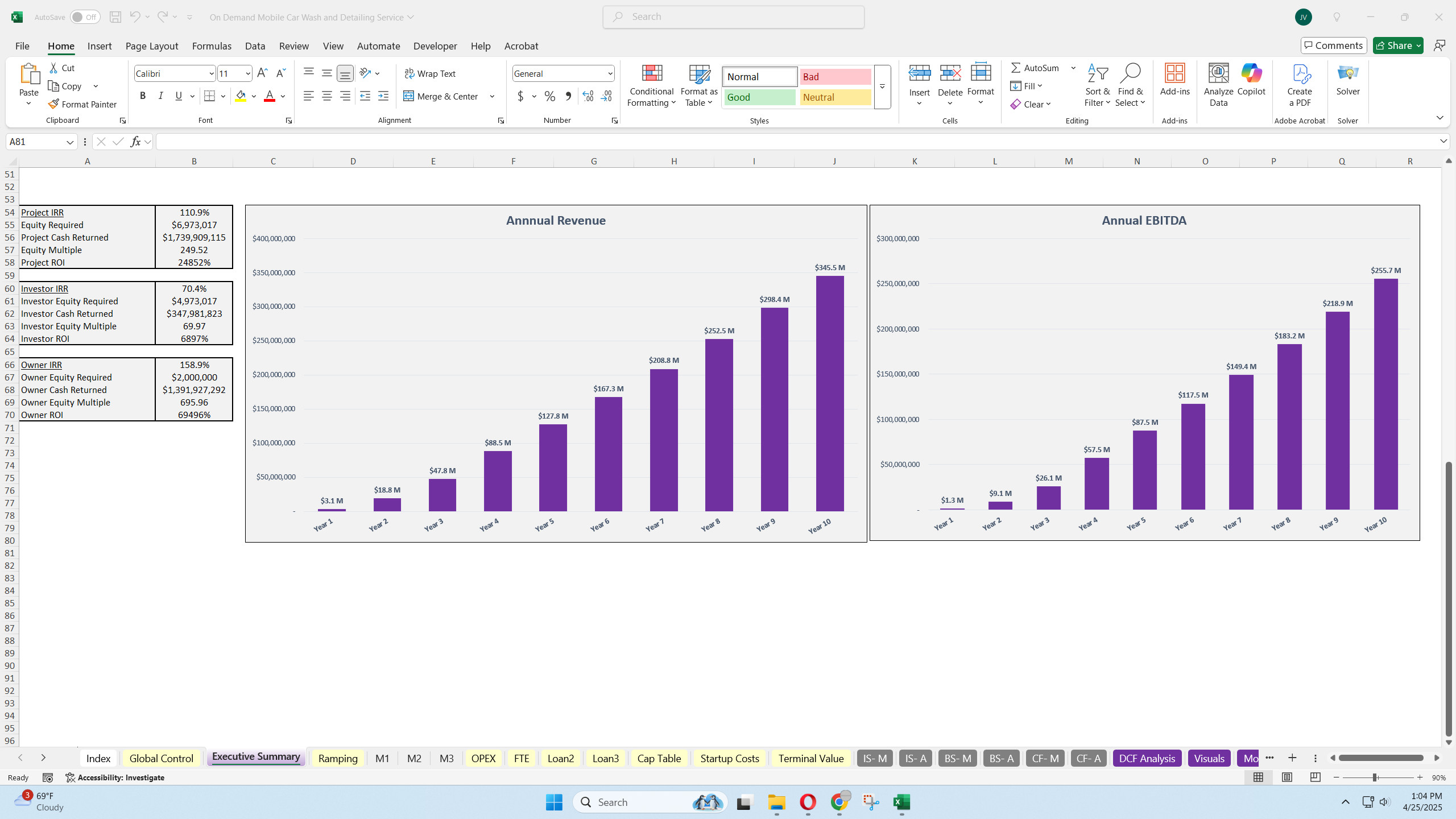
Through these assumption tweaks, the model offers valuable insights into best- and worst-case scenarios, helping you refine everything from day-to-day operations to long-term strategic planning. By systematically testing variables, you can prioritize initiatives (like marketing investments or improved supply chain terms) that have the greatest influence on the bottom line and position the business for ongoing profitability.
This Best Practice includes
1 Excel model and 1 Tutorial Video
Further information
Run various financial simulations for a startup on-demand services business.
Works best for up to 3 regions that vary in pricing, transaction volume, and variable costs.