The 3-Statement Financial Model: A 10-Year Model
Originally published: 29/06/2026 08:29
Publication number: ELQ-18841-1
View all versions & Certificate
certified

The 3-Statement Financial Model: A 10-Year Model

A 3-Statement Model is used by Analysts to forecast and financially represent the projected performance of a business.

Description
The 3-statement financial model typically comprises of the input section, the calculation section and the output section.

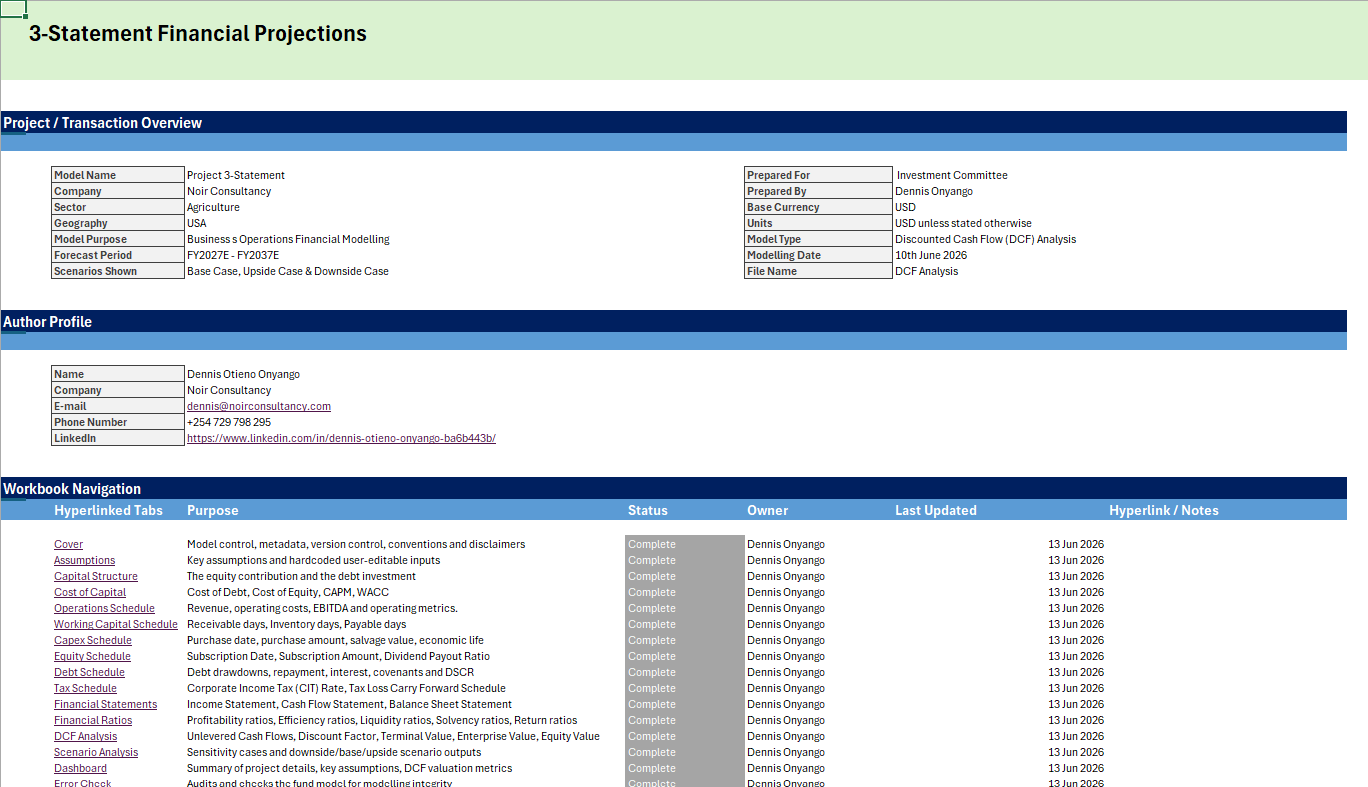
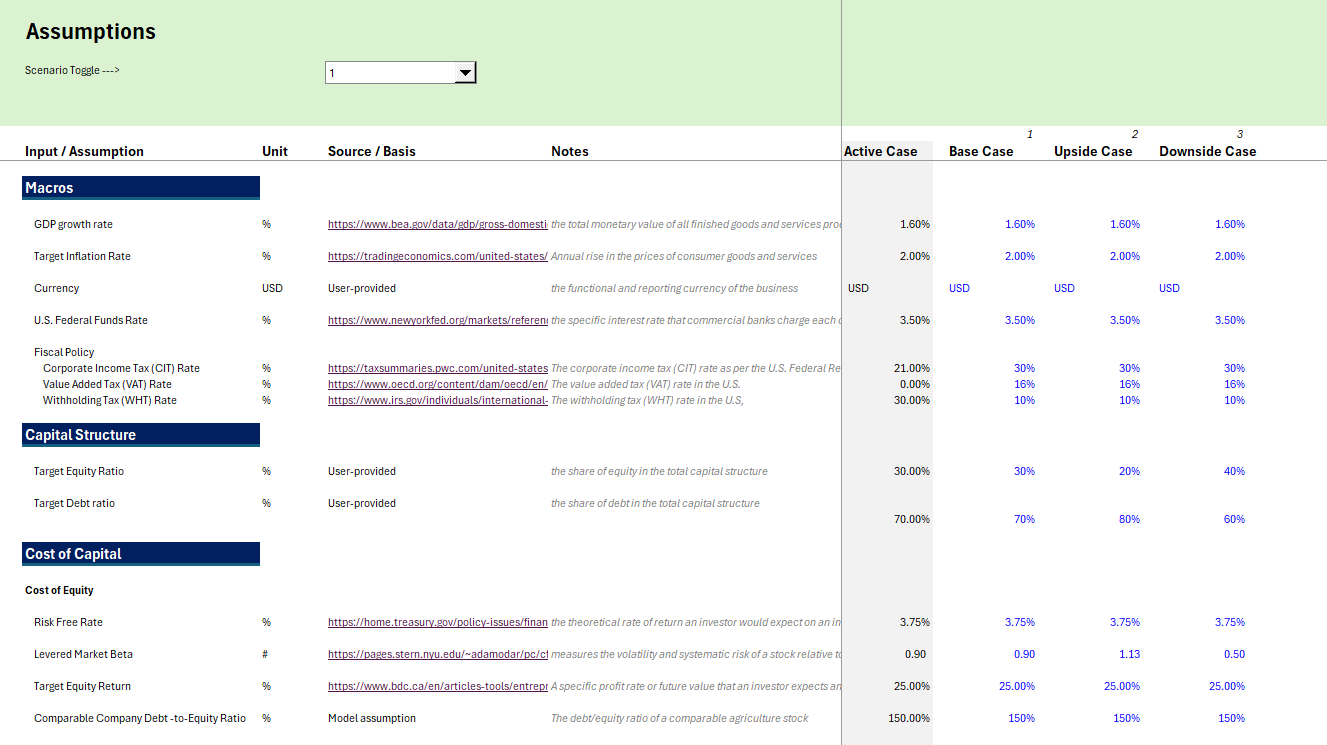
The input section is comprised of the cover tab and the assumptions tab. The cover tab highlights the project details, the author profile, the workbook navigation, the model conventions and the disclaimer section. The assumptions tab has the key input sections of the model including the macros, capital structure, cost of capital, business operations, working capital, capex, equity schedule, debt schedule, DCF analysis and tax loss carried forward.

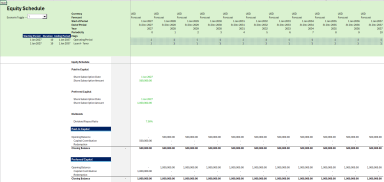
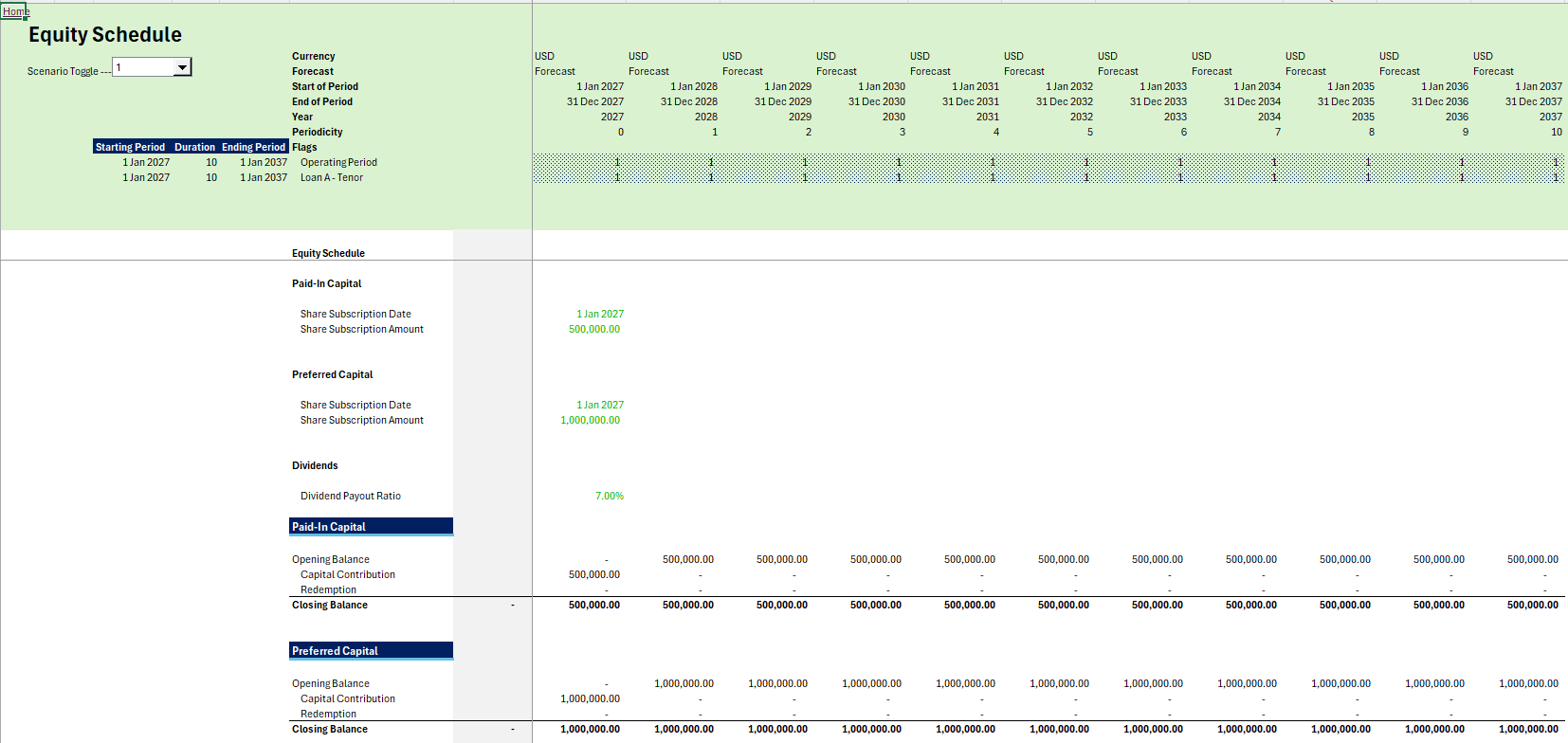
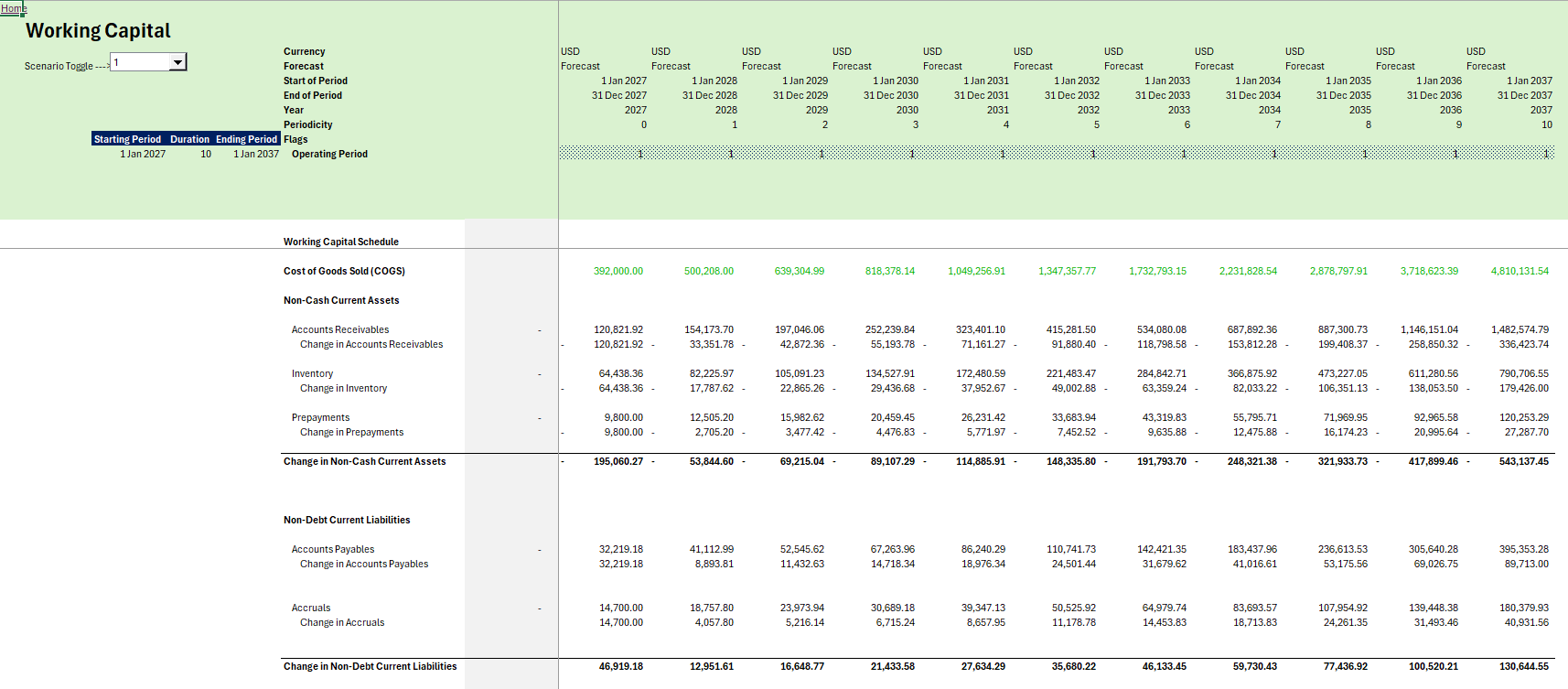
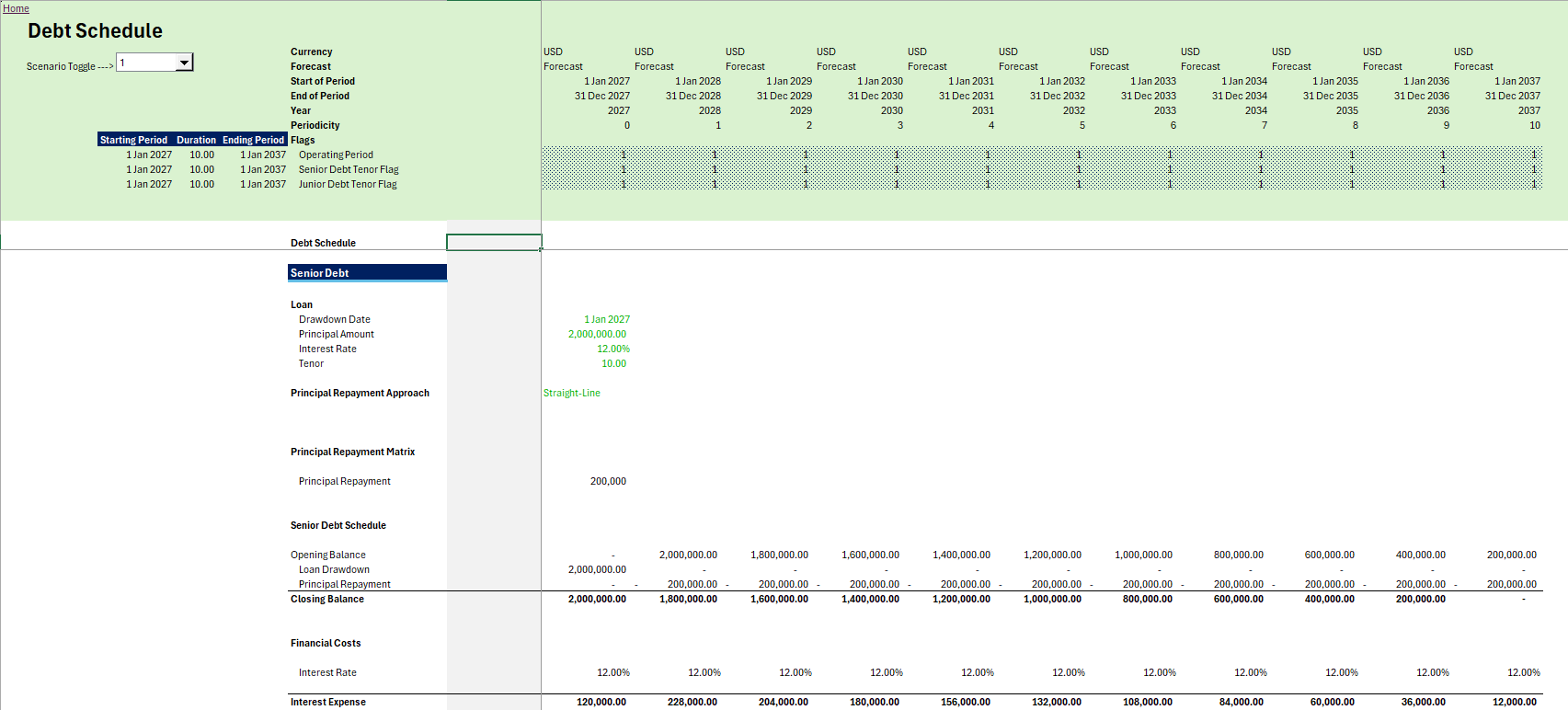
The calculation section is comprised of all the supporting schedules: operations, working capital, capital expenditure, debt, equity and tax. The operations schedule covers the volume, pricing and OPEX. The working capital schedule covers receivables, inventory, prepayments, payables and accruals. The capital expenditure schedule covers assets and depreciation. The equity schedule covers paid-in and preferred capital. The debt schedule covers senior debt and junior debt principal and interest payments. The tax schedule covers the tax loss carried forward and tax payable.

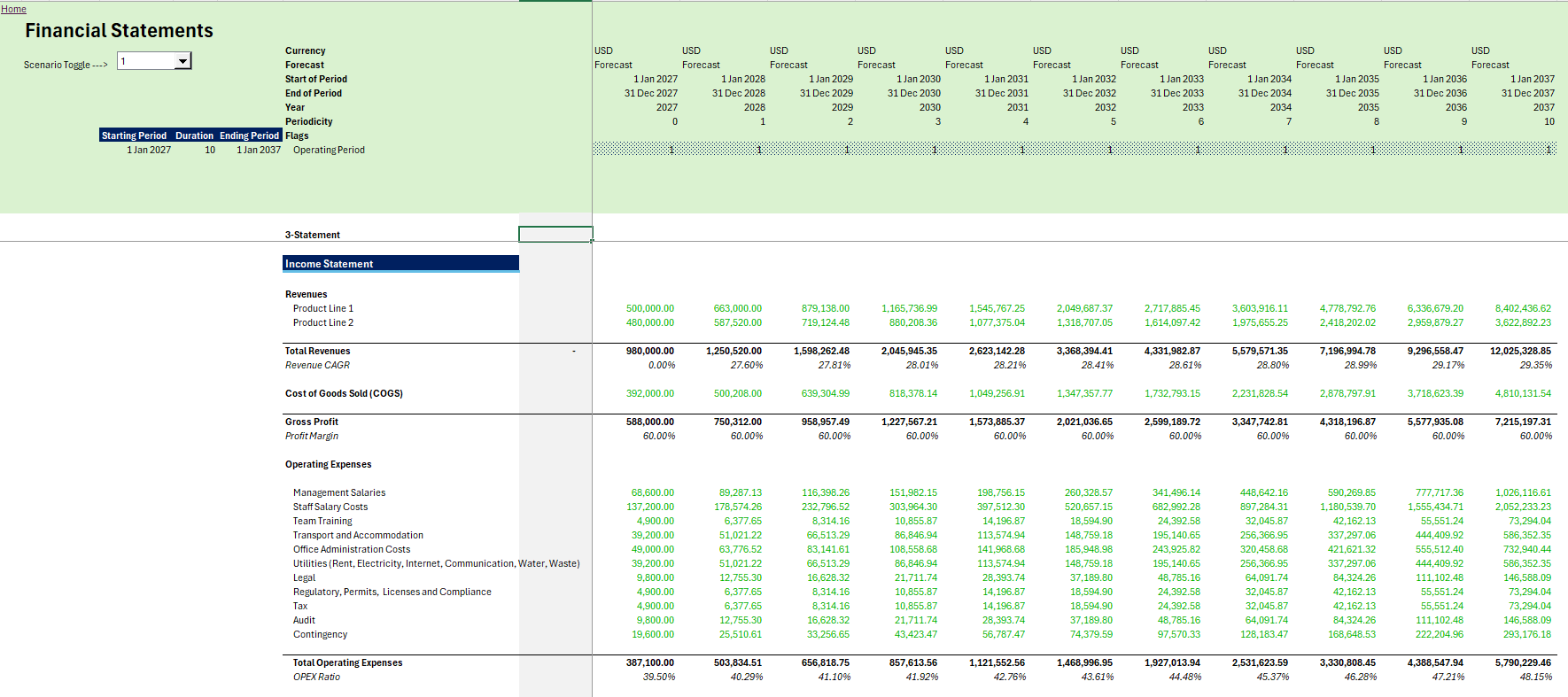
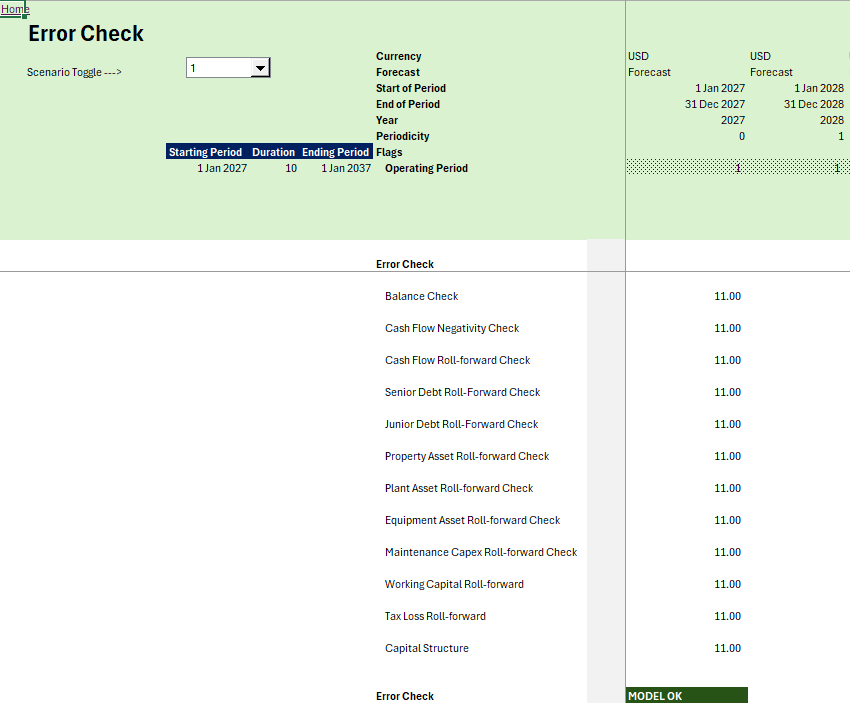
The output section covers financial statements, financial ratios, DCF analysis, dashboard, scenario analysis and error check section. The financial statements comprise the 3 statements: the income statement, the cash flow statement and the balance sheet statement. The financial ratos depict the financial health of the business via profitability, efficiency, liquidity, leverage and solvency ratios. The DCF analysis calculates the implied intrinsic value of the business. The dashboard portrays the executive summary of the financial model. The scenario analysis summarises the key outputs of the three scenarios - base case, upside case and downside case. The final tab is the error tab which sumamries the intergity checks for the model.

This Best Practice includes
1 PDF file, 1 Excel DCF model

Dennis Onyango offers you this Best Practice for free!

download for free

Add to bookmarks

Discuss

Further information

The objective is to demonstrate the correlation between the income statement, the cash flow statement, the balance sheet statement and the supporting schedules.
The 3-statement model is a fundamental tool for fundraising and understanding the mechanics of the model can help both the business founders and private equity investors to arrive at a decision efficiently.

 Users should use the workbook as they please
 Be careful to edit the assumptions tabs only
 The assumptions inputs are color coded in blue
 Use the scenario drop down list to select base, upside and downside scenario cases
 Remember to click the VBA macro button in the scenario analysis tab to update the model following input changes

 Hard code inputs other than on the assumptions tab
 Hard code numbers into the formulas
 Avoid reviewing the model with relevant peers or colleagues with the requisite financial model expertise
 Use the model without real-world sanity checks


0.0 / 5 (0 votes)

please wait...