Publication number: ELQ-63246-1
View all versions & Certificate

CCC to Capital: Working Capital, Lego Financing & Monte Carlo Suite
Transform CCC into cash, financing and value with modular capital structures and Monte Carlo risk analysis.
Further information
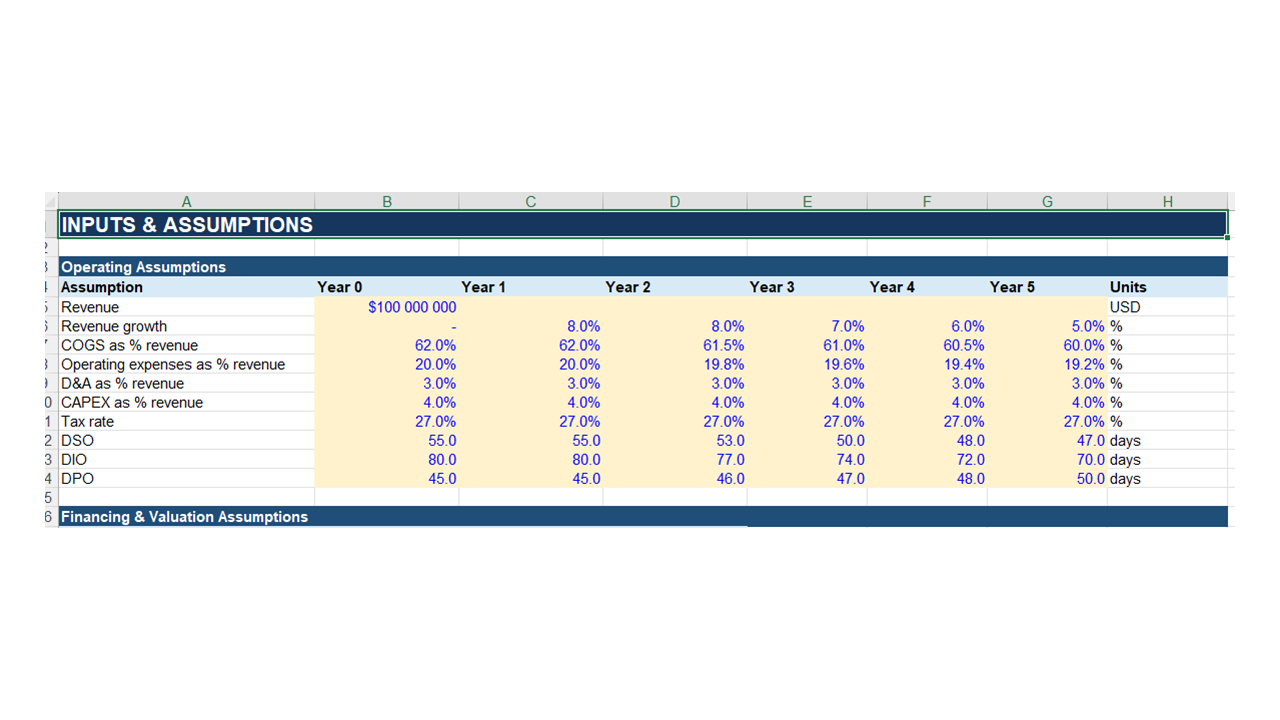
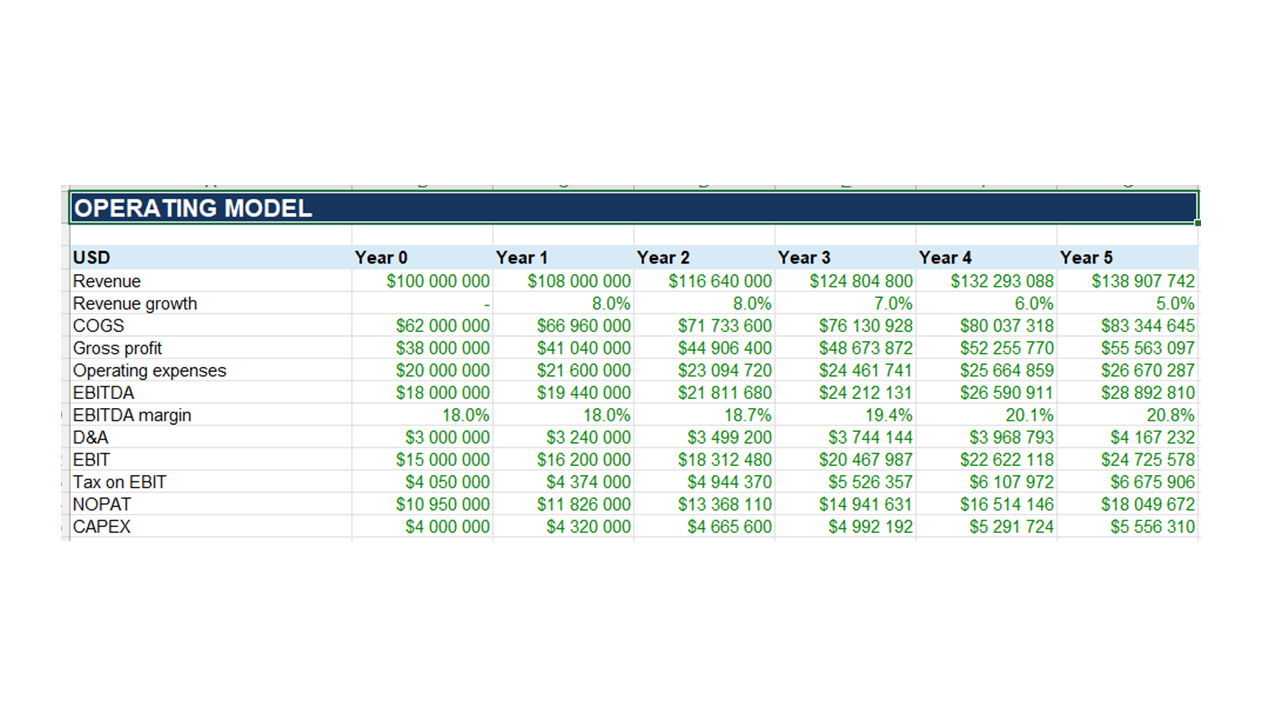
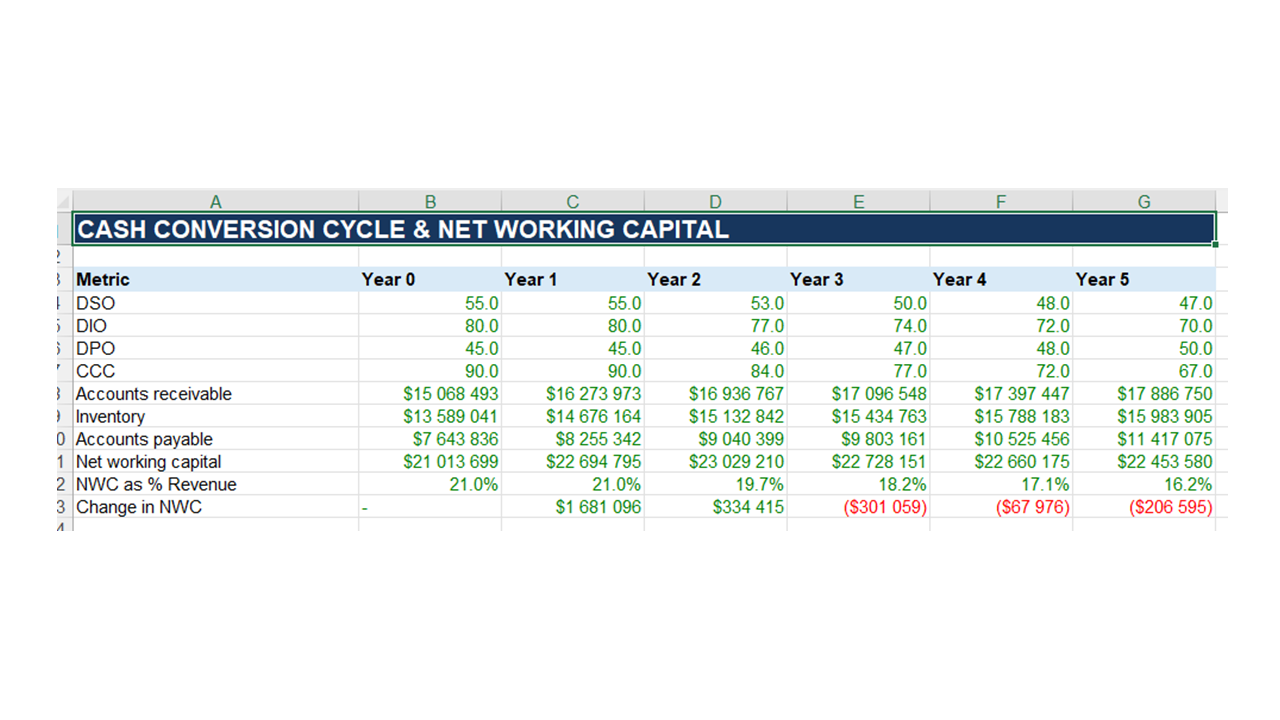
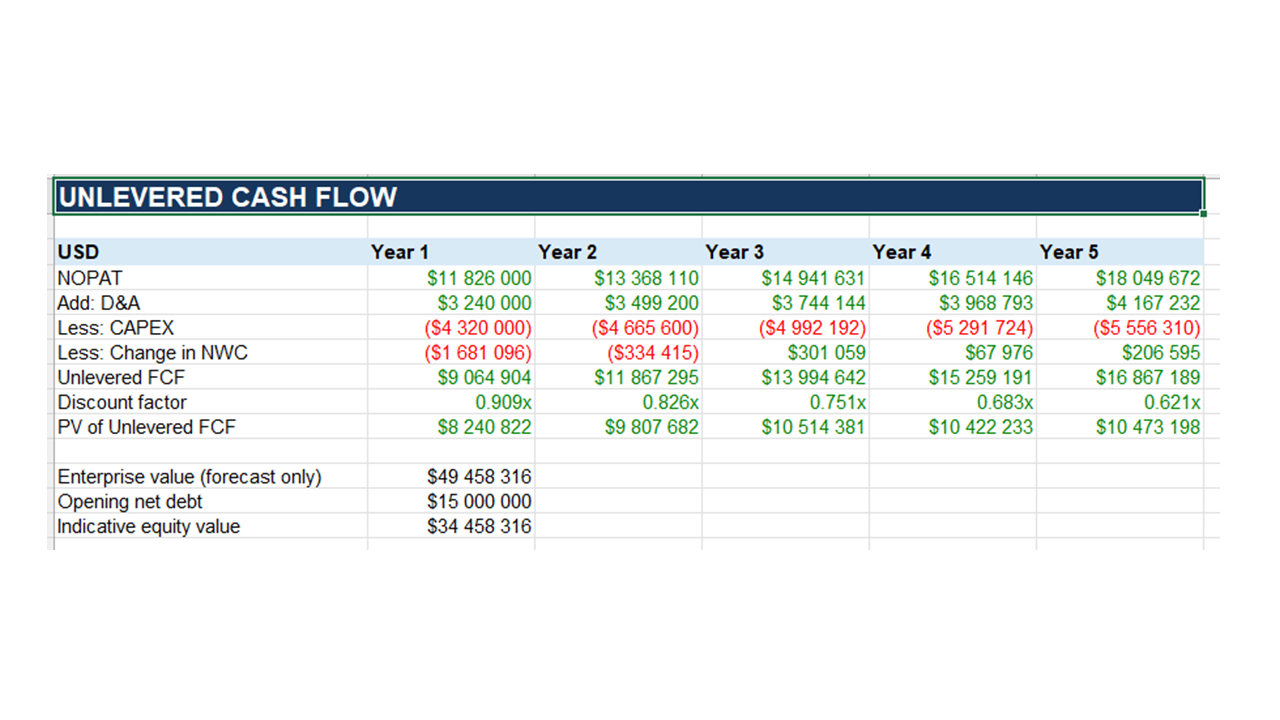
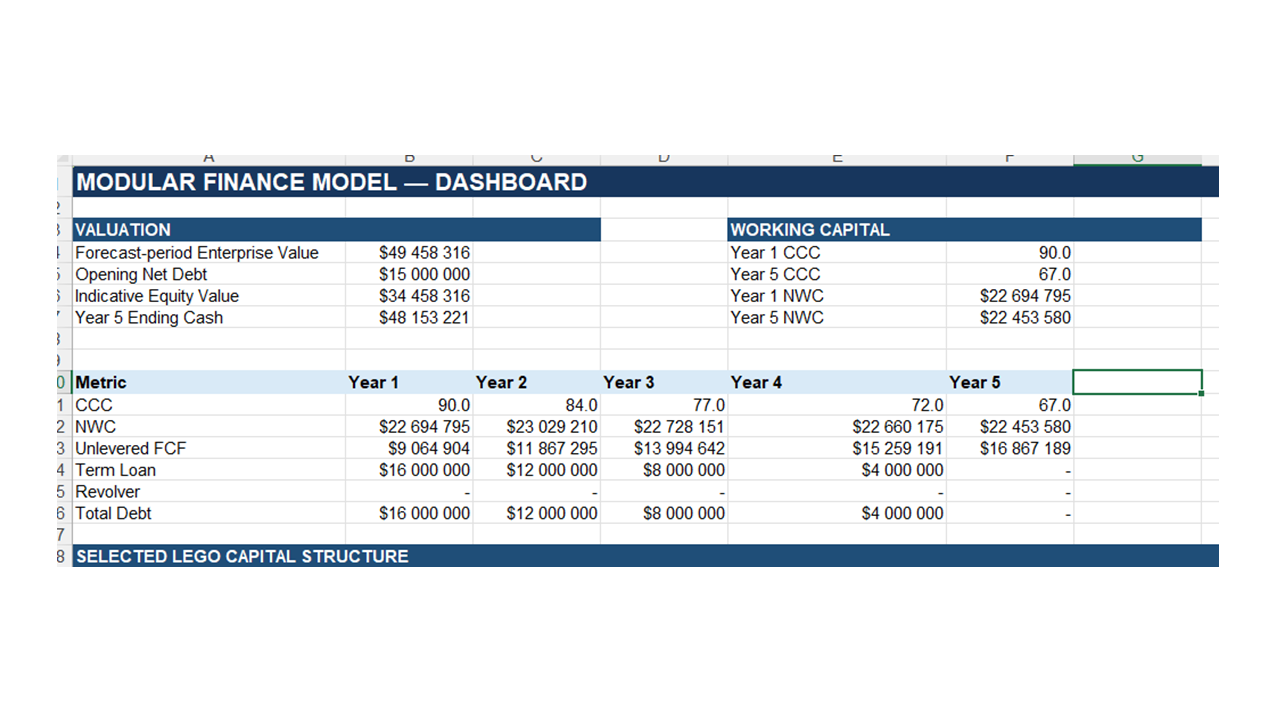
The objective of CCC to Capital is to provide a progressive Excel modelling framework that demonstrates how the Cash Conversion Cycle (CCC) connects operational performance with Net Working Capital, cash flow, financing requirements, capital structure, liquidity risk and enterprise value.
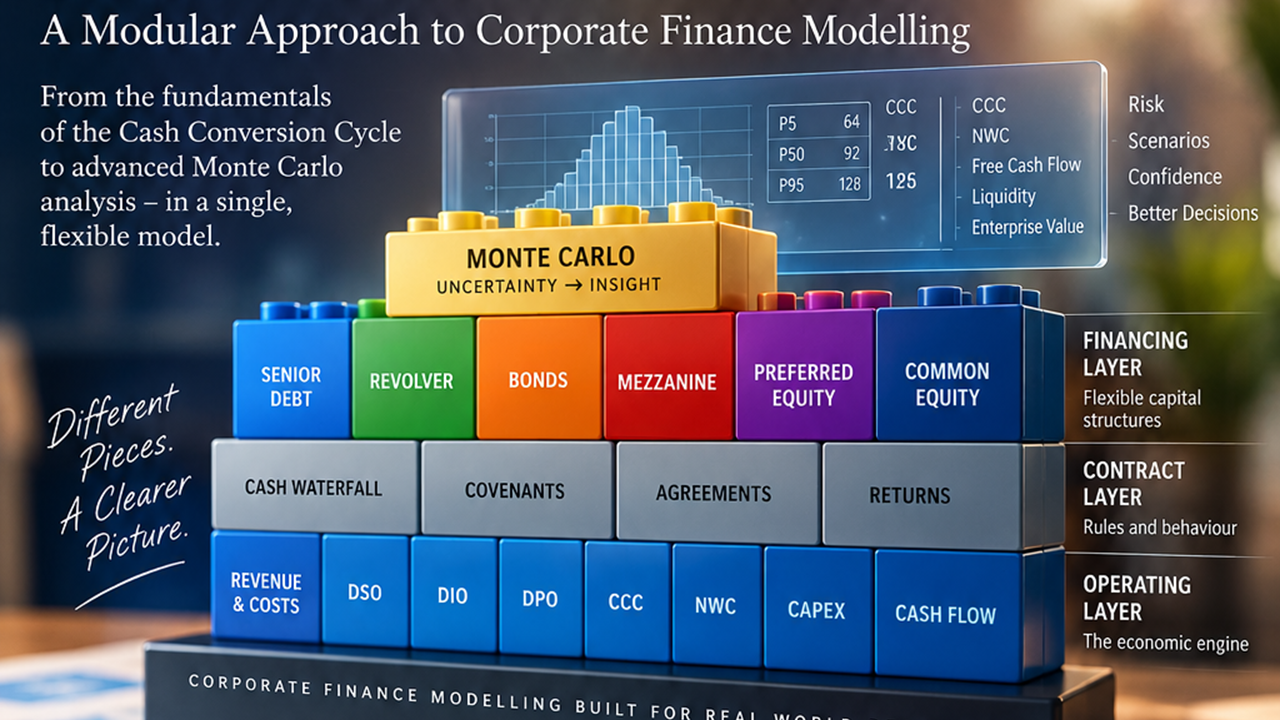
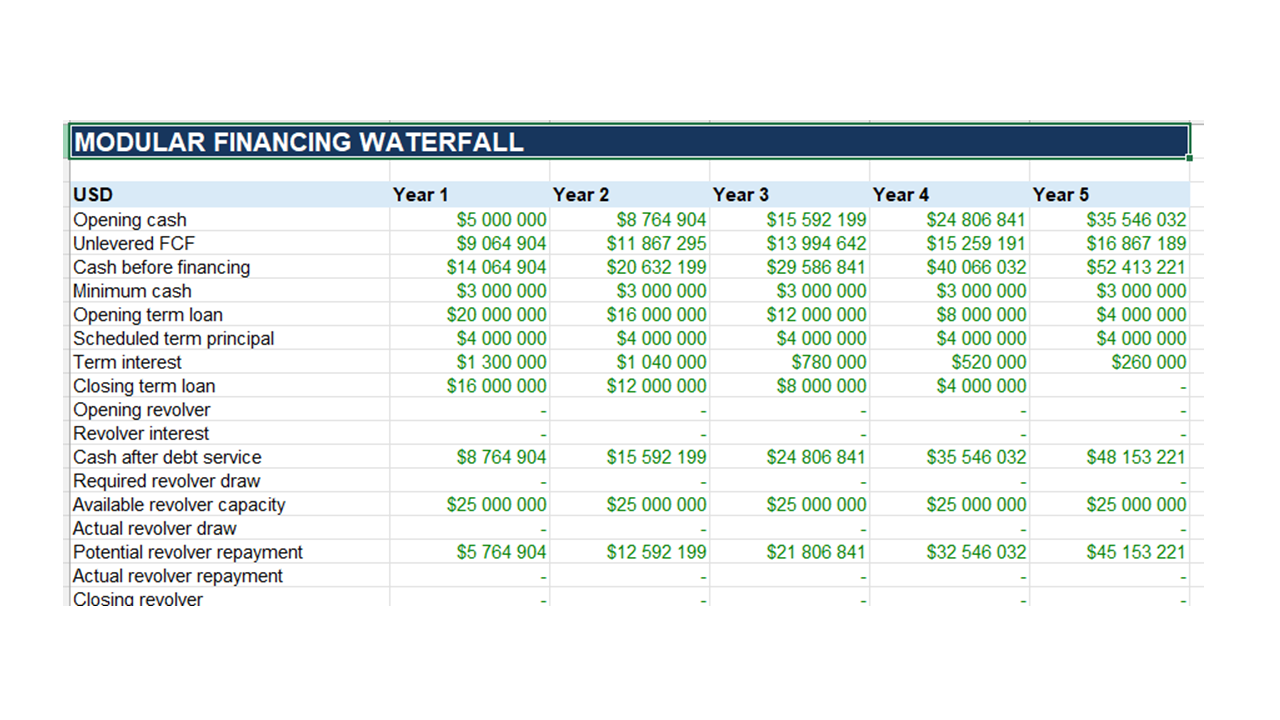
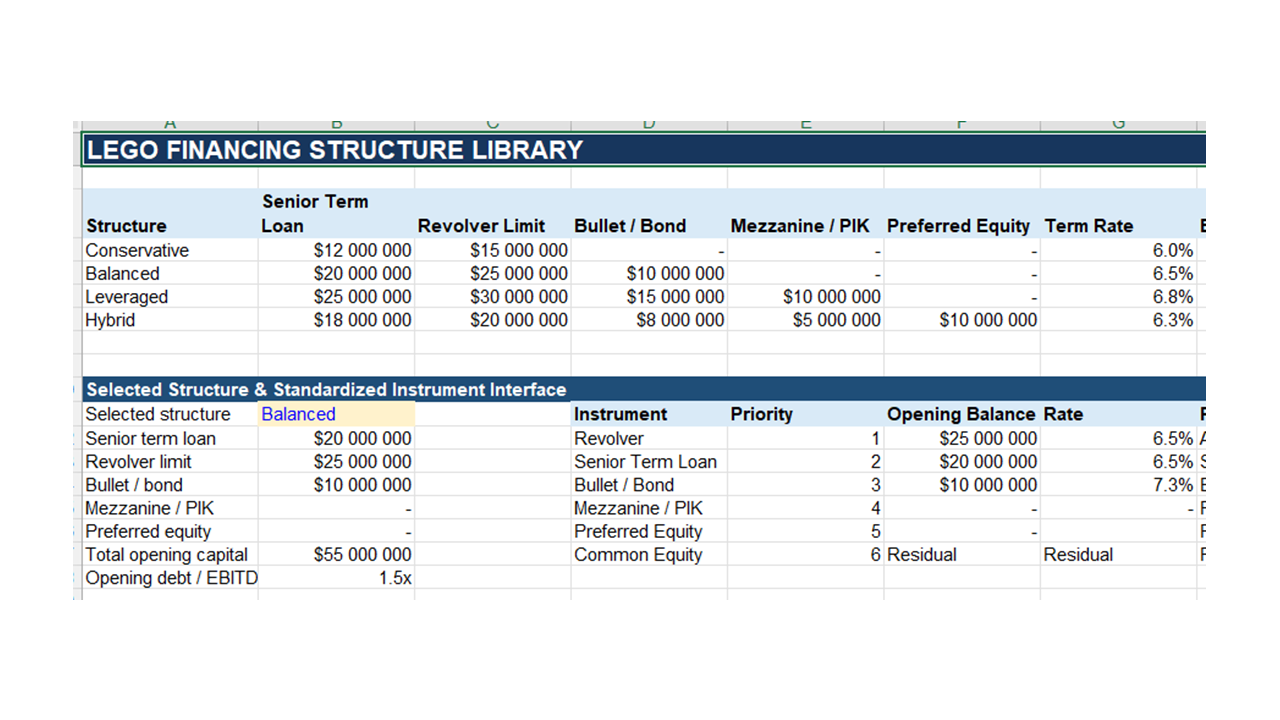
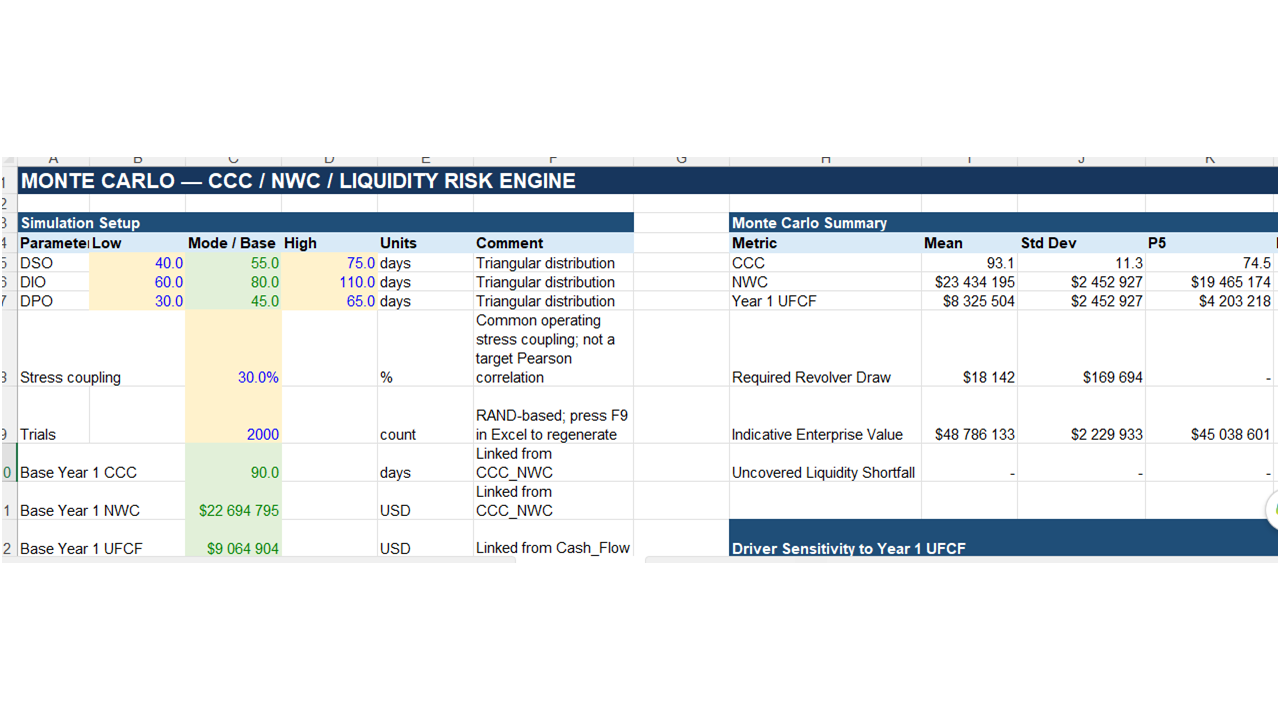
The three models progressively extend the analysis from a transparent CCC/NWC foundation, through modular “Lego-style” financing structures, to Monte Carlo simulation of DSO, DIO and DPO uncertainty.
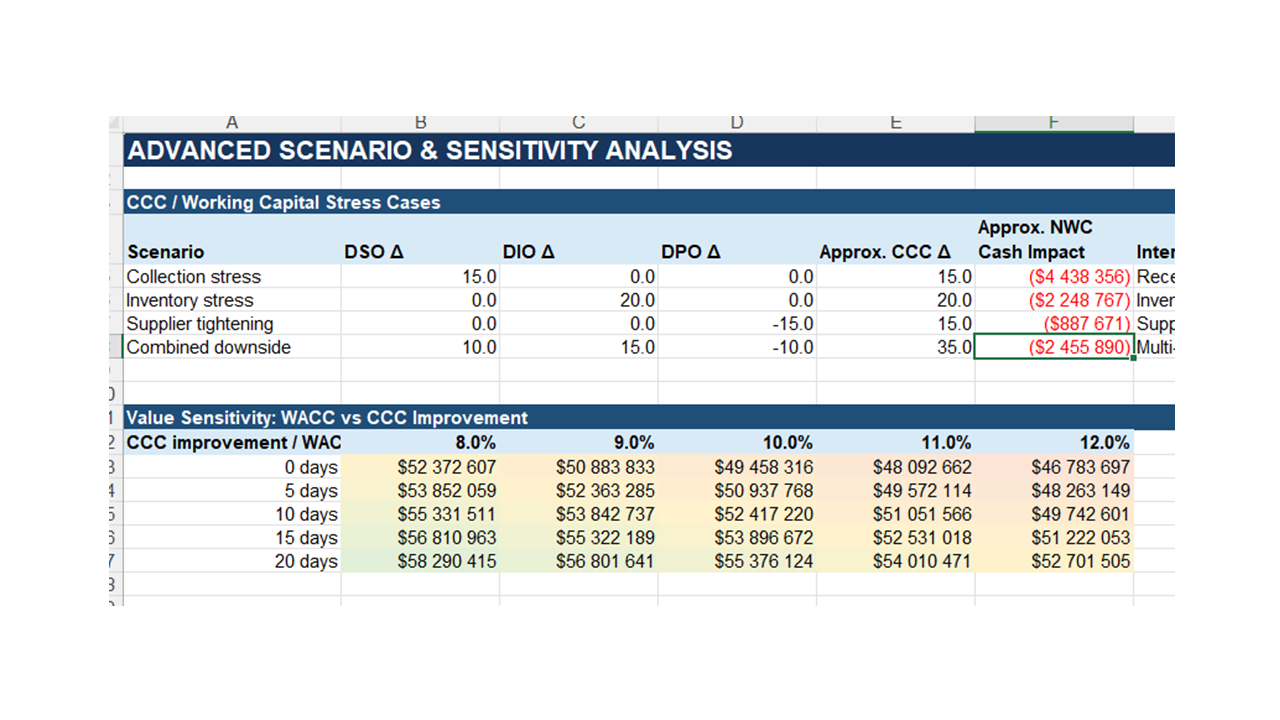
The suite enables users to move beyond viewing CCC as a simple efficiency ratio and instead use it as a dynamic corporate-finance decision variable—testing how changes in receivables, inventory and supplier terms affect cash requirements, debt usage, covenant resilience and valuation under both deterministic and probabilistic scenarios.
The suite is particularly useful where working capital is a material driver of cash flow, financing requirements and business value. It is best suited to:
Manufacturing, industrial, chemical, mining, distribution, wholesale and retail businesses with meaningful inventory, receivables and payables.
Growing companies where increasing sales may create significant additional Net Working Capital funding requirements.
Businesses with variable or uncertain DSO, DIO and DPO.
Corporate finance, valuation and DCF analysis where ΔNWC materially affects free cash flow.
Companies evaluating alternative combinations of revolving credit, senior debt, bonds, mezzanine/PIK financing, preferred equity and common equity.
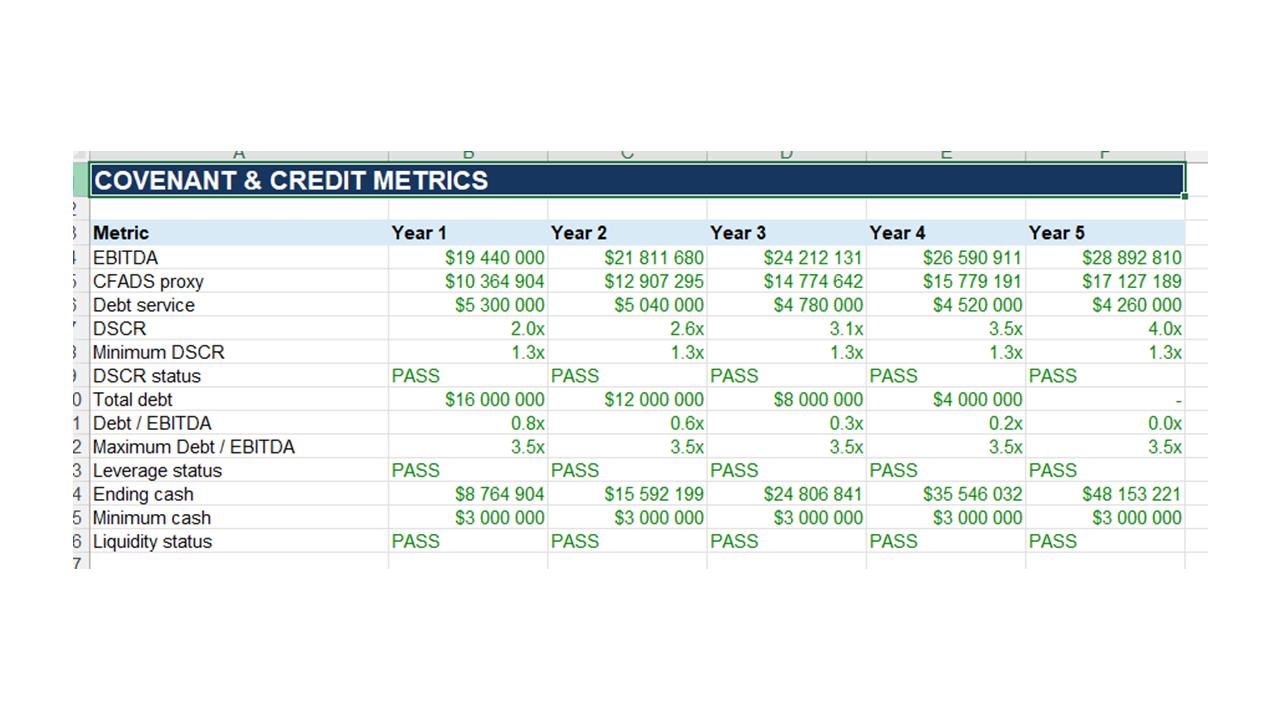
Credit and liquidity analysis involving DSCR, leverage, minimum cash and funding capacity.
Scenario planning, restructuring, M&A, private equity and investment analysis where users need to understand the interaction between operations and capital structure.
Situations where Monte Carlo simulation can help quantify the probability of CCC deterioration, cash-flow pressure, additional borrowing or liquidity shortfalls.
It is especially valuable when management wants to answer not only “What is our CCC?”, but “What does our CCC mean for cash, financing risk and value?”
The suite is less suitable where the Cash Conversion Cycle and operating working capital are not significant drivers of cash flow or value. This may include:
Pure service, consulting, software or digital businesses with little or no inventory and minimal trade working capital.
Financial institutions, banks and insurers, where conventional CCC/NWC concepts do not adequately represent the underlying business economics.
Businesses where cash transactions dominate and receivables, inventory and supplier credit are immaterial.
Very early-stage or pre-revenue companies without sufficient operating history to establish meaningful DSO, DIO and DPO assumptions.
Situations requiring detailed legal interpretation of complex financing agreements, tax structures, accounting standards or regulatory capital requirements.
Highly specialized project-finance structures requiring detailed reserve accounts, sculpted debt service, multiple currencies, hedging and complex intercreditor waterfalls beyond the model's current scope.
Cases where reliable ranges for DSO, DIO and DPO cannot be established; Monte Carlo results will only be as credible as the assumptions supplied.
Short-term trading or market-risk applications where working-capital dynamics are not the principal source of financial risk.
The model should therefore be regarded as a corporate finance and working-capital decision-support framework, rather than a substitute for detailed accounting, legal, tax, banking or transaction-specific due diligence.