Company Valuation DCF & Comparable Multiples + Real Estate Investment & Development Model
Originally published: 31/08/2026 11:33
Publication number: ELQ-67988-1
View all versions & Certificate
certified

Company Valuation DCF & Comparable Multiples + Real Estate Investment & Development Model

Two integrated Excel models for company valuation and real estate development, combining DCF, comparable multiples, project finance, development feasibility...

Description

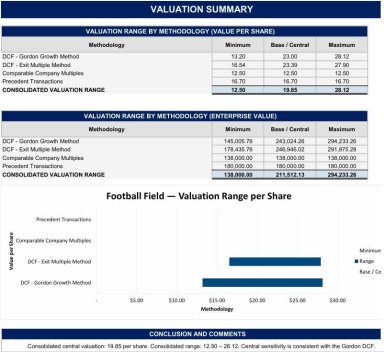
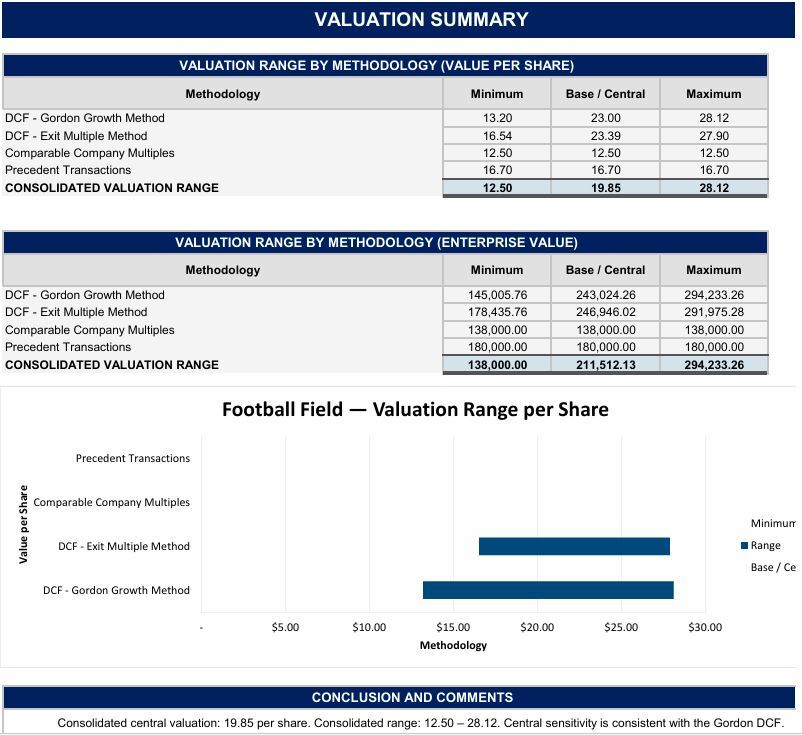
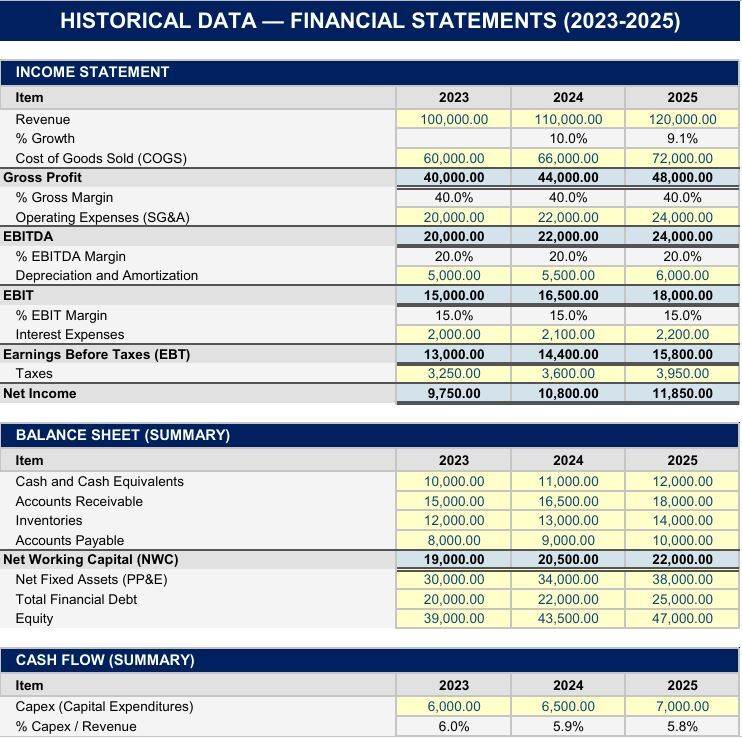
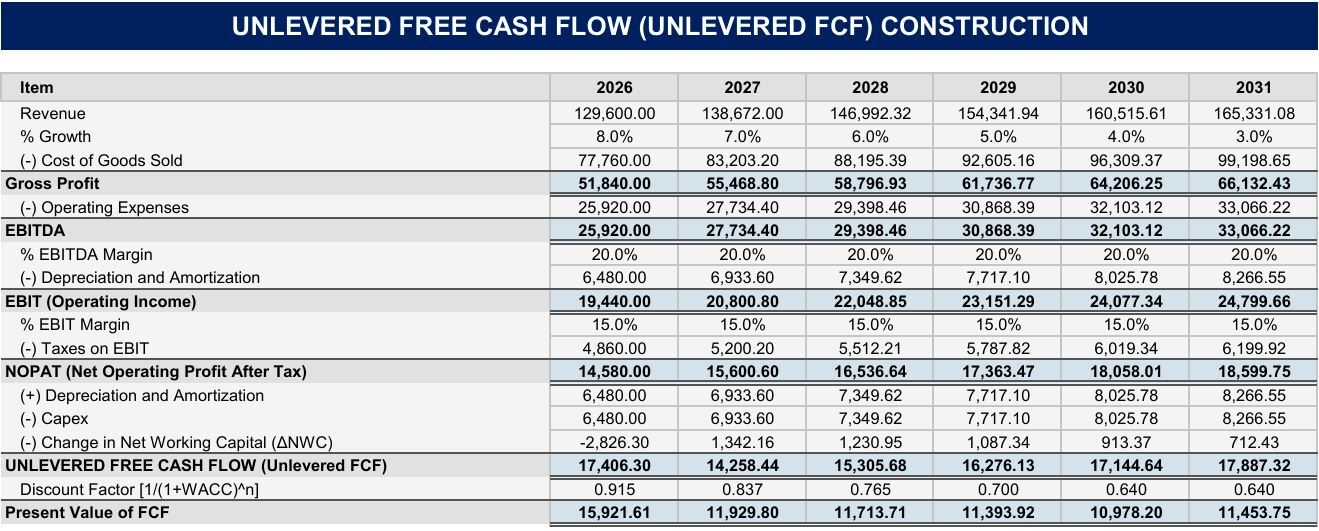
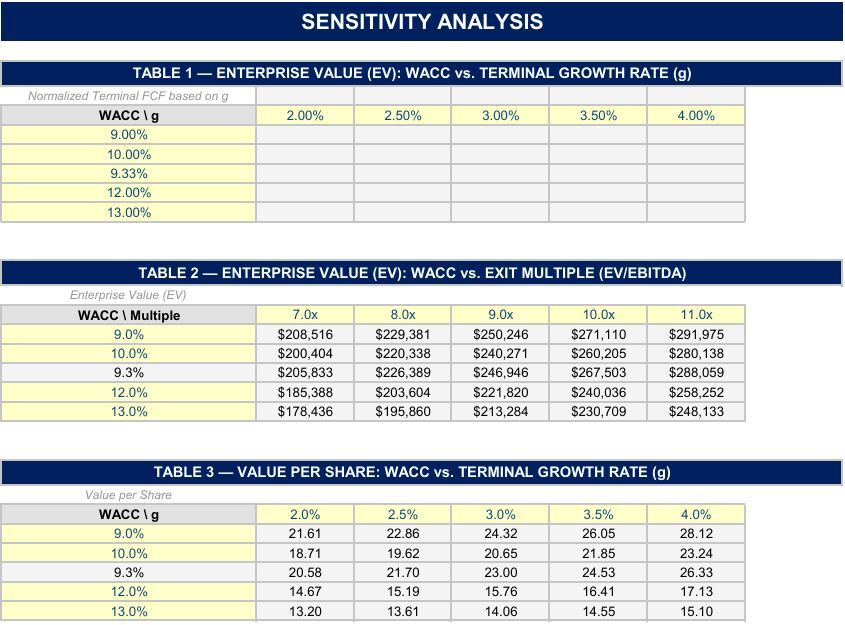
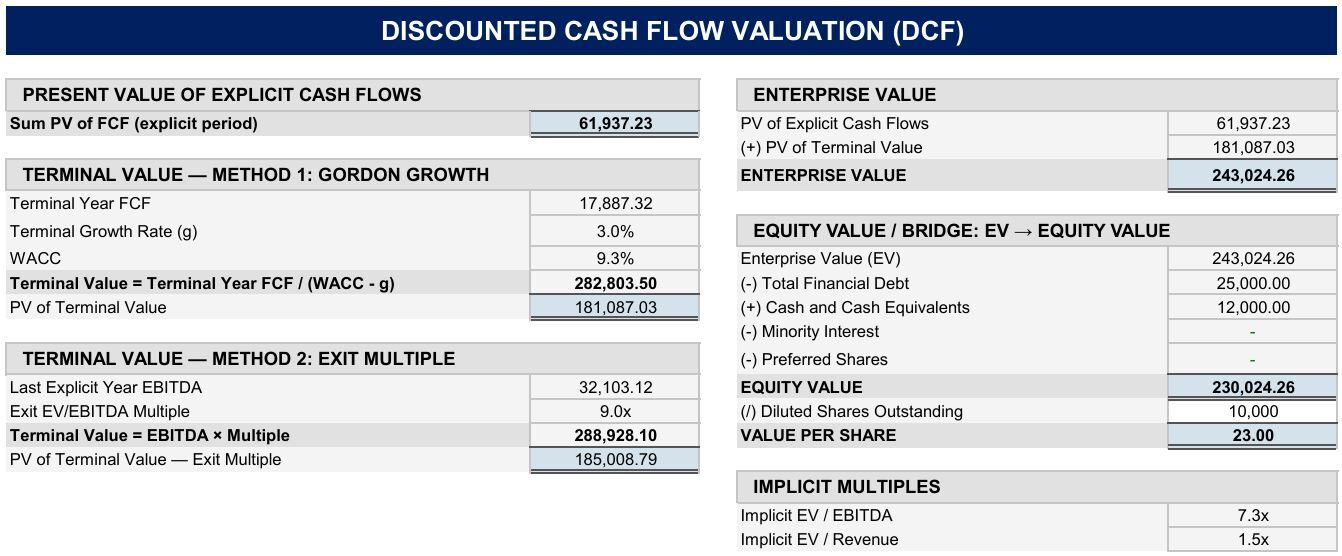
This professional financial modeling bundle combines two specialized Excel models designed for company valuation and real estate investment & development analysis. Together, they provide complementary tools for evaluating business value, development feasibility, financing requirements, project economics, and investment returns.The Company Valuation Model — DCF & Comparable Multiples provides a structured framework for estimating a company's value using two widely used valuation methodologies. The Discounted Cash Flow (DCF) approach projects Free Cash Flow to the Firm (FCFF), calculates the Weighted Average Cost of Capital (WACC), determines terminal value, and derives enterprise value and equity value. The Comparable Company Multiples approach supports market-based valuation using peer-company financial data and relevant valuation multiples. The model also incorporates scenario and sensitivity analysis to evaluate the effect of changes in key valuation assumptions on implied company value.

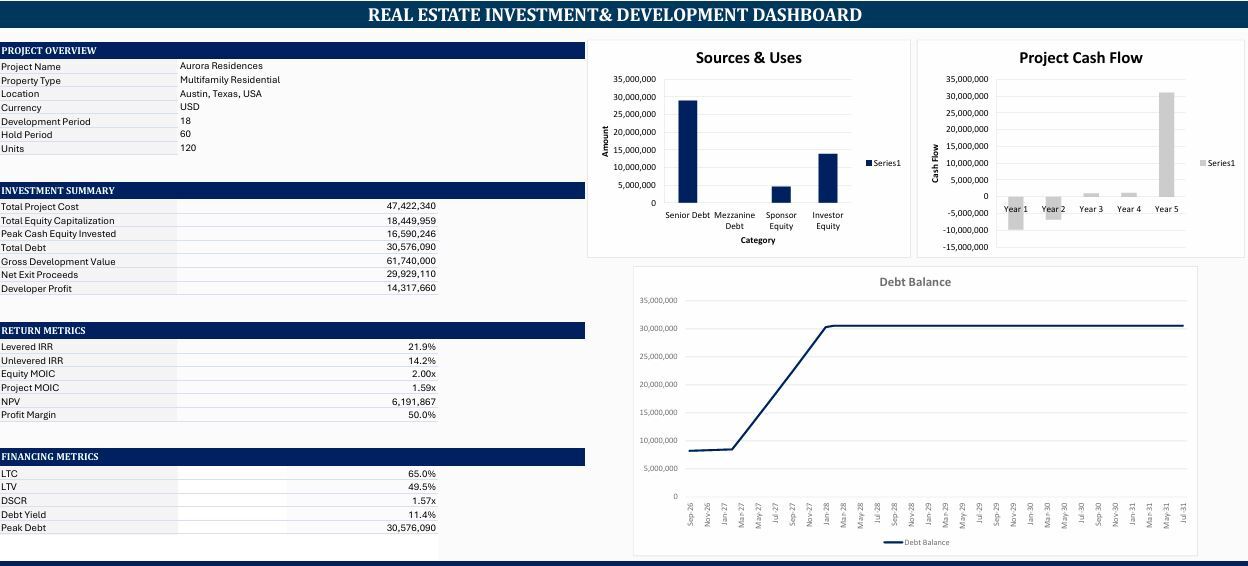
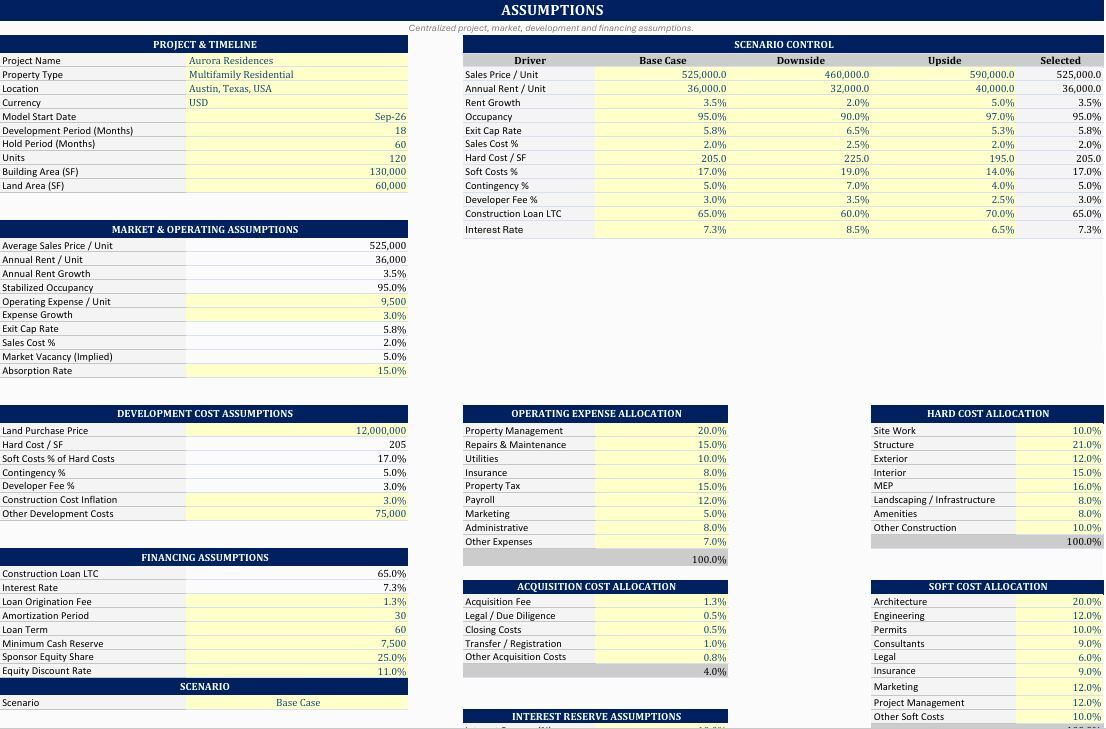
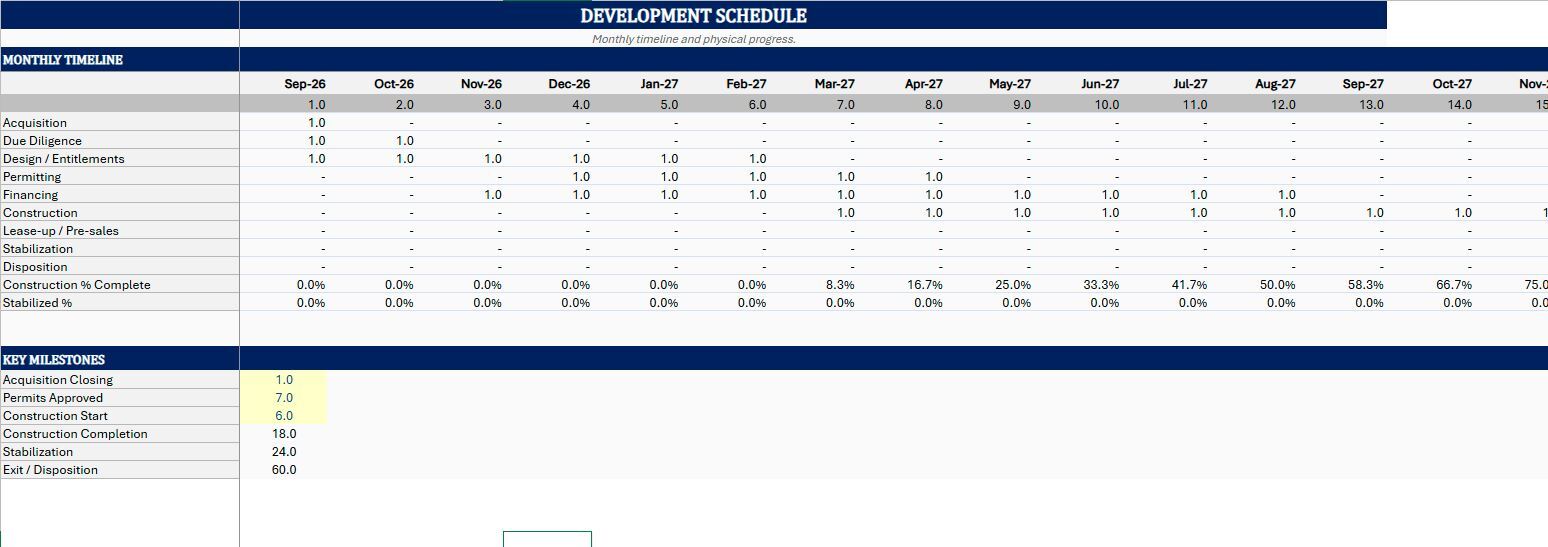
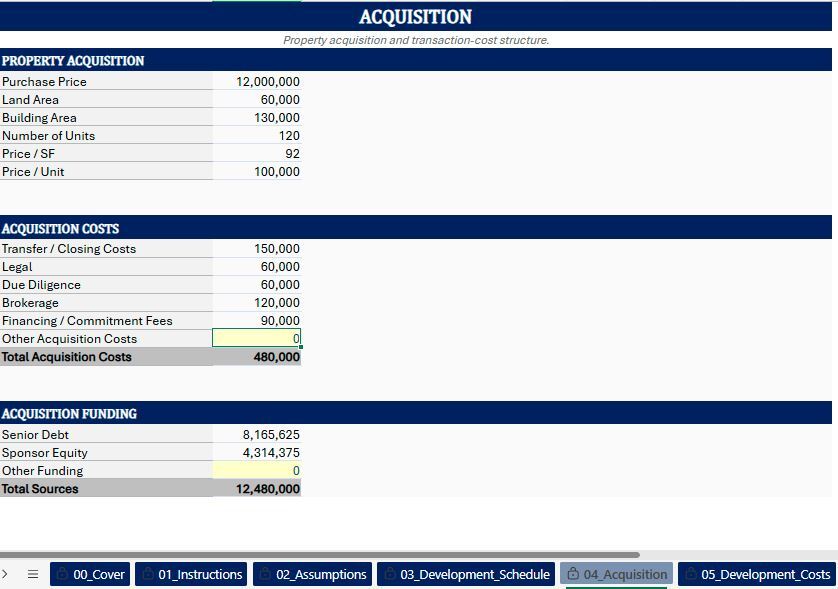
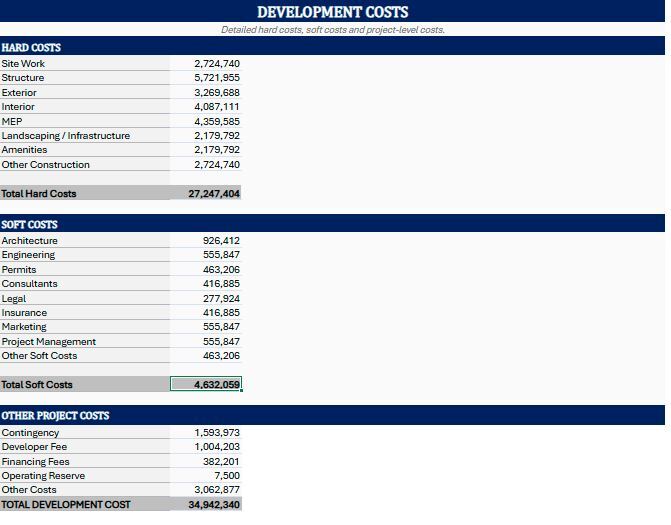
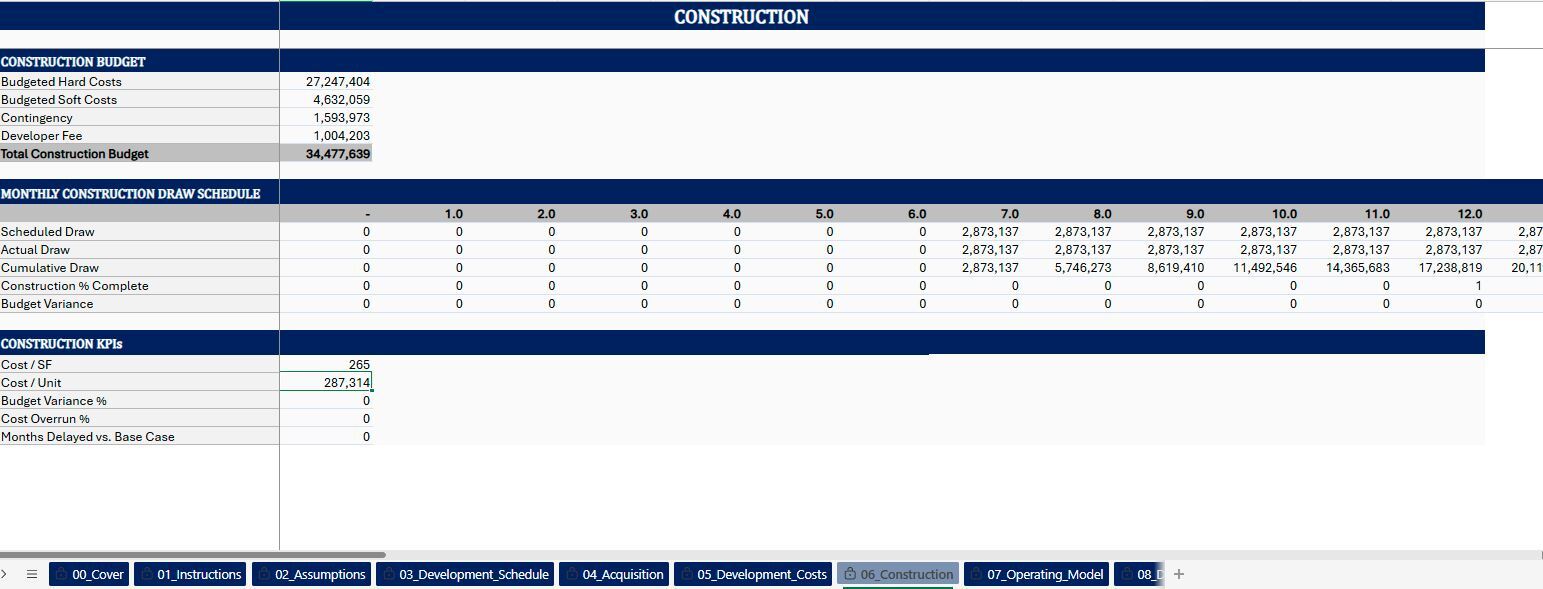
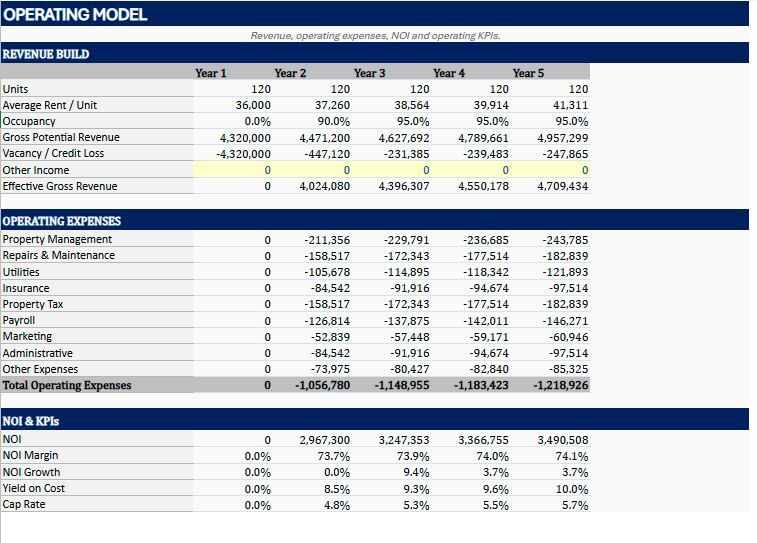
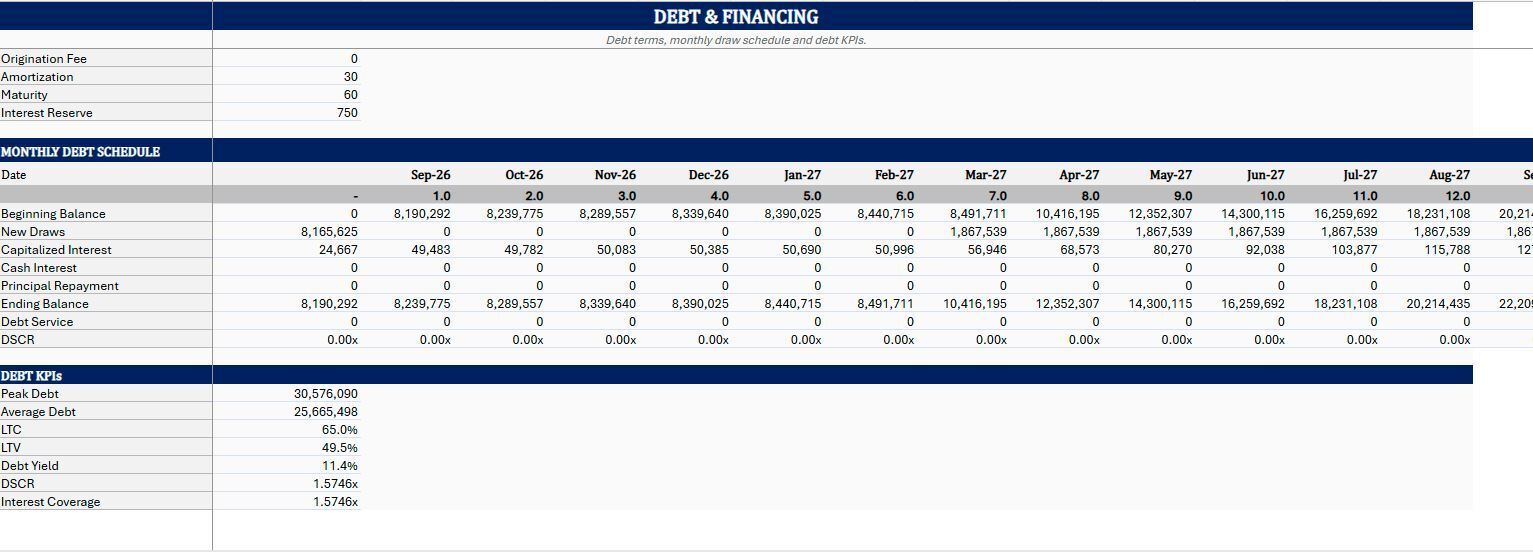
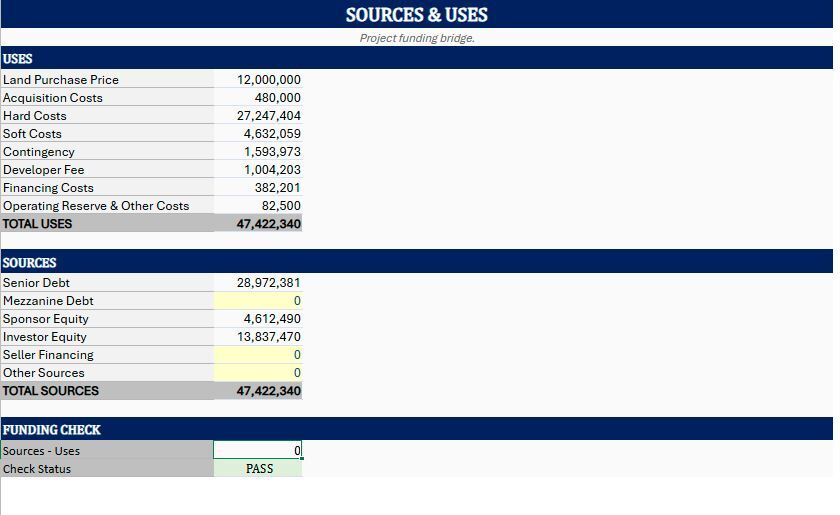
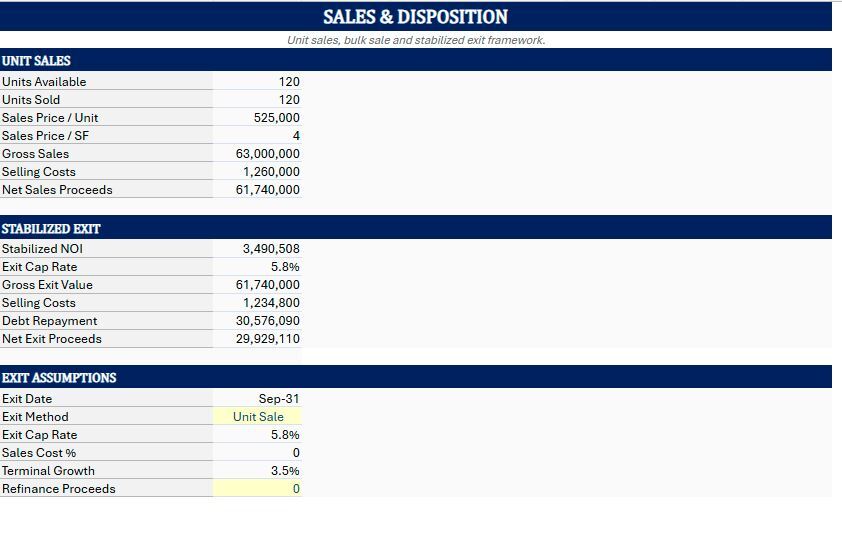
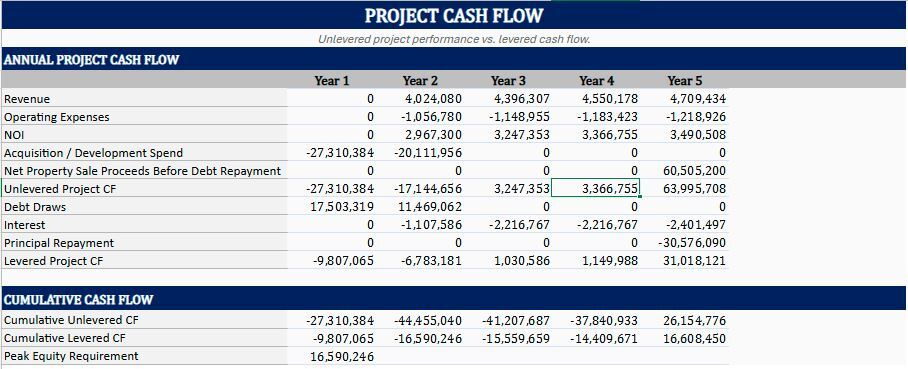
The Real Estate Investment & Development Model provides an integrated framework for analyzing a real estate project from acquisition through development, construction, operations, financing, and exit. It includes centralized project assumptions and scenarios, development scheduling, acquisition analysis, detailed hard and soft development costs, construction budgets and monthly draws, operating projections, debt and financing schedules, Sources & Uses, sales and disposition analysis, project cash flow, equity returns, valuation, sensitivity analysis, dashboard reporting, and automated model checks.

The real estate model calculates key metrics including NOI, LTC, LTV, DSCR, Debt Yield, IRR, MOIC, NPV, development margin, developer profit, gross development value, and net exit proceeds.

Together, these models provide a practical financial analysis toolkit for investors, financial analysts, developers, corporate finance professionals, entrepreneurs, investment professionals, and students. The bundle is particularly useful for users who need both corporate valuation capabilities and a dedicated framework for analyzing real estate development investments.

Both workbooks are built around structured inputs, interconnected calculations, automated outputs, scenario analysis, sensitivity analysis, and supporting control checks, allowing users to systematically evaluate assumptions and interpret financial and investment outcomes.

This Best Practice includes
2 Excel files (Demo & Template), 1 .ods file version (Libre Office), 1 PDF User Manual

Acquire business license for $79.00

Add to cart

Add to bookmarks

Discuss

Further information

Provide an integrated financial analysis framework combining company valuation and real estate investment & development, supporting intrinsic valuation, market-based valuation, development feasibility, financing, cash flow analysis, sensitivity analysis, and investment returns.

Company valuation using DCF and Comparable Company Multiples.
Analysis of enterprise value and equity value.
FCFF-based valuation and WACC analysis.
Real estate acquisition and development projects.
Construction and development financing analysis.
Project cash flow and equity return analysis.
Real estate valuation and exit analysis.
Scenario and sensitivity analysis.
Investment and feasibility analysis requiring structured financial models.

Pure accounting, bookkeeping, or financial reporting purposes.
Property management without an acquisition/development investment component.
Valuations requiring specialized legal, tax, engineering, or appraisal methodologies.
Construction projects requiring detailed engineering or quantity-surveying models.
Situations where reliable financial, market, operating, project, or financing assumptions are unavailable.
Decisions requiring professional advice beyond financial modeling.


0.0 / 5 (0 votes)

please wait...