
Originally published: 05/07/2024 22:10
Last version published: 02/12/2024 21:47
Publication number: ELQ-63450-3
View all versions & Certificate
Last version published: 02/12/2024 21:47
Publication number: ELQ-63450-3
View all versions & Certificate

Streaming Service Financial Model 5 Year 3 Statement Excel Template
Very comprehensive Excel Financial Model for a Streaming Service. Includes ARR MRR subscription tracking metrics.
AllFinancialModels offer a curated selection of high-quality yet financial model templates designed to support a wide range of business needs.Follow
Description
This financial model provides a detailed framework to assess the financial health and performance of a Streaming Service Company. This is for when you've created a streaming service that can gain revenue via subscription.Revenue-based income with 4 tiers of subscription.
Key Components:
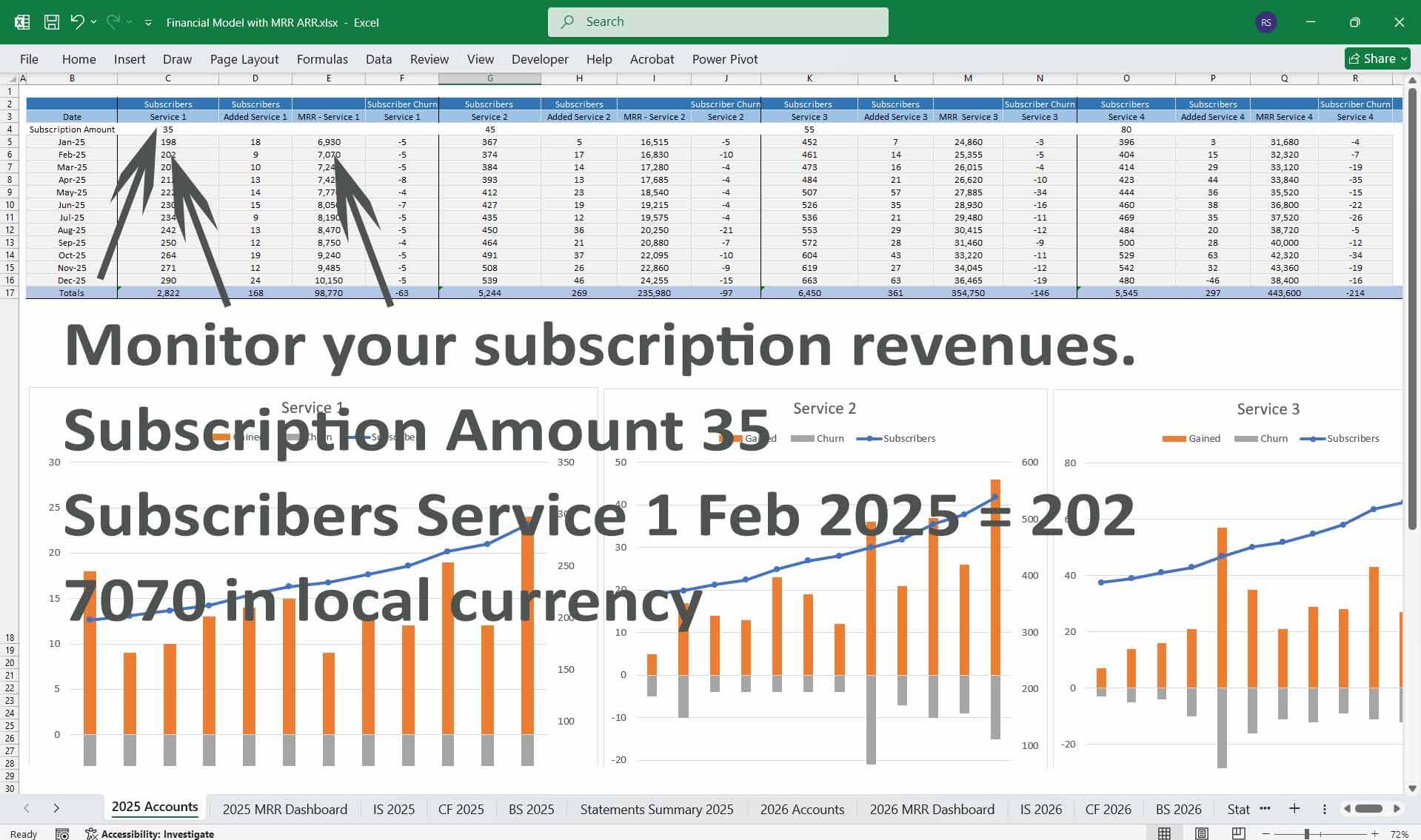
4. MRR and ARR Revenue Tracking
Focuses on tracking the recurring revenue that forms the backbone of a subscription-based business.
Monthly Recurring Revenue (MRR): Total monthly revenue generated from active subscriptions.
MRR = (Number of subscribers in each tier × Tier price).
Annual Recurring Revenue (ARR): Total expected revenue over a year from recurring subscriptions.ARR = MRR × 12.
Metrics to Monitor
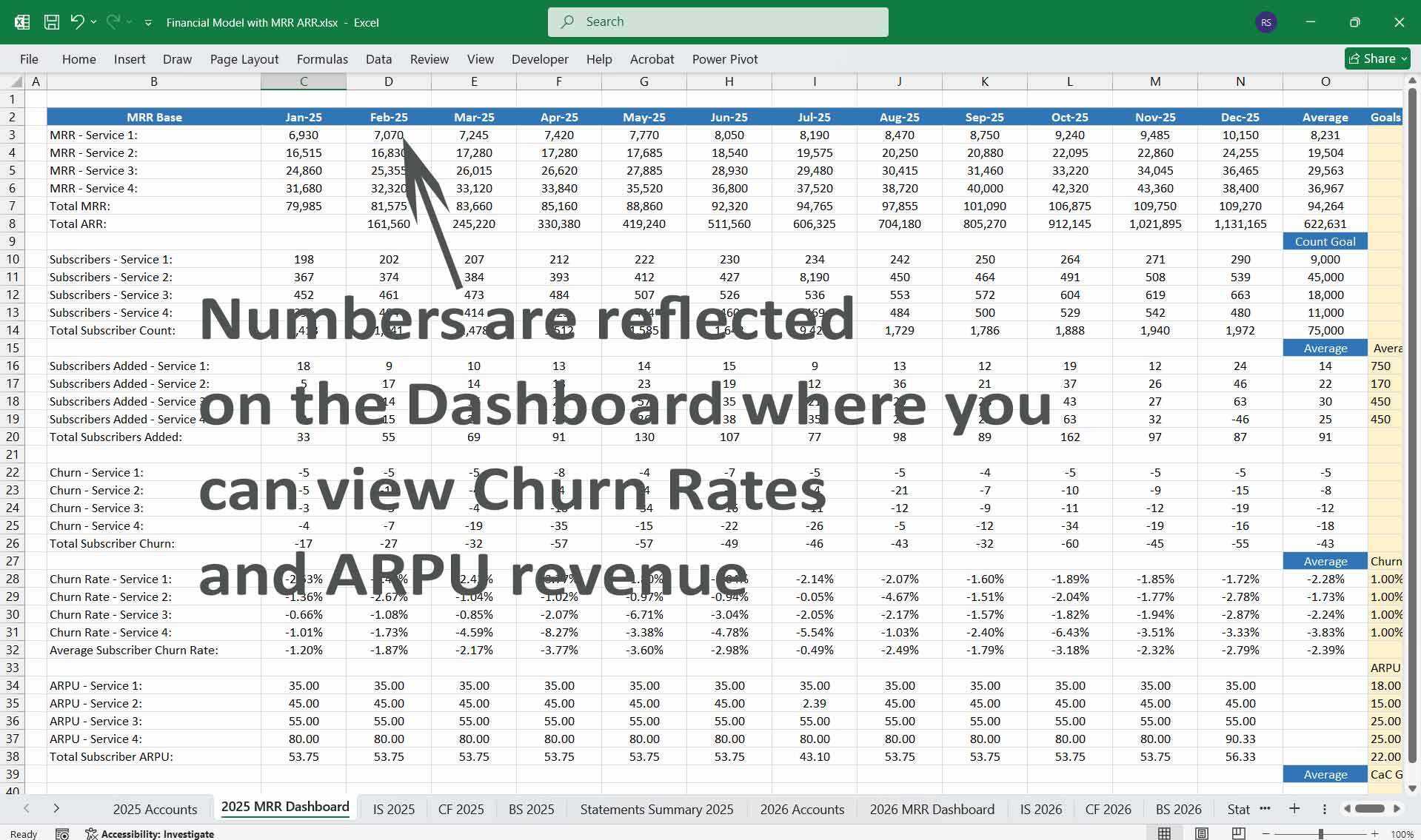
Subscriber Growth Rate:(New Subscribers - Cancellations) / Starting Subscribers.
Churn Rate:
(Number of Cancellations / Starting Subscribers).
Lifetime Value (LTV):
Average Revenue Per User (ARPU) × Average Subscriber Lifetime.
Customer Acquisition Cost (CAC):
Total Sales & Marketing Costs / Number of New Subscribers.
LTV/CAC Ratio:
Indicates the ROI on customer acquisition.Dashboard Components
MRR by Tier:
Breakdown of MRR across different subscription plans (e.g., Basic, Standard, Premium).
MRR Growth:
Month-over-month MRR change percentage.
Churn Analysis:
Identify patterns or reasons for subscriber cancellations.
ARR Projections:
Forecast ARR based on historical MRR trends and growth rates.
Additional Features:
This financial model provides a detailed framework to assess the financial health and performance of a Streaming Service Company. This is for when you've created a streaming service that can gain revenue via subscription.Revenue-based income with 4 tiers of subscription.
Key Components:
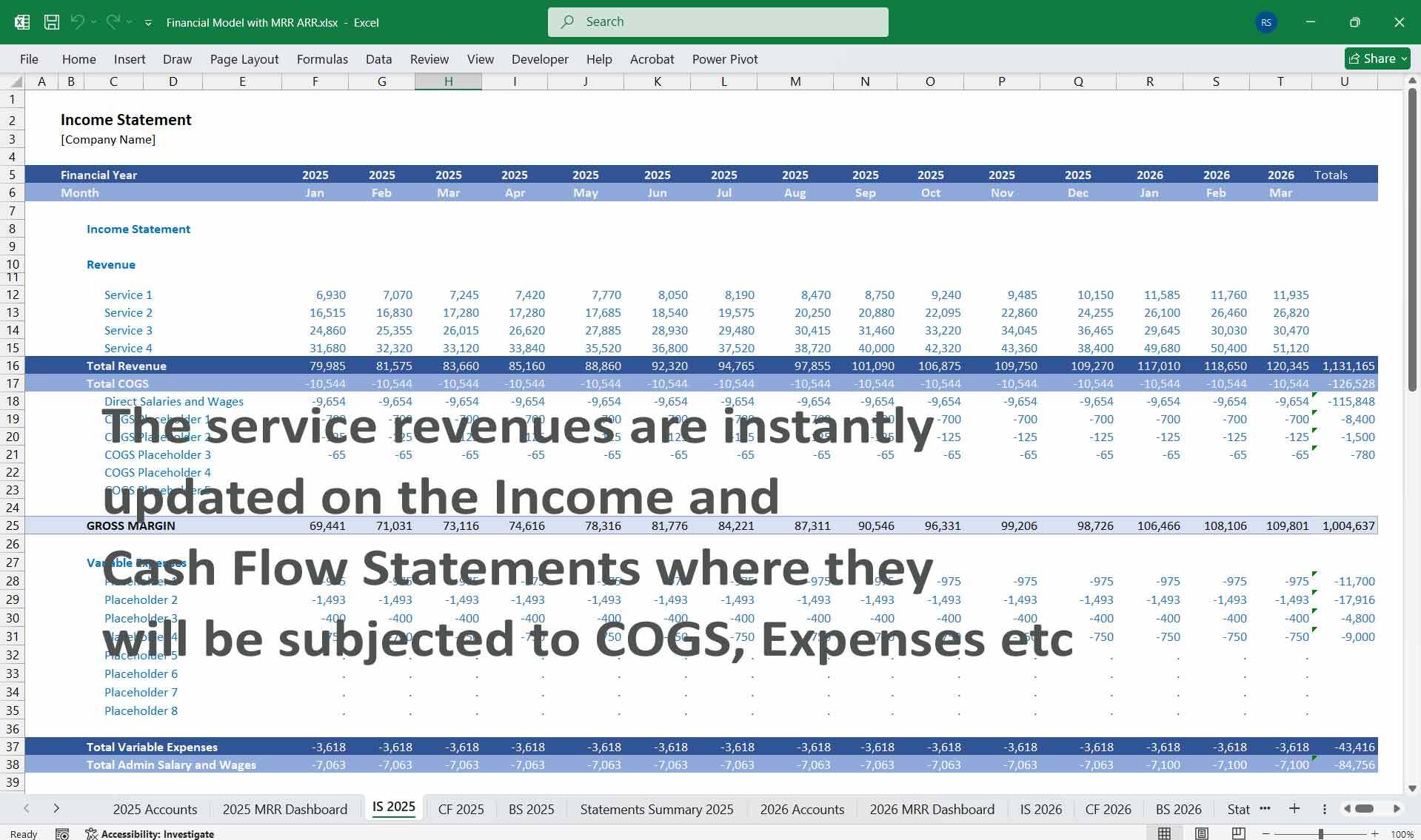
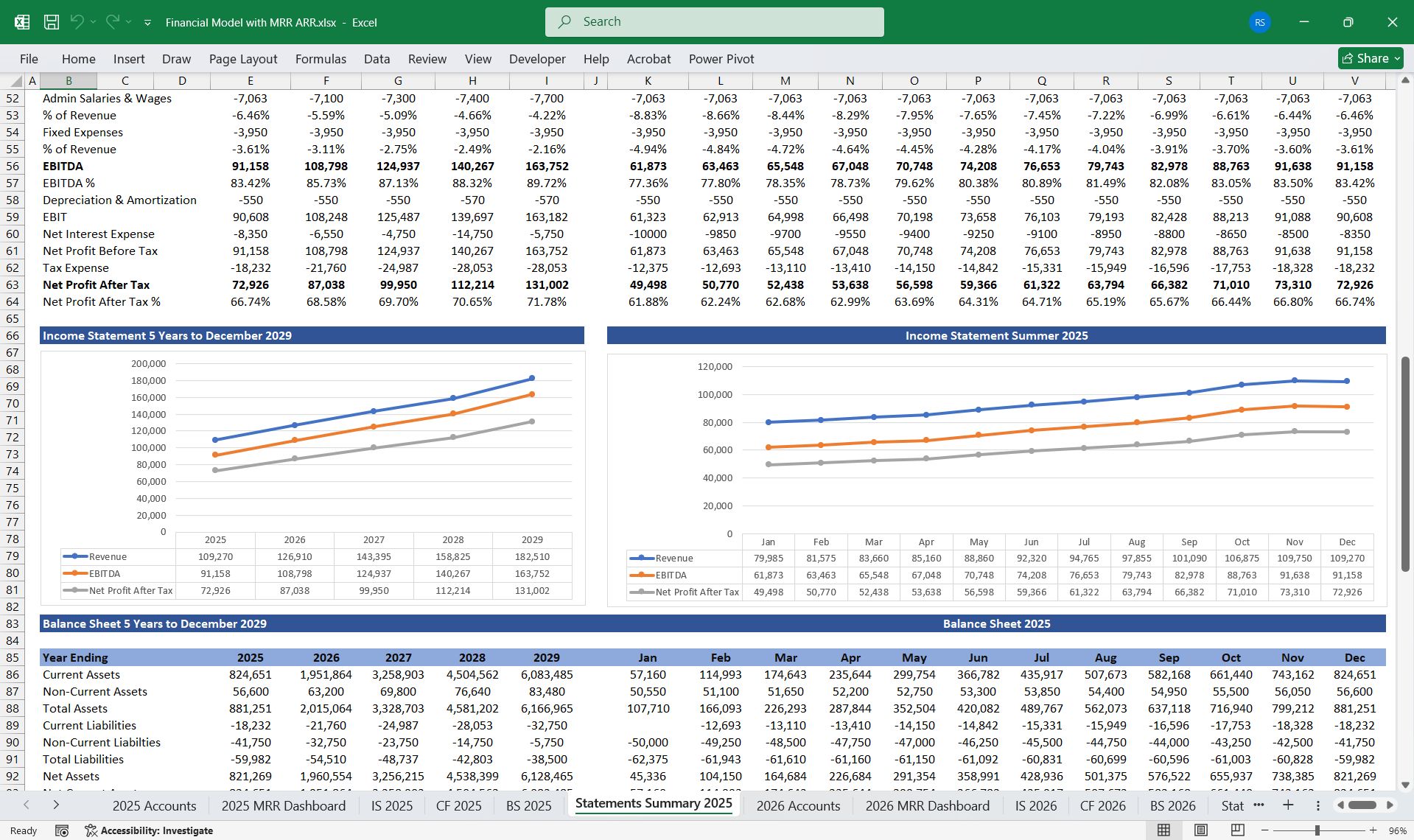
- Income Statement:
- Revenue: Detailed breakdown of revenue streams including subscription fees, advertising revenue, and any other income sources.
- COGS: Direct costs associated with delivering streaming content, including licensing fees, content production costs, and bandwidth expenses.
- Gross Profit: Calculated by subtracting COGS from Revenue.
- Operating Expenses: Segmented into categories such as marketing, administrative, and R&D expenses.
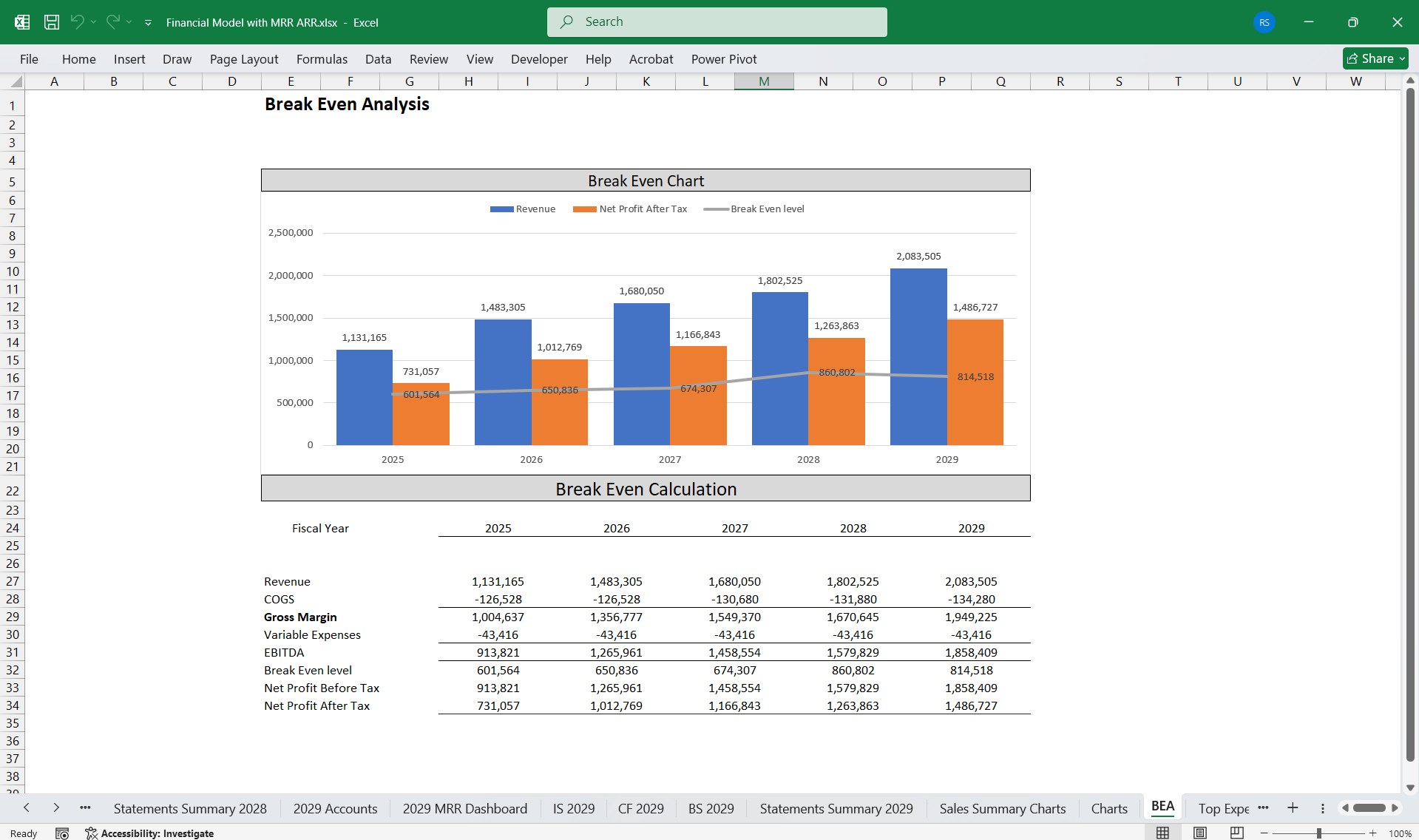
- EBITDA: Earnings before interest, taxes, depreciation, and amortization, providing a clear picture of operating performance.
- Net Income: Final profitability after accounting for all expenses, taxes, and interest.
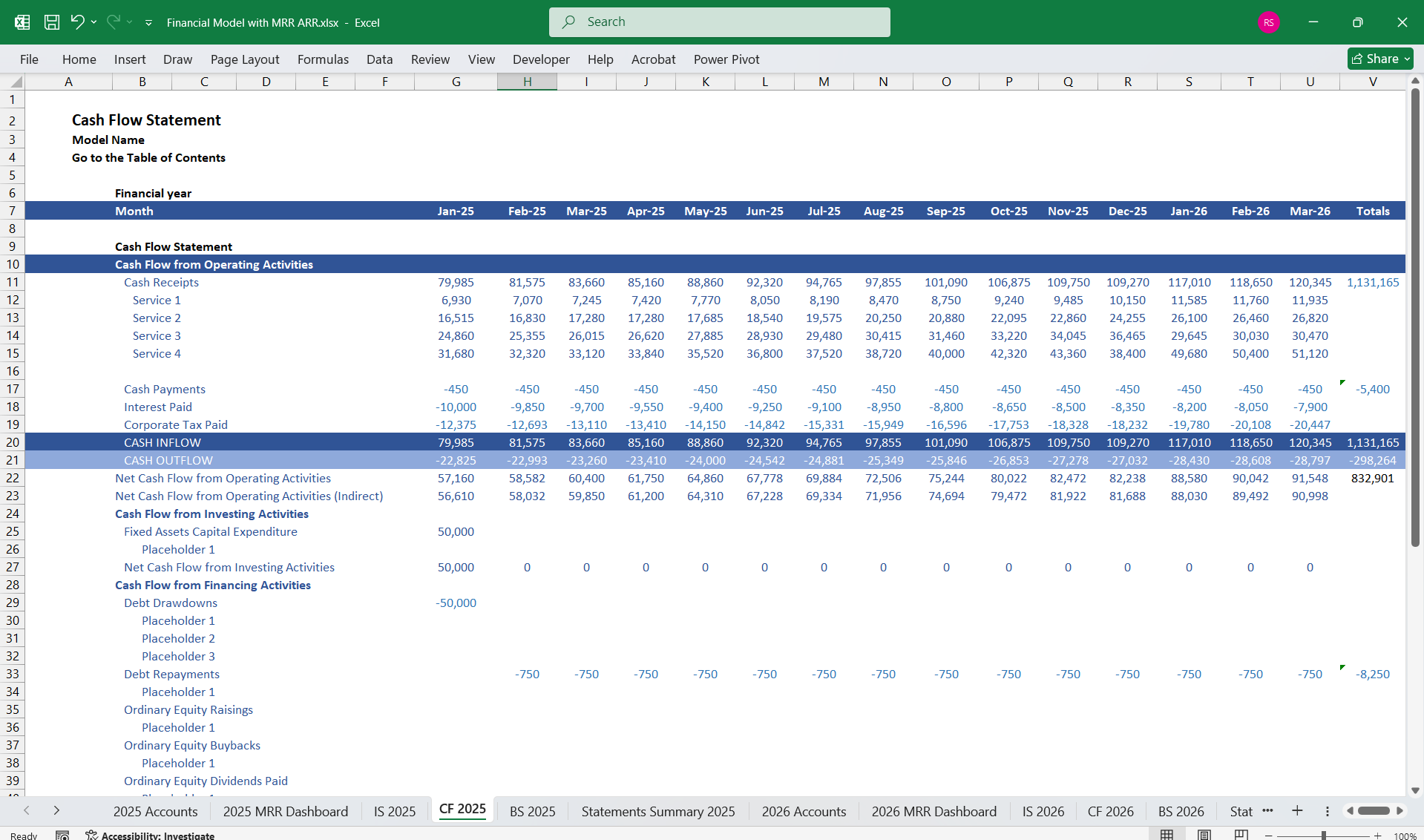
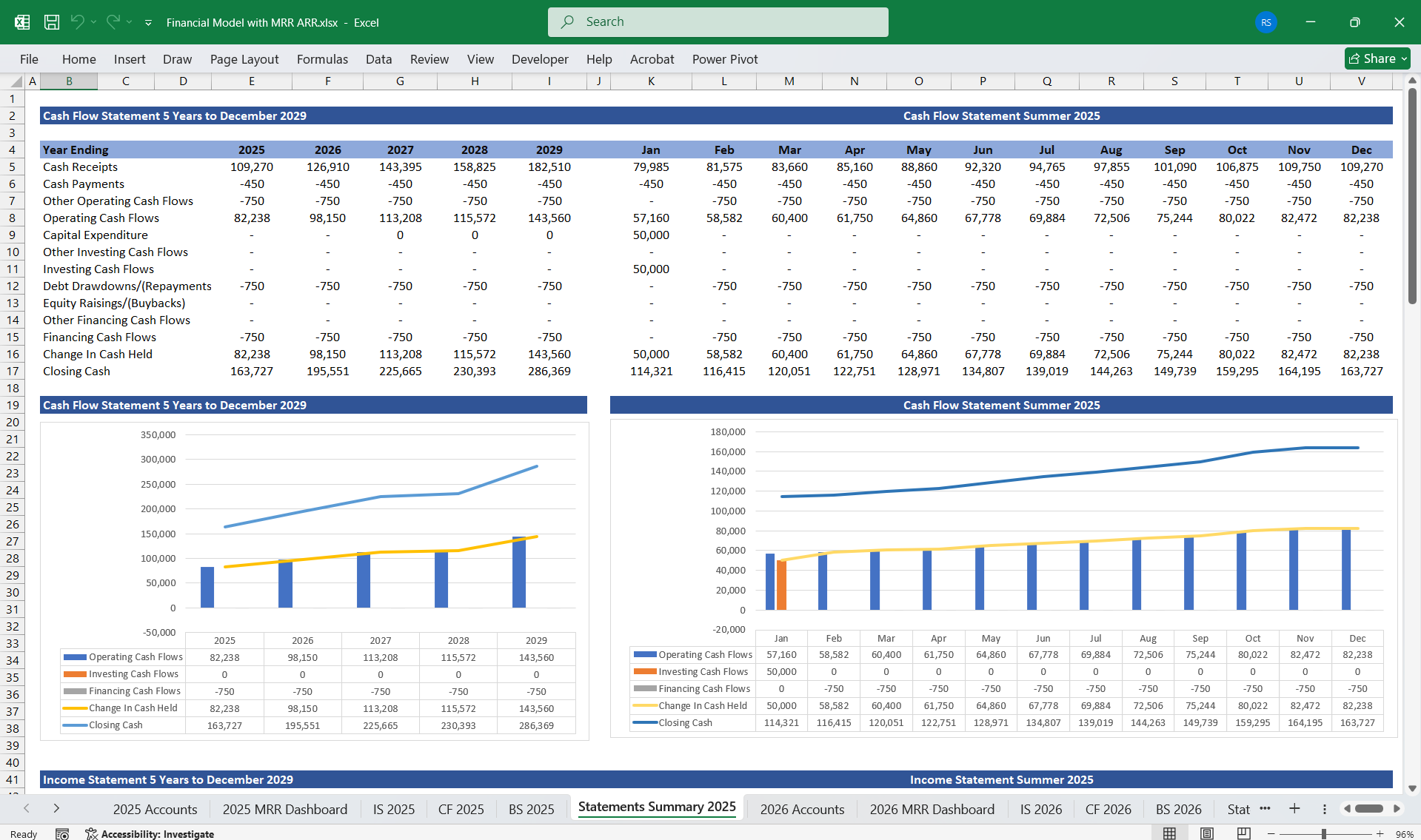
- Cash Flow Statement:
- Operating Activities: Cash inflows and outflows from core business operations, including subscription payments and operating expenses.
- Investing Activities: Cash used for investments in new content, technology, and other long-term assets.
- Financing Activities: Cash flows from financing operations such as loans, equity financing, and dividend payments.
- Net Cash Flow: Overall change in cash position, crucial for understanding liquidity.
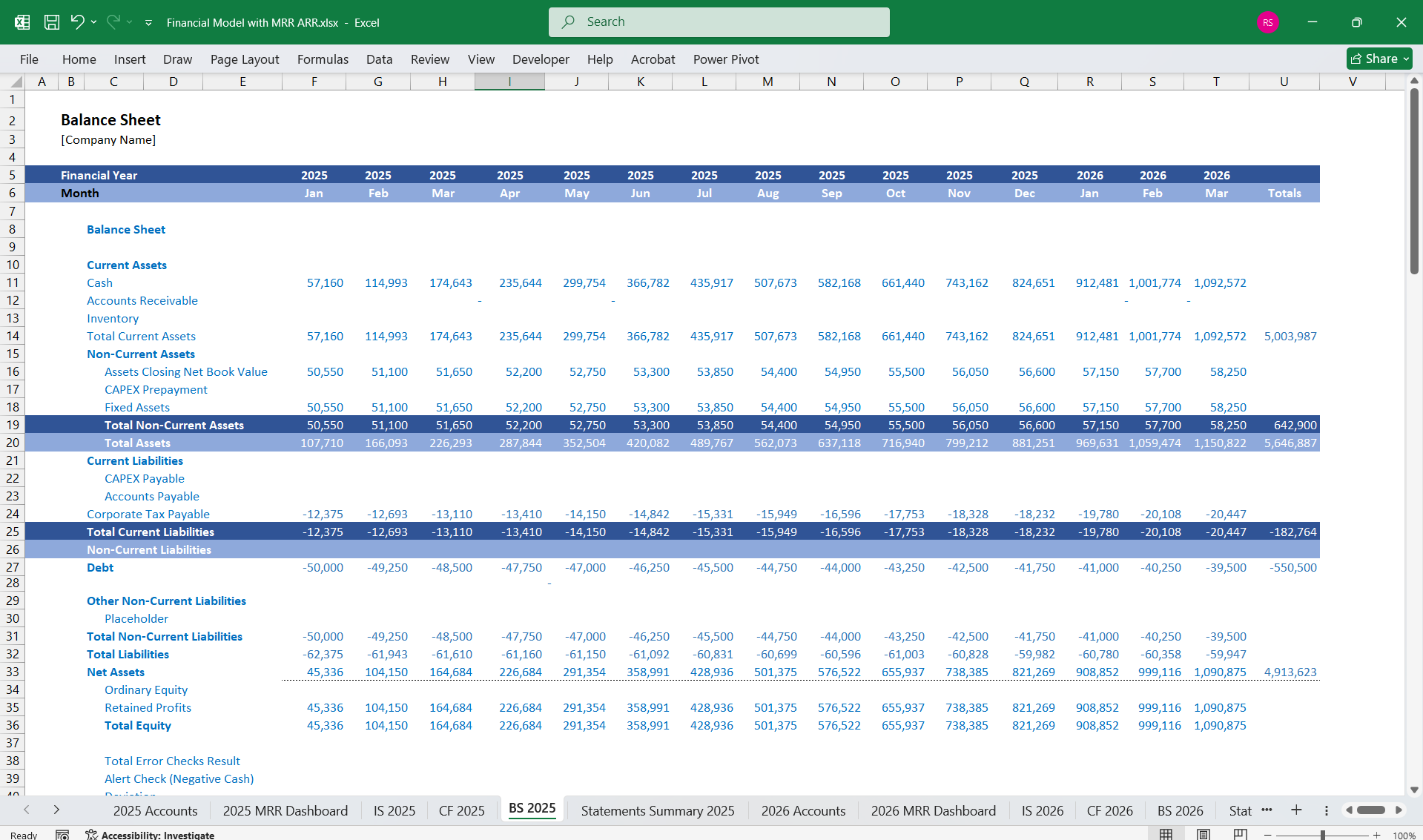
- Balance Sheet:
- Assets: Detailed listing of current assets (cash, accounts receivable) and long-term assets (property, equipment, content library).
- Liabilities: Segmentation of current liabilities (accounts payable, short-term debt) and long-term liabilities (long-term debt).
- Equity: Shareholder's equity, including common stock and retained earnings.
- Working Capital: Calculation of current assets minus current liabilities to assess short-term financial health.
- Marketing Expenditure:
- Online Marketing: Costs associated with digital advertising, social media campaigns, search engine marketing, and influencer partnerships.
- Offline Marketing: Expenses related to traditional media advertising, event sponsorships, and physical promotional materials.
- Key Metrics:
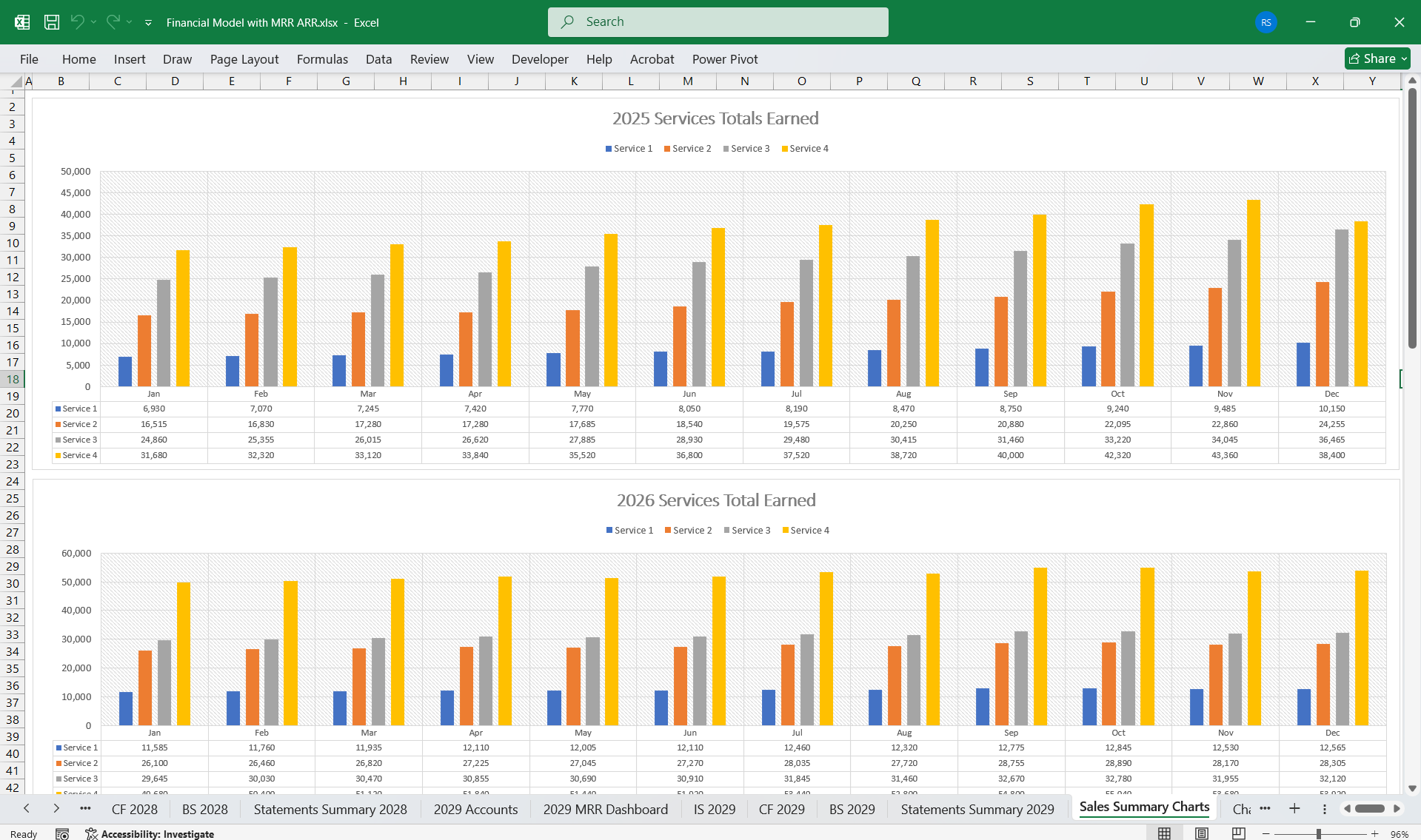
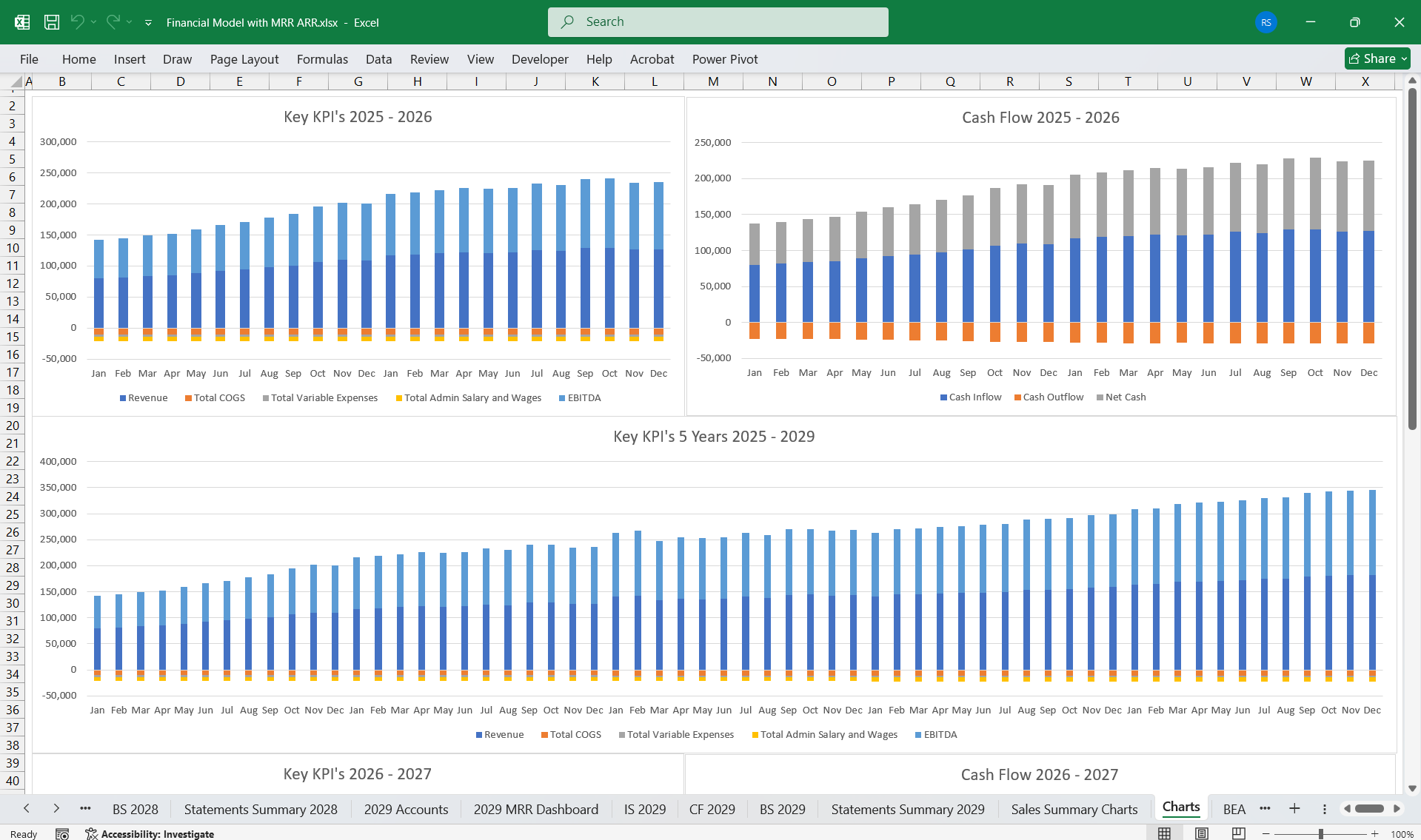
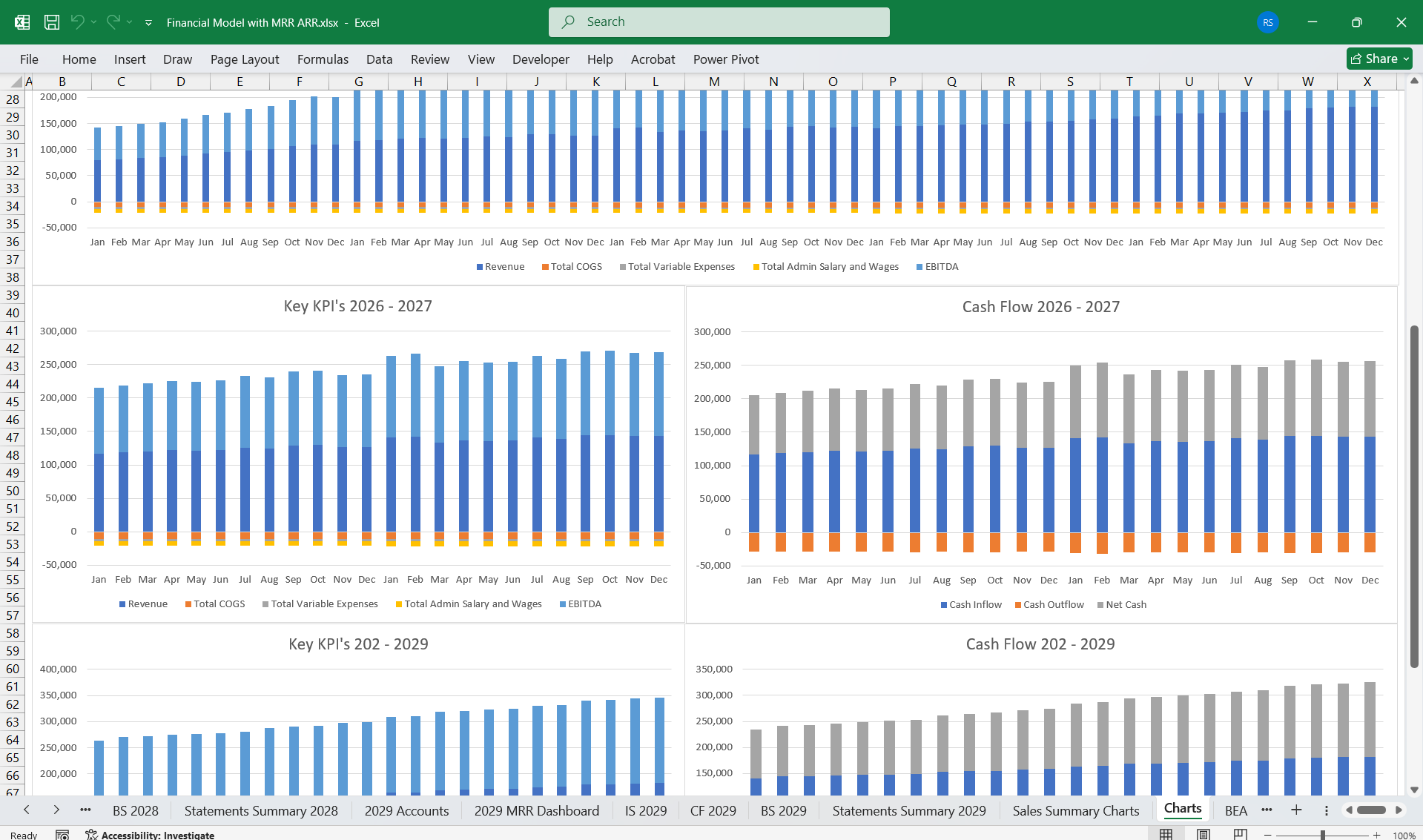
- Revenue: Monitored on a monthly, quarterly, and annual basis to track growth and identify trends.
- EBITDA: Regularly updated to provide insights into operational efficiency and profitability.
- COGS: Detailed tracking to manage and optimize the costs directly tied to content delivery.
4. MRR and ARR Revenue Tracking
Focuses on tracking the recurring revenue that forms the backbone of a subscription-based business.
Monthly Recurring Revenue (MRR): Total monthly revenue generated from active subscriptions.
MRR = (Number of subscribers in each tier × Tier price).
Annual Recurring Revenue (ARR): Total expected revenue over a year from recurring subscriptions.ARR = MRR × 12.
Metrics to Monitor
Subscriber Growth Rate:(New Subscribers - Cancellations) / Starting Subscribers.
Churn Rate:
(Number of Cancellations / Starting Subscribers).
Lifetime Value (LTV):
Average Revenue Per User (ARPU) × Average Subscriber Lifetime.
Customer Acquisition Cost (CAC):
Total Sales & Marketing Costs / Number of New Subscribers.
LTV/CAC Ratio:
Indicates the ROI on customer acquisition.Dashboard Components
MRR by Tier:
Breakdown of MRR across different subscription plans (e.g., Basic, Standard, Premium).
MRR Growth:
Month-over-month MRR change percentage.
Churn Analysis:
Identify patterns or reasons for subscriber cancellations.
ARR Projections:
Forecast ARR based on historical MRR trends and growth rates.
Additional Features:
- Scenario Analysis: Ability to model different business scenarios and their impact on financial projections.
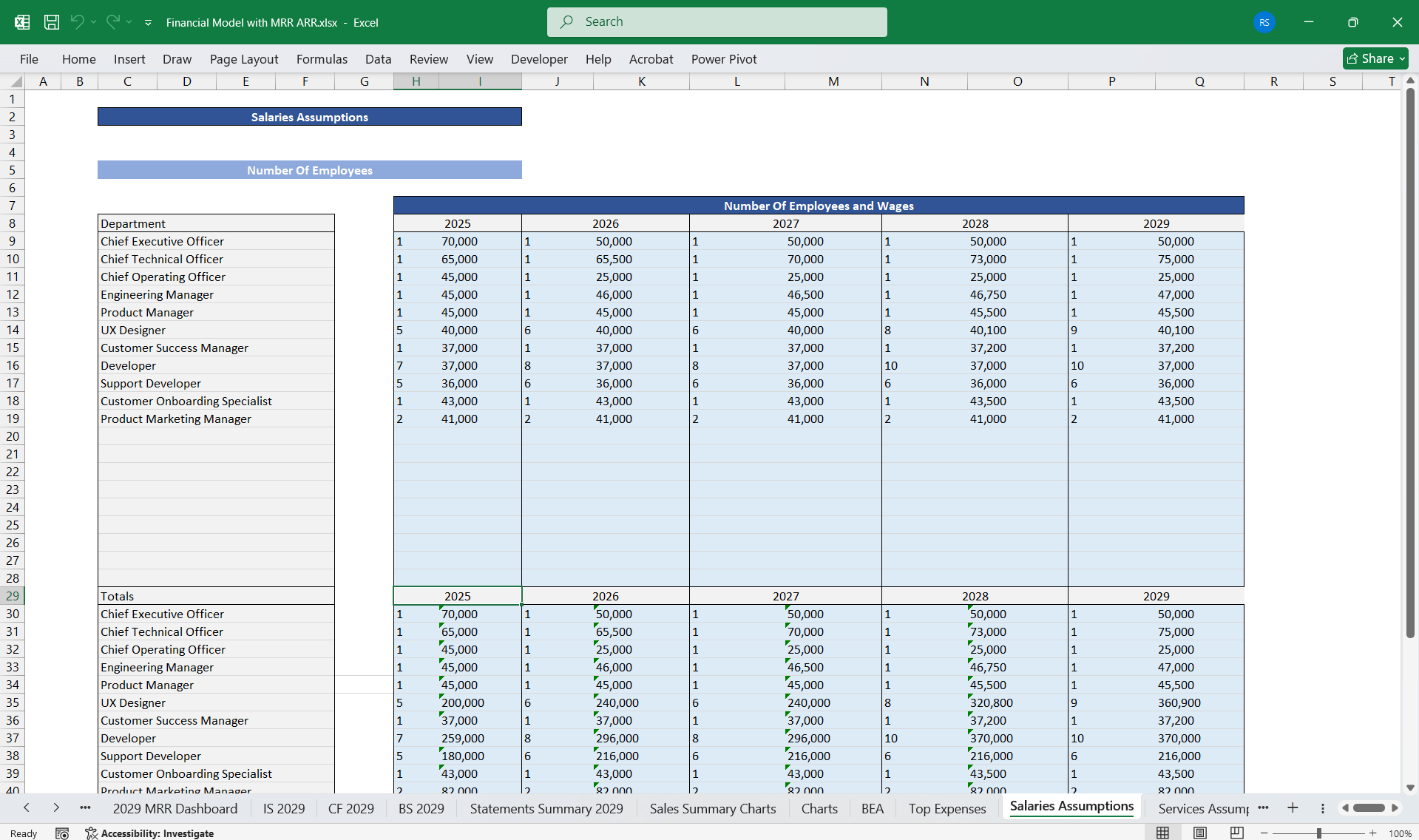
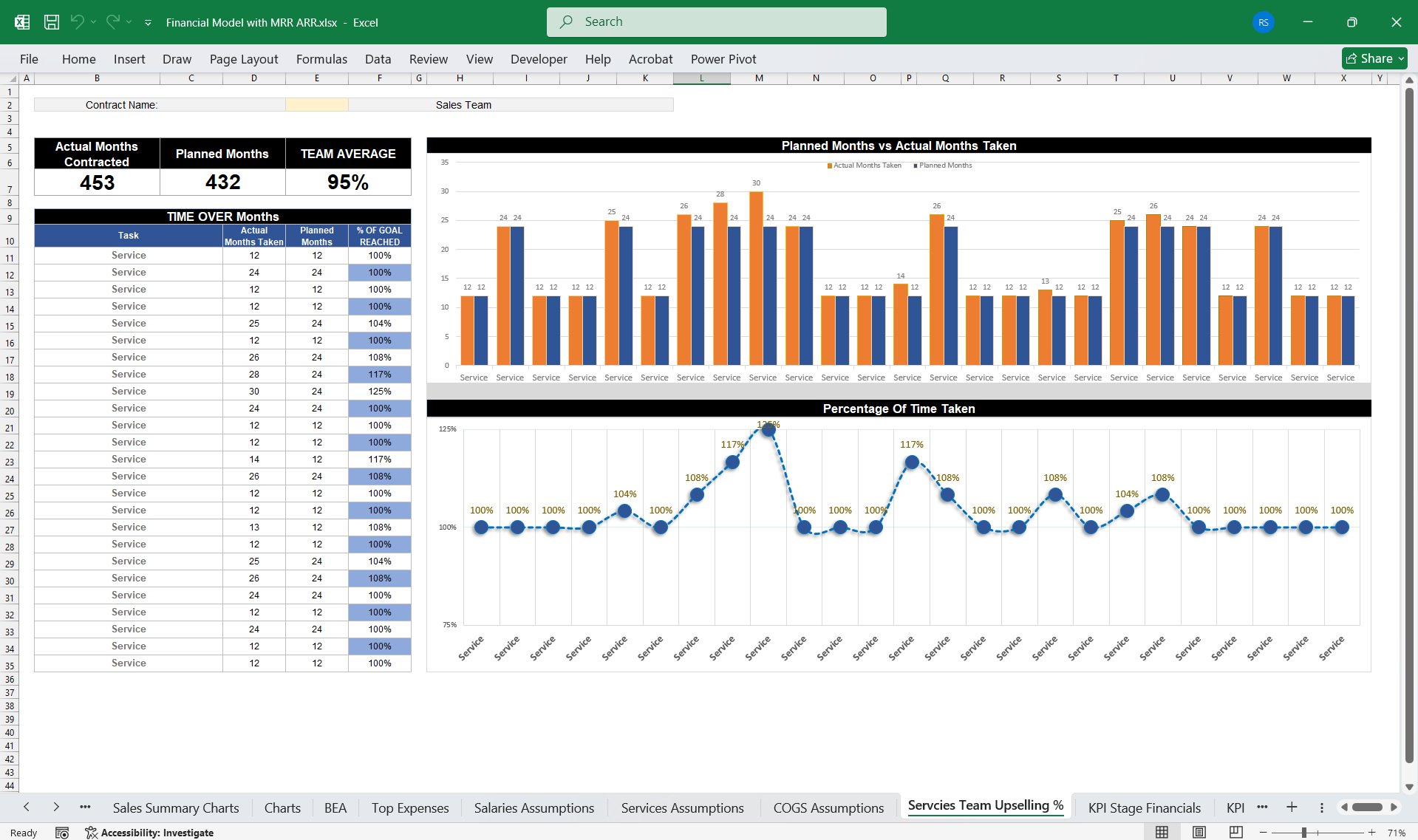
- KPI Tracking: Key Performance Indicators (KPIs) such as customer acquisition cost, churn rate, and lifetime value (LTV) are included to provide a holistic view of business performance.
- Sensitivity Analysis: Assessing the impact of variable changes (e.g., subscription growth rate, marketing spend) on financial outcomes.
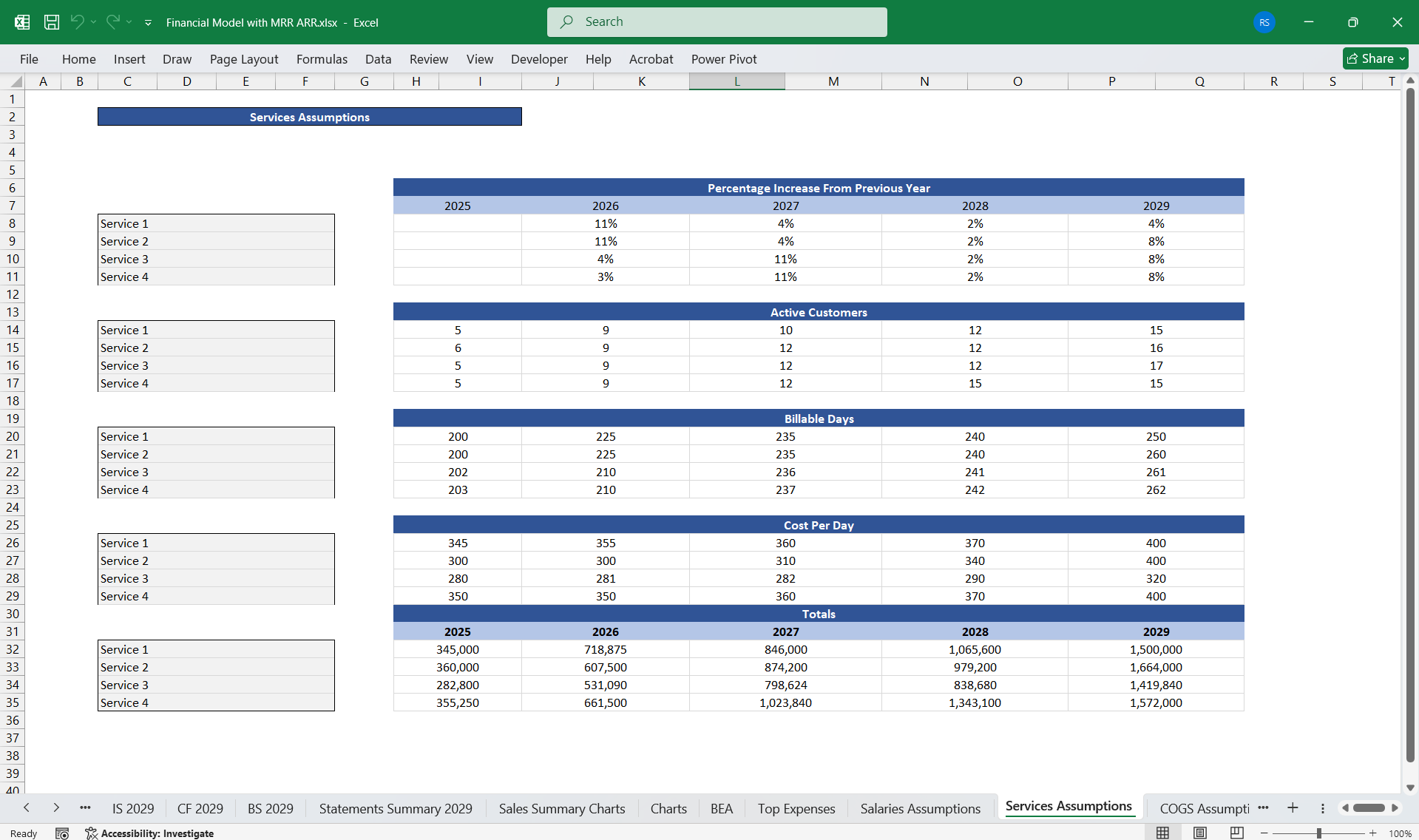
- Assumptions Sheets: Clearly defined assumptions driving the financial model, allowing for easy adjustments and updates.
This Best Practice includes
1 Excel Financial Model 1 ARR MRR Subscription Template
Further information
Provides thorough oversight, tracking, and reporting of streaming service finances, including updates on budget utilisation and projections.